I don't know about you, but most of the museums I've visited have been boring. No, at first everything is very interesting, but after 10 minutes, your brain is overwhelmed with too much information, and the tour guide's voice puts you to sleep. But it turns out that there are quite a few museums in the world whose purpose is completely different. They can surprise, amuse, provide an interesting experience, or even shock you. We have selected 10 unusual museums where you definitely won't be bored.
Museum of Failure, New York, USA
The museum was opened by psychologist Samuel West in Helsingborg, Sweden. However, following legal disputes between partners, it closed in 2019. Today, the museum travels around the world and enjoys immense popularity. In New York, the exhibition will run until June 18.
The museum exhibits unsuccessful business products that, for various reasons, failed to find consumers and fell flat. Some of them could be seen on store shelves and even used.
However, most of the exhibits immediately raise the question: how did anyone even think of making such things? For example, split drumsticks or a wavy ping-pong table. And how about lasagna from Colgate? Surprisingly, the world-famous toothpaste manufacturer sincerely believed in success in this new field.

Mistakes were made in various areas: design, marketing, technology. But the essence of the exhibition is to show that failure is not the end of the story, but an incentive to create a truly good product.
Tickets can be purchased on the official website for between $18 and $30, depending on age and the date selected.
Disgusting Food Museum, Malmö, Sweden
Like the previous project, this one also belongs to Samuel West. The exhibition features what the author considers to be the most disgusting foods in the world. Most of them come from Asia and Europe. All of the exhibits are not the product of someone's imagination, but real dishes that are eaten in one corner of the world or another.
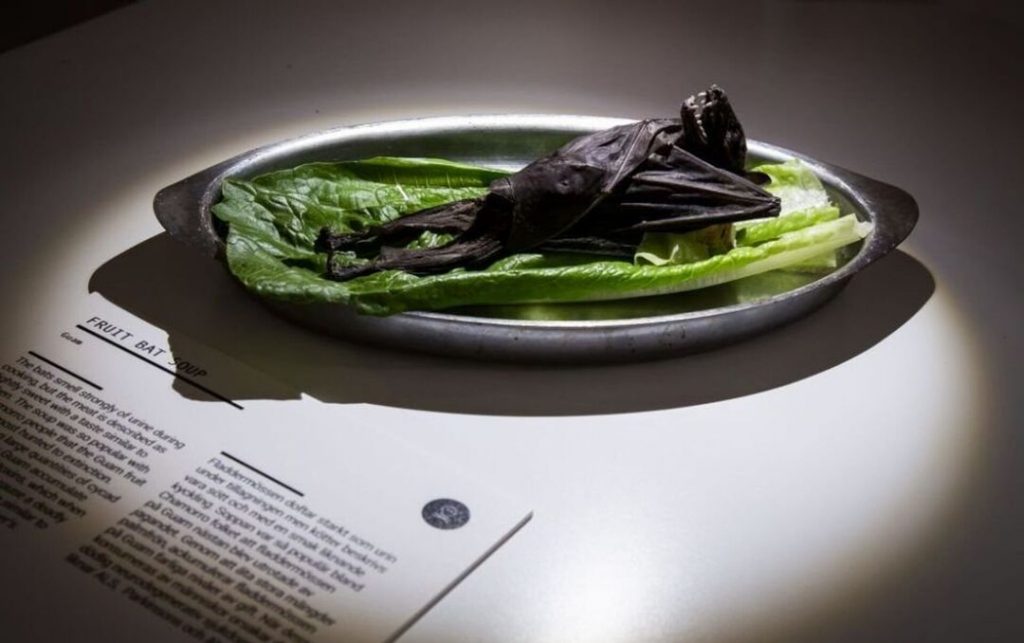
This is the well-known fermented herring Surströmming from Sweden. Videos of it being opened have flooded the internet. Or cheese with live larvae from Sardinia. Adventure lovers will appreciate the opportunity to smell and even taste some of these notorious products. Fortunately, each visitor is given a special bag at the entrance in case of vomiting.
According to the museum's founder, the exhibition was created to show that disgust is only in the eye of the beholder. Tickets can be purchased on the official website for between $6 and $19, depending on the age of the visitor.
The Icelandic Phallological Museum (The Icelandic Phallological Museum), Reykjavík, Iceland
The museum displays more than 300 penises from over 100 mammals that live in Iceland and beyond. Visitors can also check out a bunch of Icelandic folk art pieces dedicated to this reproductive organ. According to the founder, there's even an elf penis on display. But since these creatures are invisible according to legend, you won't be able to see the exhibit.
The largest specimen is a blue whale penis, 170 cm long and weighing 5 kg. The smallest once belonged to a hamster and is only 2 mm long. It can only be seen with a magnifying glass. Looking at all this, you realize that everything in the world is relative.
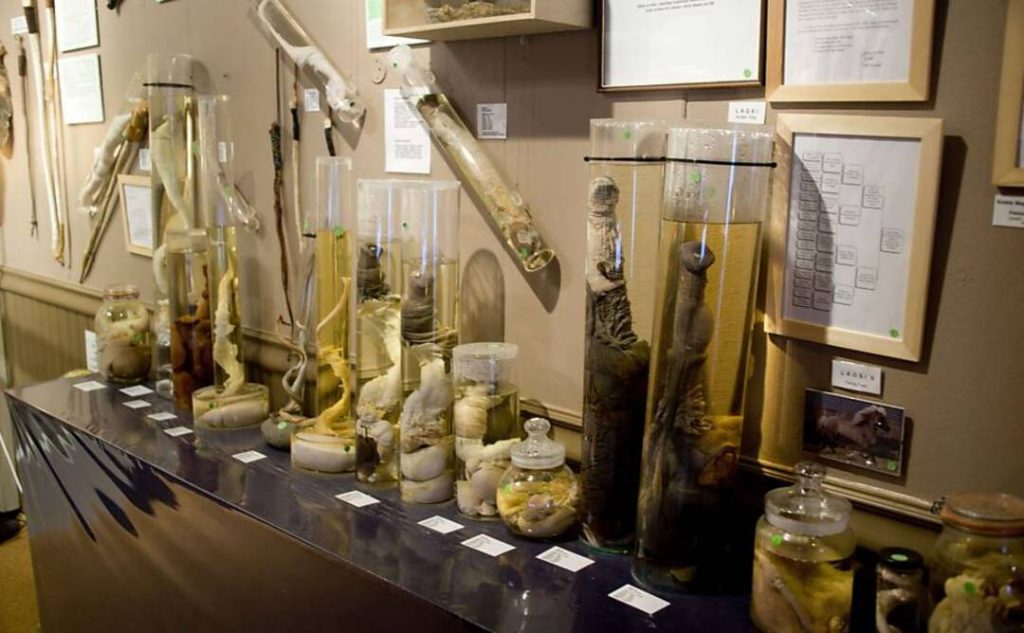
Unfortunately or fortunately, the museum cannot boast of having a human penis. However, it does have some interesting souvenirs in its collection. For example, the Icelandic national handball team left casts of their erect penises especially for fans. For some reason, though, they are unsigned.
You will have to pay $11 to enter the museum.
Sexmuseum, Amsterdam, Netherlands
After seeing enough animal penises, you can safely move on to more familiar things. The Sex Museum in Amsterdam is not the only one of its kind, but it is one of the most popular. It is visited by about 500,000 people a year. Although the museum is more entertaining in nature, you can learn a lot of useful information inside and see how attitudes towards intimacy have changed over the centuries.
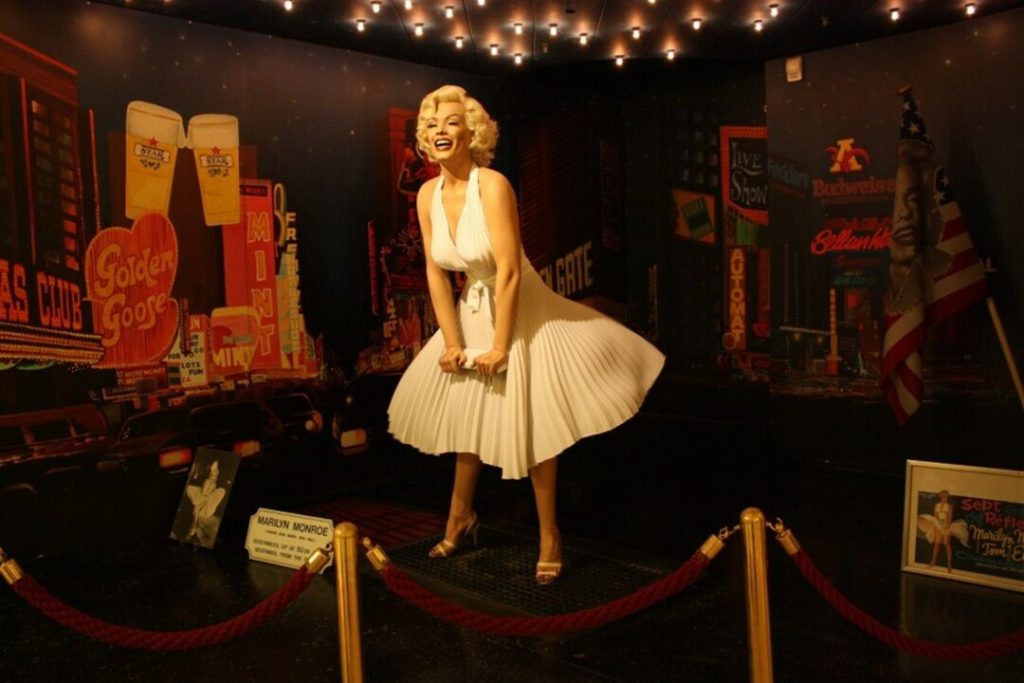
In the halls on several floors, crammed with all kinds of items, you can find literally everything related to sex. These include magazines, porcelain figurines, and various devices for pleasure. The museum even has its own Red Light District.
- Personal experience: hen and stag party in Amsterdam
- Discovering the Archaeological Museum in Istanbul
Numerous installations demonstrate people's attitudes toward sexuality and sexual intercourse at different times and in different cultures. There are ivory dildos, a Chinese sex manual for newlyweds, and 19th-century pornographic photographs. Surprisingly, this aspect of human life has not undergone any radical changes.
Tickets can be purchased on the official website for €9.
MUSA Underwater Museum, Cancún, Mexico
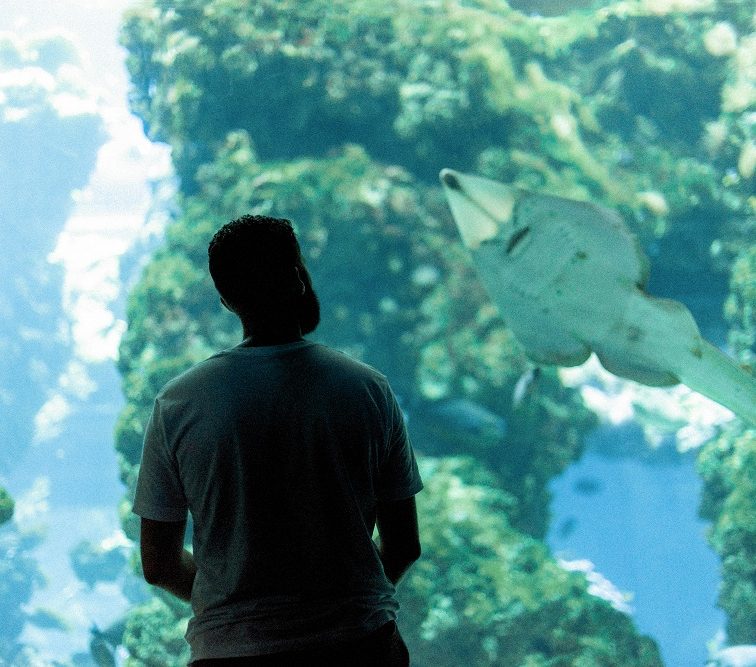
This museum is probably the most unusual in our collection. To see all the exhibits from every angle, you need to dive underwater with scuba gear. Five hundred life-size human sculptures have been placed in three underwater galleries off the coast of Mexico at depths of 3 and 6 meters.
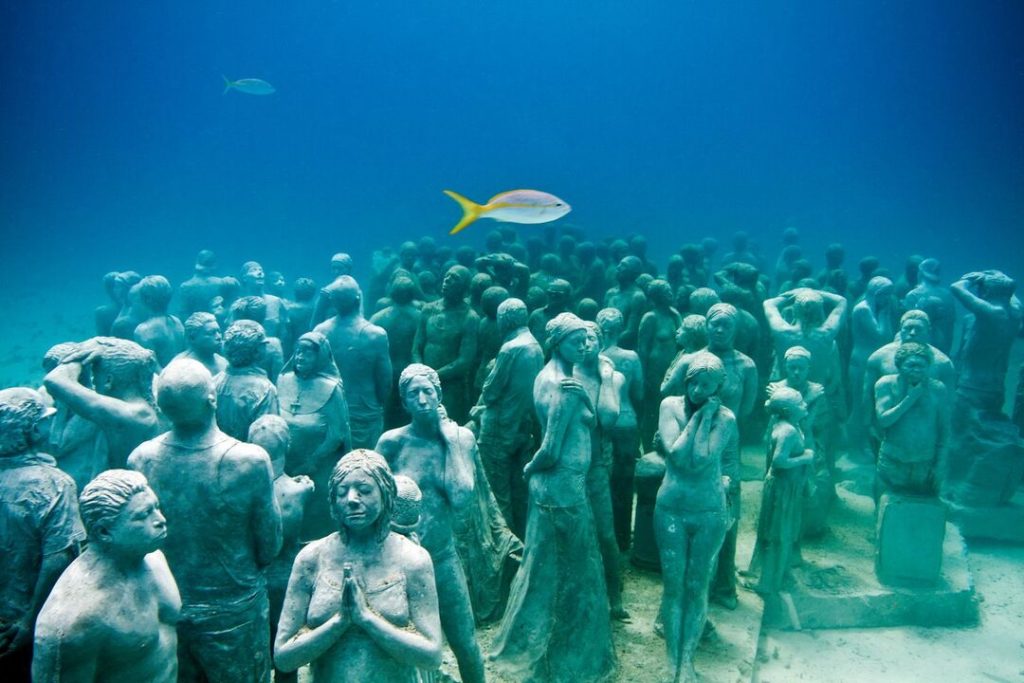
The museum's goal is to show the complex relationship between humans and the environment, as well as to draw public attention to the preservation of coral reefs. On the seabed, the realistic sculptures look eerie but attractive. The earliest ones have long been overgrown with corals and look more like sinister pirates from the movie "Pirates of the Caribbean."
For those who are afraid of diving, there are excursions in a glass-bottom boat. However, you can only truly appreciate the beauty of the exhibits by diving underwater.
Tickets can be purchased on the official website. Diving costs between $95 and $145. Boat tours cost between $50 and $74.
Color Factory, New York, Chicago, Houston, USA
It would seem that what could be interesting about color? We see it around us every day, and you don't have to go to a museum to see it. However, the creators of the Color Factory think differently. The aim of the exhibition is to show how color affects a person's mood. Interactive colorful installations dedicated to the concept of colorare located on an area of almost 2,000m2 . Some of them are interactive.
For example, in a huge blue room, you can splash around in balls. In another room, visitors are invited to draw something on the walls themselves. There is also a dance floor flooded with bright light and hundreds of colorful ribbons hanging from the ceiling. All elements are designed to do one thing—lift your spirits.
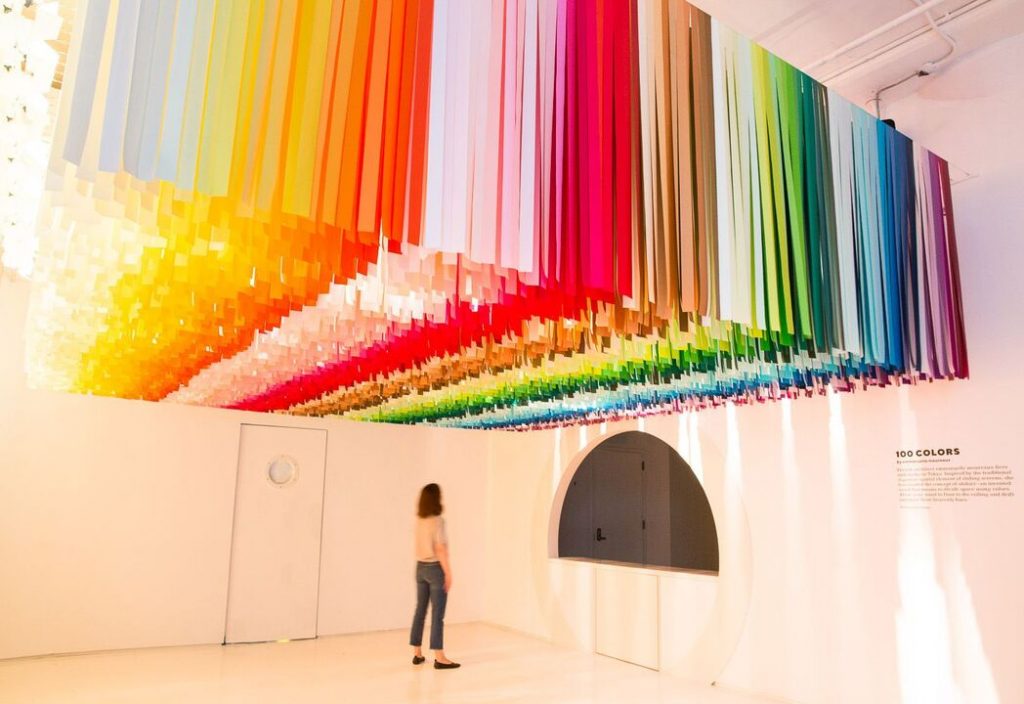
It is also an ideal location for photo shoots. Cameras are installed in each room specifically for this purpose, which visitors can activate using the QR code on their ticket. The photos will be sent to your email address later. This service is included in the ticket price, but if you are unsure about the reliability of the equipment, you can always use your smartphone camera.
Tickets can be purchased on the official website for $39 or $45 depending on the day of the week.
Museum of Bad Art (Museum of Bad Art), Boston, USA
Three galleries near Boston, in the cities of Dedham, Somerville, and Brookline, house the Museum of Bad Art. Visitors can see more than 500 works by artists who tried to create a masterpiece but failed.
The museum's founder, Scott Wilson, found the very first painting, "Lucy in a Field of Flowers," in a dumpster. He bought some of the works in thrift stores for pennies. The common thread among all of them is that the artists did not deliberately try to make their work bad. They put their hearts and souls into it.
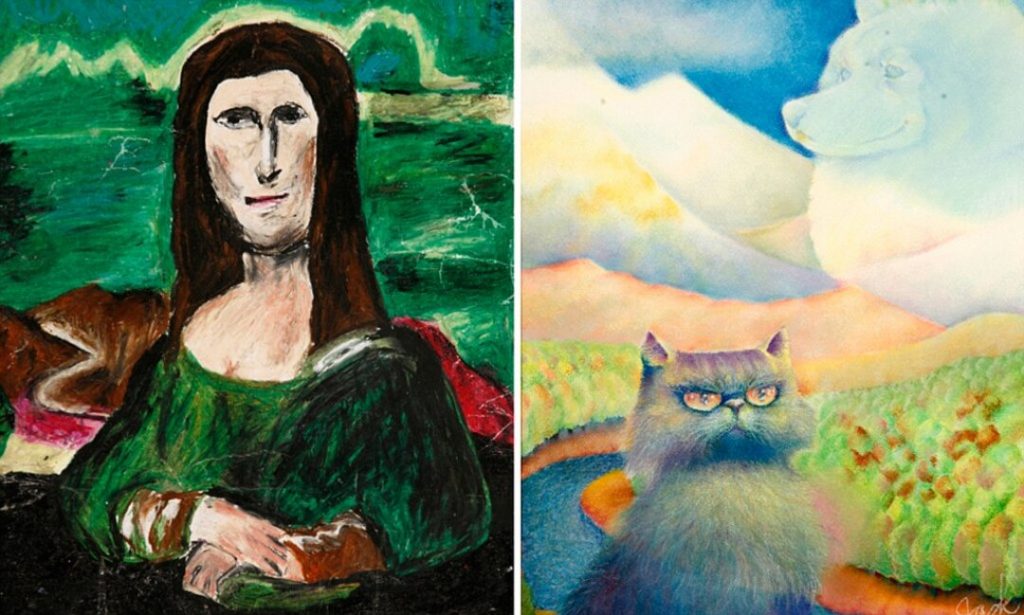
According to Scott, bad art should have a right to exist. It shows us that it is difficult to achieve success on the first try. Every masterpiece is preceded by many failures and setbacks. It is thanks to them that people do not rest on their laurels and continue to move toward their goals.
Studying the exhibits is sure to lift your spirits, and the guide's amusing comments will only add fuel to the fire.
Admission to the museum is free.
Museum of the Human Body (Corpus), Leiden, Netherlands
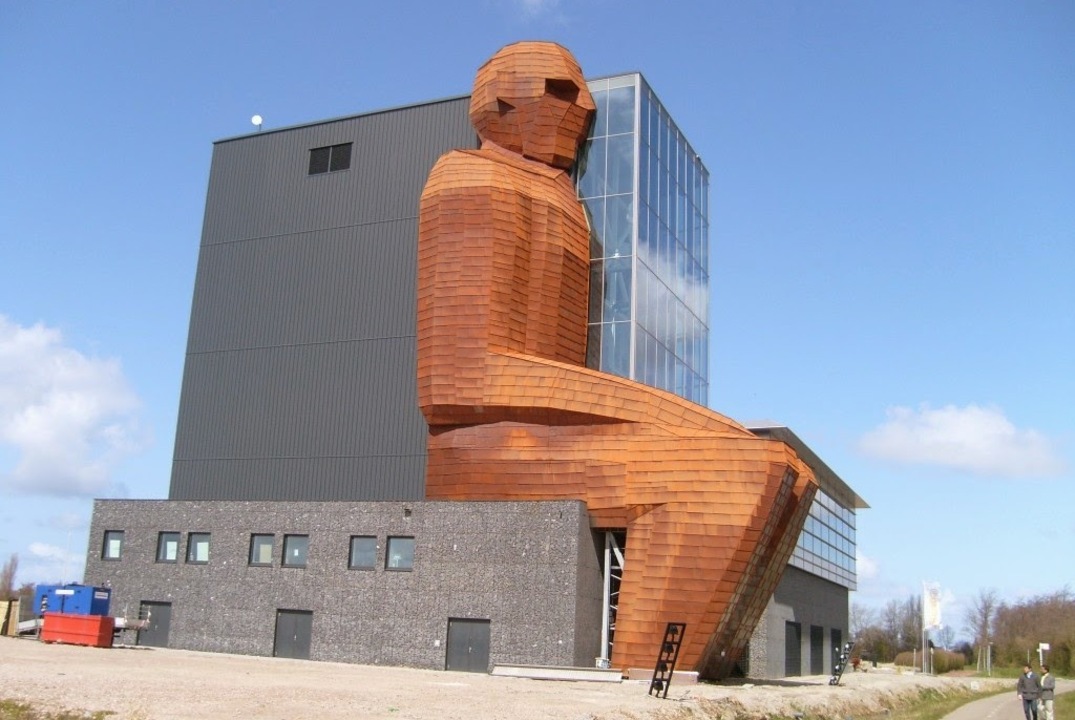
Located near the city of Leiden, the Corpus Museum of Human Anatomy is hard to miss. It is a 35-meter-tall orange man sitting on a two-story platform. After taking an escalator up to the knee, visitors enter the body through a wound in the leg. The aim of the tour is to teach people about their own anatomy.
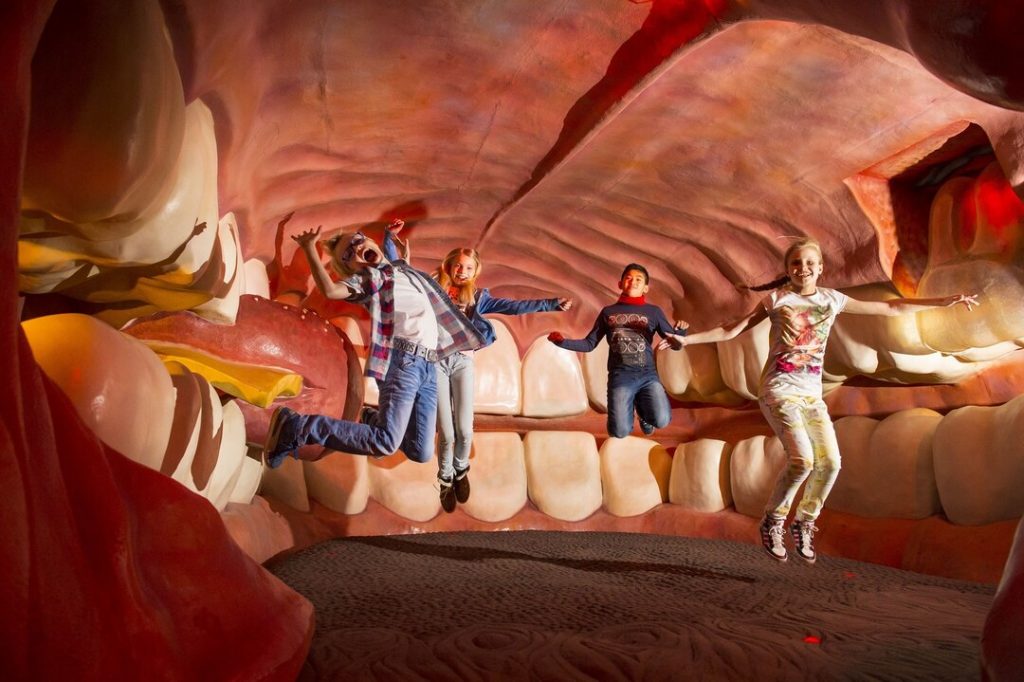
The museum is equipped with modern technology and is more like an exciting 5D attraction. The rooms look like the inside of an organ. You can witness the digestion of a sandwich and even jump on the tongue. All this is accompanied by sounds that are characteristic of the process in the body.
Various interactive activities are provided for children, allowing them to understand how different parts of our body function through play.
Tickets can be purchased on the official website for €21.95.
Cup Noodles MuseumCupNoodles Museum), Yokohama, Japan
Instant noodles are so popular in Japan that they have even been named the greatest invention of the 20th century. With such a title, it would be a sin not to create a museum. It is dedicated not only to the noodles themselves, but also to their creator, Momofuku Ando. It was he who invented the very first instant noodles, Chicken Ramen, in 1958.
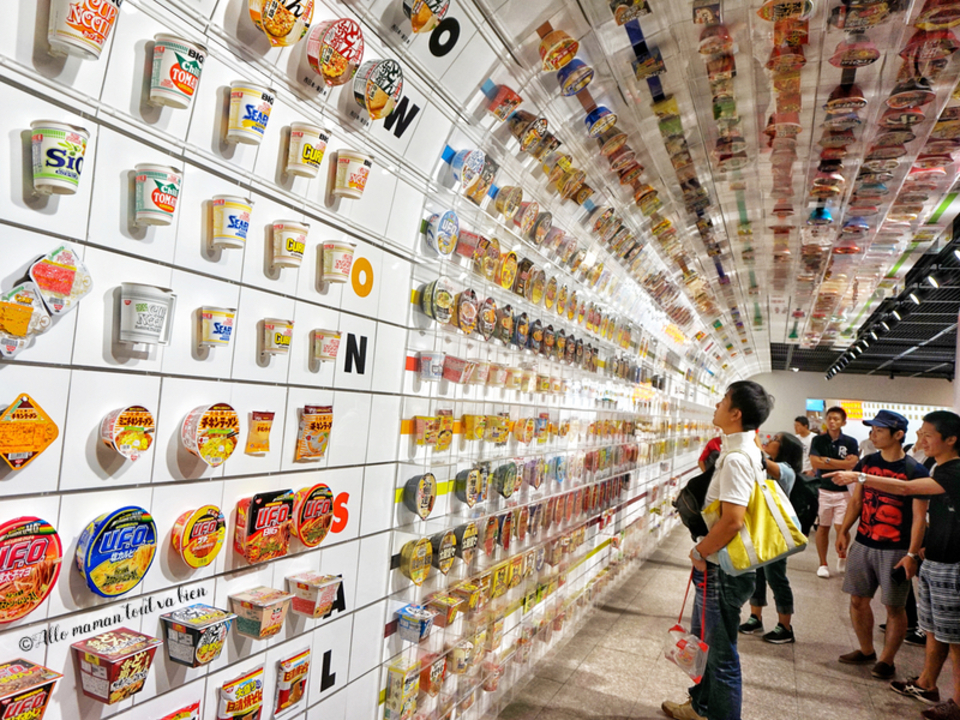
There is plenty to do on the museum's four floors. First, you will find yourself at an exhibition featuring over 3,000 examples of instant noodles from around the world. There is a cinema, as well as a room that accurately recreates Momofuku's house, where he conducted his experiments. The museum wants to convey the idea that you don't need money or technology to invent something remarkable.
An entire obstacle course made of noodles has been designed for children, where they can learn about the entire cooking process in a playful way. Adults can cook and take home their own unique instant noodles for just 300 yen (6.5 rubles). There is also a café and a souvenir shop.
The ticket price is 500 yen (10 rubles).
Museum of Enduring Beauty, Malacca, Malaysia
This museum may not be the most popular, but it is certainly one of the strangest and most eerie. The exhibition features exhibits that reflect beauty standards from ancient times to the present day in different cultures.
When you see what girls were subjected to in order to be considered beautiful, it's a little horrifying. For example, foot binding to reduce the size of the foot. This painful procedure was accompanied by bone fractures and in some cases led to disability. However, the prestige of a bride depended on the size of her feet. How about skull deformation, neck elongation with rings, or filing down teeth? These are just a few of the many tortures.
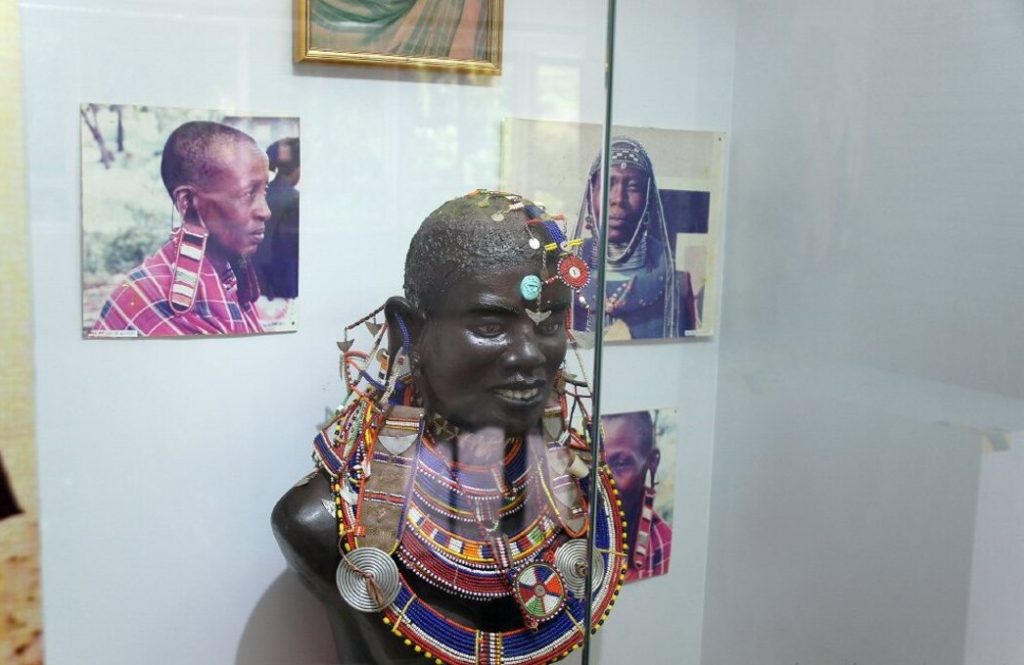
All of the techniques presented in the beauty museum are still used in many regions and tribes. Although some methods may be considered barbaric, the museum allows visitors to view beauty from different perspectives.
Ticket price: $0.5