
I hope you have already had a chance to visit the exhibitions from our previous selection? Because we are continuing and adding to the list with the next ten most unusual museums in the world. It will be funny, scary, and even a little disgusting.
Micropia, Amsterdam, Netherlands
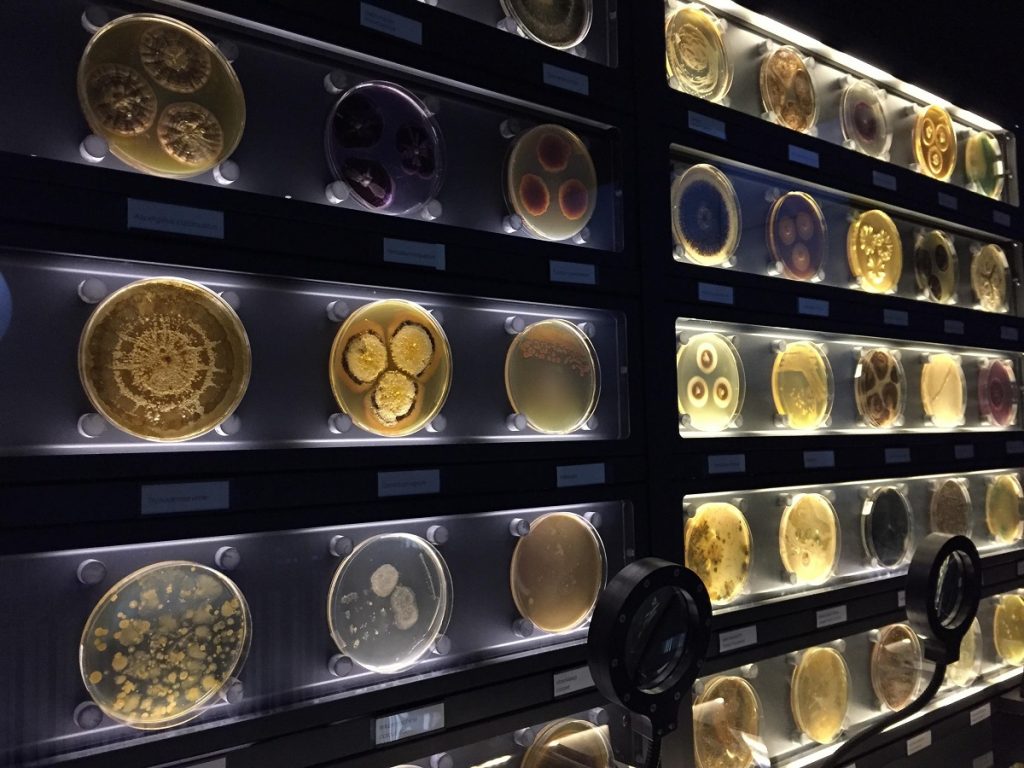
Want to visit microbes? Easy! The Micropia museum is a great place to get to know these inhabitants of our planet. The aim of the exhibition is to present microbes in the best possible light.
They are usually associated with disease. In fact, microbes can be not only harmful, but also beneficial.
All exhibits are divided into several categories. These are mainly microbes that participate in the fermentation process of products and are also part of vaccines and viruses. Perhaps the most amusing exhibit is "Mouth to Mouth." After seeing it, kissing no longer seems so sweet.
Meguro Parasite Museum, Tokyo, Japan
I recommend eating before visiting the exhibition, because you may lose your appetite for a while afterwards.
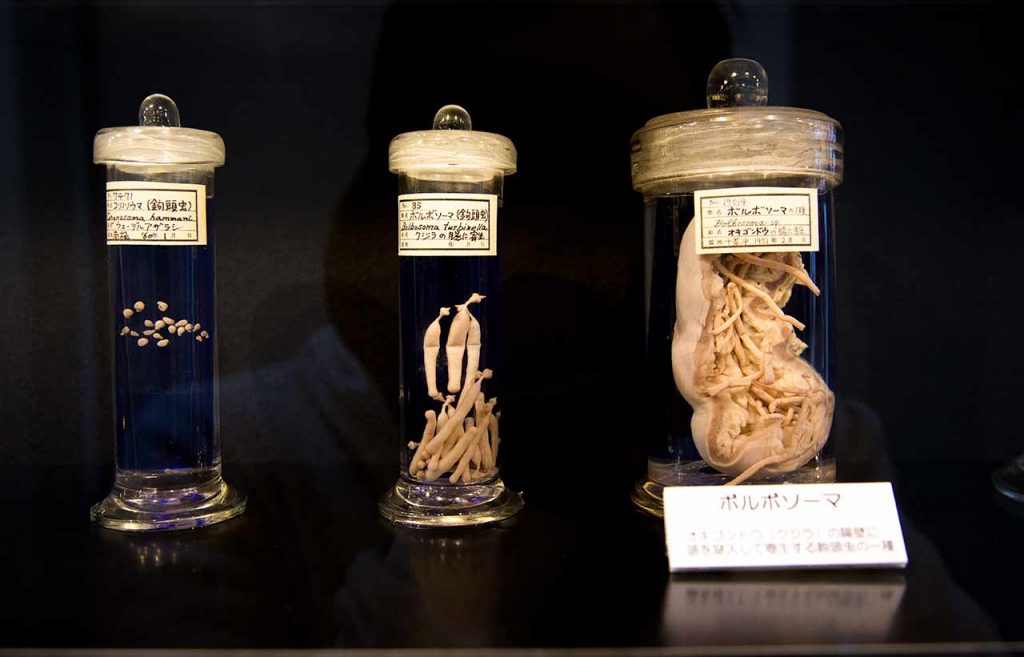
The museum building houses more than 60,000 specimens of parasites. Most of them are located in the research laboratory on the upper floors of the building.
On the first floor, three hundred glass bottles filled with formalin contain parasites and their animal carriers. This exhibition shows the diversity of small pests. There is plenty to see here: from common roundworms and tapeworms to parasite eggs and malaria samples. The second floor of the museum displays exhibits that can infect humans, including those from domestic animals.
Who came up with the idea of creating such a place? Dr. Satoru Kamage, MD. In the 1950s, when hygiene in Japan left much to be desired, he began his "hunt" for parasites. He simply traveled around Japan and collected samples. And now, more than half a century later, the museum can be visited completely free of charge. Those who wish to support the museum can buy souvenirs: shopping bags, T-shirts, and all kinds of badges, not what you might think.
Sulabh International Toilet Museum, New Delhi, India
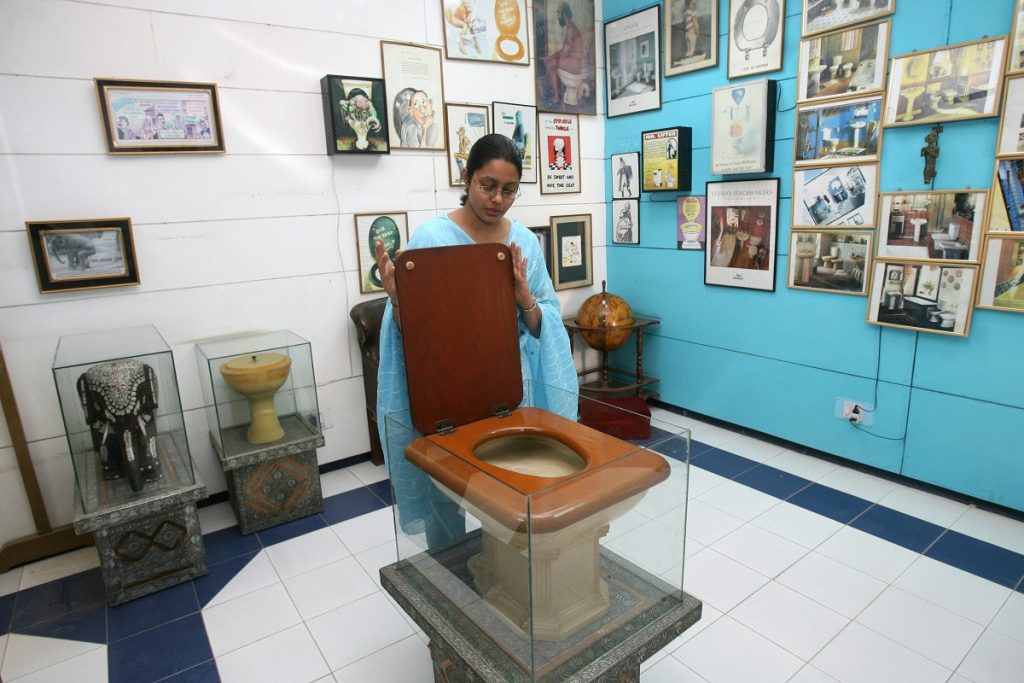
Since we are talking about hygiene, we should not ignore the toilet museum. Such exhibitions operate all over the world. One of them is located in India and is part of the Sulabh International social service organization. It was founded by Dr. Bindeshwar Pathak, who became a reformer in his country. He focused his efforts on improving sanitary standards and hygiene for all segments of the population.
The museum introduces visitors to the evolution of sanitary conditions over thousands of years. There, you can also learn about technological advances in sanitation, customs, and legislation. Naturally, the exhibition features examples of toilets dating back to ancient times.
International Spy Museum, Washington, D.C., USA
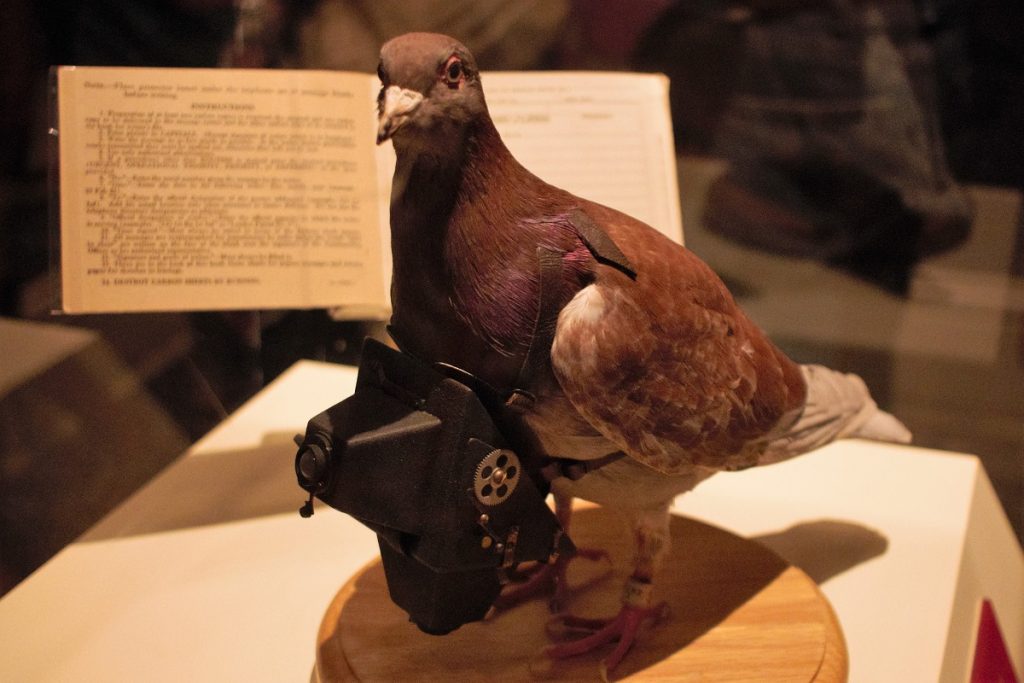
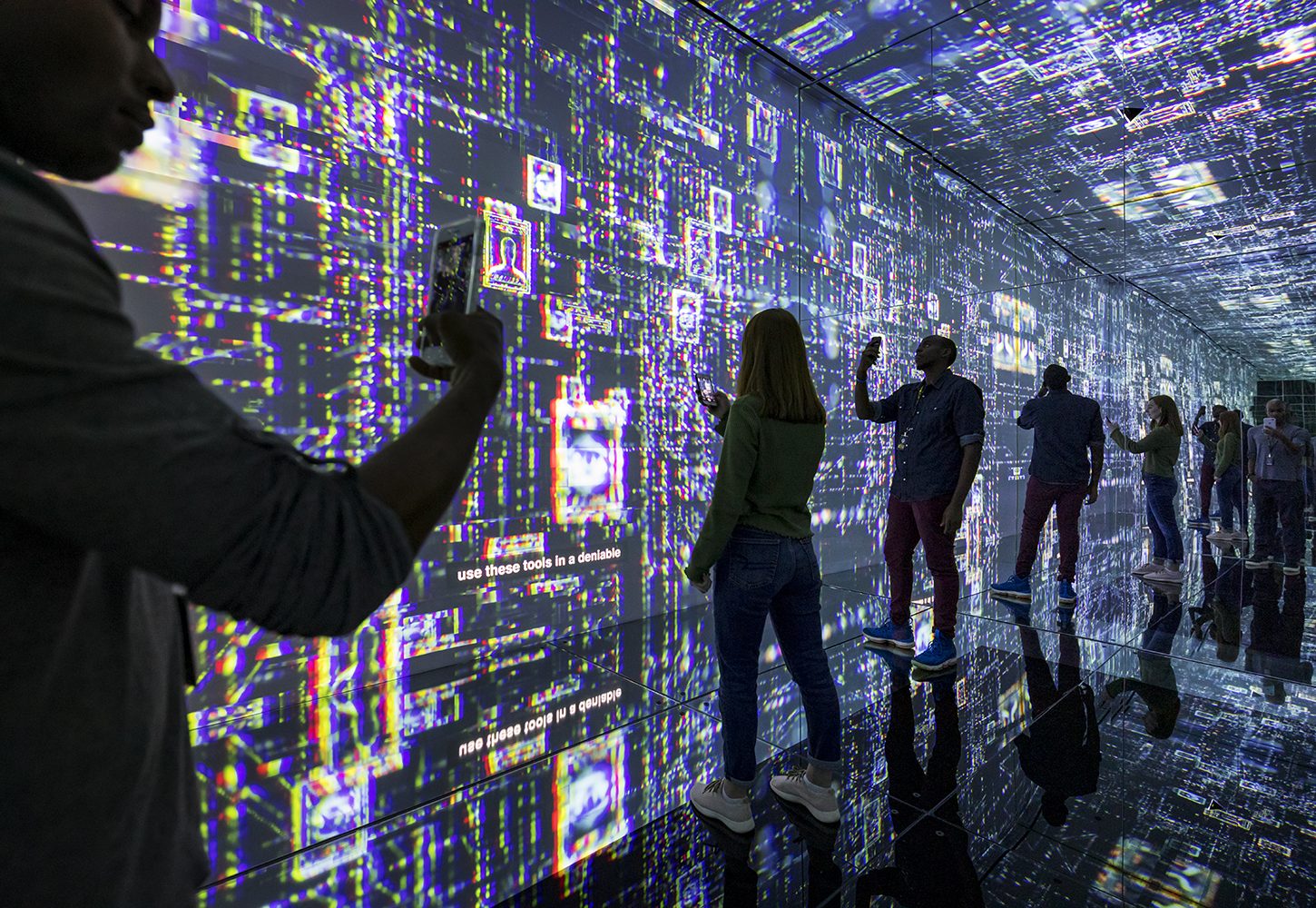
Want to feel like a spy? The International Spy Museum can help you do just that. Here, visitors can playfully explore the world of secrets and intrigue behind the scenes of politics. Of course, no one is going to put objects and documents that are still classified on public display. But the museum has a large collection of exhibits and artifacts. Thanks to them, you can understand the influence of intelligence operations on world history. In addition to photographs and documents obtained by spies, the exhibition features encryption machines, counterfeit currency, disguised weapons, mini-cameras, radio transmitters, and even hiding places.
There were also pop culture items from movies and shows. For example, Mission: Impossible or The Avengers. Here you can find a lipstick-shaped gun and a replica of the Aston Martin DB5.
For active visitors, there is an interactive exhibition, something like a quest, during which you can try on the role of a secret agent.
The Mummy Museum, Guanajuato, Mexico
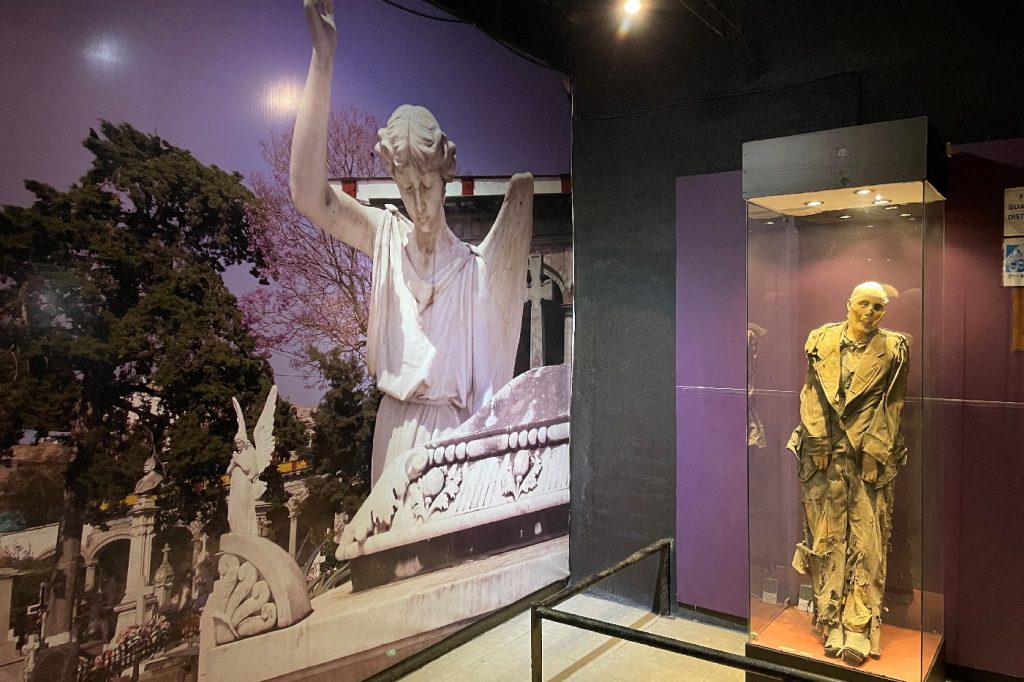
In the Mexican mummy museum, you will not see the usual luxurious sarcophagi with the bodies of rulers and wealthy people neatly laid inside them. Although the remains found were buried in coffins and the crypts with them were walled up, all other mummification processes in this area were carried out by nature itself, not by human hands.
Apparently, that is why the mummies here are gloomy and eerie, put on public display without the right to rest in peace. Despite this, there are always crowds of people eager to gaze at the remains and even take a couple of photos with them.
Therefore, a museum was opened at the burial site. It displays more than a hundred mummies, mainly former residents of Guanajuato from the 19th and 20th centuries. The museum also boasts the smallest mummy in the world.
The Dog Collar Museum, Broomfield, United Kingdom
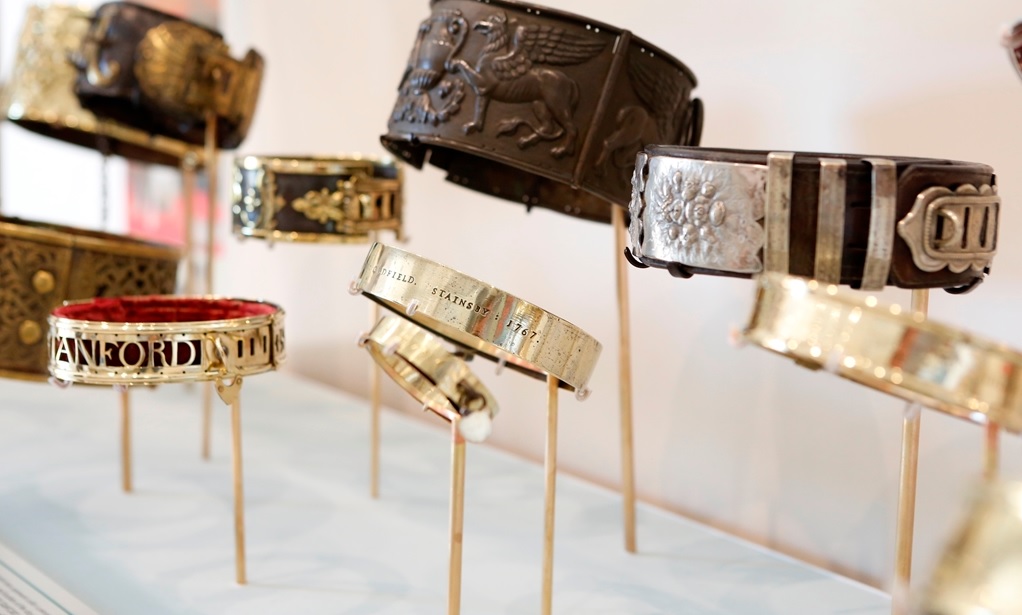
This unusual museum was established in the former stables of Leeds Castle in Bromfield, England, almost 50 years ago. Its founder, Gertrude Hunt, opened the exhibition in memory of her late husband. Both were avid collectors with a penchant for unusual items.
And this is truly a unique collection of dog jewelry. The oldest item is a collar belonging to a Spanish mastiff that lived at the end of the 15th century. The collection includes more than 130 rare and rather expensive collars, ranging from iron ones topped with sharp spikes to luxurious ones covered in gold plating.
This museum is ideal for dog lovers of all ages. But the question of whether it is possible to visit Archie the Airedale Terrier's museum to see what kind of collar his great-great-grandmother wore remains open.
Avanos Hair Museum, Avanos, Turkey
Not far from Cappadocia, which we talked about here, with its Martian landscapes, lies the small town of Avanos.
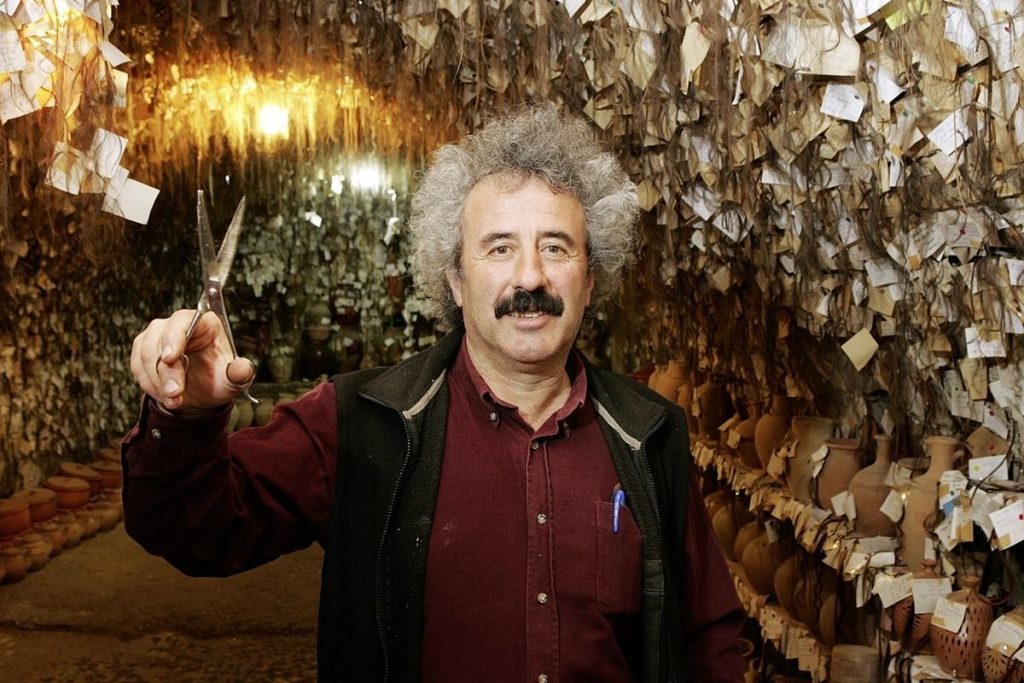
Its history, linked to pottery, dates back several thousand years. However, an unusual museum, opened by potter Chez Galip in a shop below his workshop, has become popular with tourists. The walls of the room are covered from top to bottom with locks of women's hair of different colors and lengths.
According to the legend that the master tells visitors, he was saying goodbye to a close friend and asked her to leave him something as a memento. The friend could think of nothing better than to cut off a lock of her hair. The potter placed it on the wall of his workshop and began to tell this story to all visitors. Women who were touched by Cheza's story also began to leave their hair as a memento.
But there is another reason why women are so willing to leave not only their locks, but also their contact details. Once or twice a year, a competition is held to select the best lock of hair. Its former owner receives an invitation to relax at Cheza Galepa's guest house and attend his master classes on creating ceramic products.
The exhibition first opened in 1979. Currently, more than 16,000 specimens adorn the museum walls, earning it a place in the Guinness Book of World Records.
Ready to go to the "hair cave"?
Museum of the Odd, Lawrence, USA
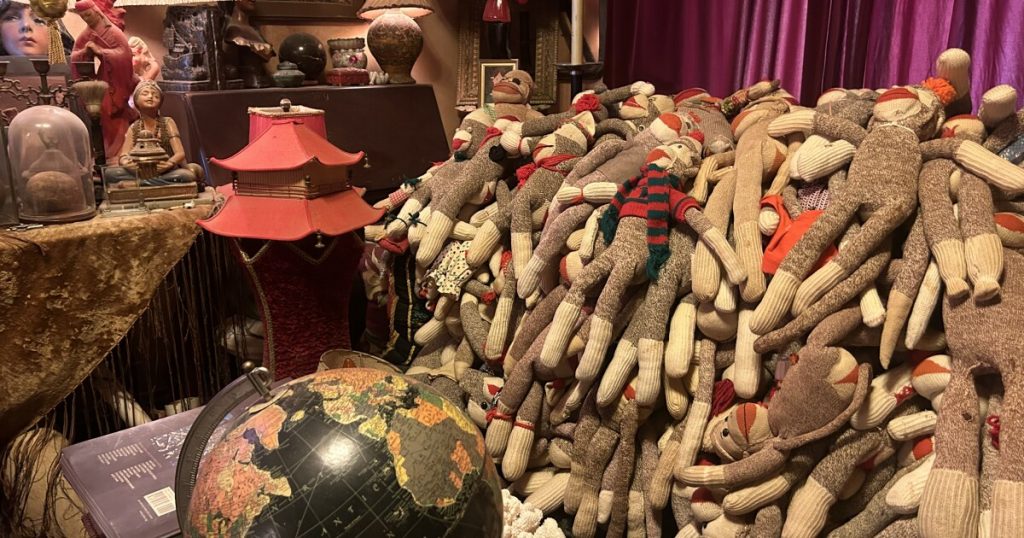
Randy Walker from Kansas has been collecting things since he was 12 years old. Several decades later, he opened a museum in his home. However, the main requirement for items in the collection is that they must be slightly strange.
In addition to items made "from nothing," such as monkeys made from socks, little people made from bottle caps, or flowers made from aluminum cans, the museum also displays items belonging to famous people. For example, Bob Barker's toothbrush, Elvis Presley's underwear, hair, and toenail, and Charles Manson's autograph.
The collection includes interior items made from animal limbs, photographs of dead people in coffins, clumps of cow hair, and even elephant excrement with an image of Adolf Hitler. Walker responds to some of the hate directed at the museum's exhibits by saying that everyone has the right to express themselves as they see fit.
The Museum of Broken Relationships, Zagreb, Croatia
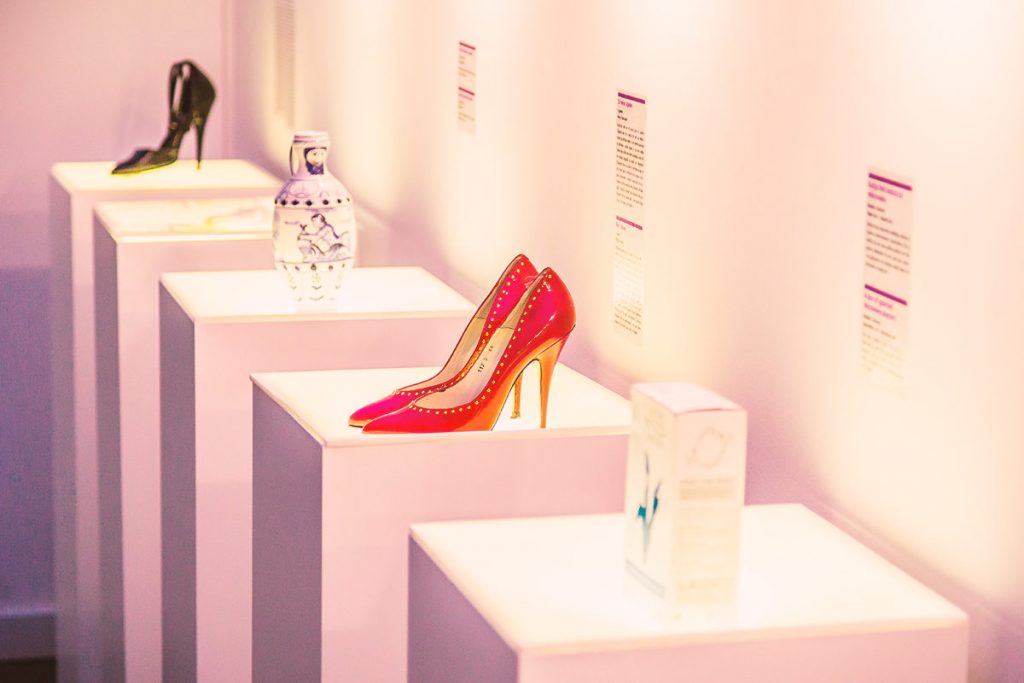
For solace for a broken heart, Croatia is the place to go. Initially, the Museum of Broken Relationships was a traveling museum, but as its collection grew, it settled in Zagreb. Its exhibits are personal items or gifts from exes, accompanied by a brief history of the item.
The idea to create the museum came from a couple from Zagreb who had broken up and jokingly wanted to create a storage facility for their belongings after their separation. But the joke got out of hand and grew into a real museum.
Franz Kafka Museum, Prague, Czech Republic
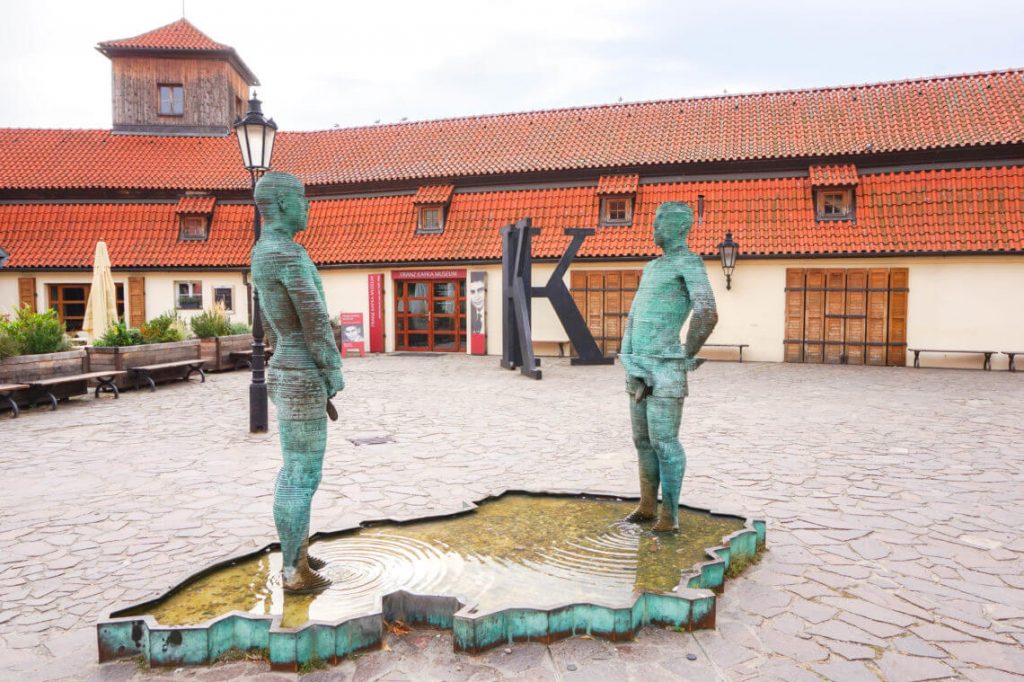
Museums dedicated to outstanding personalities and their activities have become quite commonplace. But what if that personality is Franz Kafka, known for his chilling books about paranoia, purgatory, and various horrors?
Upon entering the museum, visitors are greeted by sculptures of two urinating men standing in a bowl, the outline of which resembles the borders of the Czech Republic.
The museum itself is divided into two exhibitions. The first displays items from the author's real life, his manuscripts, and photographs. The second is "Kafka's fictional world." It is gloomy, with eerie installations from his stories. For example, there is a replica of the torture machine from the story "In the Penal Colony."
To complete the experience, the exhibition is accompanied by moans, barely audible whispers, and the rustling of a pen on paper, as if Franz Kafka were still working on a new story. Read about other things to see in Prague here.