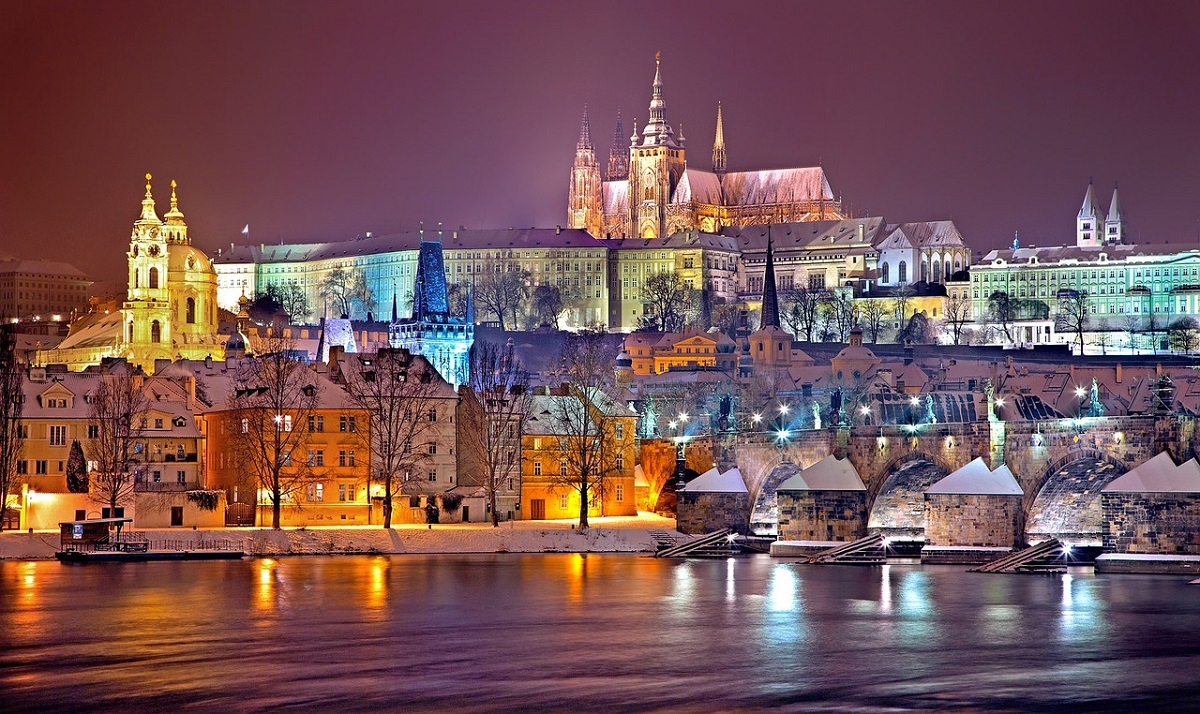
"City of a hundred spires", "stone dream", "Mrs. of Bohemia" - all these flattering names are given to Prague, the capital of the Czech Republic. Since Soviet times, it has been coveted by tourists from the USSR. To visit it meant to be practically in the "West".
Nowadays, the Czech Republic is incomparably more accessible. And we can see for ourselves that our parents dreamed of this country for a reason. Its rich history and attractive modernity have given birth to a tourist center of the world scale. For now, let's talk about history: what ancient monuments of Prague should be included in the itinerary.
Why Prague?
It is wrong to think that dreams of Prague are cherished only by Eastern European tourists. At the level of genetic memory they aspire to the Czech Republic, to close the gestalt of their parents. The capital of the Czech Republic attracts not only millions of Western Europeans with its beauty, but its fame has spread across the Atlantic.
In 2000, Prague was the first city in Central Europe to receive the title of the EU Capital of Culture. The historic city center is a UNESCO World Cultural Heritage Site. Those who are tired of the "stone jungle" will discover an impressive hilly panorama. And those who want to feel the unique spirit of the city, I advise you to get lost in the medieval streets and answer for yourself the question: is the old city really imbued with mysticism? And is it not for nothing that Prague was favored by alchemists for their experiments hundreds of years ago?
Prague Castle
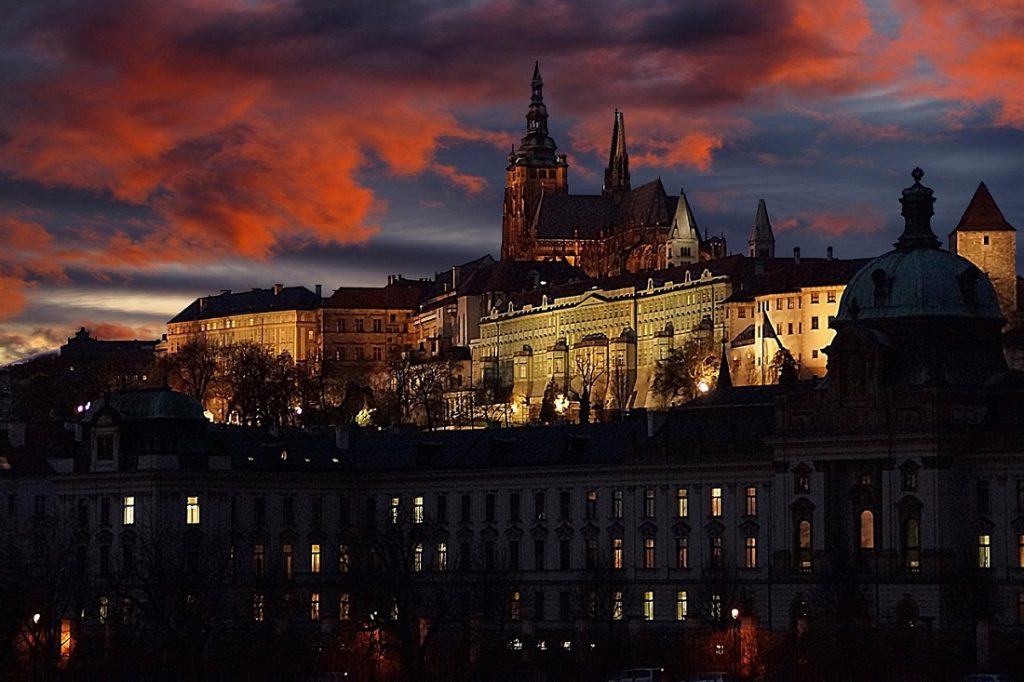
First question about Prague Castle: what to see? This largest castle complex in the world is a national symbol of the entire Czech Republic. Throughout its more than thousand-year history, Prague Castle has been the residence of Czech princes, kings and later presidents of the Republic. At the time of Charles IV, it even became the residence of the Holy Roman Emperor. To emphasize the new status, the roofs of the castle towers were covered with gold plates. According to one version, this extravagance gave rise to the name "Zlata Praha". According to another, Prague owes this name to the irrepressible alchemists who tried to turn mercury into gold.
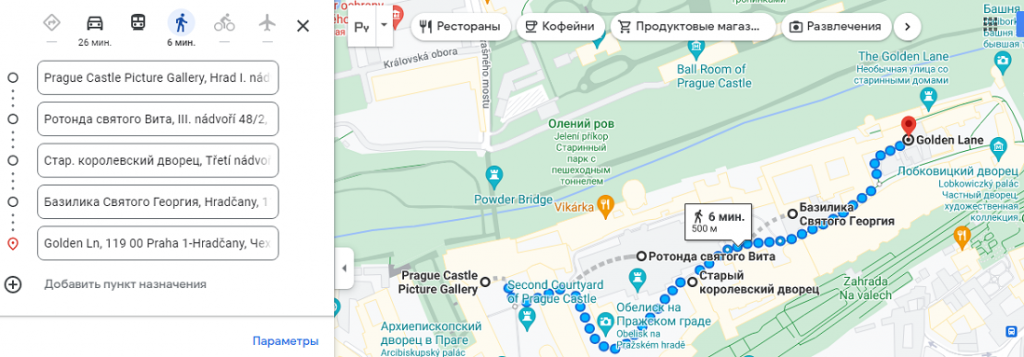
It is worth remembering that there is a fee to visit Prague Castle: an adult ticket costs 250 CZK ($12). The ticket allows you to visit most of the attractions inside the complex. Here are some of them.
St. Vitus Cathedral
If Prague Castle is the national pride of the Czech Republic, the Cathedral of St. Vitus, Wenceslas and Vojtech is the spiritual symbol of the Czech nation. Many Czech kings and archbishops are buried here.
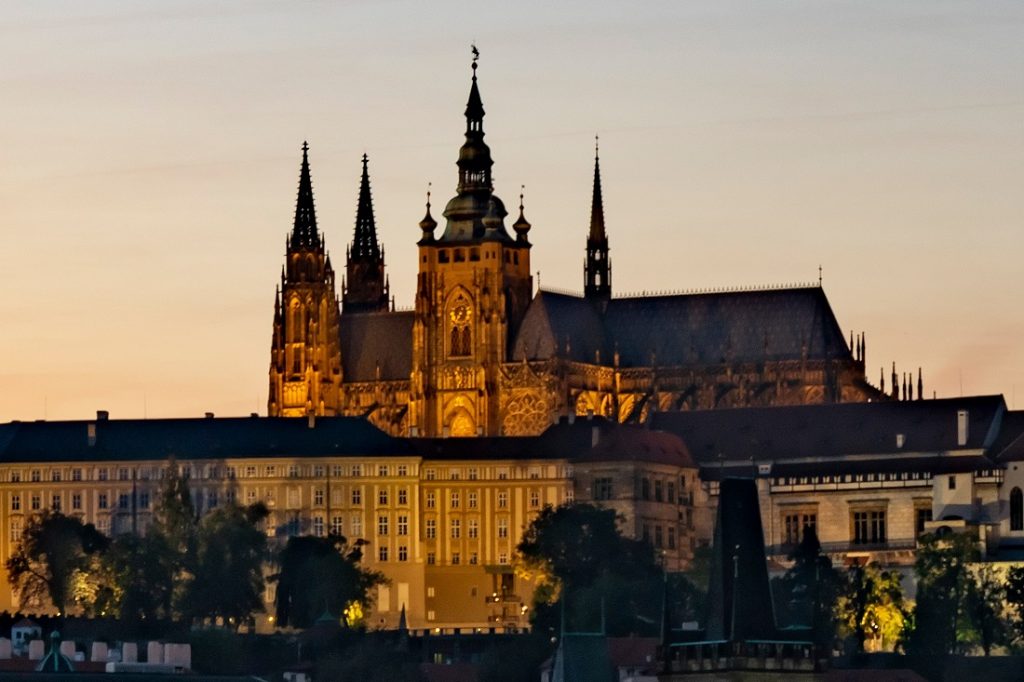
St. Vitus Cathedral is also one of Europe's major construction projects. Its construction, which began in 1344, was delayed until 1929. The Czechs used the 600 years of construction wisely and built a pearl of European Gothic architecture.
During the winter season, the cathedral welcomes visitors from 9 a.m. to 4 p.m. (Sundays 12 to 4 p.m.), during the summer season from 10 a.m. to 6 p.m. (Sundays 12 to 5 p.m.). Detailed practical information here.
The old royal palace
The second most popular place where tourists usually rush to when they get to Prague Castle is the Old Royal Palace. It is a peculiar symbol of Prague. From the 10th to the 16th century it served as the residence of princes and kings.
The most famous part of the palace is the Vladislav Hall, named so in honor of King Vladislav II Jagiellon (yes, yes, a relative of the Lithuanian Grand Dukes). The most famous part of the hall itself is the unique lily-shaped vaults.
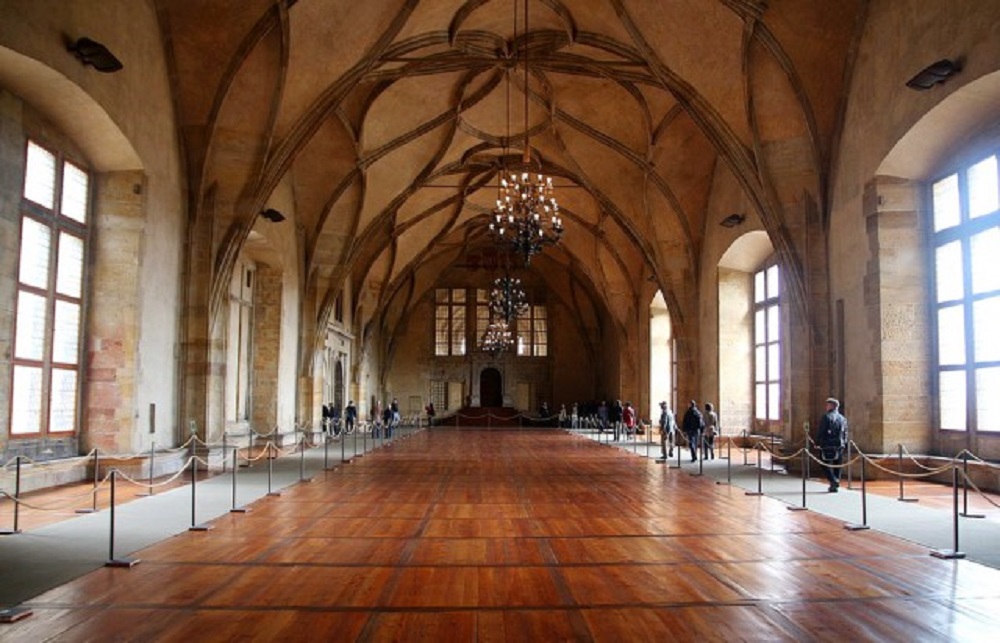
Vladislav Hall is called the largest ceremonial room in Europe. Thousands of banquets and even knights' tournaments were held here. It was designed in such a way that even a mounted knight could climb the stairs and pass through the vaults.
St. Jiri's Church
It is the second oldest church in Prague, founded around 920, and a rare monument of Romanesque architecture. The remains of the first Czech martyr, Princess Ludmila, are kept in the church.
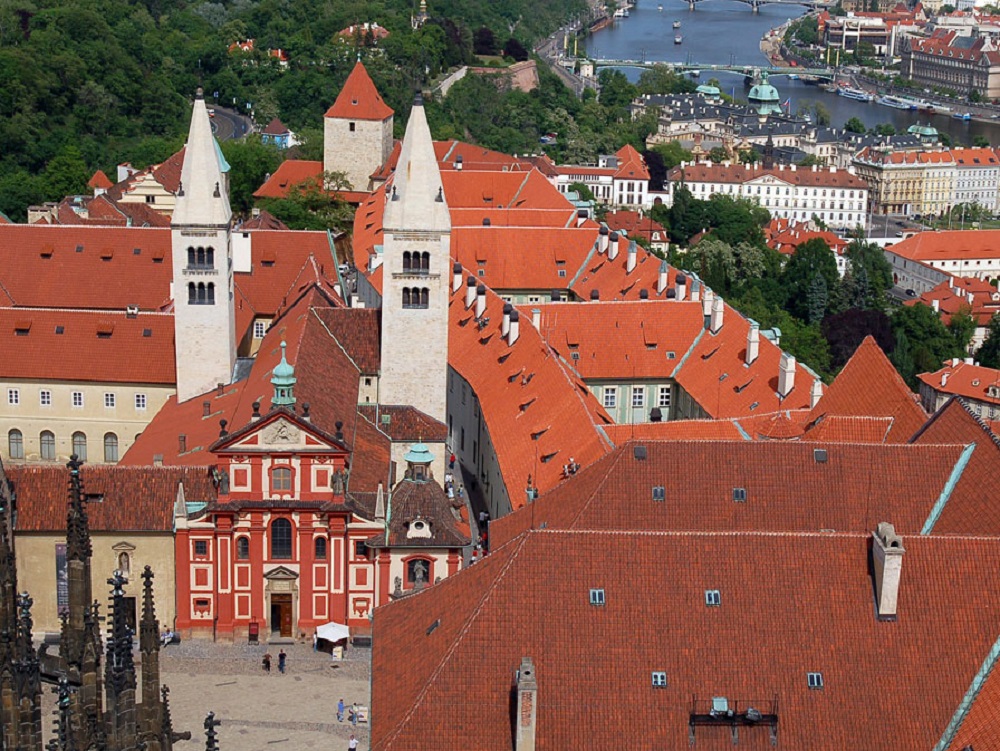
The design of the architects who built the temple is curious. On both sides of the temple are white, 41-meter high towers. The wide one is called Adam, and the narrow one, inclined by 40 centimeters, is called Eve.
Picture Gallery
At one time, the collection of paintings in Prague Castle was one of the richest in Europe. It owes its appearance to Emperor Rudolf II. At the time of the benefactor's death, the gallery had 3,000 exhibits.
Centuries and vandals have not spared the masterpieces. Some of them disappeared without a trace, others were taken to other countries. But the Czechs are actively restoring the art collection, where today you can see Titian, Rubens, Cranach and Brandl.
A general hail ticket is not enough to visit the gallery. You need to buy a separate one, which costs 200 crowns ($10).
Golden Lane
Some would compare the Golden Lane of Prague Castle to an ethnographic museum. And some will compare it to a puppet town. Both are right. This old Prague street consists of dwarf two-storey houses that house either souvenir vendors or small expositions showing the everyday life of Czechs from different eras.
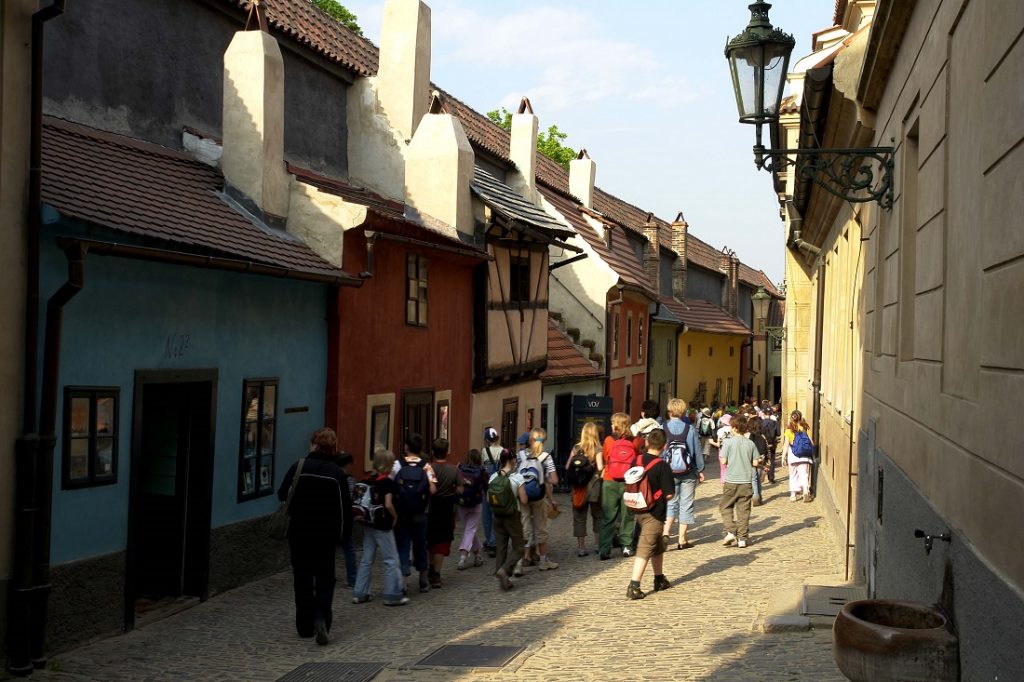
Lifehack. After 18:00, the houses on the street are closed and there is almost no trade. However, you can pass freely without buying a ticket to Prague Castle. If you already have one, the street is included in the tour program.
What else is there to see in Prague Castle?
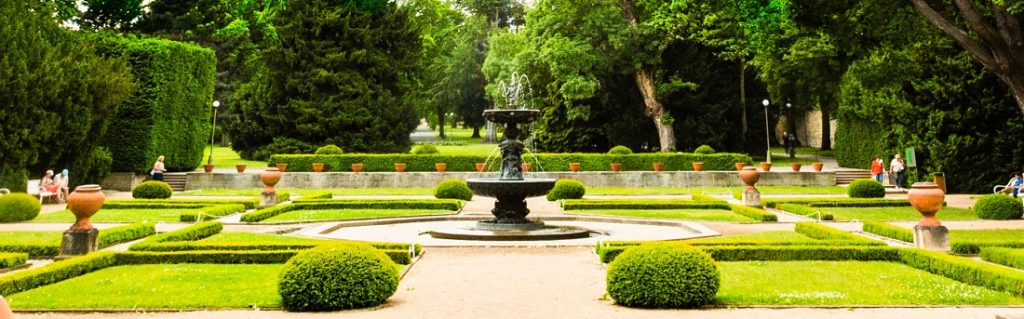
Weather permitting, visit the hail gardens, home to the Renaissance Singing Fountain.
Romance will be dispelled by a visit to Daliborka, an 18th century prison. Inside there is a museum with instruments of torture. Daliborka is adjacent to the Golden Lane.
The list of palaces in the castle is not limited to the Old Royal Palace. The Rozemberk Palace, the New Royal Palace and the only private Lobkowice Palace are also worth a visit.
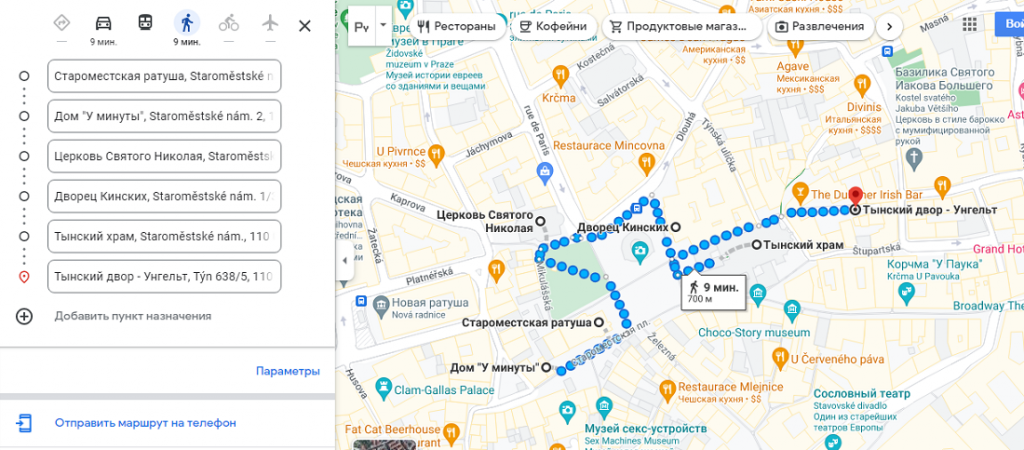
Old Town Square
Let's go to the other place of monuments of antiquity. The image of this square has been progressively created since the 12th century. Therefore, the buildings framing it form an open-air museum of eras. The Town Hall with its entire appearance will tell us about the essence of Gothic, the Church of St. Mikuláš will initiate us into the mysteries of Baroque, and the Kinský Palace will present the rare Rococo. Let's take a closer look at each of them.
Town Hall
Town halls in the Middle Ages were sacred objects for any self-respecting city. After all, it is a symbol of its freedom, the place of the meeting of the city magistrate (what is called the ancient city executive committee).
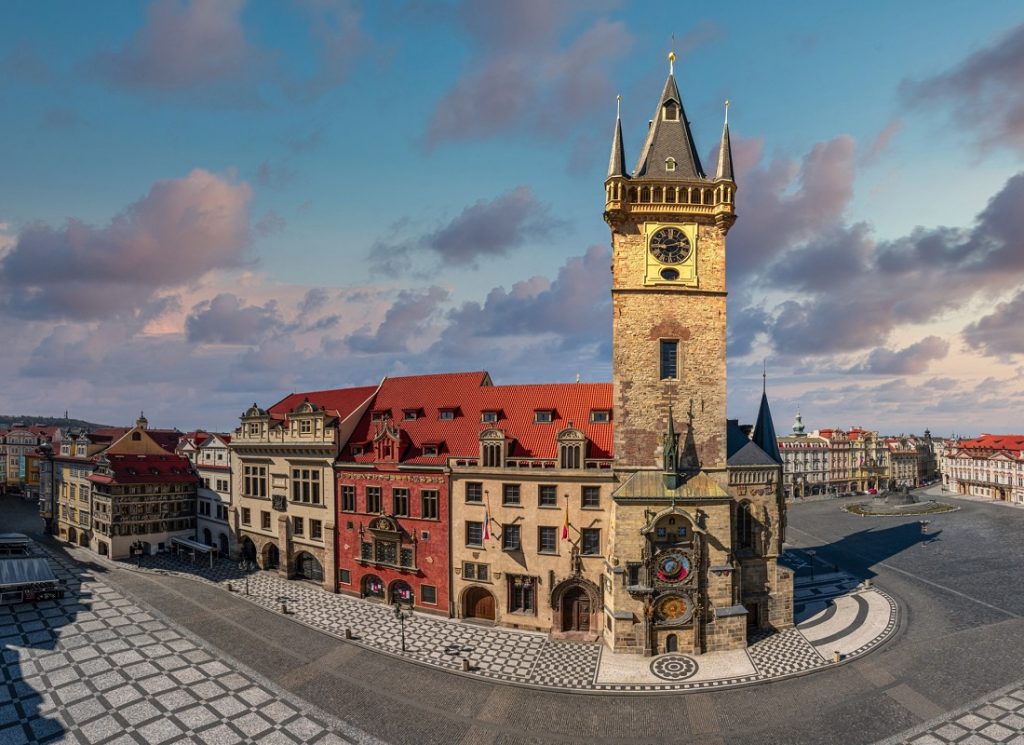
The first mention of the Old Town Hall dates back to 1338. The restless magistrate clearly had a taste for perfectionism and was constantly adding things to it. The result was a whole town hall complex, which does not harm the aesthetics at all.
From January to March, the Town Hall is open from 10 to 20 hours. In other months from 9 to 21. A visit is not cheap - 300 crowns ($14). But the ticket includes a climb up the observation tower.
- Getting to know Prague: What to see on your first visit
- Almost Imperial City: a guide to Budapest - see Pest
- Romanian Frankenstein: a guide to Bucharest
- Top 10 most beautiful castles in Germany
Orloi
The most famous "update" of the Town Hall was the astronomical clock(Prague Chimes or Orloj). It is the third oldest astronomical clock in the world (first mentioned in 1410) and the oldest clock still in operation.
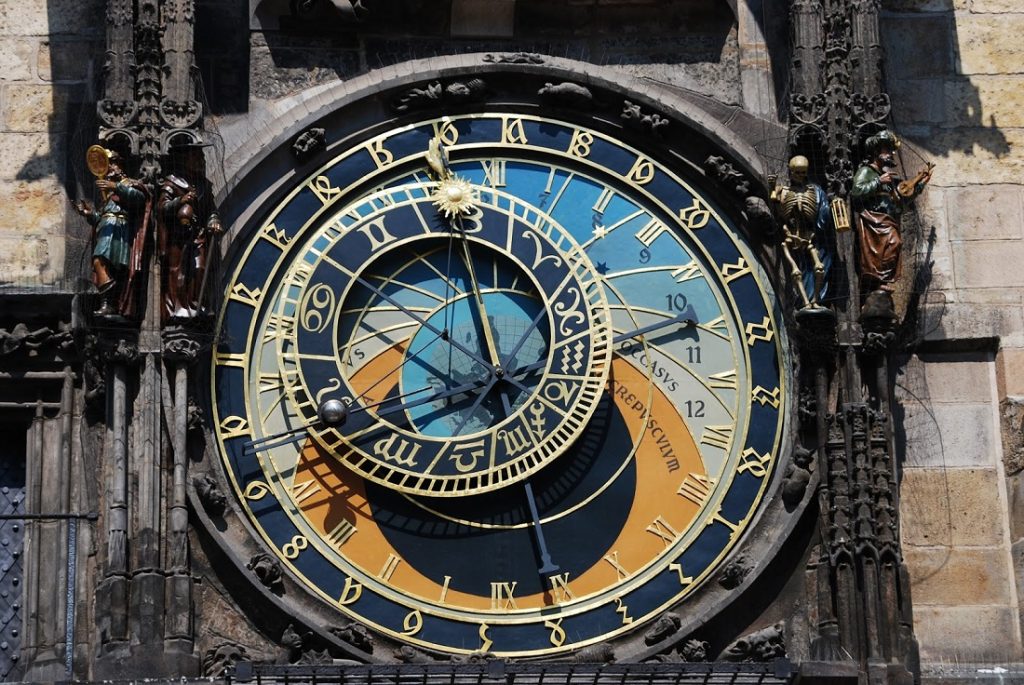
Unlike today's soulless smartwatches, the work of the Prague Eagle is a real theatrical production. In the center of the watch is a dial that shows Old Bohemian, Babylonian, Central European and sidereal time, the time of sunrise and sunset, the position of the Sun and Moon among the constellations of the zodiac, and the phases of the Moon. On the sides of the dial are moving figures, among which you can find Death itself. At the top there are two windows in which the figures of the 12 apostles are shown at the time of the chimes.
Church of St. Mikulasz
The Baroque church appeared on Old Town Square in 1727. Czechs are particularly fond of telling a legend about one of the frescoes inside the church.
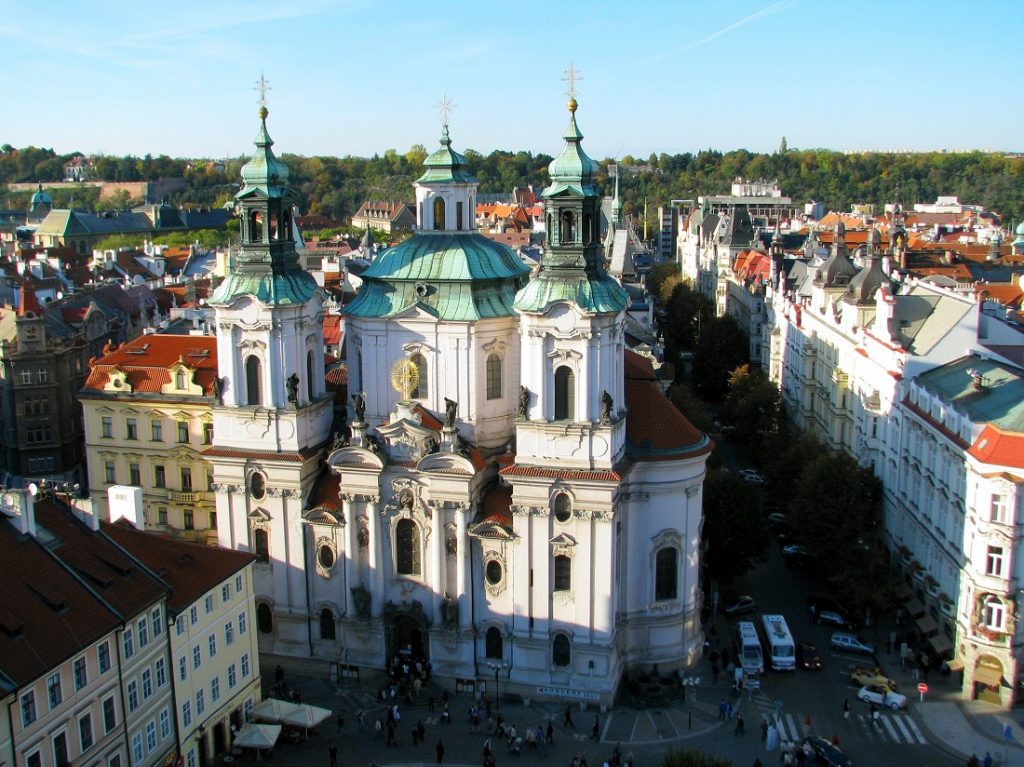
According to legend, the interior decorator wanted no one to peek at him while he was painting. But one of the monks was so curious that he went to watch the master at work. He hid behind a column of the temple. The painter noticed him and, as punishment, drew on his ceiling fresco a figure lurking behind the column. When the monks saw the finished fresco, they laughed at their negligent colleague.
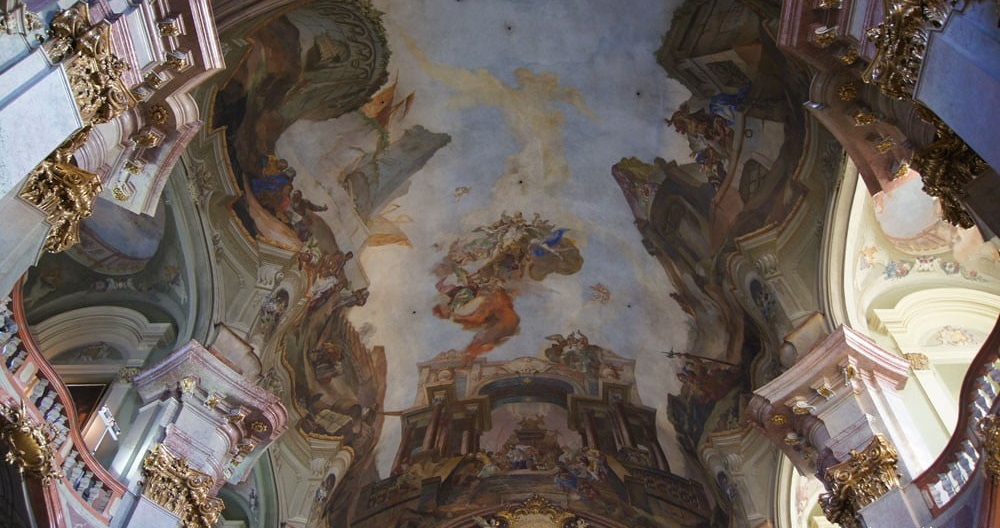
You can see the fresco by paying 70 kroner ($3) for a ticket. The church is open to tourists from 9 to 5 in summer and to 4 in winter.
Týn Church (Church of the Virgin Mary)
The main basilica of the Old Town Square, which was built over 160 years, is the main basilica not only because of its ecclesiastical role. But also because of its place in the folklore of the citizens of Prague. They will tell you a lot of entertaining legends connected with the Týn Church.
For example, why a golden bowl was taken away from the main statue of the temple in the 17th century. Rumor has it that the storks that settled on the statue used the bowl as a "foundation" for their nest. When they had chicks, the storks began carrying frogs into the bowl to feed the young. One of the frogs escaped a sad fate and fell out of the bowl... right on the nobleman's head. He could not stand such a joke and ordered the bowl with the nest to be removed. The legend is beautiful, but the reality is more prosaic. The bowl with the inscription "Truth wins", as a symbol of the Reformation, was removed by the Jesuit Catholics who took possession of the temple.
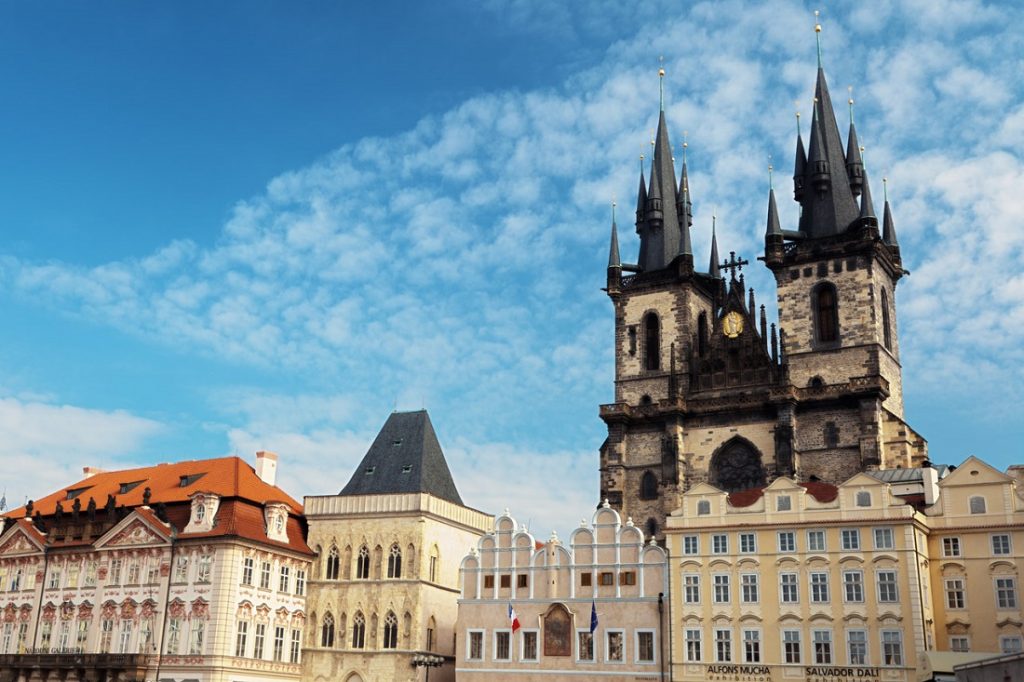
The great astronomer Tycho Brahe was laid to rest in the temple. There's another legend connected with the tombstones, by the way. Many of them are broken. It is a matter of Czech superstition, bordering on vandalism. According to old beliefs, stepping on a tombstone could get rid of a toothache. People will do anything for free medical services.
Entrance to the church is conditionally free: it is recommended to leave a donation of 40 crowns ($2). Free admission is very limited: from 10 am to 1 pm and from 3 pm to 5 pm.
What else is there to see on Old Town Square?
When going to the Týn Church, you are unlikely to miss the statue of Jan Hus, which is located facing the religious shrine. Hus is a Czech national hero and religious reformer.
One of the oldest parts of the Old Town is the Tyn (Ungelt) - the courtyard behind the square. From ancient times, a protected merchant quarter was organized there.
The house "At the Minute" or the house "At the White Lion" is attractive not only because of its baroque architecture. But also because the writer Franz Kafka lived there for seven years.
Finally, the Kinský Palace, which today houses part of the exposition of the National Gallery of Bohemia, is worthy of your attention.
Vysehrad
From the other bank of the Vltava River in Prague, Vyšehrad, a competitor for the title of the cradle of Czech statehood, looks proudly and a little enviously at Prague Castle. It was here that the legendary Princess Libuše predicted world fame for the nascent Prague.
This ancient fortress apparently dates back to the 10th century and was the site of the city's oldest landmarks. Many of them have come down to us in ruins. But some will definitely please the eye.
Basilica of St. Peter and Paul
According to legend, the basilica was founded in the 11th century on the model of the Roman church of St. Peter and St. Paul. It is difficult to say how faithfully the builders managed to realize the original idea. Because the Czech church has been rebuilt many times over its centuries-long history.
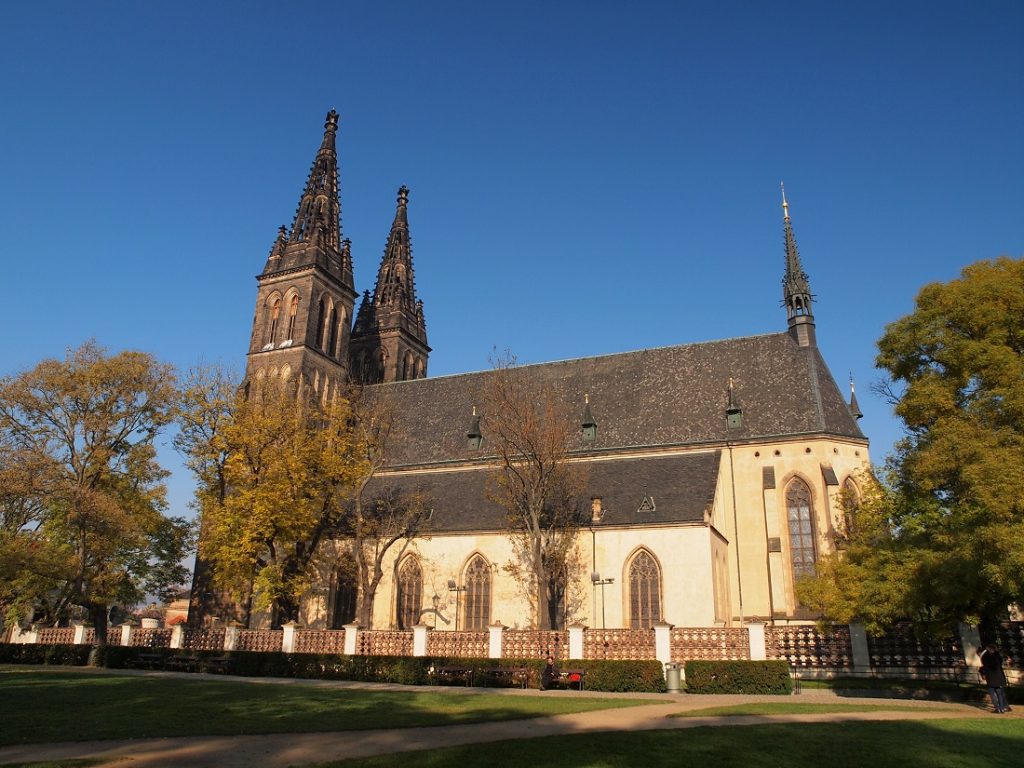
Another beautiful legend is also difficult to verify. That the first Czech king Vratislav I brought the first 12 baskets of stones to lay the foundation of the church. One fact remains immutable: Vyšehrad began in many ways with the Basilica of St. Peter and St. Paul.
There is a fee to enter the temple according to Czech tradition - 130 crowns ($6). Opening hours vary from day to day and can be viewed here.
Doves and casemates
We should not forget that Vysehrad was created not to please the eyes of travelers, but primarily as a fortified settlement. And its fortifications were constantly improved. One of the stages, from the 17th century, was the erection of casemates.
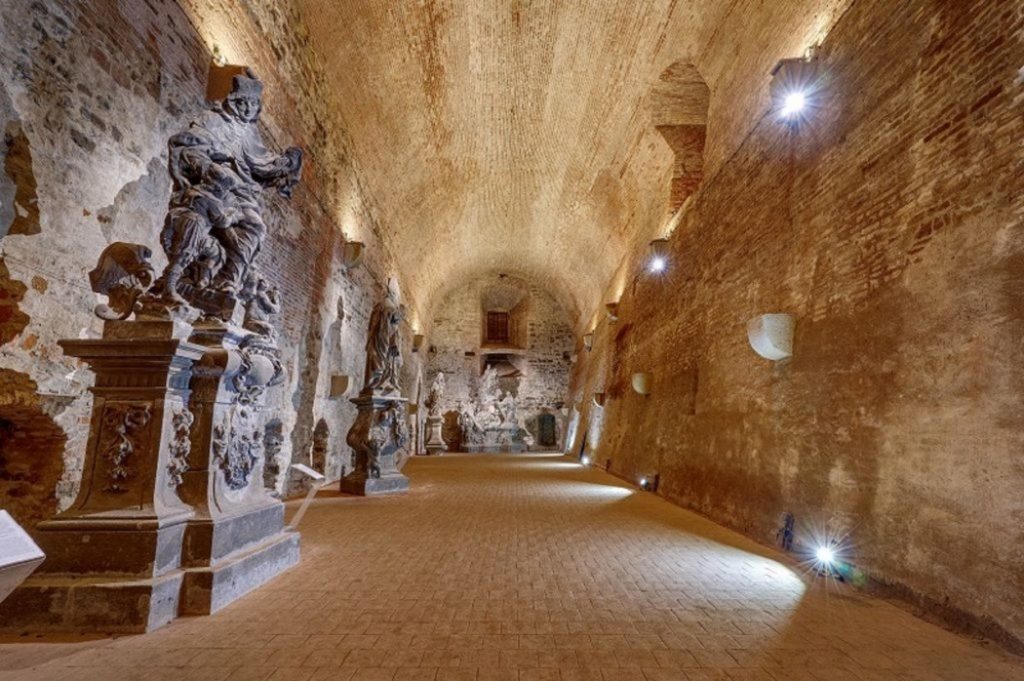
The casemates stretch for a kilometer. And the most famous of them is the Gorlitsa, a 12-meter-high hall that houses six statues of the Charles Bridge.
The casemates await visitors from 9 a.m. to 6 p.m. The cost is 90 kronor ($4).
What else?
Vyšehrad's attractions also include the 11th century St. Martin's rotunda, gardens, Vyšehrad Cemetery and Slavin. The latter two are the resting places of the most famous and revered Czechs.
Charles Bridge
The Charles Bridge has become a free glimmer of light in the darkness of the Prague authorities' greed. At least something in the Czech capital can be seen for free. And this something is something!
Charles Bridge is the oldest surviving bridge in Prague and a hallmark of the capital. The foundation stone was laid by Emperor Charles IV on July 9, 1357 at 5:31 am. Pedantic precision has a special meaning: if you write down the digits 1 3 5 7 (year) 9 (number) 7 (month) 5 3 1 (time), you will get a pyramid, the top of which is the digit 9.
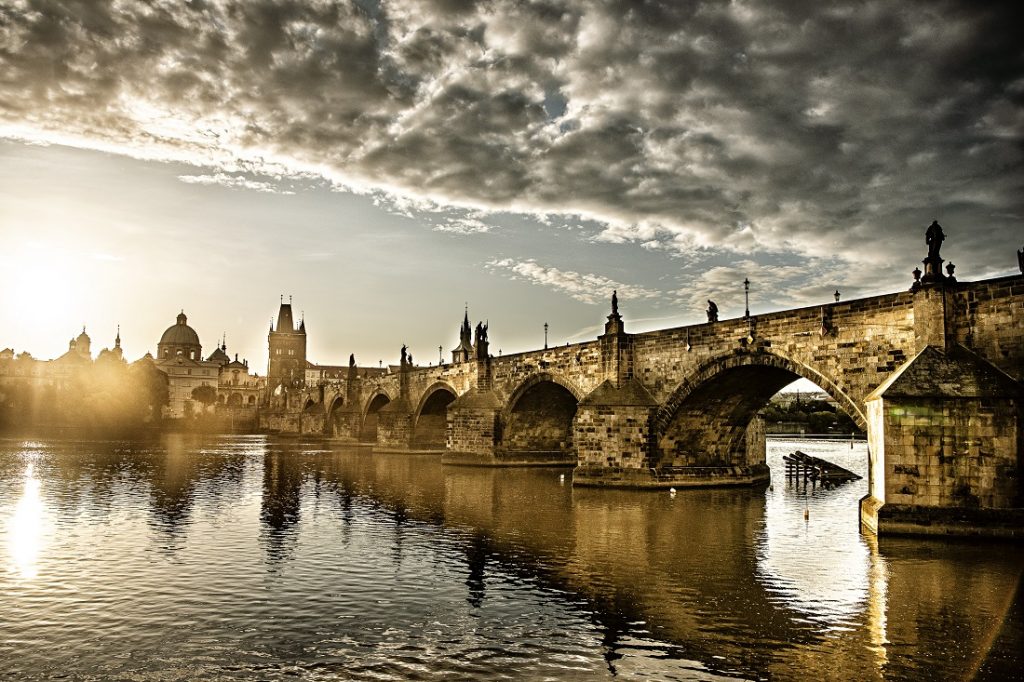
Charles Bridge would not be itself without its statues that have made it world famous. There are 30 of them and each one has its own story, which you can read on the Prague's tourist portal..
Dancing house
Prague is not just old and dilapidated. In this beautiful guard of veterans, who have fought centuries of battles for their existence, there is also one gormless youngster that tourists are eager to see. It's the Dancing House.
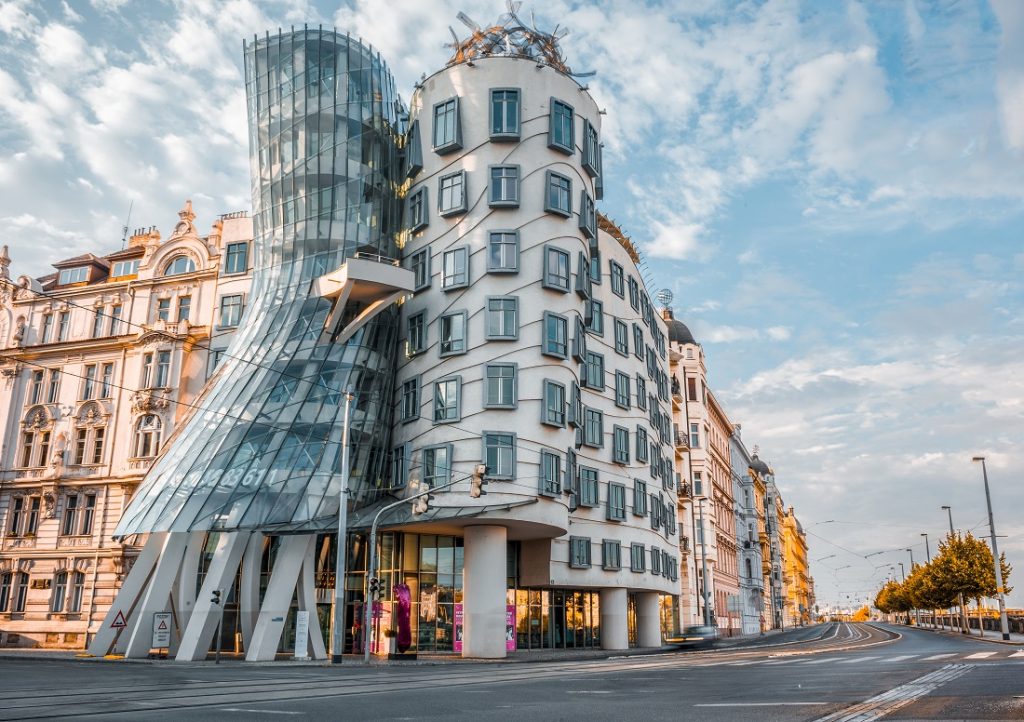
The house is a deconstructivist monument built in 1996. One of its two cylindrical parts symbolizes a male figure and the other a female figure with a thin waist and fluttering skirt. On the way out we have a dancing couple, perhaps the most famous in the Czech Republic.
If you have already fallen in love with the sights of Prague, then keep in mind the experts of Madera Travel will help with tour selection и visa application.