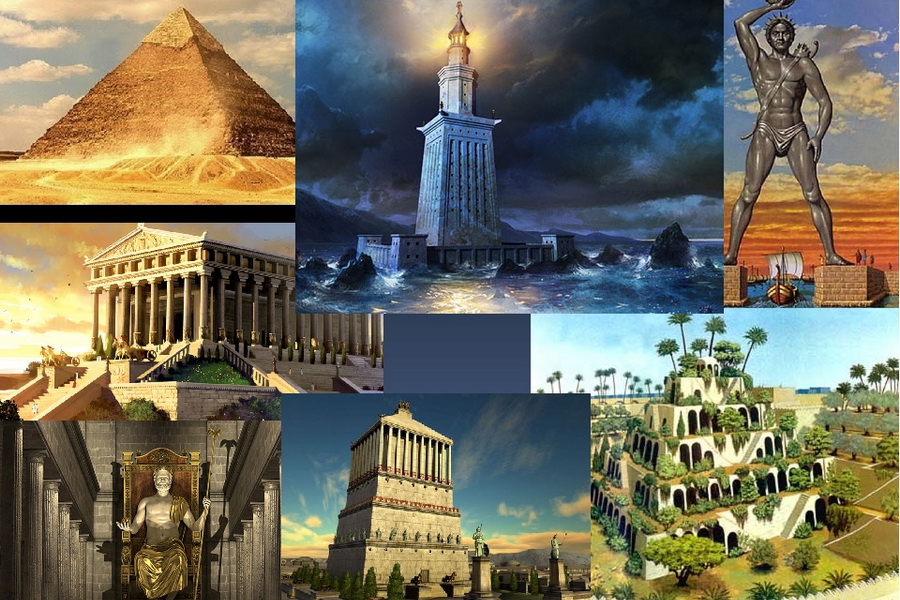
There are a lot of beautiful and unusual places in the world, created by both nature and human hands. So how many wonders of the world exist and when did they appear? The most ancient structures included in the list of 7 wonders of the world, appeared in antiquity. Unfortunately, due to cataclysms, many of them have not survived. Only the pyramids of Cheops "survived" to our days. How did the rest looked like and what is now in their place? We tell you in this material.

The Pyramid of Cheops
It's hard to realize, but the huge Egyptian structure was erected around 2560 BC. We can only guess how many people were involved in this project. According to scientists, the count is in the hundreds of thousands. The construction took about 20 years.
As a result, the world has a historical landmark 147 meters high (it is believed that it used to be higher, but "sagged" due to earthquakes) and the area of 7 soccer fields! There are many theories about how the construction of the pyramid took place and how the blocks were lifted to the top - the version with aliens also exists! By the way, the weight of the heaviest block is 35 tons. Therefore, we can only speculate how the Egyptians created this masterpiece.
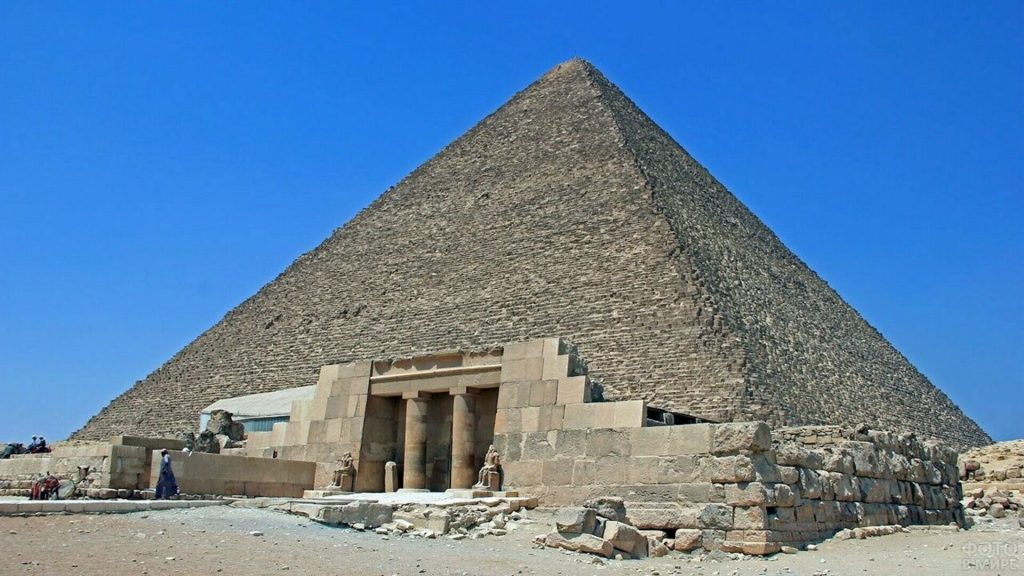
The historical attraction, which is visited by about 3 million people every year, is located half an hour's drive from Cairo. It is in the city of Giza that a large museum complex is located, including three large pyramids, several smaller pyramids, the Sphinx statue and the Temple of the Valley.
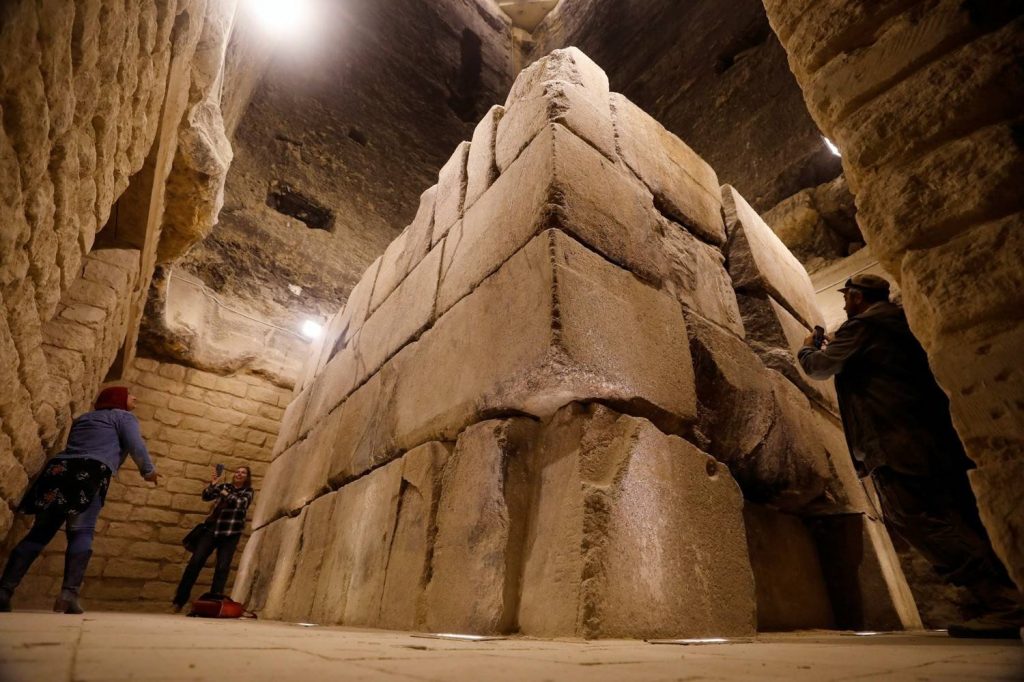
Entry to the site costs 540 Egyptian pounds - that's about $17. The opportunity to go inside the pyramid will cost 600 pounds - $20. By the way, the pyramids of Giza are on our list of 13 placesthat everyone should see. And you can visit these places with sightseeing tours.
The Hanging Gardens of Semiramis
This is a really strange phenomenon, because it is not known for sure whether they existed or not. The location is easier - scientists say that they were located in Babylon. The story of the origin of the name is also mysterious. Under the beautiful name Semiramis hides the queen Shammuramat. She was famous for the fact that she ruled alone, which rarely happened to women in those times.
That's all interesting, of course, but why gardens and why hanging?! In fact, no one was hanging anywhere. According to the descriptions found in the chronicles, it becomes clear that the construction looked like a large stepped pyramid, the four floors of which rose above each other. That is, all the plants were on 4 platforms on columns 25 meters high.
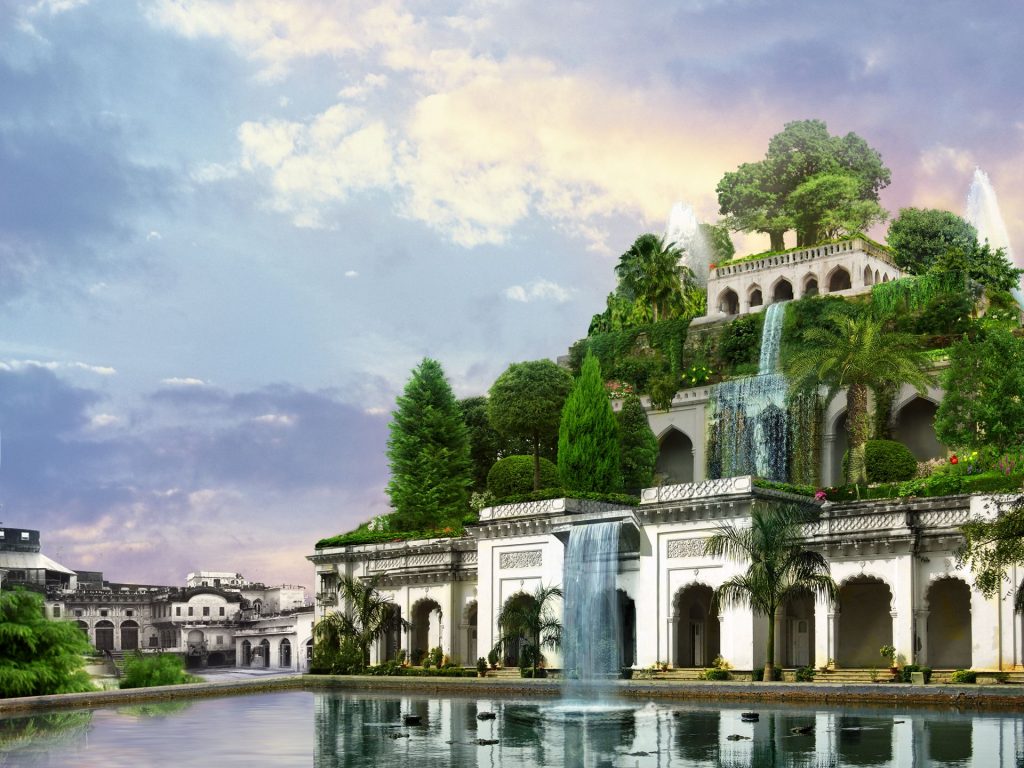
Behind the beautiful exterior picture there was hard human labor. In the middle of one of the columns was a pipe that carried water into the garden. Slaves constantly had to turn a wheel around the perimeter to irrigate the plants. The water first went to the upper tier of the pyramid, from where it flowed through channels to the lower floors.
The gardens are believed to have disappeared due to floods that eroded the foundations and consequently ruined the structure.
Where are the gardens now in the modern world? According to the main version they were near the city of Hilla, which is in the center of Iraq on the Efrat River.
The statue of Zeus at Olympia.
One more not preserved to our times attraction from the list of the Seven Wonders of the World was located in the religious center of Ancient Greece. It was tentatively built in 435 BC.
On the throne sat the god Zeus. According to the descriptions found, his head was adorned with a wreath, in his hands he held a scepter and in the other a statue of Niki, the goddess of Victory.
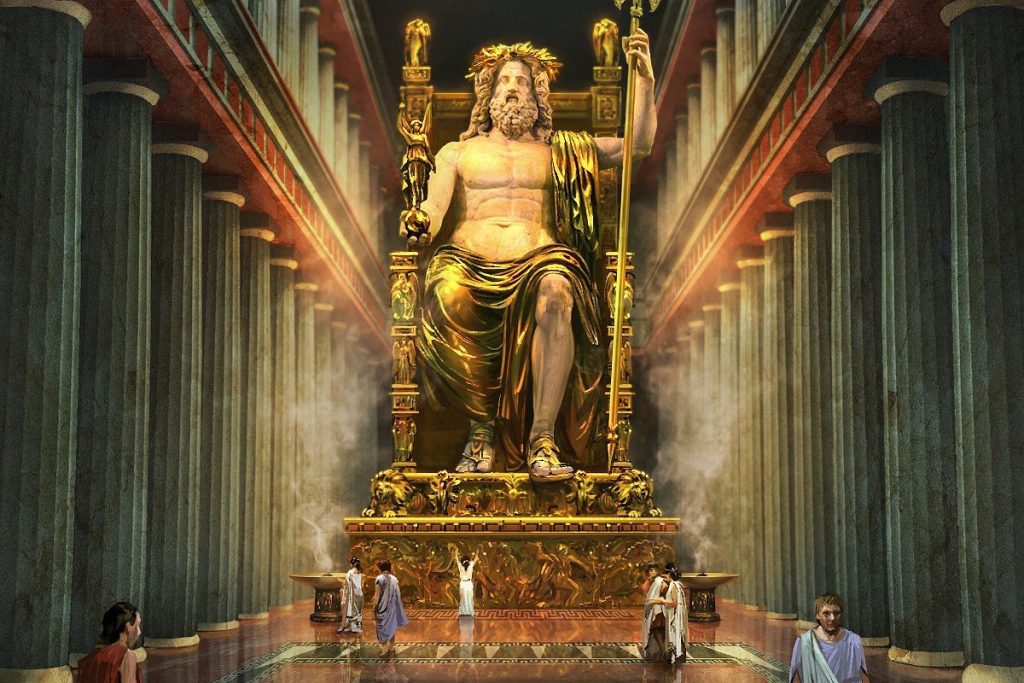
The huge, 15 meters high, monumental sculpture was made of ivory. The god's clothes and accessories were of gold.
It is not known exactly what happened to the wonder of the world. According to one version, the statue of Zeus burned down together with the temple in 426 AD. But! The ruins of the Temple of Zeus and other sanctuaries have been preserved in Olympia, and in the archaeological museum you can see a picture on which the statue of Zeus has been recreated. The entrance ticket costs 12 €.
Temple of Artemis
In the city of Ephesus - now 75 km from the modern city of Izmir in Turkey - a temple was built in the 5th century BC in honor of Artemis, the goddess of hunting and fertility. To understand its grandeur, there will be a lot of numbers: in terms of size in length it reached 115 meters, and in width - about 46 meters. The structure was built for a long time - more than 100 years! The temple had 127 columns with a height of 18 meters, so it really looked very large.
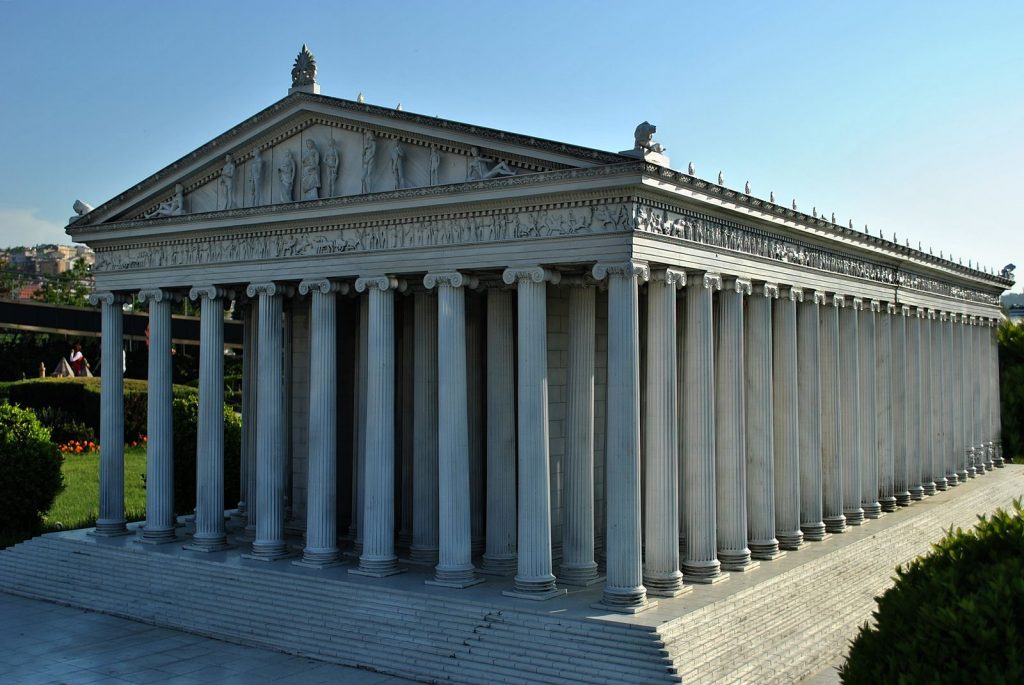
Inside there were various sculptures and paintings and a statue of the goddess herself. Unfortunately, due to various events - first arson, and after rebuilding due to destruction and looting - the temple has not survived to our times. Only ruins remain, which can be viewed on the outskirts of the Turkish town of Selcuk. No entrance ticket is required, as the territory is not guarded in any way. Of the many columns, only one has survived, assembled from the rubble.
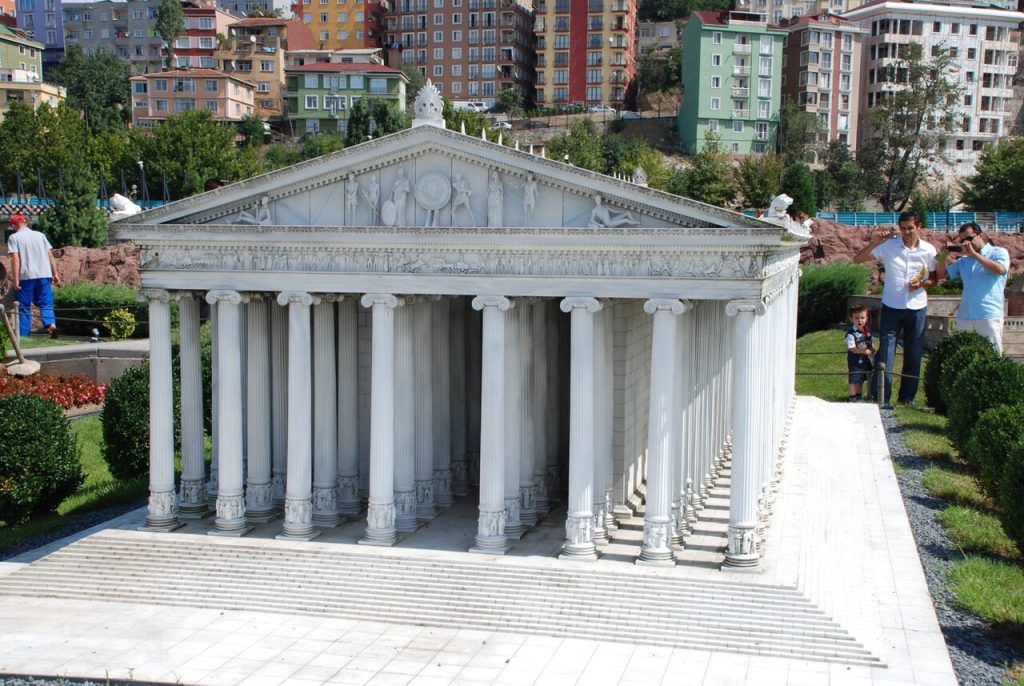
But if you do go to Turkey, in Istanbul, be sure to check out the Miniaturk Miniature Park. For $8.5, you can see the most famous historical and modern sights, including the Temple of Artemis.
Halicarnassus Mausoleum
Bodrum, Turkey is best known to us as a great vacation resort. Few people know that it was here that there was a historical monument, which is included in the list of the Seven Wonders of the World. The mausoleum was built for the ruler - Mausolus. If it seems that Mausoleum and Mausol are consonant words, you do not think. Mavsol is the origin of the word "mausoleum". Let us return to history: it was under Mausol that Halicarnassus (modern Bodrum) reached its highest prosperity.
The three-story building was erected in 350 BC. Its walls were decorated with bas-reliefs depicting military actions. At the top was a chariot driven by statues of Mausolus and his wife Artemisia. Unfortunately, the mausoleum was destroyed by an earthquake in the 14th century.
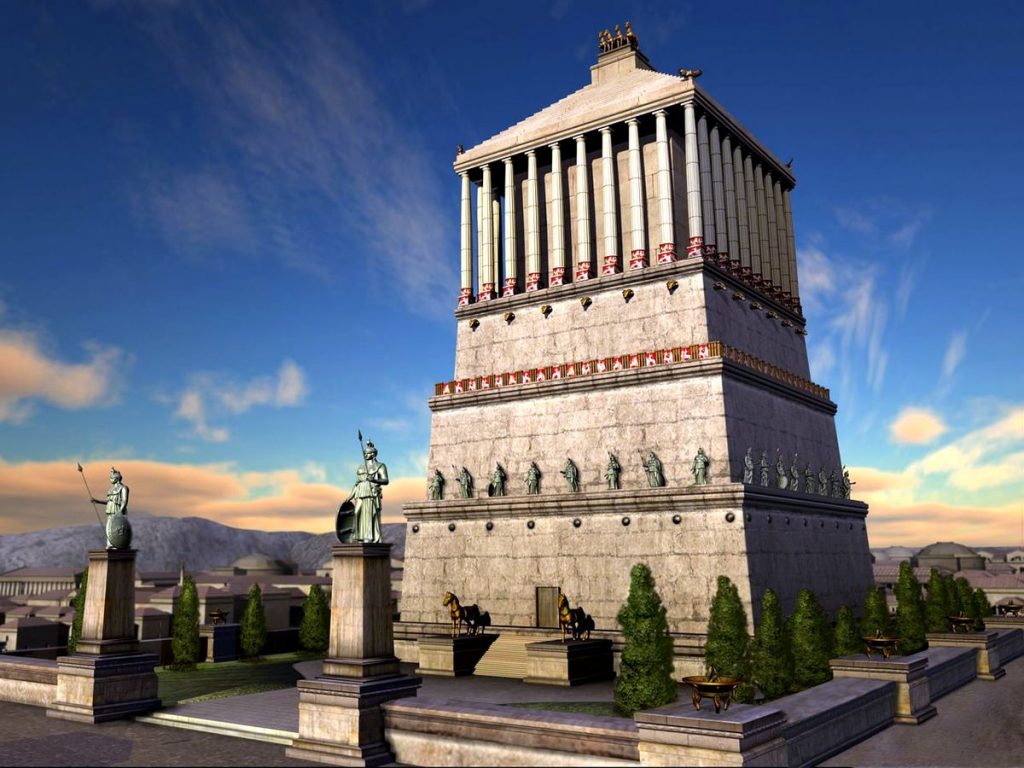
Today, all the ruins can be viewed in a small open-air museum in Bodrum. The entrance ticket costs almost $2.50. By the way, more sightseeing tours are offered by Belarusian tour operators.
The Colossus of Rodovski statue
First, let's understand that Colossus is not the same as the name of the man immortalized in the statue. From Greek, this word translates as something majestic, large. And not for nothing: different sources indicate that the height of the statue reached more than 30 meters! And Rhodes is the name of the island where the pedestal was located. In fact, the man who towers over Rhodes is the ancient Greek god of the Sun - Helios. One of the most revered by the islanders.
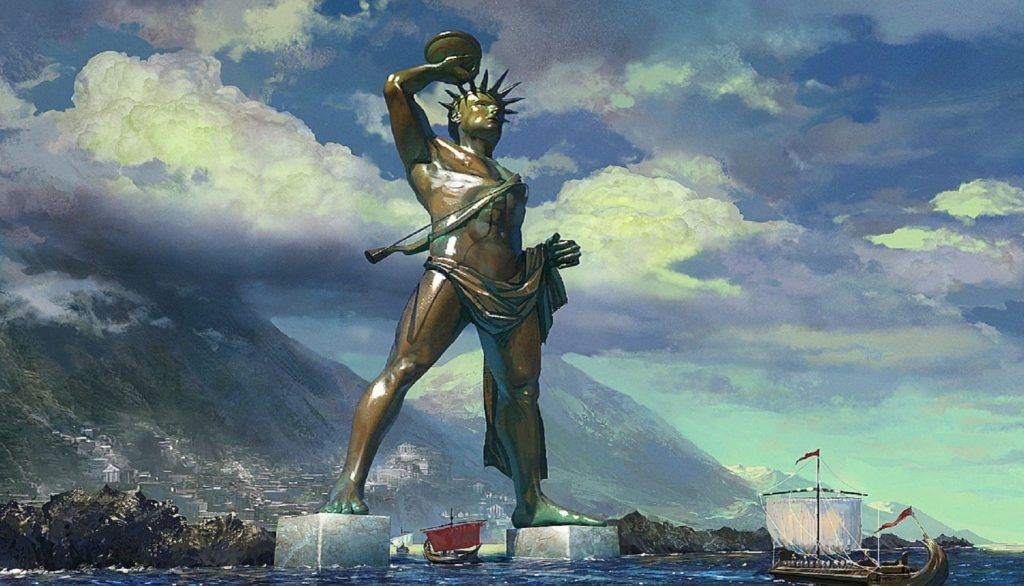
It is not known exactly what the statue looked like, but historians believe that it was erected from 294 to 282 years. According to various data, the sculpture took about 8 tons of iron and 13 to 15 tons of copper. True, not a single piece of the wonder of the world has not survived, because later the Arabs who conquered the island sold all the pieces of the sculpture after the earthquake to merchants.
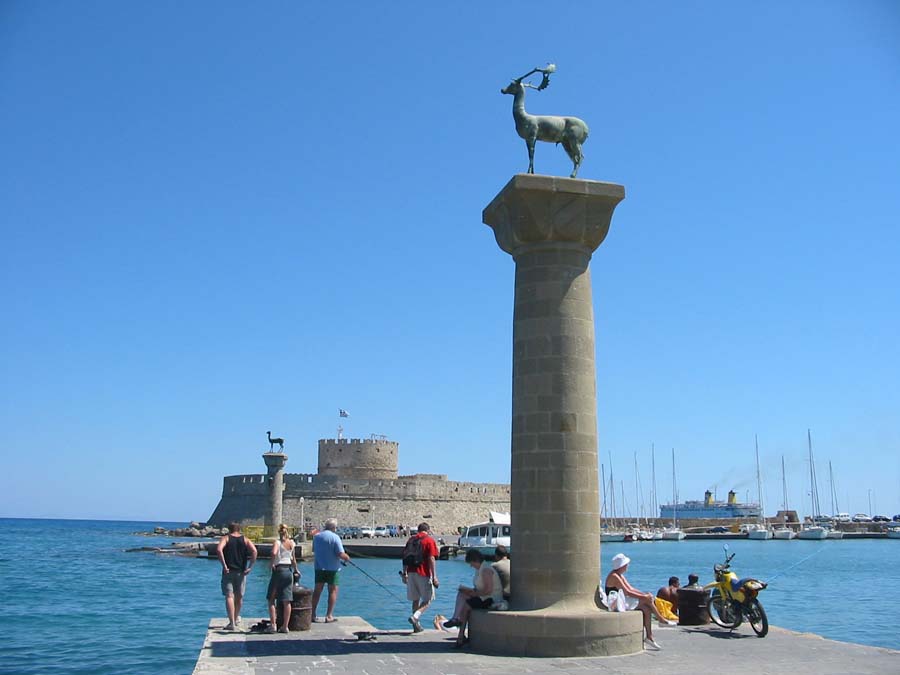
In place of the statue in the harbor, there are now two columns with images of deer on top. If you go to see it and want to stay overnight, be aware that the island has one of the best adult resorts on the island. You can read more about it you can find out more about it here.
Alexandria Lighthouse
The largest lighthouse in antiquity was built in the 3rd century BC. It was built to warn ships to avoid reefs. During the day, the way was indicated by puffs of smoke from the lighthouse, and at night by fire. The design and architecture of the building was very advanced for its time. A huge structure about 50-storey high (the tallest for that time) stood for more than 1500 years! The cause of the destruction was an earthquake.
However, thanks to the fact that the lighthouse has stood for so long, many descriptions by mariners from different countries have been preserved. Their impressions helped scientists to recreate the shape and scale on the graphics.
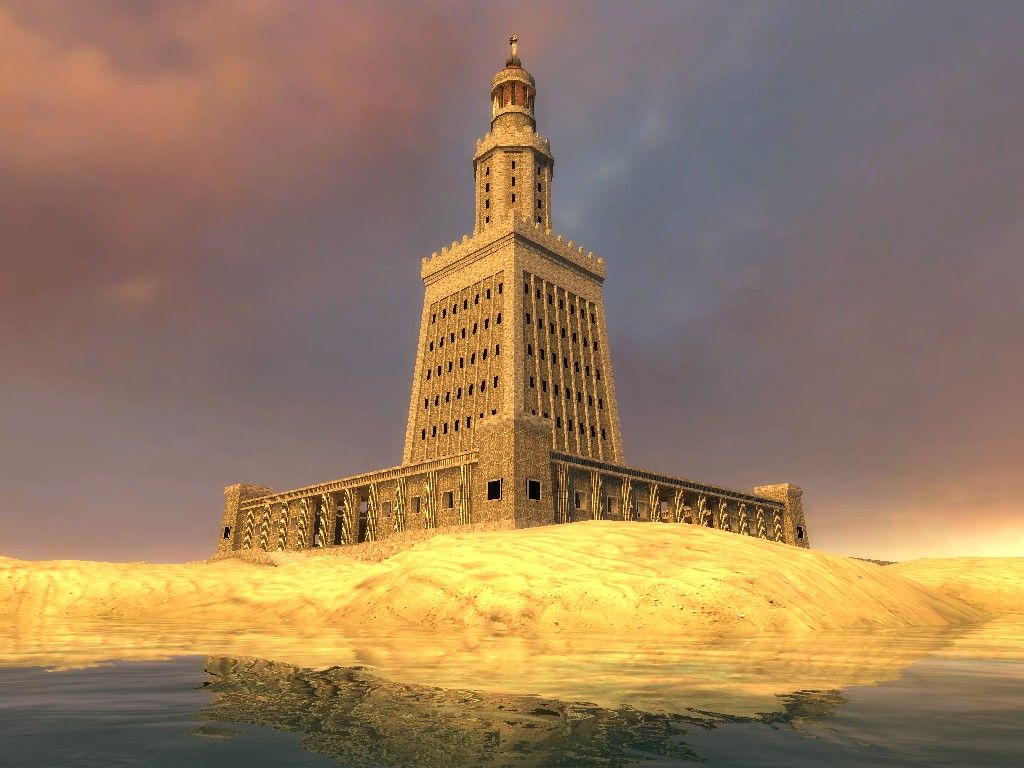
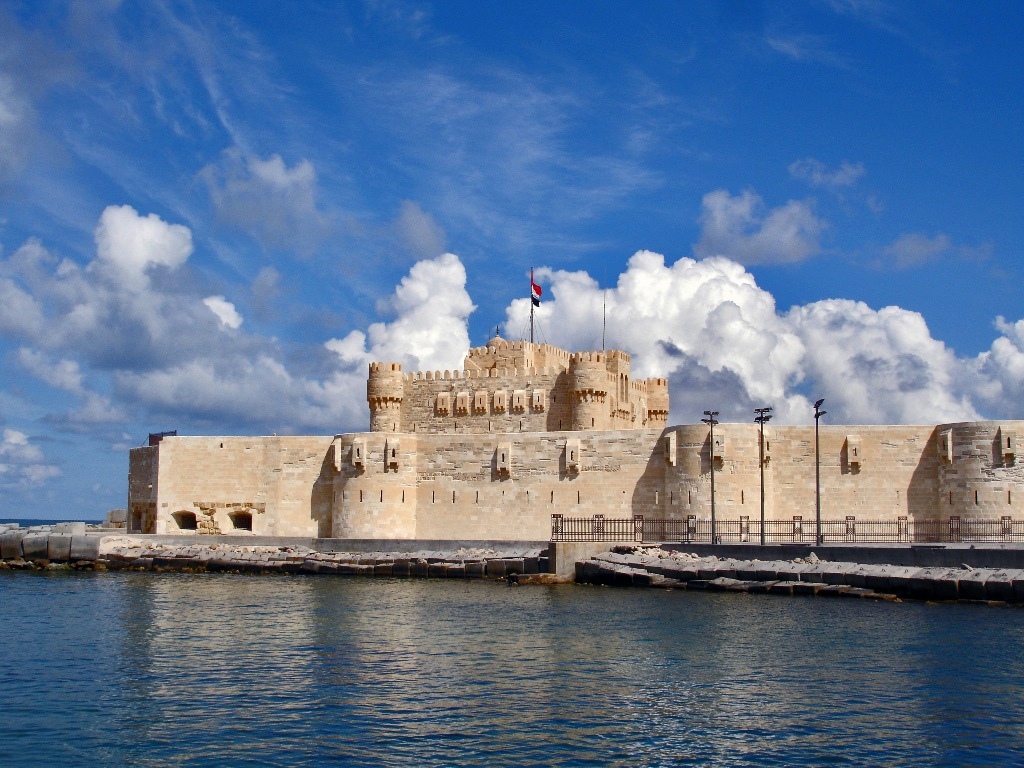
Now in Alexandria, Egypt, the site of the seventh wonder of the world is the Kait Bay Fortress, built in 1480 to defend against the Ottoman Turks from the sea. It costs almost $2 to get in. Keep in mind that you'll need a visa.
In the distant past, when the great civilizations of China and India reached unprecedented heights, the world learned about the Seven Wonders of the World. The new China delighted the world with its Great Wall of China, powerful and indestructible, like a tomb keeping the secrets of ancient emperors. At the same time, great India presented the world with its miracle, the majestic Taj Mahal, a tomb made of love and sorrow.
The city of Petra, carved into the pink rocks of the Jordan, was a miracle created not only by nature but also by the skillful hands of man. The Rhodes Colossus, towering over the harbor, served as a reminder of the power and help of the gods, who, according to legends, inspired people to create great deeds.
The first Colosseum in Rome, an arena for gladiators, was a place where fates were decided in battle, and the architecture was admired for its scale and elegance. These great structures created by ancient civilizations are still a source of admiration and wonder, reminding us of the new horizons that humanity can reach through creativity, science and mutual assistance. The great and new world, where the tombs and temples of India stand side by side with the wonders of China, continues to inspire us to create new wonders. Learn more about the new wonders of the world in this text..