
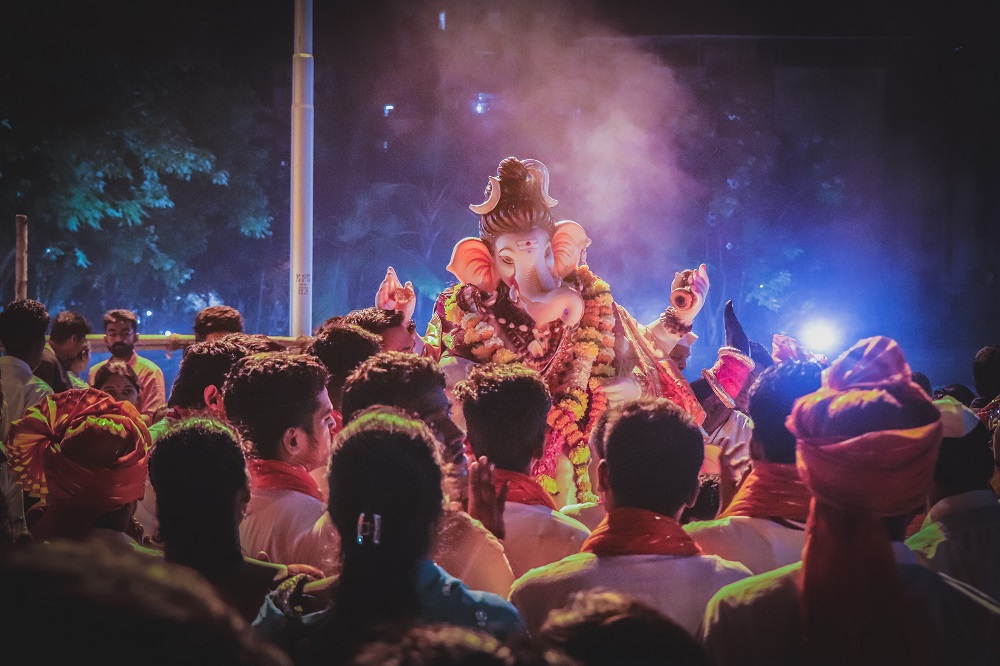
When traveling around the world, people inevitably interact with the culture and traditions of other countries. Some things may be shocking, some may be inspiring, and some may create absurd situations.
Before traveling to any country—and today we will learn more about the traditions of India—it is advisable to familiarize yourself with the peculiarities of behavior there. And for your own comfort, it doesn't hurt to be well-versed in local rituals. Despite the friendly attitude of locals towards tourists' ignorance of their rules and customs, it is better to command respect than to cause unnecessary incidents, especially by violating traditions in India.
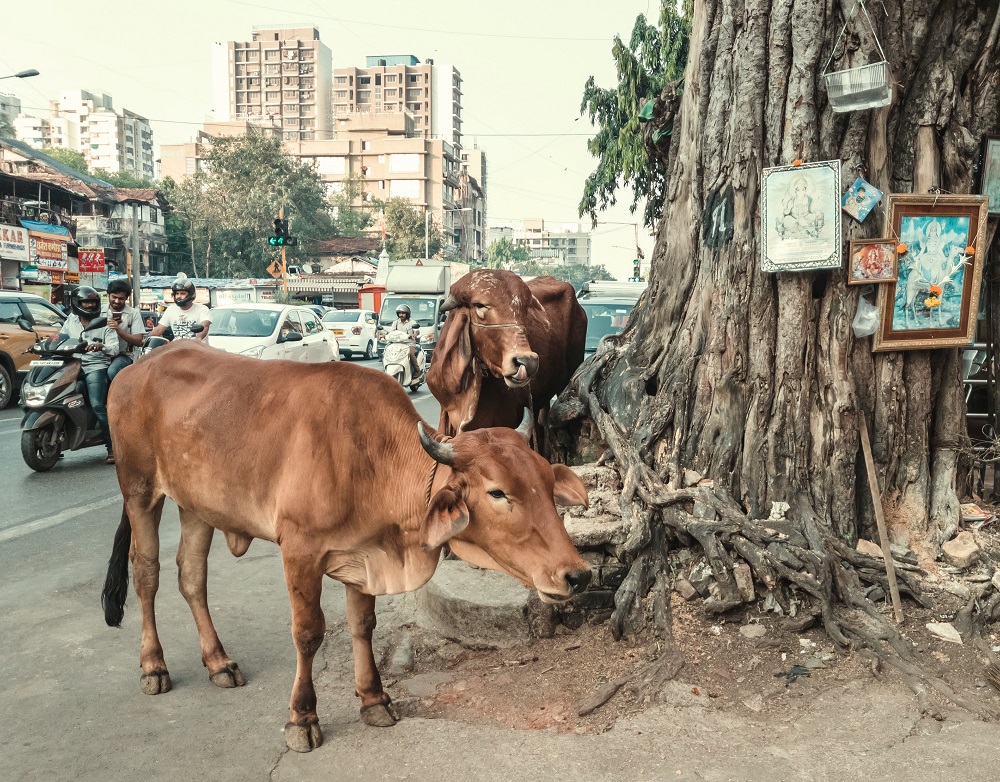
I think many people know that Hindus consider cows to be sacred animals. But they don't just revere them, they give them complete freedom of action. In India, it is quite easy to encounter a huge number of cows roaming the streets of villages and city avenues. The slightest carelessness towards an animal on the part of a person can have rather sad consequences, up to and including imprisonment. There are other customs in India as well.
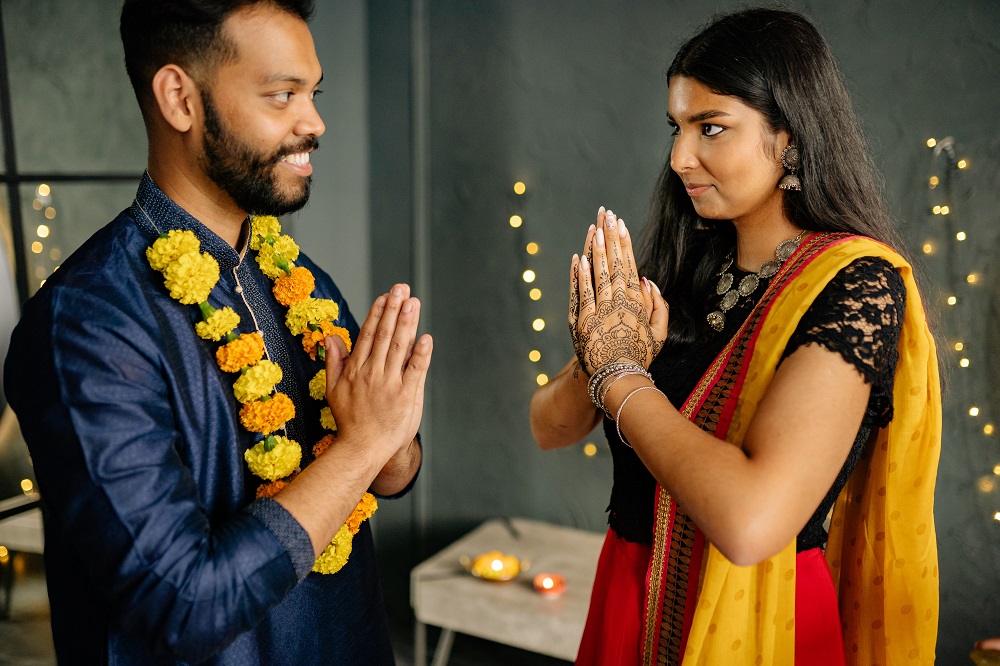
If you want to greet someone from the local community, there is nothing better than placing your hands together in front of your chest in a "namaste" greeting. It is not worth demonstratively showing your feelings. For example, hugs, kisses, and holding hands are considered vulgar and inappropriate actions. Pointing at something or someone with your index finger is also an indecent gesture. It can be replaced with a sign consisting of a wave of an outstretched hand or a nod of the chin.
In India, people use their right hand to eat, as it is considered "clean." It should be used when eating and passing food at the table. Hindus consider the left hand to be dirty, so it is undesirable to touch not only food but also other people with it. For Indians, food is a gift from the gods, and eating is a ritual. Do not leave leftovers on your plate, as this shows disrespect to the host. Also, do not engage in lively conversation during the meal. Here you can find a culinary guide to Goa.
In India, it is easy to encounter barefoot people, and they are not necessarily poor. Local residents have an unusual attitude toward footwear. They will take it as a personal insult if they notice the soles of your feet facing their direction. Therefore, when interacting with them, it is best not to sit with your legs crossed.
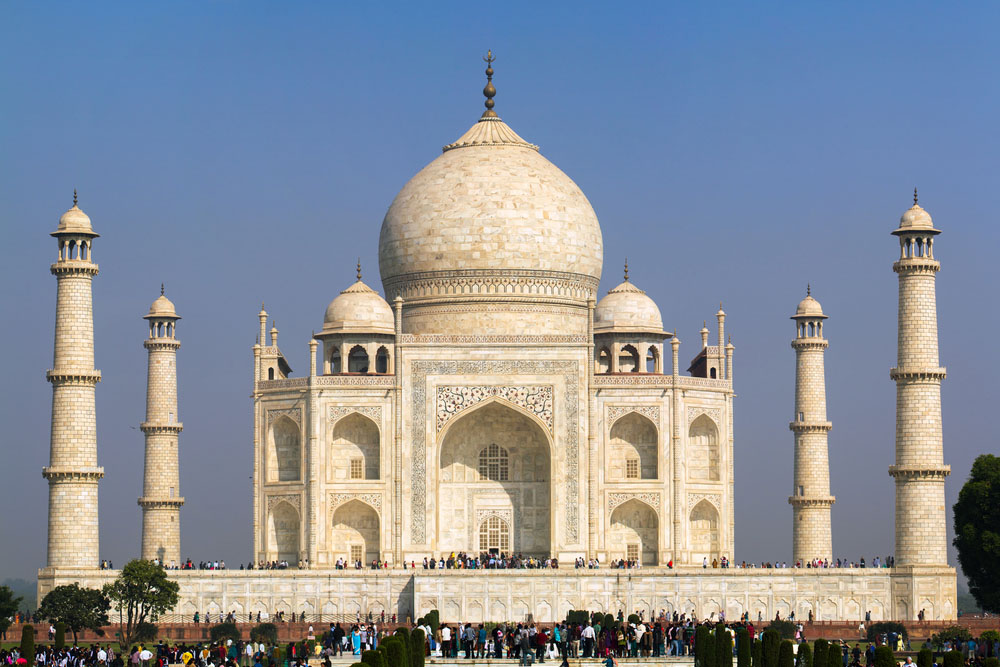
Before entering holy places, you should take off your shoes and dress as modestly and conservatively as possible, especially women. They are not allowed to enter temples with their heads, shoulders, and legs uncovered. If you are in Goa, be sure to visit the Mahadeva Temple, the Shri Shantadurga Temple, and the Church of the Immaculate Conception of the Virgin Mary. But, of course, the most popular place in terms of attendance remains the Taj Mahal in Agra.
How can we not mention the famous three-day Indian weddings! In India, the tradition of arranged marriages is still alive. Agreements between families and Hinduism assume one marriage for life, so the parents of the newlyweds carefully approach the choice of a partner for their child. They even resort to horoscopes to check compatibility.
Be prepared for the fact that there are quite a few beggars in India who pester tourists and beg for alms. They call it "baksheesh." It is usually given when a Hindu has provided some kind of service and the traveler wants to reward him. In all other situations, you should refuse to give alms. Otherwise, by the end of your vacation, you may find yourself without any money left after giving alms to everyone. The solution in this case is simple: ignore the annoying beggars. And believe me, there are plenty of them there.
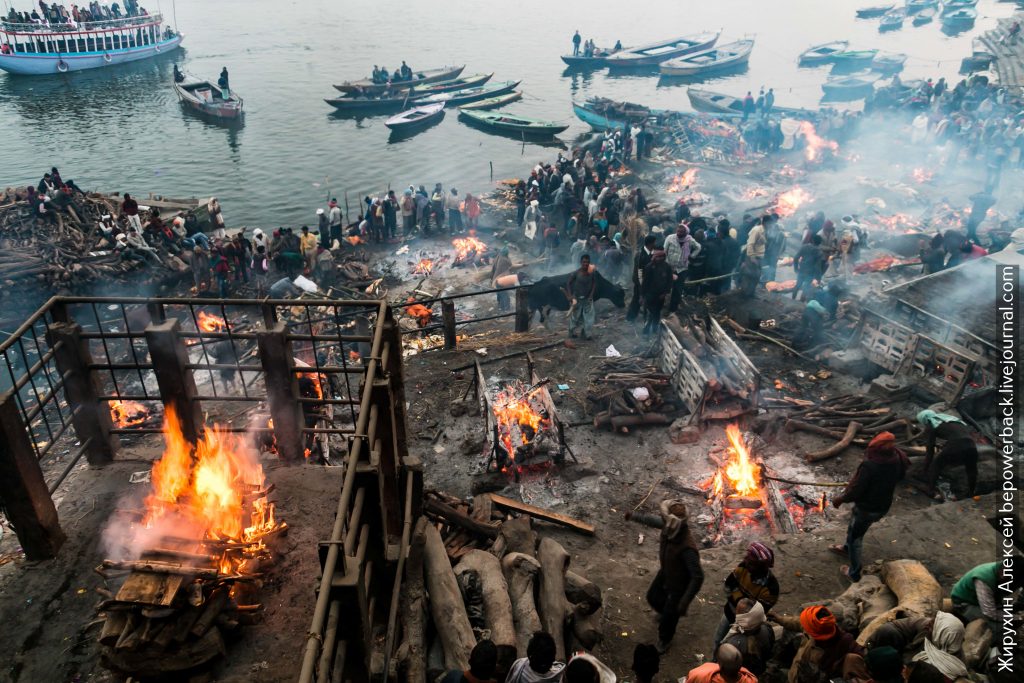
A particularly remarkable Hindu ritual is the funeral ceremony. Cremation is the main form of burial in India. Death is not perceived as a misfortune, but rather symbolizes the liberation of the soul to transition to another form of existence. Burning the body helps the spirit find its way more quickly between the earthly and spiritual worlds.
There is no better place in India for a final farewell than Varanasi. It is believed that the deceased, whose body is cremated there, instantly enters nirvana, bypassing the cycle of reincarnation. At the same time, there are strict rules for the cremation ceremony: the body must be burned exclusively on a pyre made of natural wood. The fire burns 24 hours a day, 365 days a year. After cremation, the remains are thrown into the river. Such are the rituals of Hinduism.
Unusual customs and rituals in India are not easy for tourists to accept, but it is desirable to observe them. It is enough to just look at the behavior of the locals around you and try to repeat it as much as possible. Then your stay in this magnificent country will be as enjoyable as possible.