The Republic of Korea is not easy to describe in two words. After all, on the one hand Korean culture is influenced by neighboring countries, and on the other hand, it is unique. What a tourist can expect from visiting Korea, read in the article.
Population and religion
Although the number of foreigners in South Korea is constantly growing, almost the entire population is ethnic Korean. There is a small percentage of Chinese, as well as Japanese and Americans, mostly military. The total population is almost 52 million, more than half of whom live in Seoul and Gyeonggi-do.
Koreans can hardly be called religious. Almost 50% of the population do not practice any religion. The rest are Protestants and Buddhists. Among them are mostly members of the older age group, so the number of believers is only decreasing. Younger citizens consider religious communities to be excessively authoritarian and corrupt.
What to try in South Korea?
Korean food is not as well known as other Asian cuisines, and it is rarely tasted anywhere outside the country. So a trip to Korea is not without its gastronomic experiments.
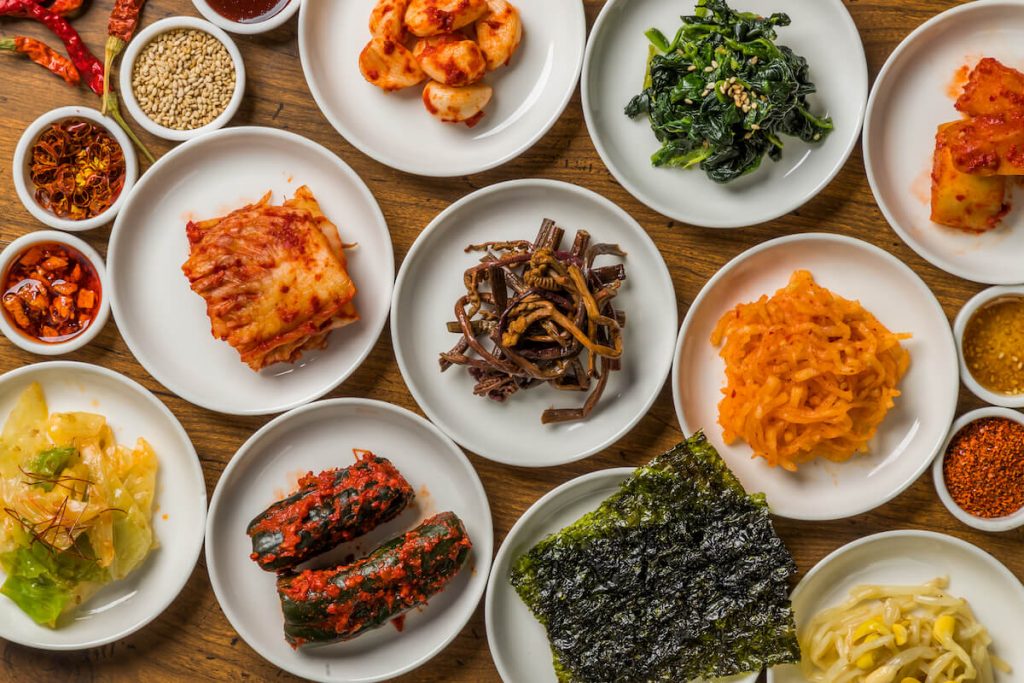
The local cuisine is based mainly on rice, noodles, tofu, vegetables, fish and meat. Banchan's numerous vegetable side dishes are served in small bowls. The most popular is kimchi, and it is served at every meal. It's a kind of spicy sauerkraut. Steamed rice goes with the banchan.
In addition to traditional dishes whose recipes have not changed for centuries, there are some that each cook prepares in his or her own way. For example, spicy masha bindettok fritters can vary in creative execution depending on the establishment.
When it comes to traditional drinks, you should try soju rice wine in local bars, which tastes pretty good.
Language
The official language of South Korea is Korean. It uses a local writing system called Hangul, developed by King Sejong. It is based on scientific principles of letter formation and consists of 14 consonants and 10 vowels, which are combined into new letter forms. This allows the largest possible set of sounds to be represented in the letter.
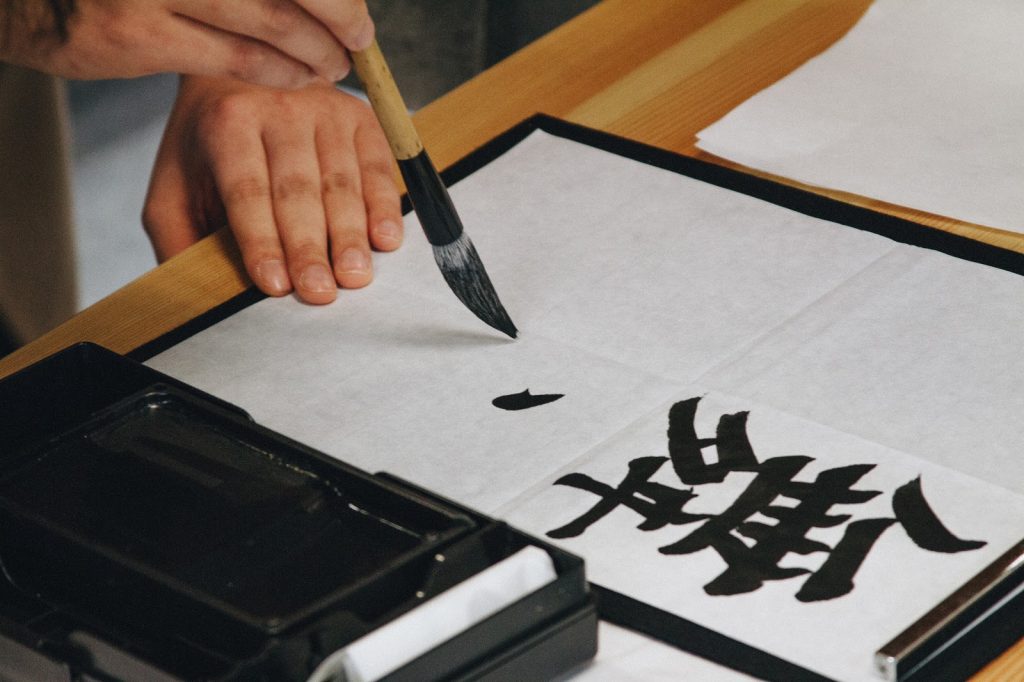
In addition, the country's younger generation speaks English and sometimes Japanese or Chinese.
Currency
The currencies of the country are Won, where $1 is approximately equal to ₩1327. Tourists will have no trouble exchanging dollars, euros and yuan for the local currency.
Climate
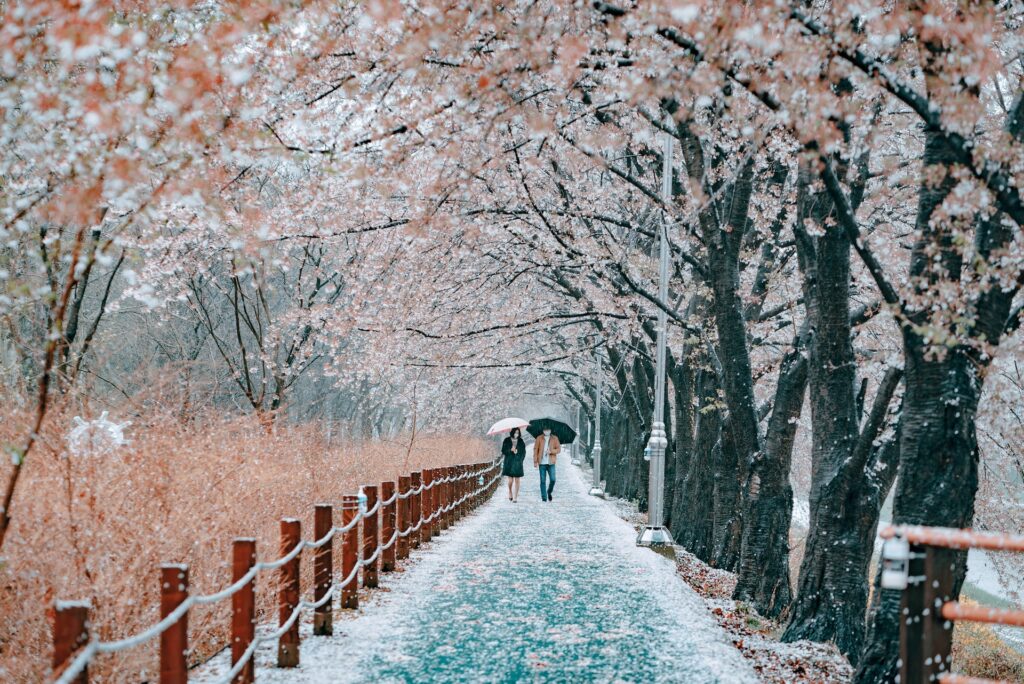
Korea has a mild climate with four distinctive seasons. Migrating anticyclones ensure sunny and dry spring and fall. While the country's summers are heavily influenced by the hot and humid North Pacific anticyclone. Rainfall is more abundant in summer during the short rainy season called jangma. It starts at the end of June and lasts until the end of July.
The best seasons to visit the country are spring and fall. The weather at this time is sunny with a comfortable temperature of ℃ 15-18.
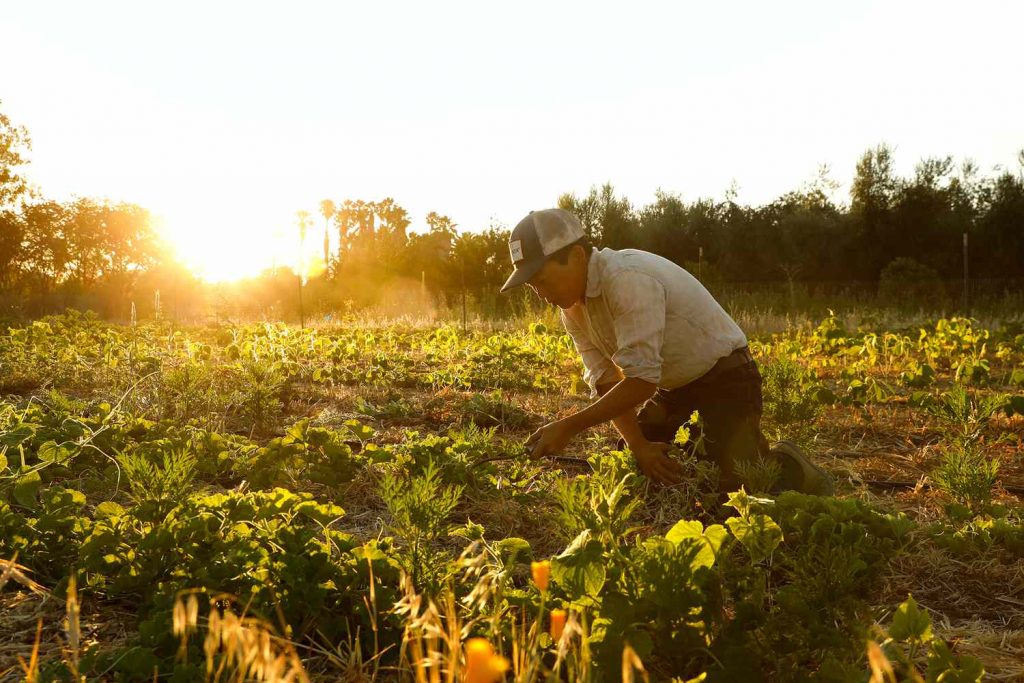
In recent years, Korea's climate has begun to change from continental to subtropical. Local farmers have been able to grow bananas and mangoes, but rice plantations and apple orchards are shrinking.
How to get there
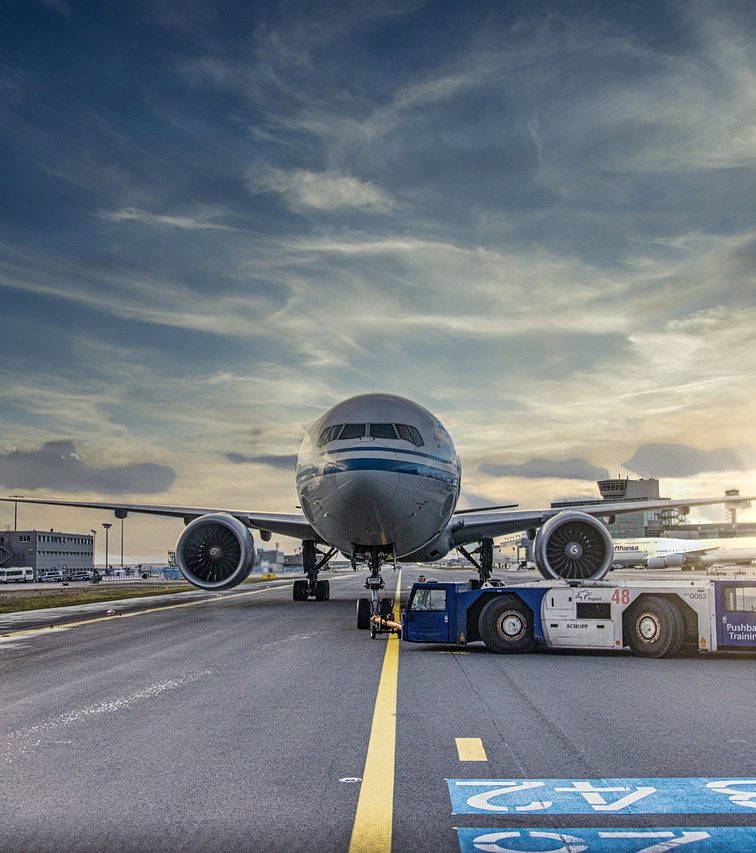
South Korea can be reached via Moscow with at least one connection in Kazakhstan, Uzbekistan, Turkey or the UAE. There are direct flights from the USA to the country.
What to see in South Korea?
Seoul
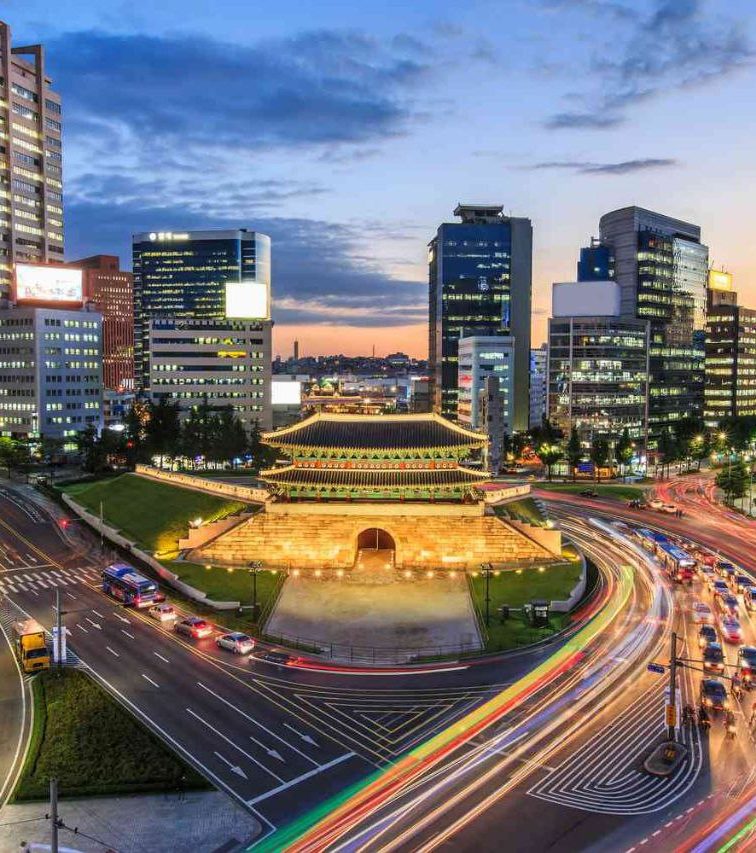
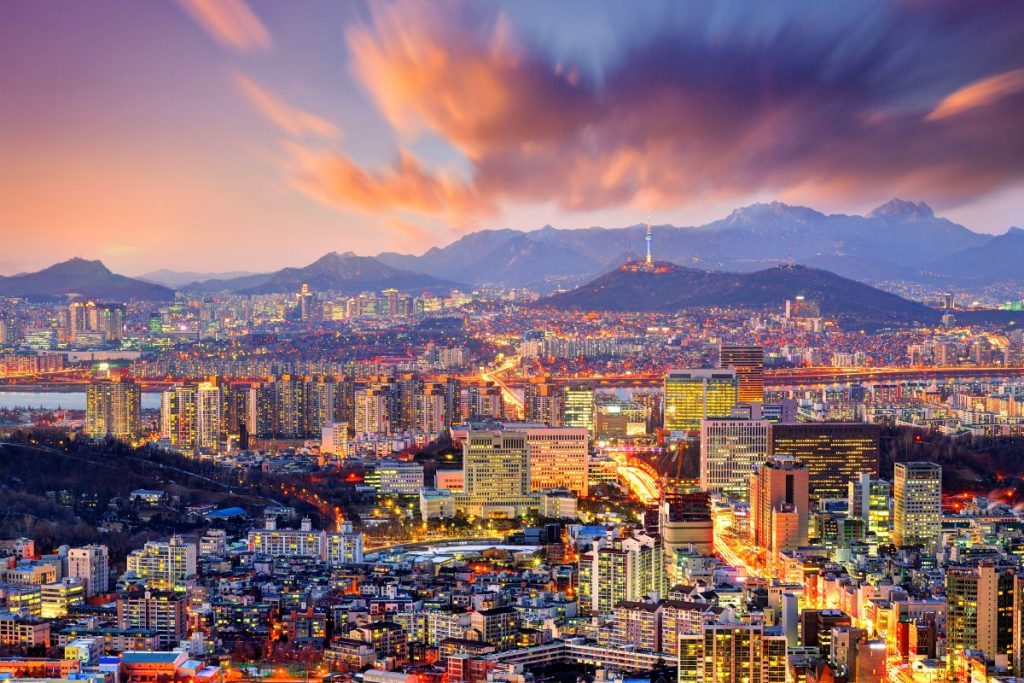
The best place to start a trip to South Korea is Seoul. It is a modern metropolis with an artificial river in the very center.
Despite the fact that many landmarks have been destroyed and in their place are only ruins and memorials, the capital has a lot to show.
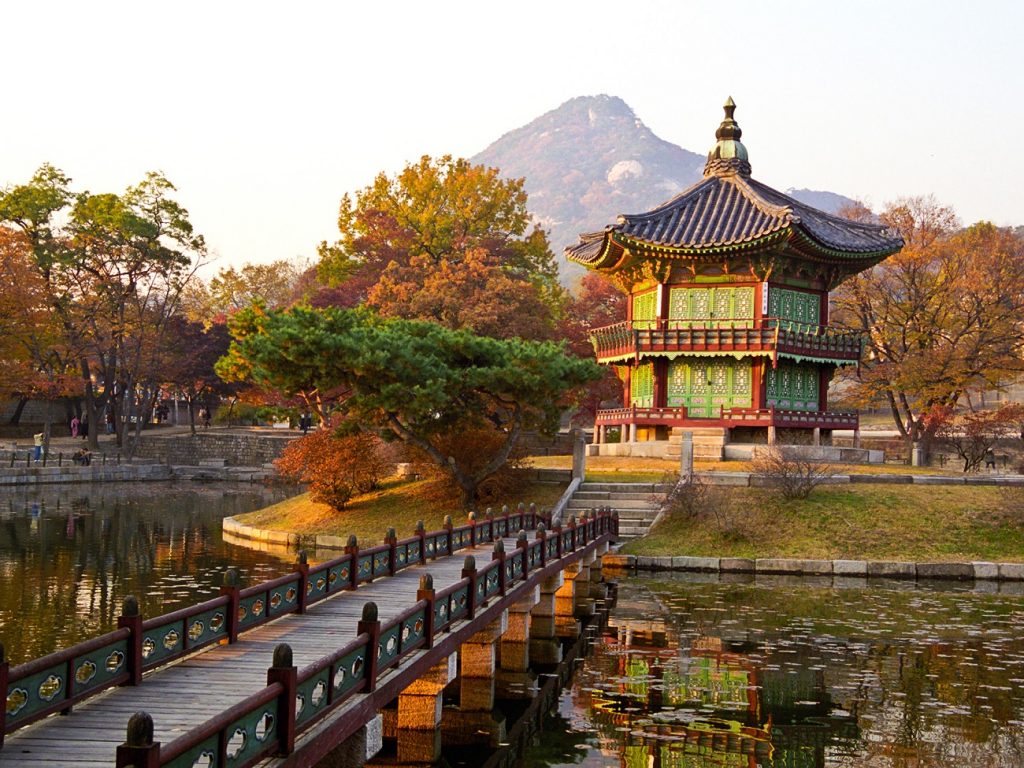
Gyeongbokgung Royal Palace was built back in 1395. Although the Japanese military tried to wipe it off the face of the Earth, the castle was restored in its original style. Now there are several museums within the palace walls.
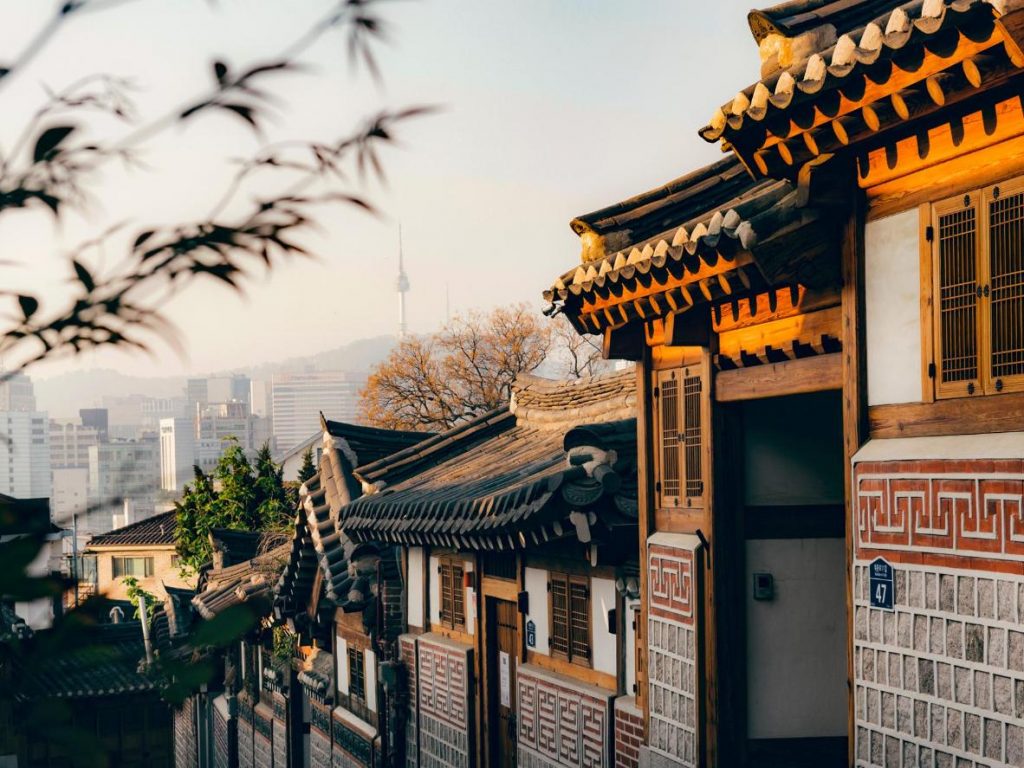
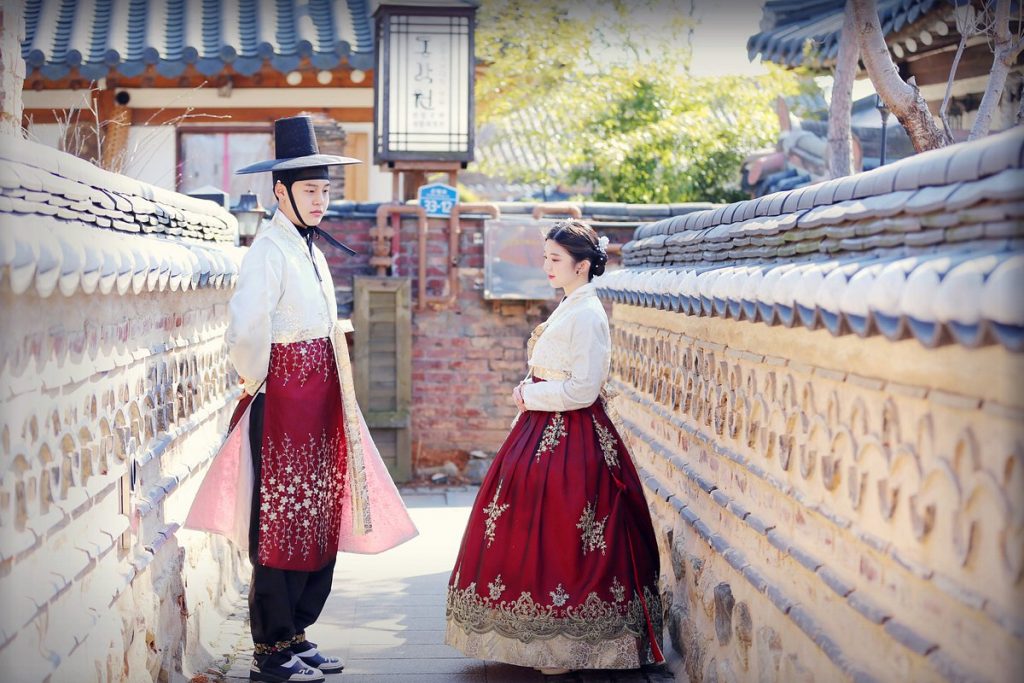
In the well-preserved village of Bukchon Hanok, some structures have been standing for over five hundred years. These are traditional Korean-style houses that are still inhabited by very hospitable locals. It is best to wear comfortable shoes when walking along the cobblestone streets.
The zone between North and South Korea
Getting to the demilitarized zone between South and North Korea is easiest with a bus tour. During the tour you can see the amphitheater, the Freedom Bridge and the carriage of the last train that left the neighboring country. A favorite pastime of tourists who come here is "watching" North Korea through binoculars at the local observatory. You can read about North Korea, which is closed to outsiders. here.
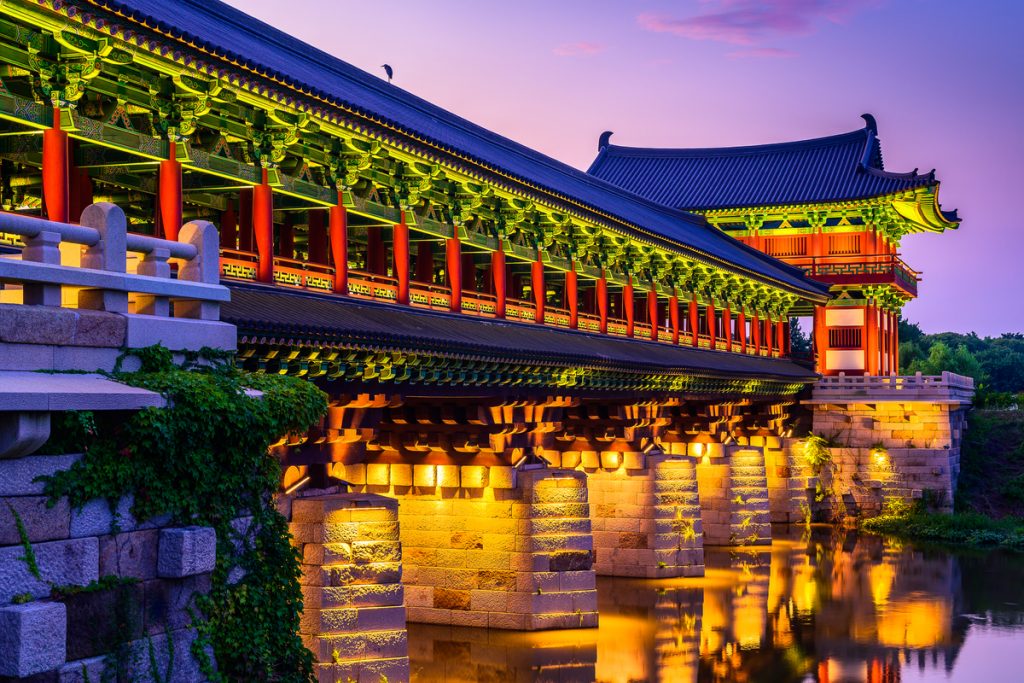
Gyeongju
A couple of hours from Seoul on the shores of a lake is the former ancient kingdom of Gyeongju. It was once the capital of the Silla Dynasty, which ruled the entire Korean peninsula. It is better to allocate a couple of days to explore the ruins, preserved temples, royal tombs and the Chomseongdae observatory tower. You can get there by train.
Busan
The bustling port city of Busan, an hour's drive from Gyeongju, combines huge skyscrapers and golden sandy coastlines. The entire city is as if in the palm of your hand from the Busan Tower. The center has many Buddhist shrines and curious local architecture.
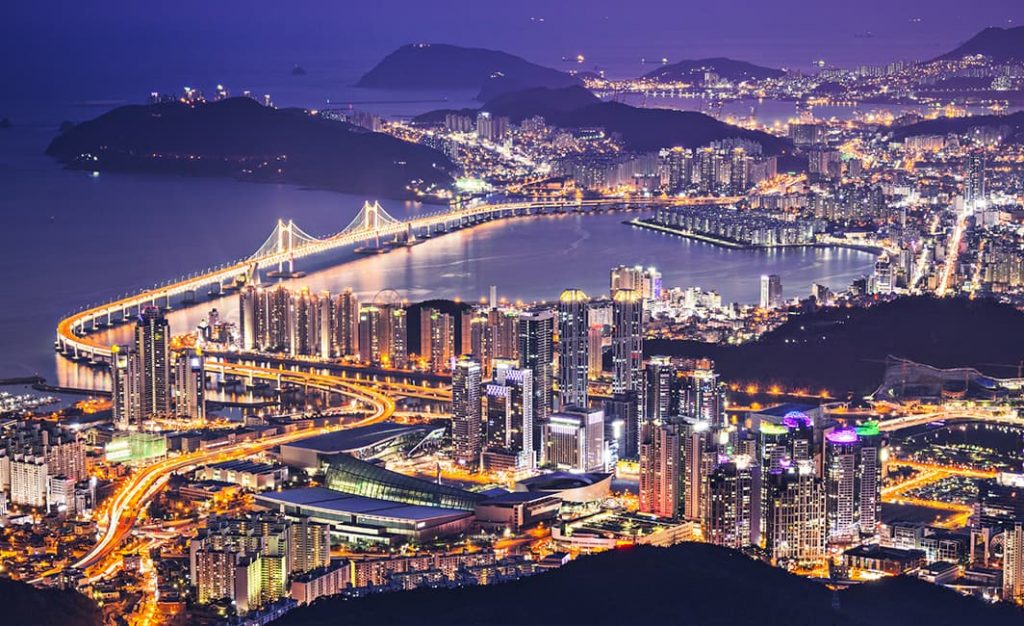
There are also many food markets here in Busan. One of the most popular is the Chagalchi Fish Market. Here, you can pick out the freshest seafood by sneaking through the tightly packed crowd and have it cooked at the restaurant one floor above.
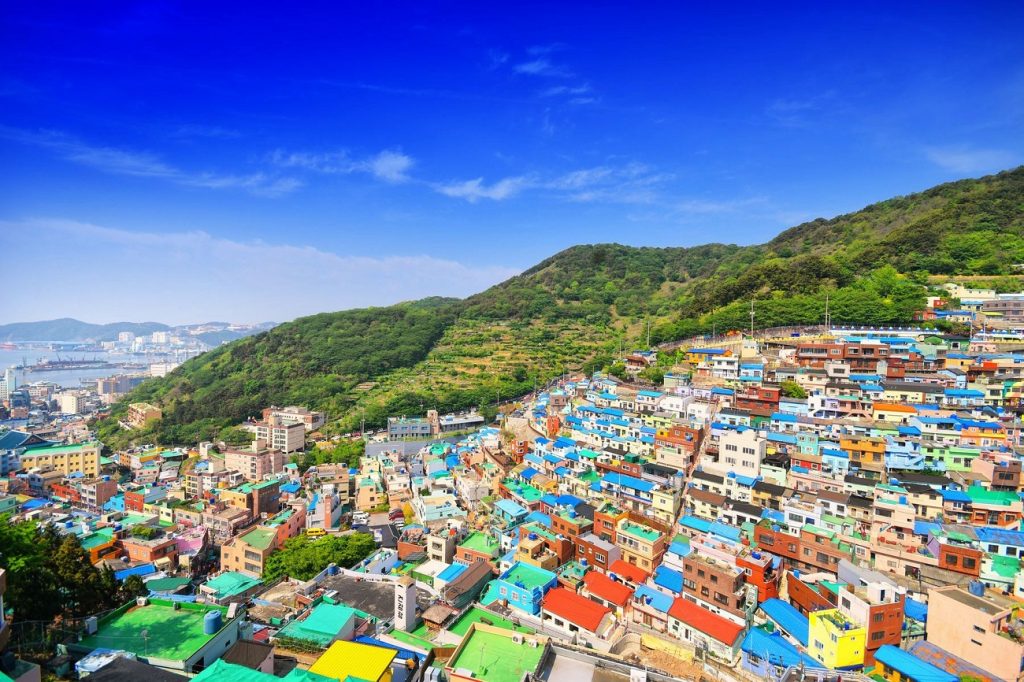
In one of the city's neighborhoods lies the cultural village of Kamcheon. The colorful scattering of small houses was once a Korean refugee camp. Now it's more of an art territory with art galleries, craft cafes and shops.
Jeju
Not far from the mainland lies the volcanic island of Jeju. Here, the architecture of government buildings and a small palace can be interesting, as well as the 18+ Love Land Park with erotic sculptures.
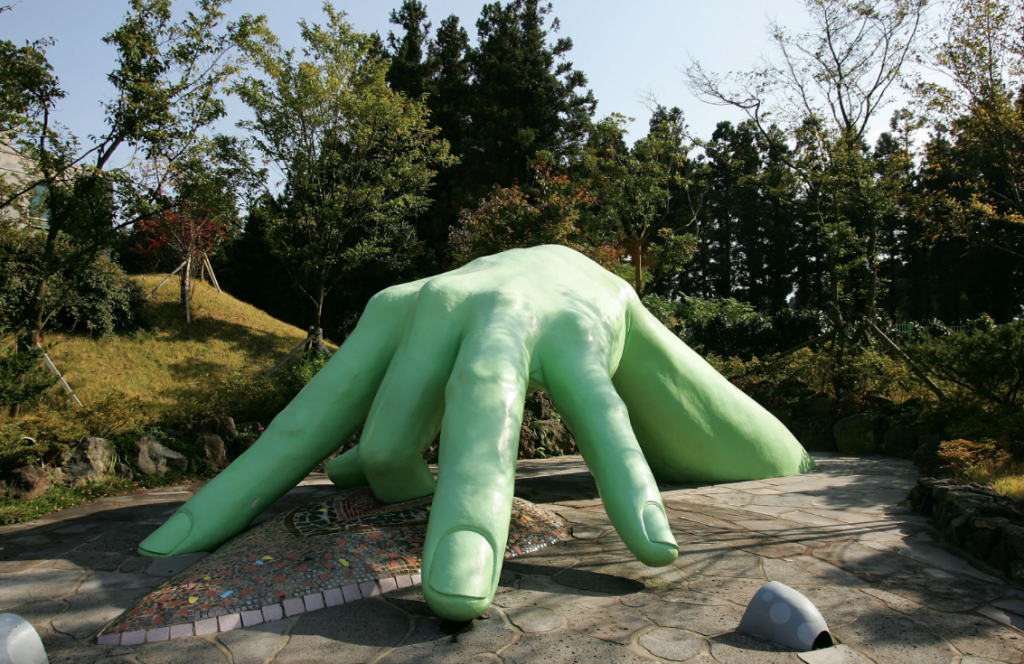
Jeju and its satellite island Udo offer delightful coastal scenery.
Tourists are attracted here by the Hallasan caldera, within which lurks the dark blue surface of Lake Pannoktam. Mount Hallasan is the highest peak in South Korea.
Seoul nightlife
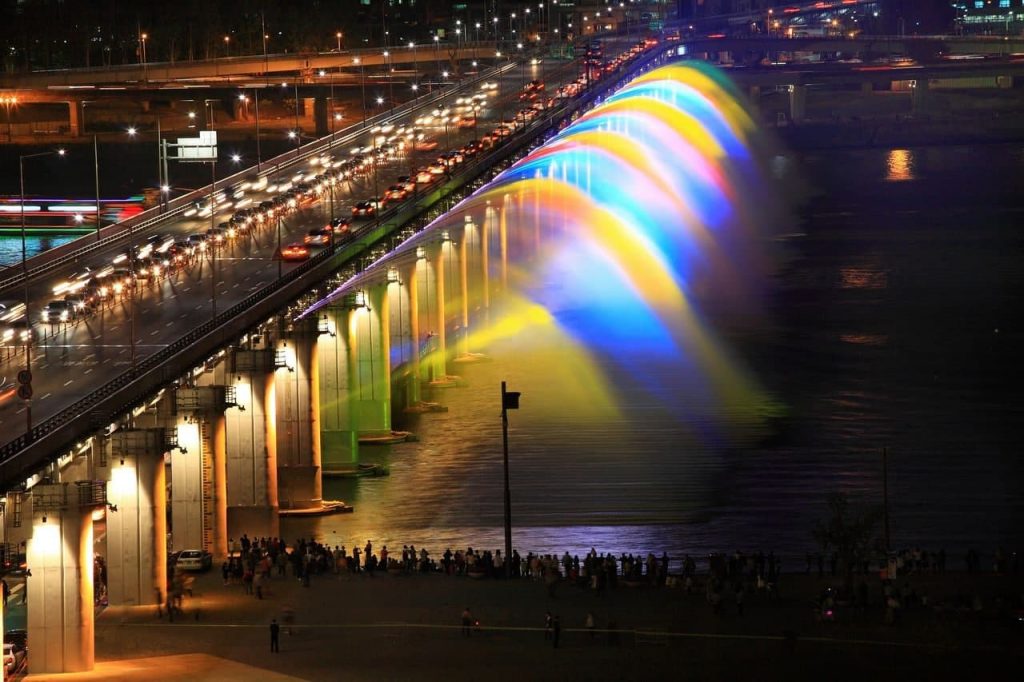
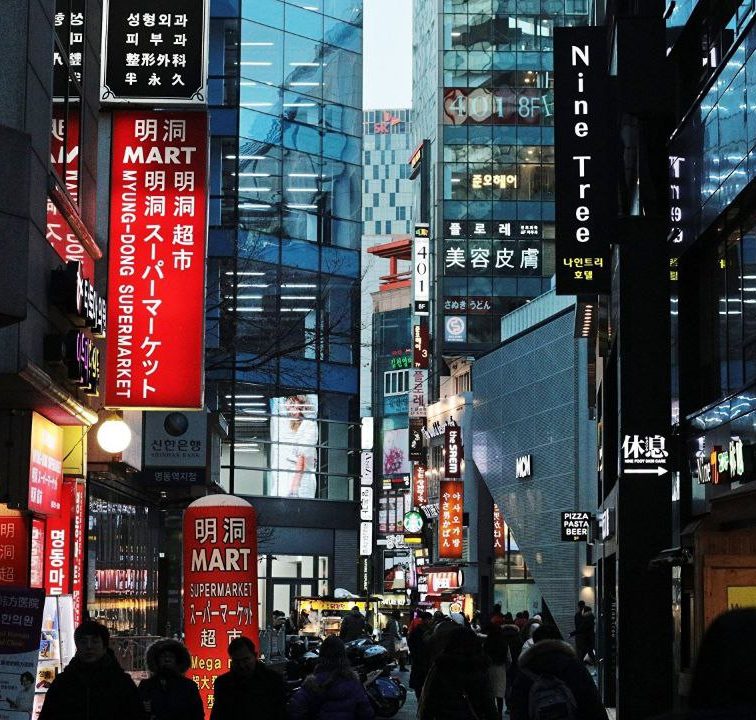
Seoul is very beautiful not only during the day but also in the evening. You can climb Namsan Mountain and admire the city's night lights or go to the Bamdokkaebi night markets. They are located at Tongdaemun and Namdaemun stations in Myeongdong district. And after buying groceries, you can have a night picnic by the Han River like the locals do. Or just go to watch the evening rainbow fountain show that flows over Banpo Bridge.
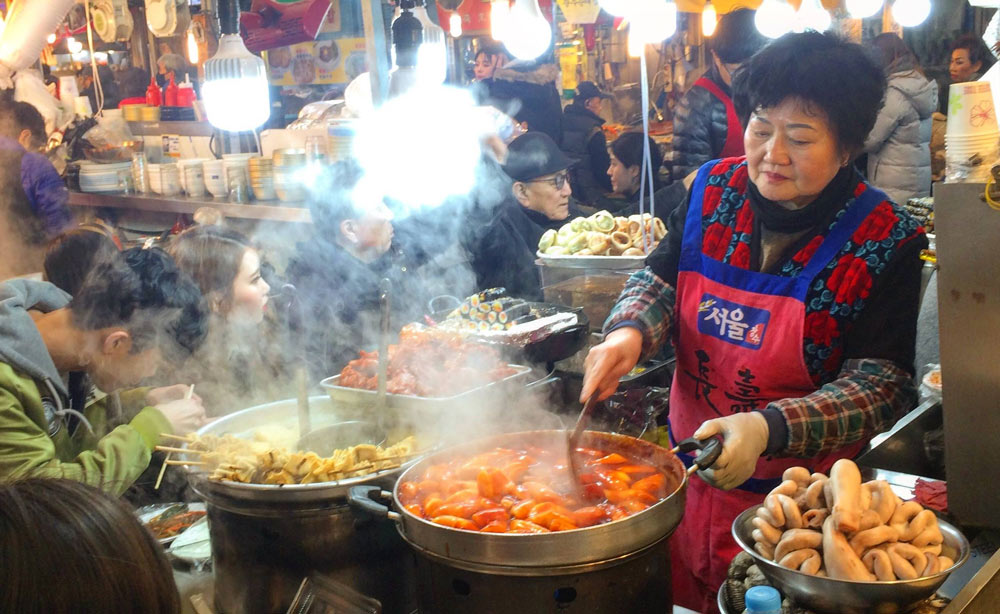
Also, be sure to try the street food in the Gwangjang, Namdaemun or Myeongdong neighborhoods, which are sold until late in the evening.
Another popular thing to do in Seoul at night is to walk around the pubs in the city, including with organized groups, of which there are many.
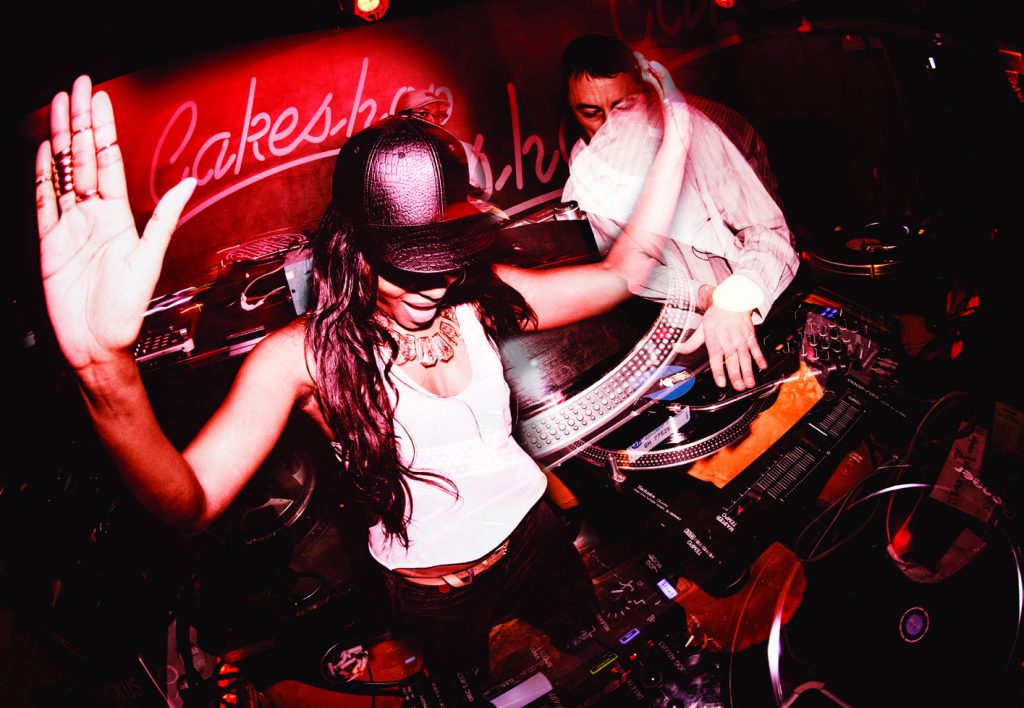
If you're in the mood for independent adventure, check out Cakeshop, a small club with an intimate atmosphere and a variety of music genres. If the party gets boring, go to Contra and Pistil, located on different floors in the same building. And at the very top, there is an outdoor terrace where you can take in the fresh air and chat with new acquaintances.
Sinkhole is another interesting place where you can groove to R&B. It's fun, but can be a bit crowded and smoky.
As for drinks at the bars, cocktails cost $7-8, beers can be purchased for $5, and shots cost $6-15.
Safety
In South Korea, you can feel at ease walking the streets at night, especially in the big cities. Crime is low. Incidents with foreigners are especially rare. But sometimes there may be theft or a scuffle in a bar.
Visa
As for visas, everything is individual. For example, Russians, Americans and Kazakhs will not need a visa if the period of stay does not exceed 90 days. It is only necessary to issue an electronic entry permit K-ETA. But Belarusians need to to make a visa in advance and the consular fee starts from $40.
If you decide to stay in Korea for a long time and want to learn more about housing costs, medicine, transportation and more, read this article.
Interesting facts
- Soccer is one of the most popular sports in Korea. The K-League is held every year from March to November with 12 regional teams.
- After a long war, South Korea, with the support of the United States and the UN, has become one of Asia's richest developed economies. Industrial conglomerates such as Hyundai and Samsung have contributed. South Korea is now one of the largest exporters of automobiles and electronic goods.
- High-speed wireless Internet is available in almost every home in South Korea, unlike its neighbor to the north. SMS-ing and gaming are very popular here.
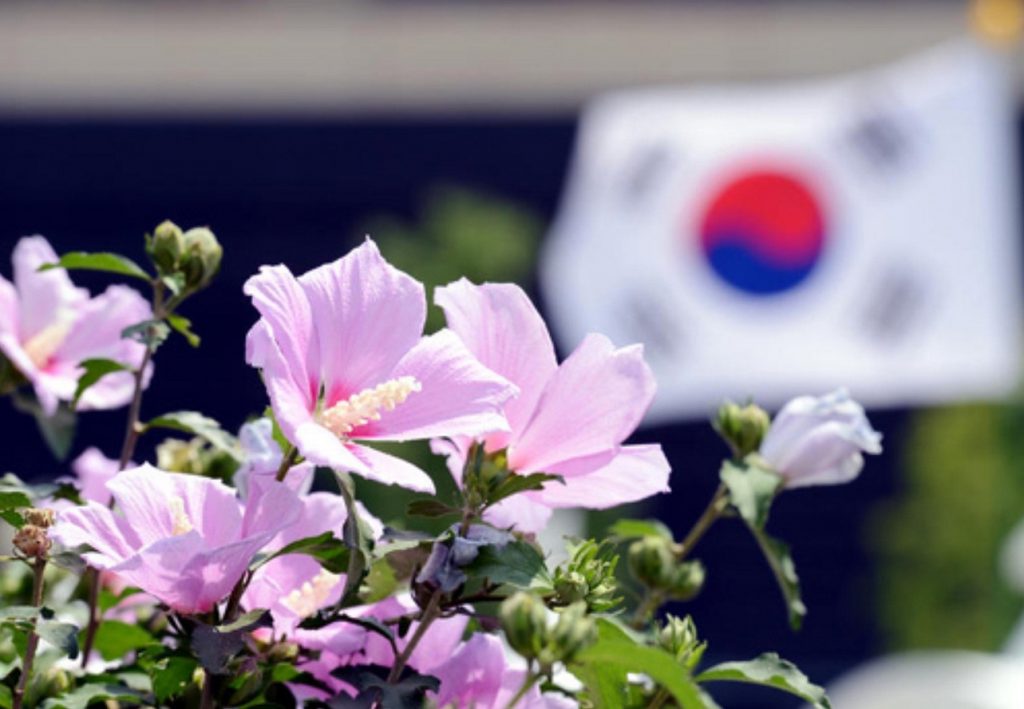
- Mugunghwa (Rose of Sharon) is the national flower of Korea. The word itself means "eternal flower that never fades". And this is due to the peculiarities of the Korean mentality: reticence and persistence.
- The Korean Peninsula, located in the center of Northeast Asia, borders China, Russia and Japan. About 3/4 of the territory is covered by mountains. Also, Korea is surrounded by sea on three sides except the northern one.
- The Korean national flag of Daegeukgi is a red and blue circle on a white background with four black trigrams at the corners. The white background symbolizes purity and peace. The circle is the balance between yin and yang, and the trigrams represent heaven, earth, water, and fire.