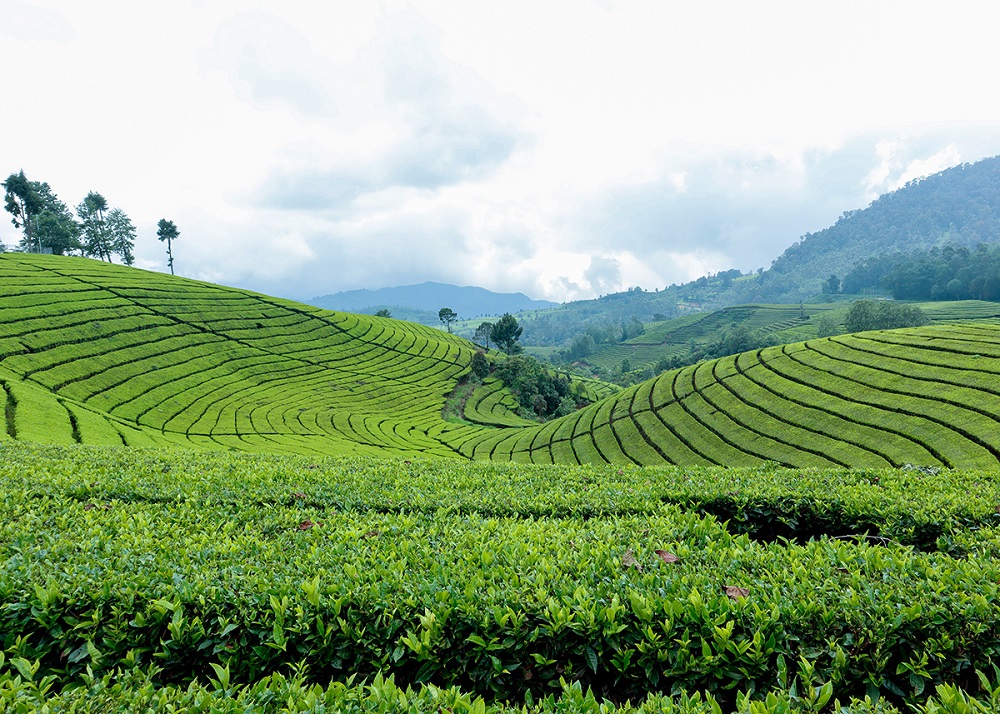
Like many of you, I associate Sri Lanka with tea. So, once I arrived on the island, I decided to see the famous plantations with my own eyes and learn about the production process of this world-famous product. Lipton Yellow Label, Richard Royal Ceylon, Ahmad Tea Ceylon, and Dilmah use tea leaves from Sri Lanka for their beverages. But which tea is truly Ceylonese?
Why is tea from Sri Lanka called Ceylon tea?
In the 1st millennium BC, a people calling themselves "Singhalese" arrived on the island, which translates as "lions" — that is why this animal is depicted on the coat of arms of Sri Lanka, even though lions do not live on the island. The Sinhalese gave the new territory their name, "Sinhala Dvipa," which means "land of the Sinhalese."
In the 15th century, these lands were discovered by the Portuguese. A game of Chinese whispers began: they heard the word "Sinhalese" as "Seilao." In the 17th century, the Portuguese were displaced by the Dutch, who changed the name to "Zeilan." At the end of the 18th century, the British conquered the island and gave it the name "Ceylon." Tea began to be grown on the island during the British colonial period.
In the mid-20th century, Ceylon gained independence. And in 1972, with the adoption of a new constitution, the state was renamed Sri Lanka, which means "glorious/shining/blessed land." But the packaging of tea still bears the inscription "packed in Ceylon."
How did tea cultivation begin in these lands?
At first, the British used the new territories with their humid and warm climate to grow coffee. It is worth noting that Ceylon beans were in high demand in Europe. However, in the second half of the 19th century, a fungus destroyed all the coffee plantations.
Fortunately, at the beginning of the century, English entrepreneur James Taylor brought the first tea seedlings from China to Sri Lanka. And just in time for the terrible fungal infection, he managed to turn his experiment into an industrial-scale business. However, the first batch of Ceylon tea did not reach London until 1891.
Another Briton, Thomas Lipton, became interested in the tea potential of the Sri Lankan lands at that time. He bought up many hectares of plantations at low prices, gaining the opportunity to supply tea to his stores without intermediaries. Thanks to his inexpensive products, Lipton not only conquered the European market, but also entered the US market.
Sri Lanka now ranks third in the world in tea production, after China and India. Black tea is mainly grown here. The Sri Lankan climate makes it particularly tasty and more tart. Green, white, and oolong teas are also available on the island, but they are noticeably inferior to their competitors in terms of taste.
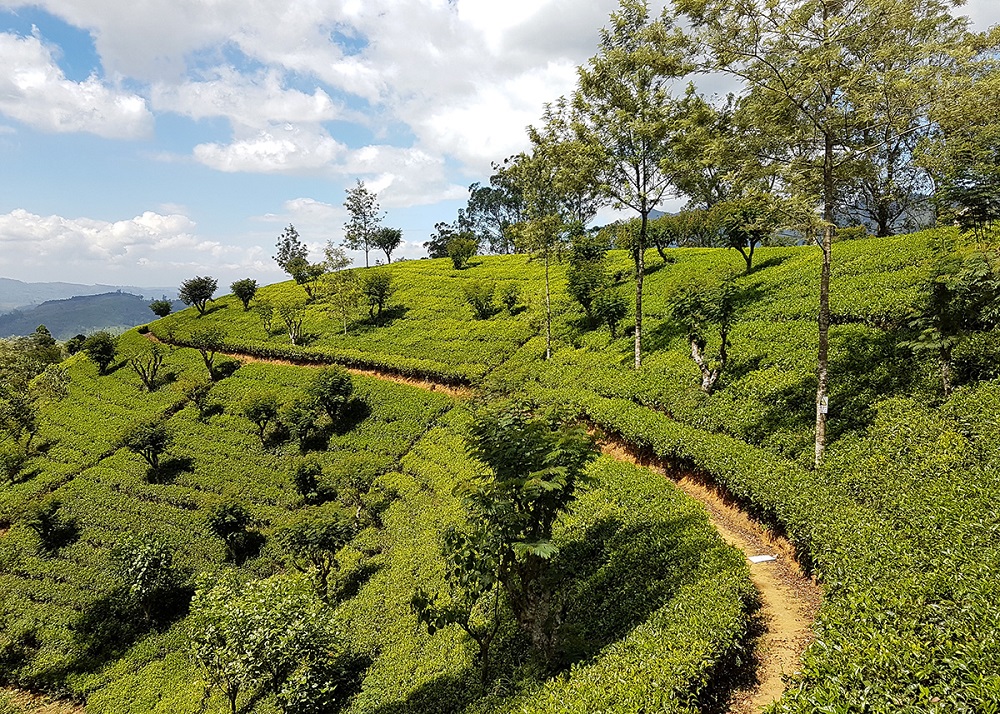
Where can I see how Ceylon tea is produced?
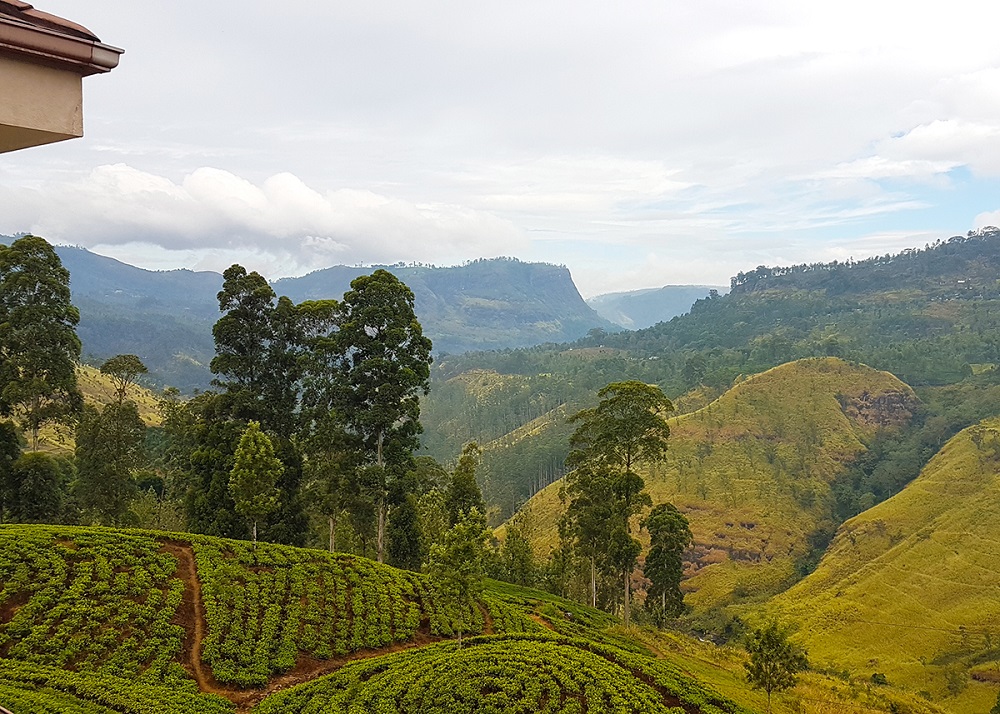
The island has more than 200,000 hectares of tea plantations, which belong to both large and small factories. The aroma of leaves harvested in different regions varies slightly. If you want to discover the taste of perfect Ceylon tea, head to the highland provinces of Nuwara Eliya or Dimbula.
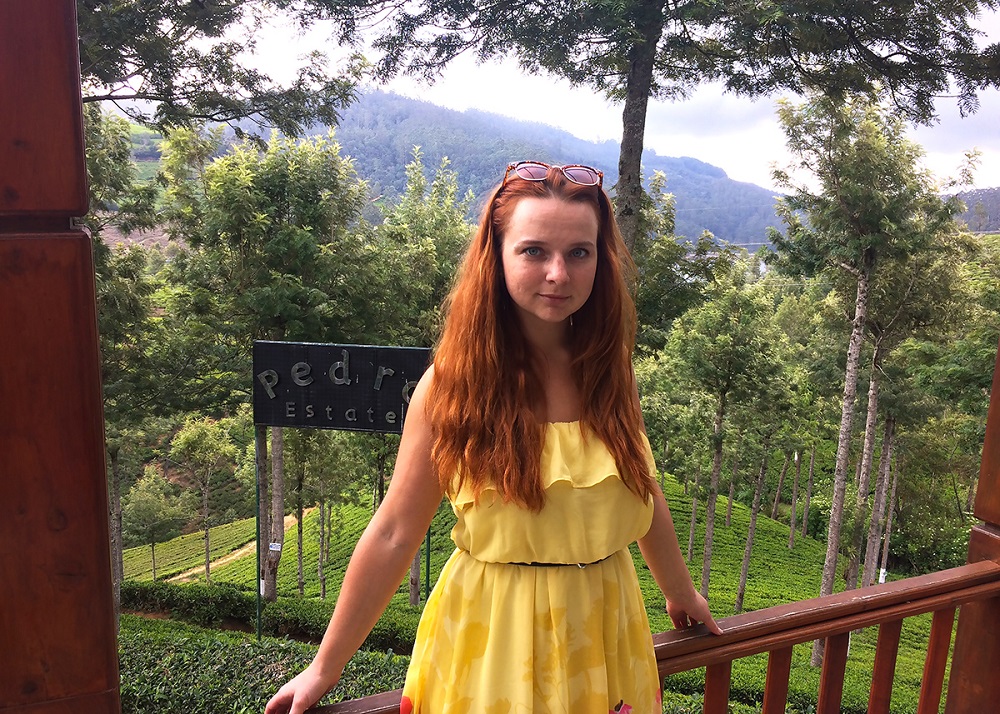
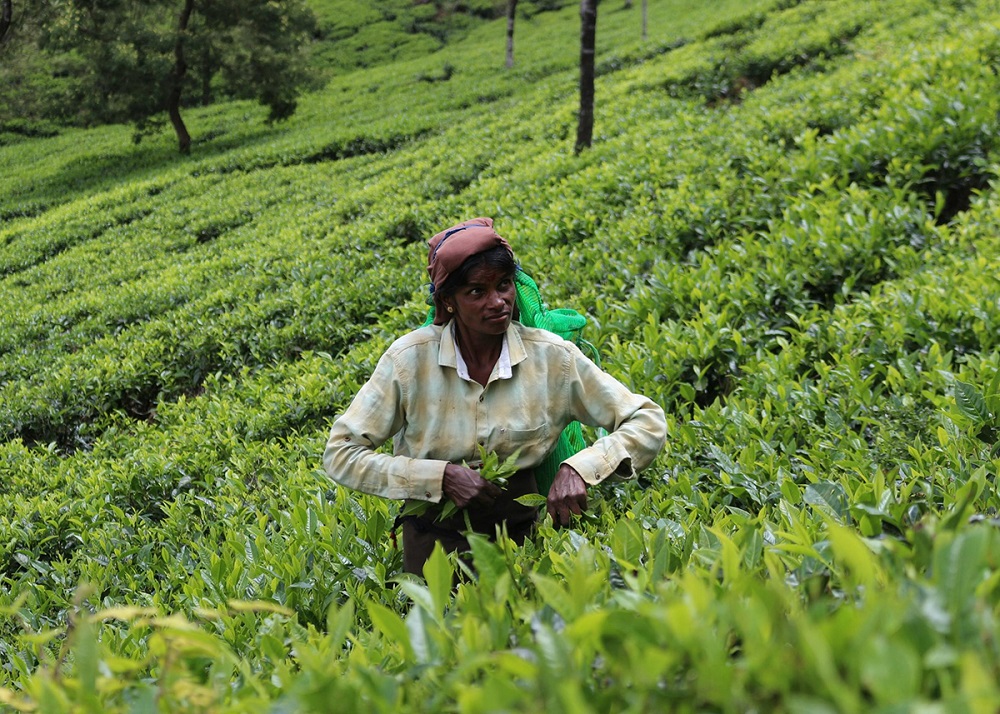
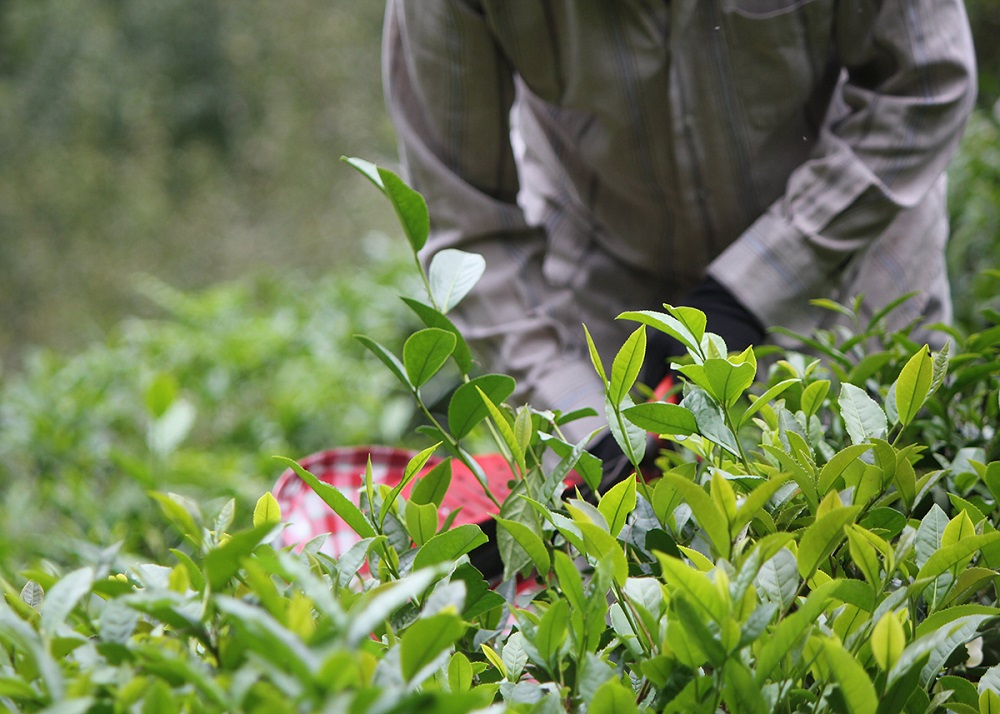
That's what I did: I visited the factory Pedro Tea Estate, located four kilometers from the city of Nuwara Eliya. There you can learn about the entire tea production process: hand-picking the leaves (if you visit during the season), withering, rolling, fermenting, drying, sorting, and packaging for export to all corners of the world.
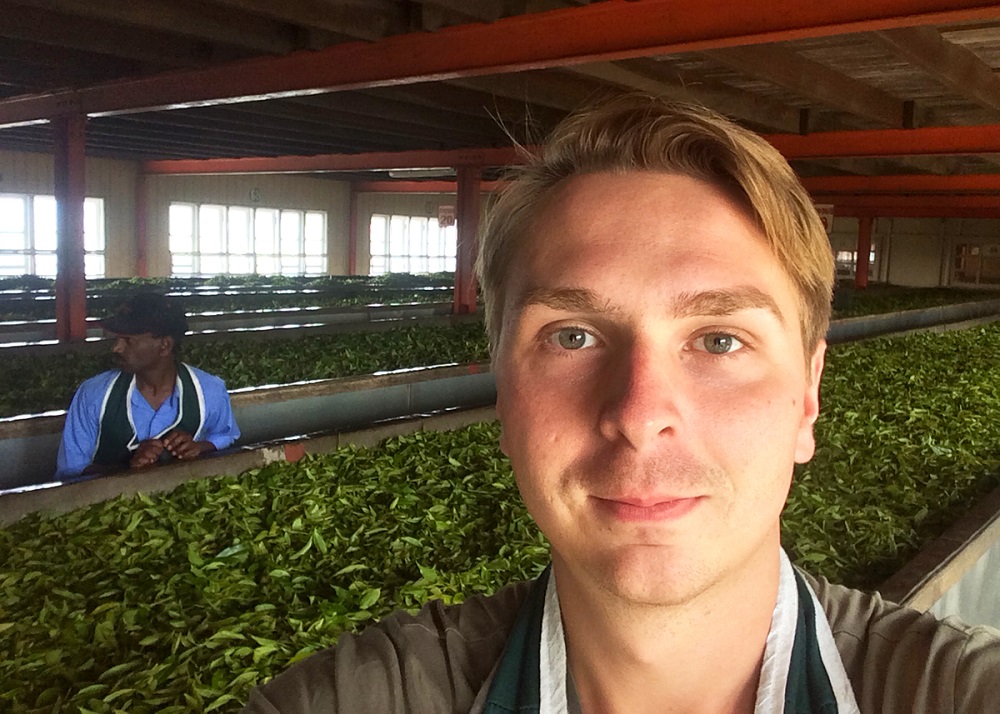
It was on the land that now belongs to the Pedro plantation that James Taylor planted the first tea bushes, marking the beginning of the Ceylon tea era. The Pedro Tea Estate factory was founded in 1885. It is still equipped with 19th-century machinery. Tea leaves are harvested from local plantations up to four times a year. Up to 4 kg of harvest is used to produce 1 kg of dry tea. In the local café, you can taste the factory's teas and buy the ones you like right away.
How to choose the best Ceylon tea?
As you already understand, it is important to know where the tea was grown. The most valuable varieties are considered to be high-mountain ones. In second place are medium-altitude varieties, and in third place are lowland varieties.
The next factor affecting the cost is the size of the tea leaves. The highest category includes teas made from whole large leaves. The middle category includes teas made from small or broken leaves. The cheapest teas are made from small pieces left over after sorting. The latter two types have subcategories, but I won't go into too much detail. I will add that the most elite tea is made from the upper leaves that have not yet blossomed.
They say that only tea packaged in bags with a lion emblem can be called real Ceylon tea. That used to be true. But now, the packaging design is chosen by the tea brand—there may not be a lion, but the quality remains the same. Today, Ceylon tea is tea that is 100% produced from raw materials grown on one of the Sri Lankan plantations and packaged without any admixture of other leaves.
How to brew Ceylon black tea?
Since its ancestors are British, tea should be prepared in the classic English way. To do this, bring the water to the first bubbles and rinse the teapot with it. Then add the required amount of tea to the pot: 1 teaspoon per 200 ml cup. To clean the tea leaves from dust, pour a little boiling water into the teapot and immediately pour it out. Only then can you fill the teapot with the amount of hot water needed for tea drinking. Black tea should be brewed for just a few minutes — no more than five, and the infusion remaining in the teapot should not be diluted with boiling water. If you pour out all the tea after the first brewing, you can brew the same tea leaves again.
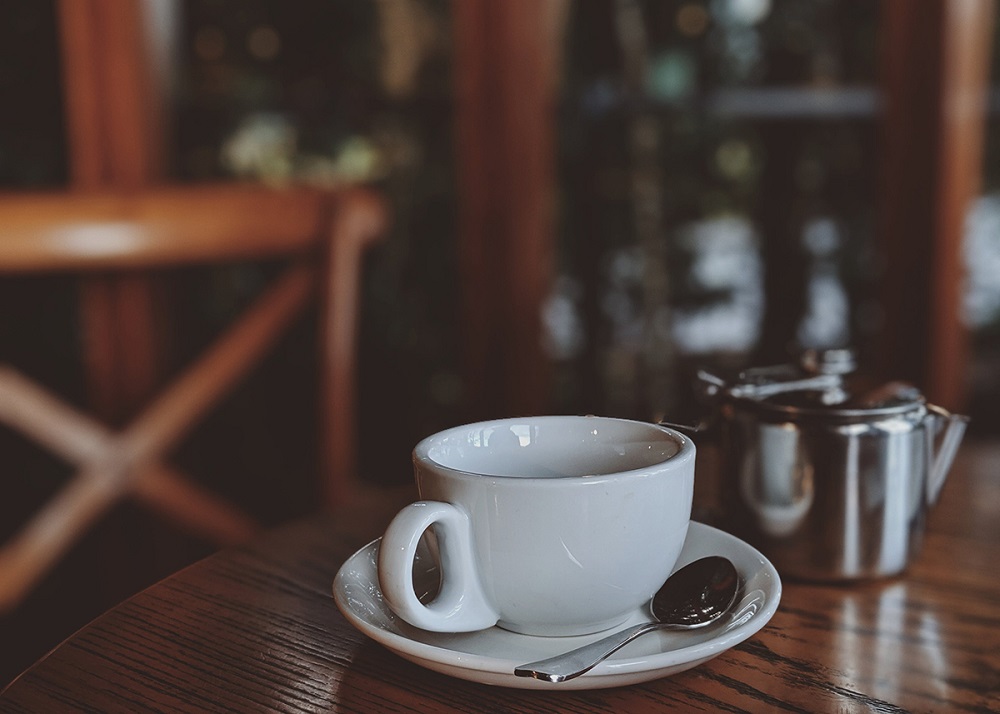
English tea is traditionally drunk with milk. To do this, it is important to warm the cups—rinse them with boiling water, then fill a quarter of the cup with milk or cream, and then add the tea.
Interestingly, Sri Lankans themselves prefer finely ground tea, brewing it quickly without any complicated ceremonies.
And of course, if you are planning to fly to Sri Lanka, it is important to know where to go to enjoy the warm Indian Ocean — I wrote about beach holidays on the island in a separate article.