
Sicily, Rome, Milan, Florence — Italy is a wonderful travel destination thanks to its diversity. Culture, architecture, music, food... You want to try, see, and hear as much as possible, because the cultural characteristics of the north, south, and center of the country are different. But what can you do when you want to see so much, but your vacation time is limited? Take the train!
Italian transportation options are impressive in their diversity—airplanes and buses, trams and electric trains, taxis and rental cars, subways, gondolas, and even river trams. However, in terms of time, convenience, and cost, all of these are inferior to His Majesty the Train.
There are legends among travelers and lovers of this country about its well-developed railway system. The Italian network covers about 17,000 kilometers of railways, spread over an area of 302,000 square kilometers.
Of course! The locals themselves don't like buses and only use them when there is no possibility of traveling by train. By the way, there are three types of buses in Italy.
High-speed trains
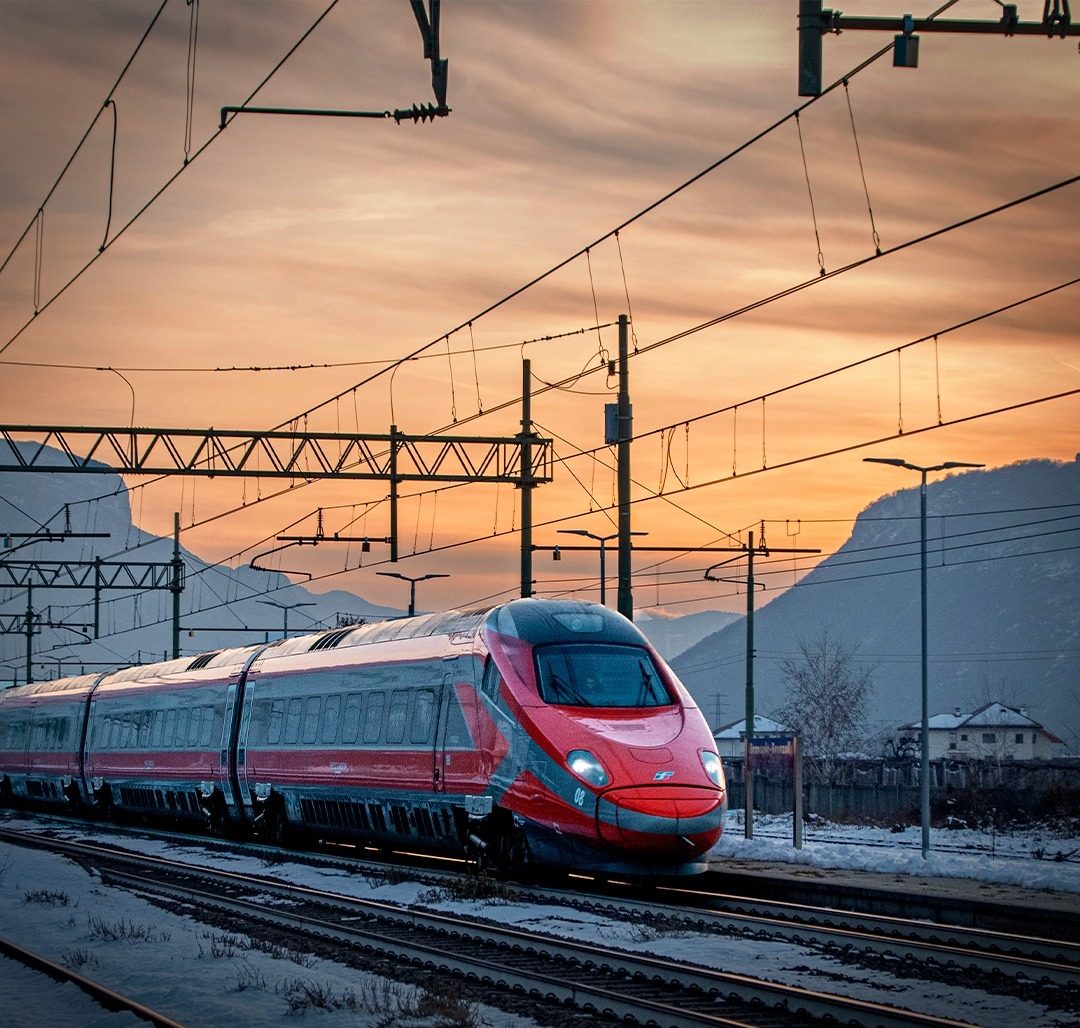
The Frecciarossa, or "Red Arrow," is the Lamborghini of the railways and the fastest Italian train, owned by the state-owned company Trenitalia. It reaches speeds of up to 360 km/h, so you can get from Milan to Naples, for example, a distance of 657 km as the crow flies, in just 4.5 hours. However, you will have to pay a lot for a ticket — prices in economy class start at €77.90.
By the way, Italian trains operate on a "the earlier, the better" system: the earlier you decide on your travel date, the cheaper your ticket will be.
Slightly cheaper, but just as fast, you can get from Milan to Naples by train with the private company Italo. Ticket prices start at €59.90. A big bonus for foreign travelers is that Italo trains only require an email address to access Wi-Fi. On the other hand, Frecce trains require you to enter an Italian phone number.
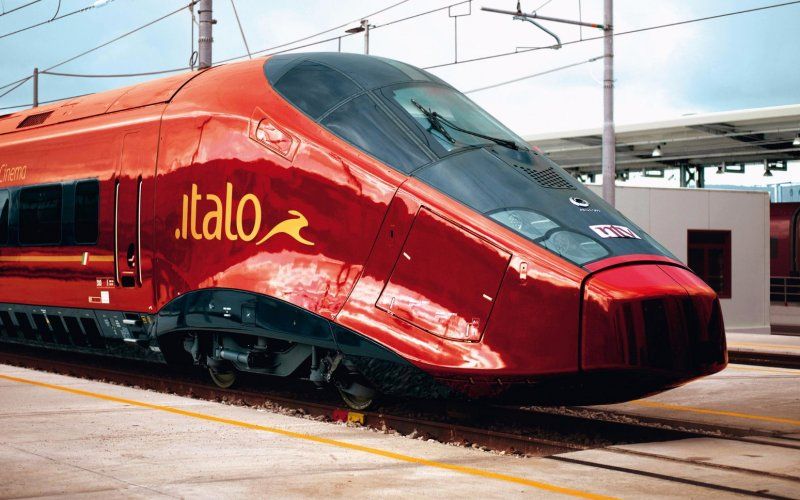
If it is more profitable to travel with the second carrier, why did we mention the first one? The fact is that Trenitalia is the main monopoly holder of the Italian railway. They offer more route options. In addition, Trenitalia "outdoes" its direct competitor in every way. For example, the most convenient stations in the most touristy cities are only accessible to Trenitalia trains, while Italo trains are relegated to secondary stations.
Intercity (intercity)
If you are on a tight budget, consider Intercity trains. There are two types: daytime and nighttime. These trains travel at more modest speeds, but in terms of time and cost, they are the best option. In addition, this type of train allows you to enjoy the beautiful views outside the window.
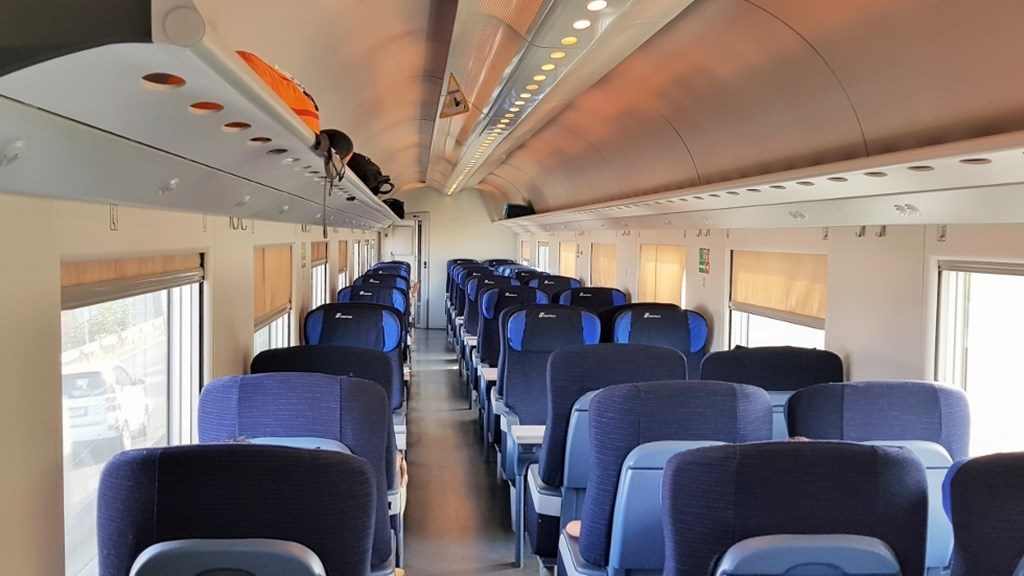
Regional
The cheapest but slowest option for travel is regional trains. They primarily operate over short distances, for example, to nearby small towns. In essence, they are similar to Belarusian electric trains, so be prepared for a maximum number of stops along the way.
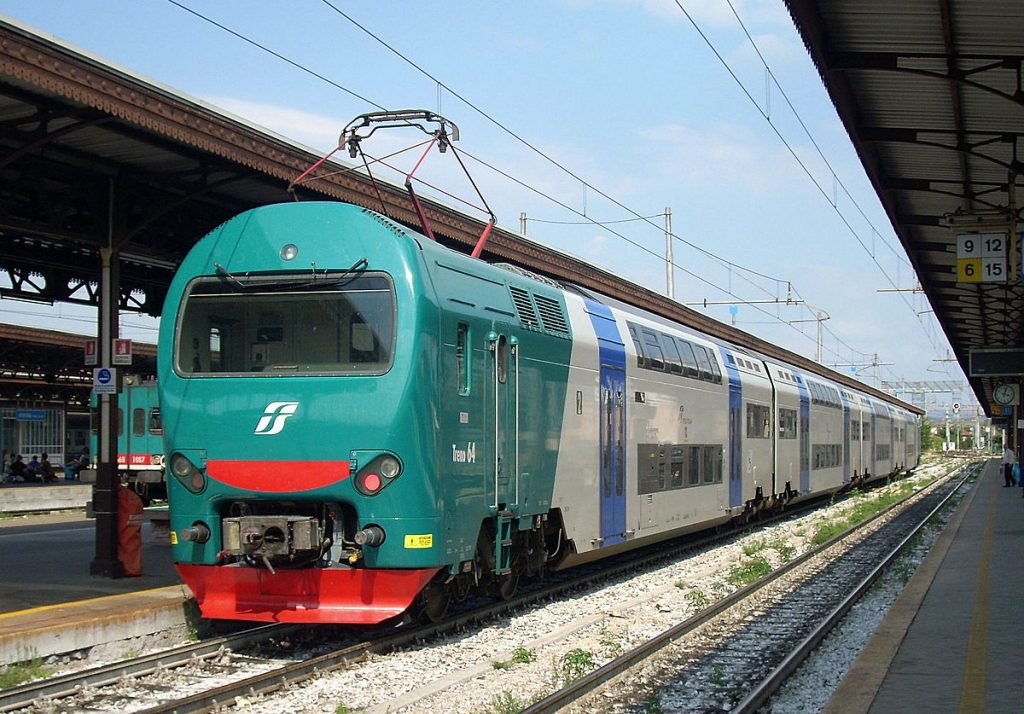
My husband and I traveled all over Italy by train. It was comfortable, fast, and had good Wi-Fi. There is no better way to travel around this country. We even had a case where the train saved us from missing our flight. On the day of our departure from Rome to Vilnius, the journey to the airport turned into a real quest — Italian taxi drivers decided to go on strike! None of the services were working. Fortunately, there is a train that runs directly from the train station to the airport, which got us there on time, said our author Alina.
The main advantages of traveling by train:
1. Convenience
It consists of several things. First, luggage. When traveling by train, you don't have to worry about the weight of your bags or what you can or cannot carry. You can put your suitcases aside and sit in comfortable, clean seats, enjoying the views outside the window.
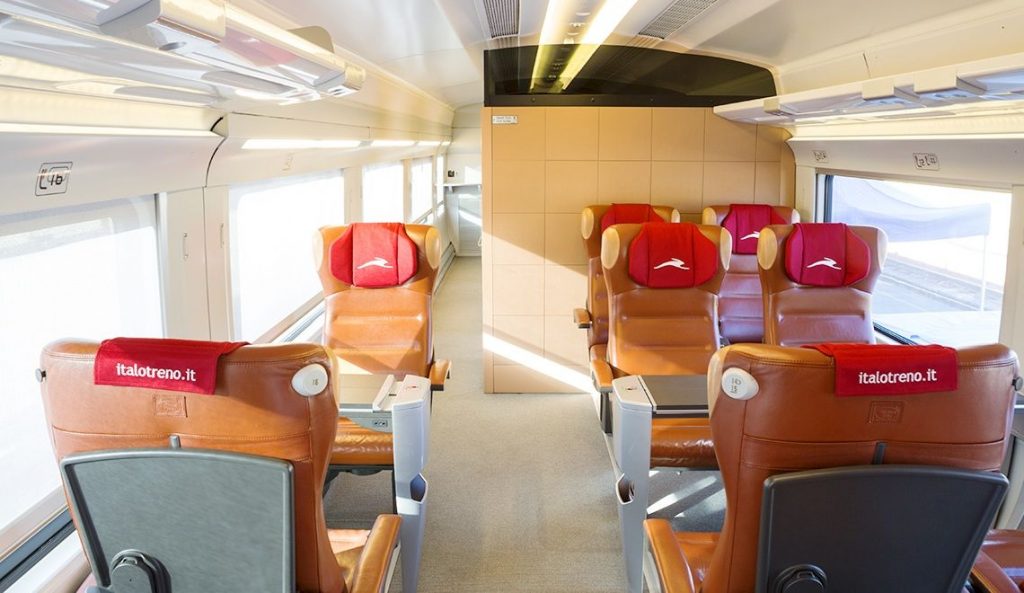
Secondly, purchasing tickets. Buying them online is even more advantageous than at the station. After all, right before departure, the price may be higher than a few weeks or even months before purchase. Incidentally, it is not necessary to print out a train ticket—it is sufficient to download it to your phone.
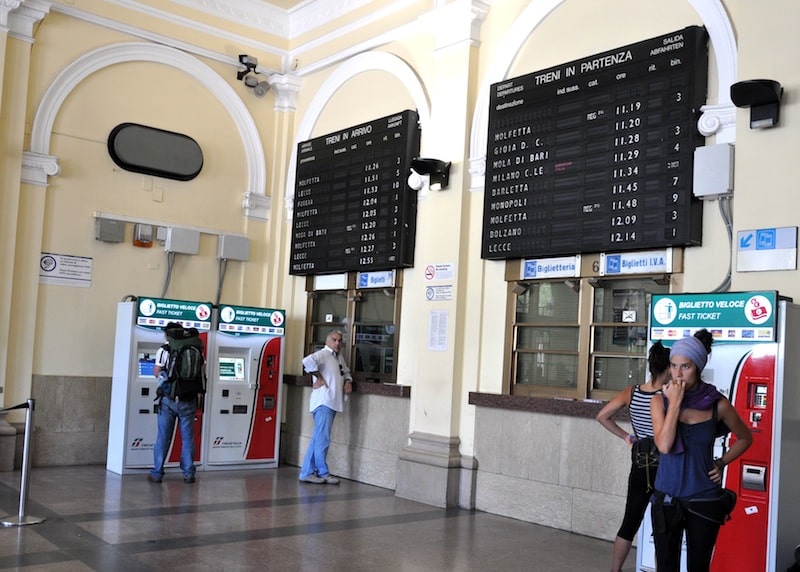
With an online ticket, when you arrive at the station, you can go straight to the platform, bypassing the process of searching for ticket offices and proudly glancing at the people in line.
2. Time savings
Some may argue: what could be faster than an airplane? When traveling between countries, of course, nothing. But when traveling within a country, it is better to choose the railroad. After all, you can fly in half an hour, but checking in for a flight and waiting for your luggage upon arrival takes time. And unlike train stations, airports are not located in the city center, so it takes longer to get there.
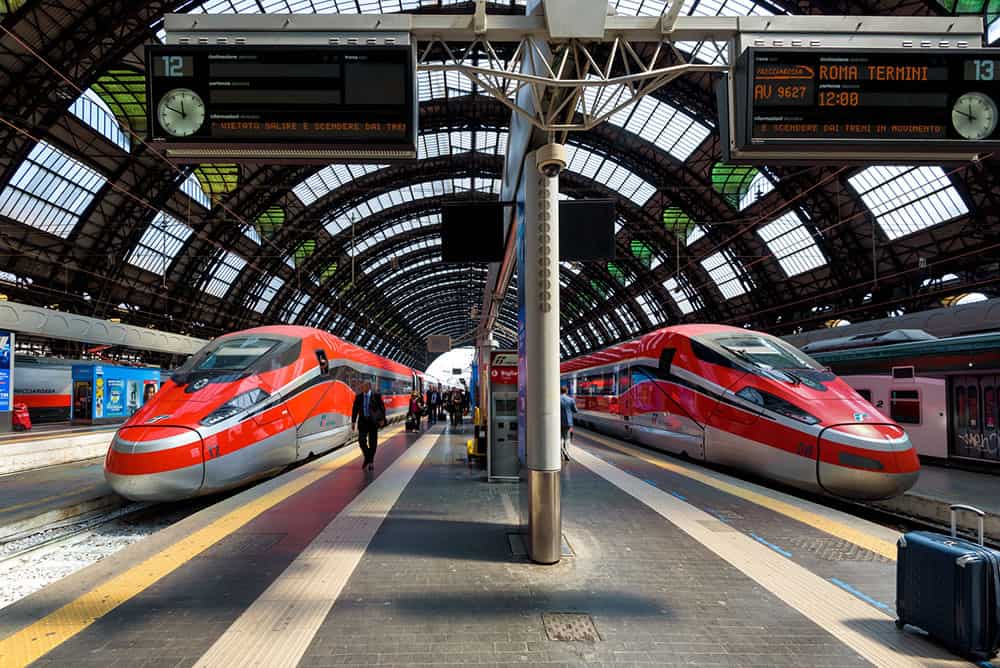
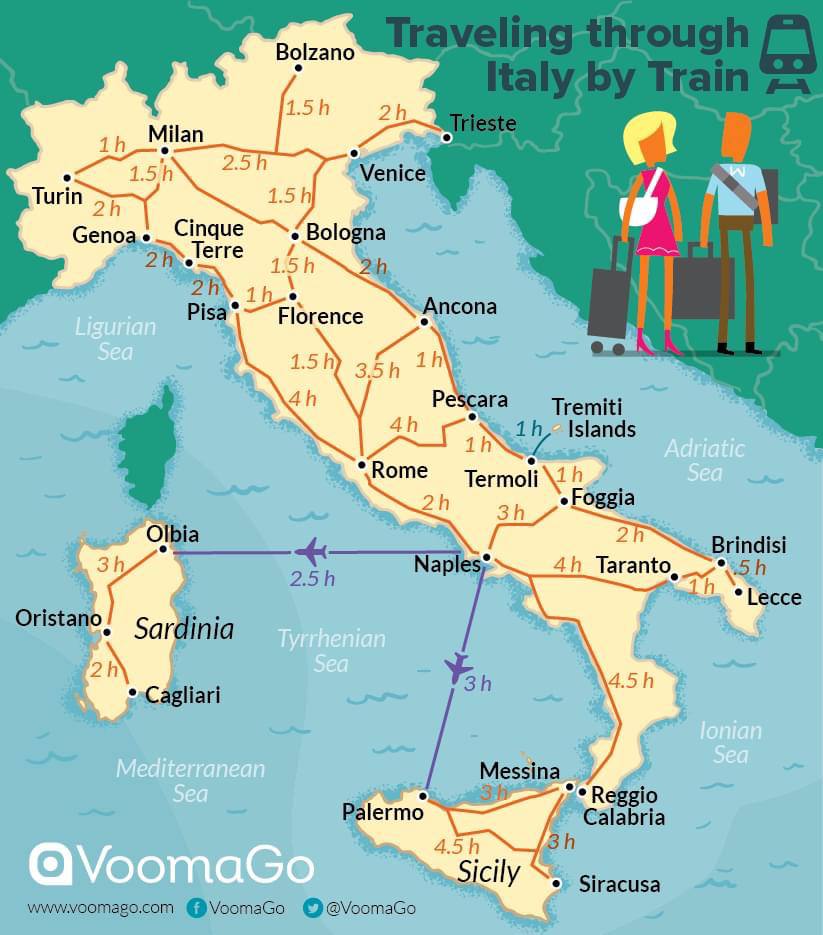
For comparison: Rome to Milan and Verona can be reached in 3 hours, Florence and Naples in 1.5 hours, and Venice in 3 hours and 45 minutes.
It's a different story if you're planning a trip south to Sicily or Sardinia. In Italy, Ryanair and Wizz Air fly between cities, so if you want to go somewhere warm, you should use a low-cost airline.
3. Bonuses and promotions
Almost every Italian carrier has a fairly developed discount system. The longer the journey, the lower the ticket price. Planning a trip with family or friends of three to five people? Read about the "Together" offer — a discount of 30 to 50%. Traveling as a couple? For couples, there is the "You and Me" promotion, which entitles you to a discount of 20 to 50% off the full ticket price.
So, after carefully studying all the offers and promotions, you can plan a profitable trip around the country.
Are there any drawbacks?
But nothing can be perfect a priori, so we have to add a spoonful of tar to the Italian trains, which we have rightly showered with praise. While you can set your watch by the Swiss railway schedule, delays of 10-20 minutes are commonplace for Italian trains. Keep this in mind when traveling with transfers!
Also, keep in mind that strike is one of the favorite words of Italians. Fortunately, railway workers do not strike very often. For example, the most recent mass strike took place on September 9, 2022. Leading companies Trenitalia, Italo, and Trenord demanded that the safety of conductors and train drivers be ensured. The strike was prompted by several incidents of aggression by passengers.
Otherwise, Italian trains and stations, where they prepare that very pizza and latte right in front of you, are simply made for traveling around the country. The country generously finances projects for new high-speed lines and train safety systems.
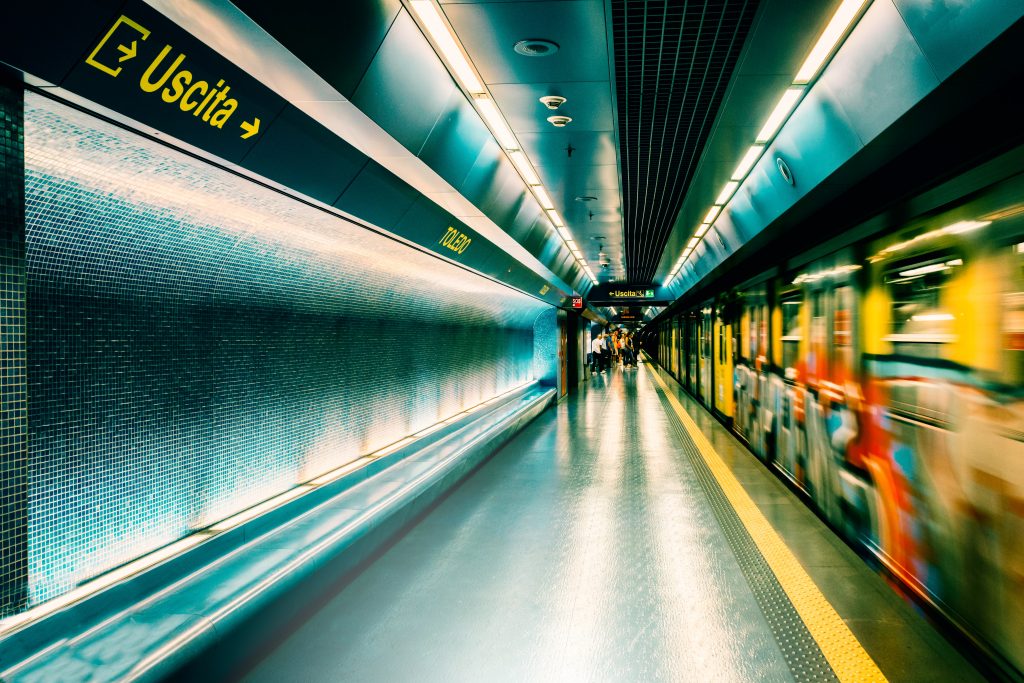
For example, according to the business plan for 2019-2023, €58 billion was invested in state railways. These funds were used to expand the conventional rail transport network and suburban routes. Do we need any more facts to explain the locals' love of trains?
If, after reading this article, you are seriously considering a trip to the Apennine Peninsula, you will need a mini-dictionary to get around by train:
- Partenze — departure;
- Arrivi — arrival;
- Bin — platform number;
- Carroza — car number;
- Pozti — seat number.
Buona fortuna and have a good trip!