For the vast majority of travelers visiting Romania, there are two main "tourist Meccas" on the itinerary: the capital of Transylvania, Brasov, and the gloomy Dracula's Castle, Bran. They are located within an hour's drive of each other. So what should you do when you've seen and explored both locations and are already bored with them, but still have time left? Don't rush to leave and travel far away in search of new experiences. There are two wonderful towns near Brasov. One is a regular feature in tourist guides, Sinaia with Peles Castle. The second is the undeservedly overlooked Rysnov. What makes them remarkable? Read our mini-guide to find out.
Ryshnov
This town is located exactly halfway between Brasov and Bran. So you can include it in your trip to Dracula's Castle. Buses to Bran, departing from Autogara 2 (Bus Station 2) in Brasov, make a stop on request in Ryshnov. It will be a little more difficult with the return ticket: public transport returns from Bran loaded with satisfied tourists. And it does not always stop in Râșnov. This is not because of the drivers' malice, but due to a simple lack of space. But don't worry. Rysnov and Brasov are connected not only by suburban buses, but also by municipal buses used by locals. They run about once an hour and cost a couple of euros per ticket.
Ryshnovskaya Fortress
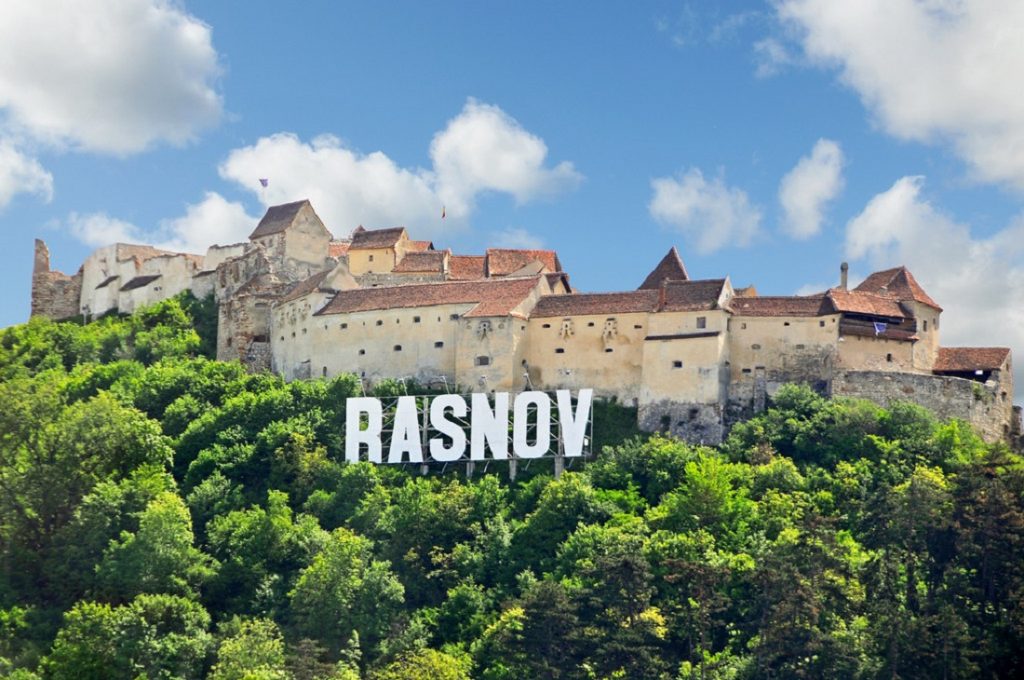
Undoubtedly, the main attraction of the city is the Ryshnov Fortress, which is currently undergoing reconstruction. However, it is open to tourists free of charge. The fortress towers over the city at a height of 200 meters. You can take the funicular to get to the top, but I would recommend walking up. 800 steps is not such a big challenge for an active traveler. Along the way, you can enjoy views of the city from different angles and get a feel for what the soldiers besieging the fortress had to endure.
The Ryschnow Fortress, like Brasov, has a barely noticeable but undeniable connection to our history. The fortress was built by the Teutonic Knights, starting in 1215. After quarreling with neighboring Hungary, the Teutonic Knights began to settle on the Baltic tribes and the Grand Duchy of Lithuania on the Baltic Sea coast and disturb our ancestors. The Ryschnow Fortress they built also disturbed neighboring states, which tried to capture it repeatedly. However, they only succeeded once in its 800-year history — in 1612.
There is a local legend associated with the Ryshnovskaya Fortress. The surrender of the fortress in 1612 demonstrated the need for it to have its own well to provide the garrison with clean water. According to the legend, this mission was entrusted to two captured Turks, who were promised their freedom. The prisoners spent 17 years digging through the rock to reach the source. But then they were killed by the townspeople, who did not keep their word. Romanian historians do not believe in the legend. The well was indeed built over 17 years, from 1623 to 1640. But it was Saxon craftsmen who dug 98 meters into the rock.
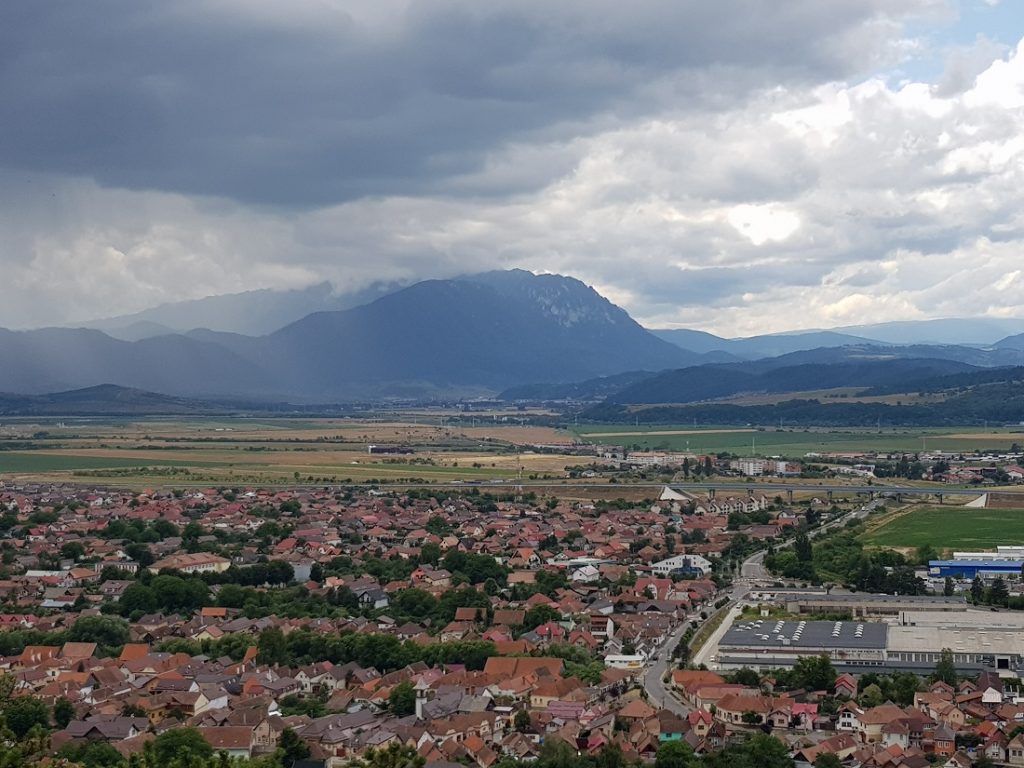
Tourists who climb to the top of the hill will be rewarded. First, with beautiful views of the Ryshnov Valley, framed by high mountains. Second, travelers can visit the museum of feudal art inside the fortress, which displays weapons, tools, antique furniture, armor, and even a torture mask and yoke used to transport prisoners.
Evangelical Church of Ryshnov
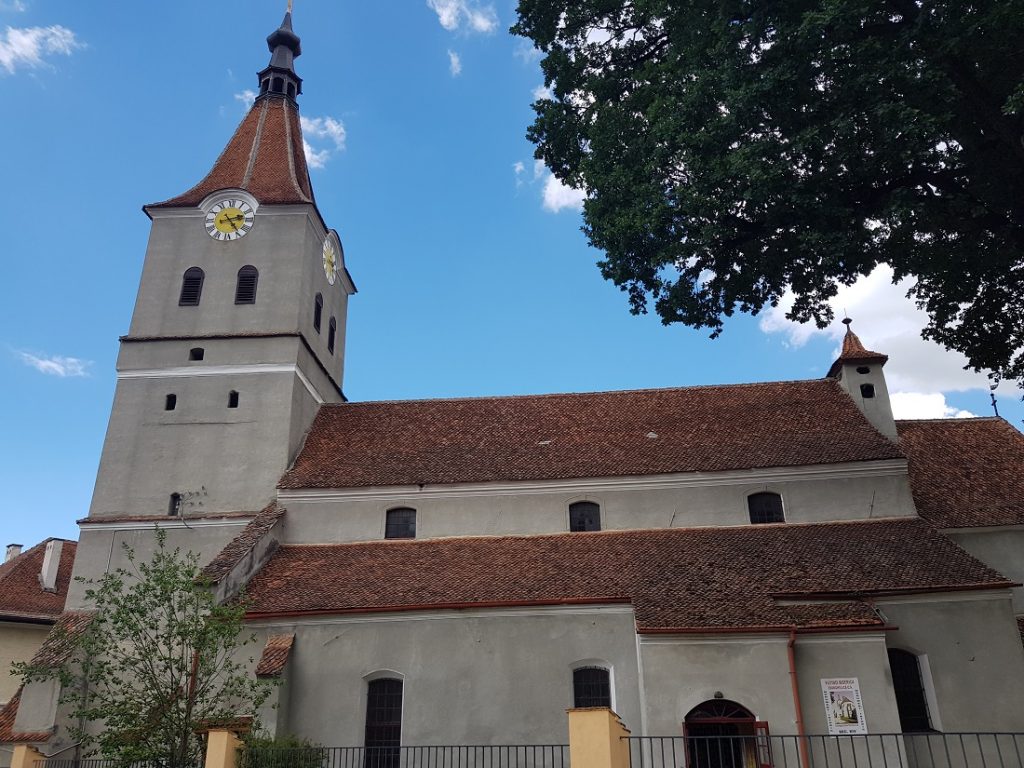
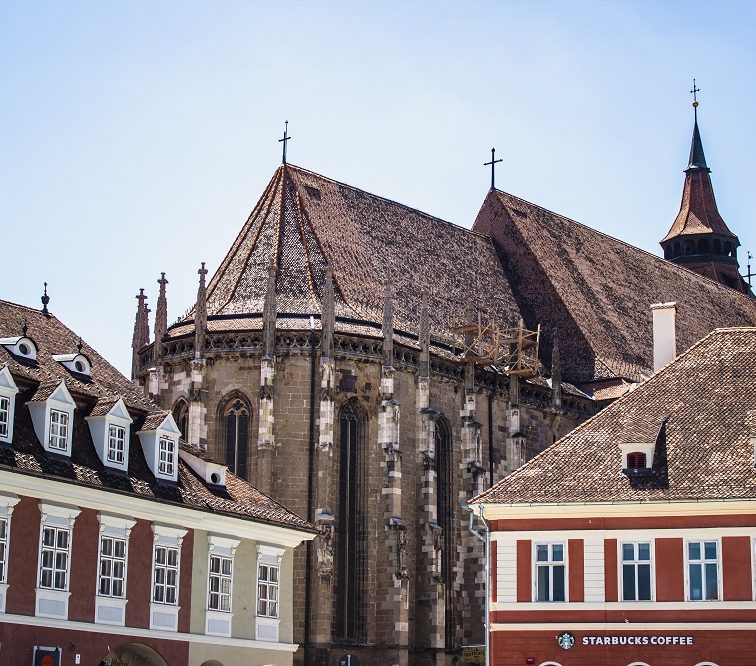
At the foot of the fortress hill, grab a bite to eat at one of the cafes on the quiet square. While you're there, look for the tallest building in town— the Evangelical Church of Rysnov. It was built in the early 14th century. For architecture enthusiasts, the church is of particular interest due to its symbiosis of two styles: Romanesque and Gothic. The building is literally stuck between two cultural eras, which is evident in its appearance. Another symbiosis characteristic of this region is the religious affiliation of the church. Created by Catholics, in the 16th century it passed into the hands of the Lutheran community. The new owners hastened to transform the house of God according to their understanding: they removed many statues of saints from the interior and painted over the frescoes.
- Romanian Frankenstein: a guide to Bucharest
- Heart of Transylvania: Brasov Guide
- In pursuit of vampires: we go to Romanian Bran
Sinai and Peles
Between Brasov and Bucharest lies another notable Romanian landmark, Sinaia. It is known for its monastery and castle. It is very convenient to get there by train, which runs every hour from the capital of Transylvania to the capital of Wallachia. The hour-and-a-half journey to Sinaia is hardly enough to enjoy the mesmerizing views of the Romanian Carpathians. But once you get off at Sinaia station, you can gaze at the silent stone guardians of this peaceful corner for as long as your heart desires.
Sinai Monastery
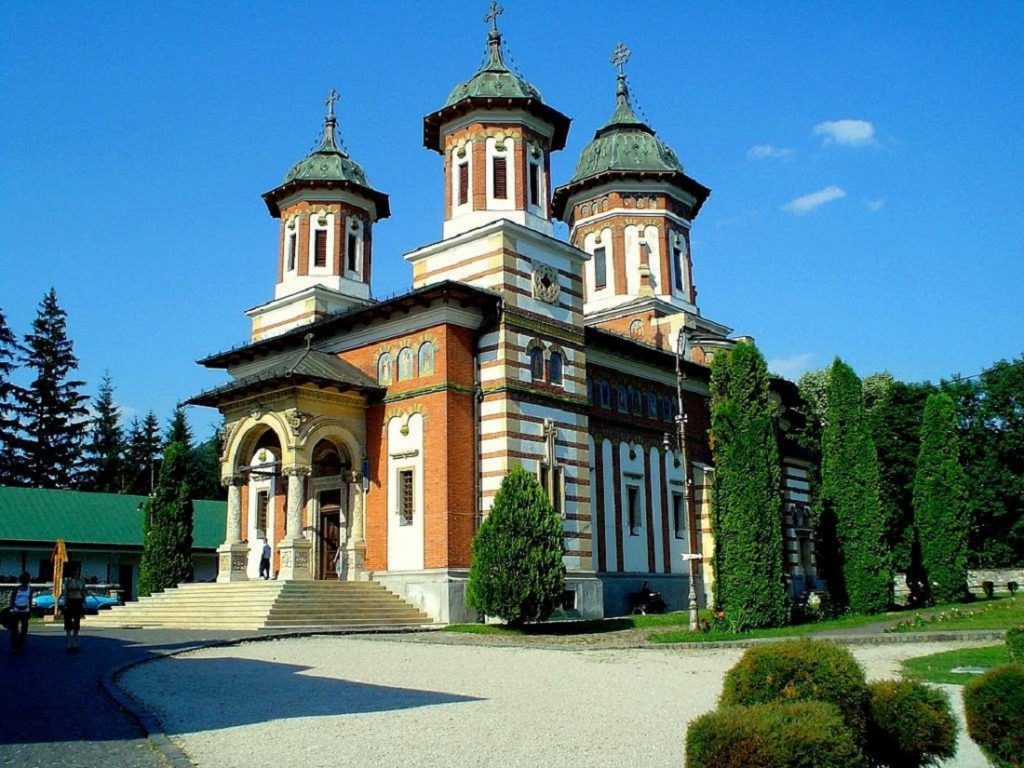
Until the 19th century, Sinaia was known primarily for its Orthodox monastery. The city owes its existence to this monastery, as it grew up around it. If you thought that the name "Sinaia" has something to do with the Sinai Peninsula in Egypt, you are correct. The current Romanian shrine was created at the end of the 17th century by the nobleman Mihai Cantacuzino. He decided to do this after his pilgrimage to the monastery of St. Catherine on Mount Sinai in Egypt.
The Sinai Monastery is a whole complex of buildings: cells, churches, tombs, and a bell tower. Initially, the monastery was built to house twelve monks, following the example of Jesus Christ, who chose twelve apostles. However, over time, the number of monks increased, requiring additional buildings. As a result, the complex acquired its modern appearance.
Peles Castle
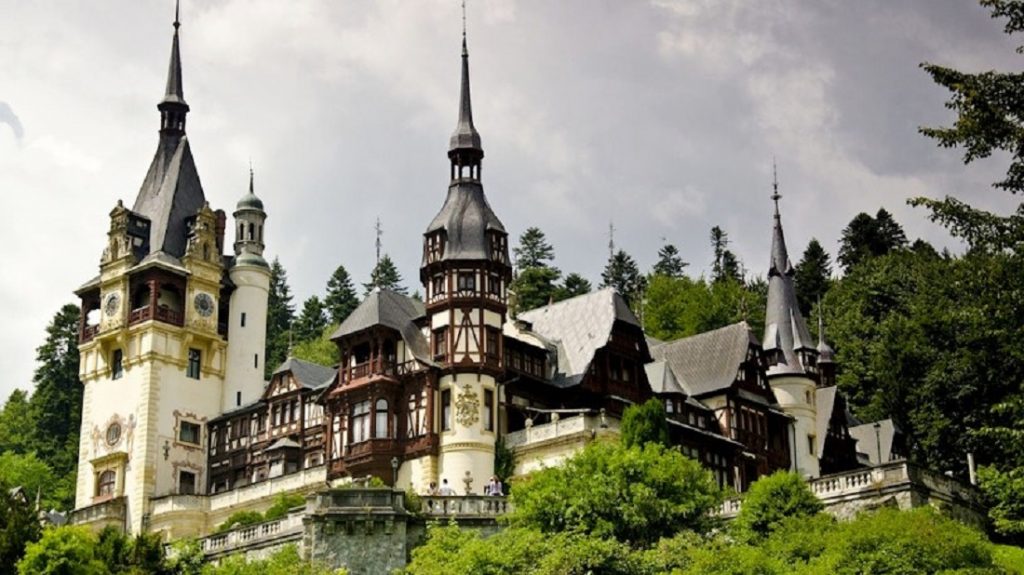
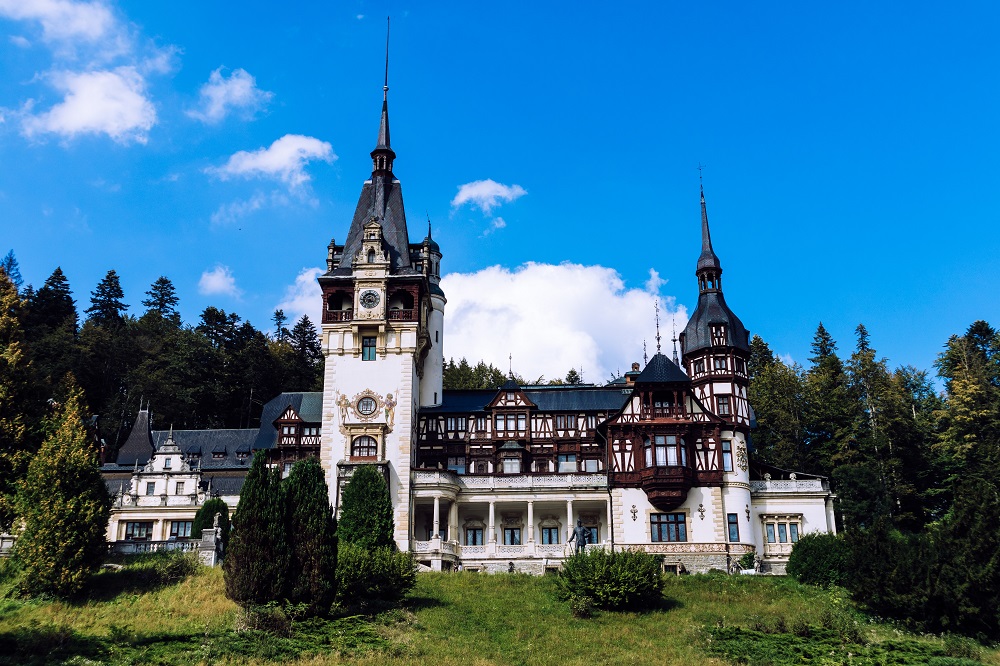
After getting inspired at the church complex, head to the next monument, Peles Castle, which is famous all over Romania. Peles was built by Carol I, the first king of independent Romania, as a summer residence. The castle often served as a refuge for royalty. Architect Johann Schulz used a mixture of styles in its construction. And he did so, it must be said, very successfully. There is nothing artificial about the intertwining of Neo-Renaissance, Baroque, Rococo, and Moorish styles; everything looks very organic.
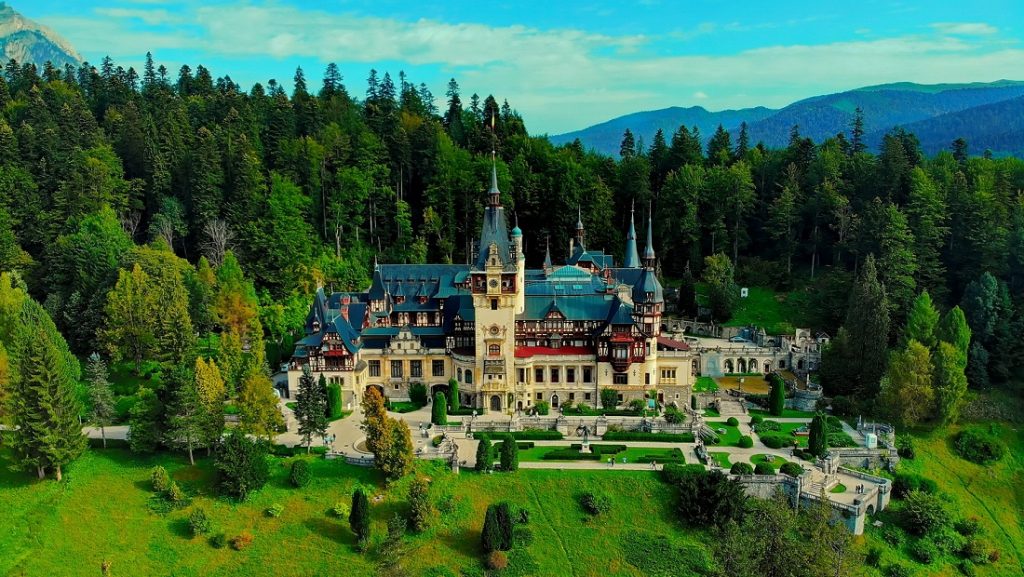
Every inch of this castle is imbued with royal spirit. An exquisite collection of Meissen porcelain, hand-painted stained glass windows from Switzerland, rich oriental carpets, ivory, gold, and silver adorn the castle. The Florentine Hall is decorated with ebony wood, while the Turkish Hall is covered with silk. The theater room is furnished in the spirit of the Sun King. At the beginning of the last century, the castle's inhabitants watched movies there. Interestingly, the most modern technologies of the time were used in the construction of the castle. Built in 1883, the castle was equipped with central heating and fully electrified.
35 of the 168 rooms of Peles Castle that are open to tourists are accessible as part of an organized tour for €10. You can reach Peles from Sinaia railway station on foot in 30 minutes. However, keep in mind that the road is uphill. Don't forget to check the castle's opening hours on the website so you don't end up visiting on a day when it is closed.
Pelishor Castle
By the way, when visiting the castle, you will find two bonuses waiting for you — Pelisor Castle and the Foisor hunting lodge. They are located within walking distance of their larger counterpart. Pelisor, or "little Peles," was built by order of Carol I for the family of the heir to the throne, the future King Ferdinand I. The future King of Romania, Carol II, the future Queen of Yugoslavia, Maria, and the future Queen of Greece, Elizabeth, spent their childhood in this castle. Unfortunately, Voischor, which is closed to visitors, is where the last Romanian king, Mihai I, son of Carol II, was born.
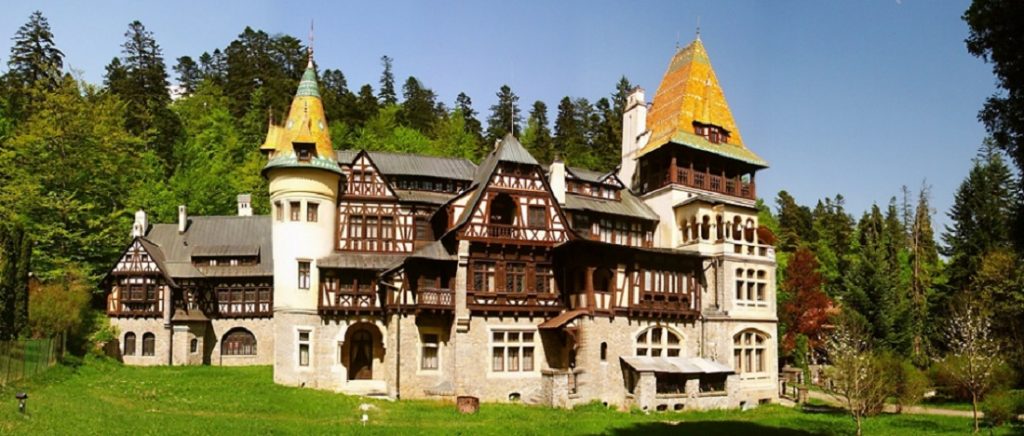
The Romanian government demonstrated its best qualities. In 2006, it attempted to return the castle complex, which had been nationalized by the communists, to its former owners. Mihai I, who was still alive at the time, graciously accepted the gift. But then he decided that such real estate would be too much of a burden on the balance sheet. So he handed the newly acquired property back, receiving €30 million in return. Thanks to this exchange, today we can visit Peliș and Pelișor, feeling our connection to the royal family and its difficult and amazing history.