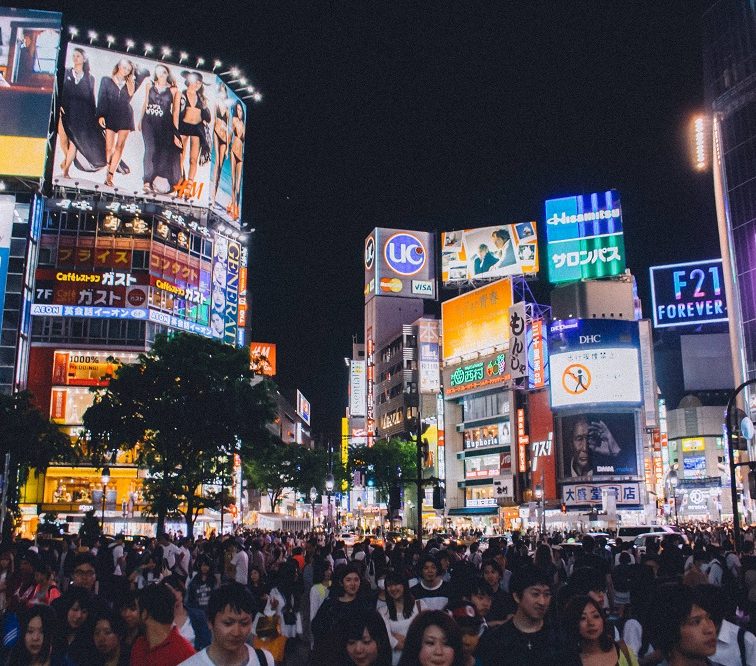
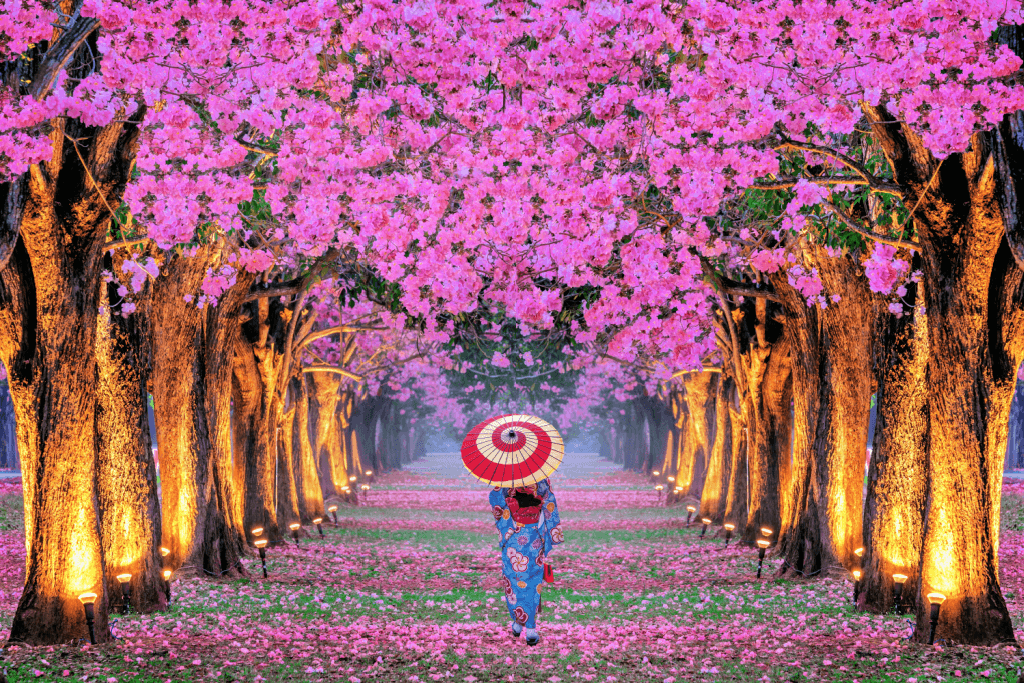
Japan is the perfect country for new experiences. Beautiful nature combined with vibrant city life and delicious, unusual food. And all of this is topped off with a dash of Japanese authenticity.
For those visiting the country for the first time, there is a recommended itinerary: Tokyo, Kyoto, Osaka. This is the easiest way for travelers to get acquainted with the peculiarities and diversity of Japan.
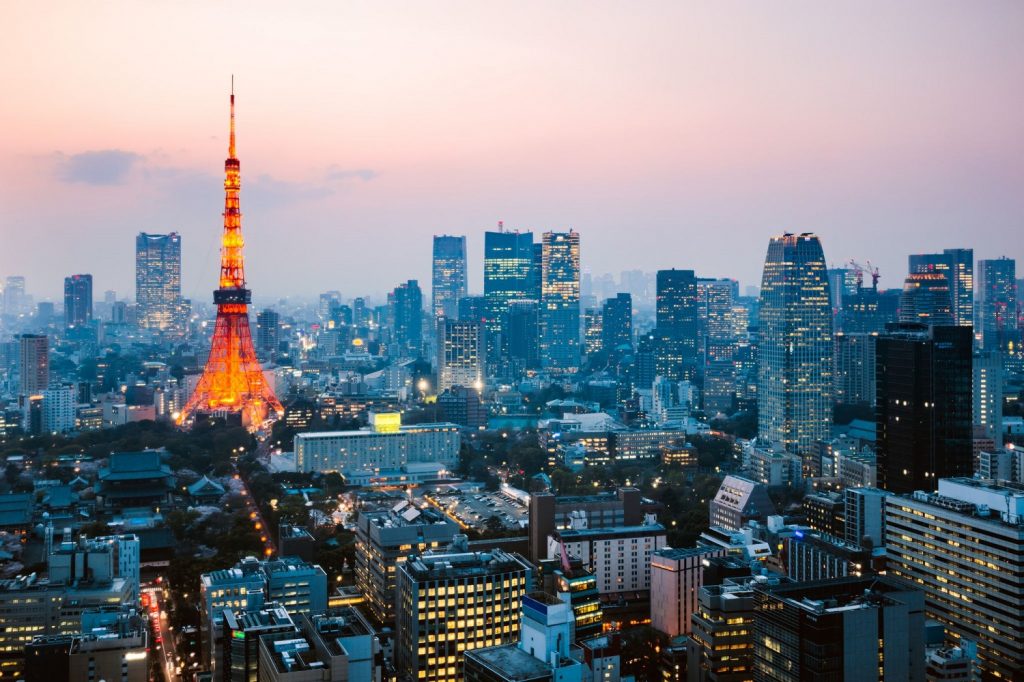
Tokyo and its surroundings
Koishikawa Korakuen
You can start your tour of the capital with Koishikawa Korakuen Gardens. This is perhaps one of the most beautiful landscape gardens in Tokyo. It is also one of the oldest, having been created in the mid-17th century by the rulers of the Tokugawa clan.
The garden's architecture shows subtle Chinese influences. Around the perimeter are reproductions of Japanese and Chinese landscapes in the form of miniature hills, ponds, rocks, and trees. A circular path around the pond allows visitors to enjoy new views every few steps.
Koisikawa Korakuen is beautiful at any time of year. In autumn, you can see the brightly colored leaves of Japanese maple trees, in late winter, plum blossoms, and in summer, a variety of flowers. But it is especially beautiful here in spring during the cherry blossom season.
Despite the garden's location surrounded by fairly busy areas, peace and quiet reigns inside.
Nijubashi Bridge
One of the most popular spots for photos is the Nijubashi Bridge, or "Double Bridge," near the Imperial Palace Park. When viewed from the front, the two separate bridges appear to be a single two-story bridge. The front bridge is made of stone, while the rear bridge is made of steel.
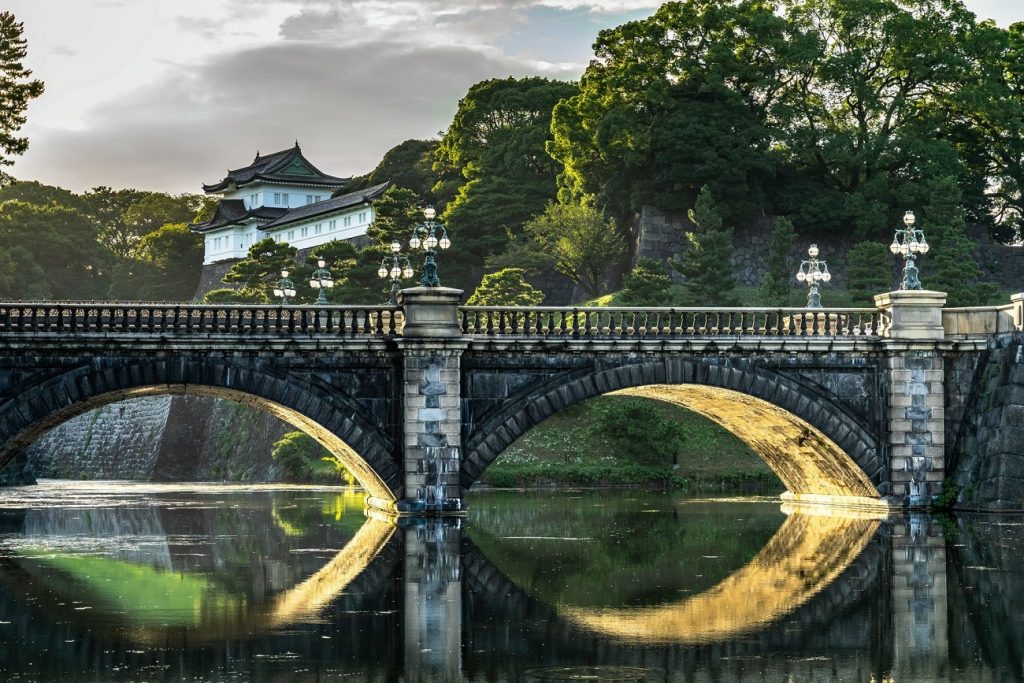
It is only opened on special occasions, such as for official state guests and for ceremonies at the Imperial Palace. Also, every year on January 2 and December 23, people are allowed to enter the East Square (Totei) of the Imperial Palace from the Nijubashi Bridge.
Asakusa district
One of the most interesting areas of Tokyo is Asakusa. If you visit Nakamise-dori shopping street, where numerous vendors offer tourists a variety of souvenirs and local delicacies, you won't leave empty-handed.
In addition, the area has its own attractions. For example, there is the Buddhist temple Senzo-ji, also known as Asakusa Kannon Temple. According to legend, two brothers fished a statue of the goddess of mercy, Kannon, out of the river. They did not know what to do with it and put it back in the river. But no matter how hard the brothers tried to "float" the statue away, it always returned. Then, not far from this place, they built a temple in honor of the goddess. Construction was completed in 645.
Sumida Park
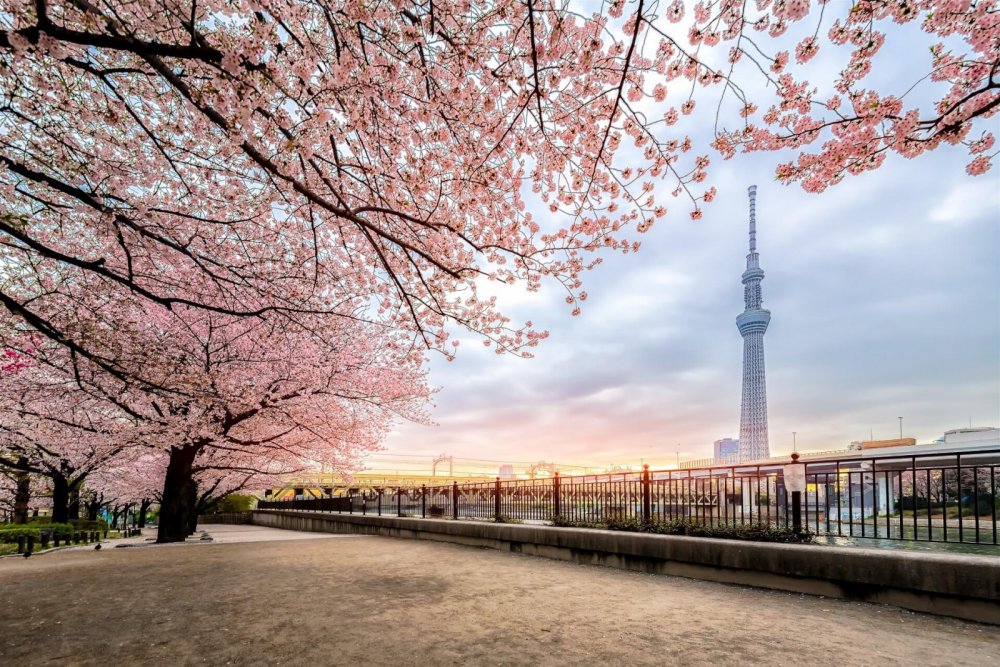
Sumida Park is just a few minutes' walk from Asakusa Station. Every year, large-scale events are held here and numerous fireworks are set off in honor of the cherry blossoms. At night, the trees in the park are illuminated by countless lights, creating a beautiful scene.
During the day, you can have a picnic in the park, ride a water tram, or stroll along the Sumidagawa River while enjoying the view of the Tokyo Skytree television tower.
Odaiba district
From the pier at Asakusa, you can take a small boat to the Odaiba area. It is located on an artificial island in Tokyo Bay. It is a high-tech, modern, and colorful island. There are many attractions for the whole family, where you can spend the whole day.
Since you are in Japan, it is worth participating in a traditional Japanese tea ceremony. At the end, you will even try your hand at making tea yourself under the careful guidance of a master.
You can also take the "Tokyo Traditions" tour on public transport. If you are traveling with children, be sure to check the cost of travel for them on different modes of transport so you don't miss out on good discounts. You can read more about traveling to Tokyo with a child here.
Fuji-Hakone-Izu Park
The next destination after Tokyo is Fuji-Hakone-Izu National Park. It is divided into four areas: Mount Fuji and Hakone in the north, and the Izu Peninsula and Islands in the south. The landscape was formed by millions of years of volcanic and tectonic activity.
In the park, you can walk through the forest, explore lava caves, and visit the Seikyo Outpost Museum, created in the traditions of the Edo period. And off the southern coast of Izu, you can go swimming with dolphins.
In addition, Hakone is known as one of the best hot spring resorts in Japan—onsen.
In this area, everyone can find an outdoor bath with mountain views to suit their needs, whether they are a family or a couple looking for privacy. It is worth noting that not all onsens allow people with tattoos.
If bathing isn't your thing, you can take a cable car ride and enjoy the magnificent views from above. Then you can head to Lake Ashi (or Ashinoko). It was formed in the caldera of Mount Hakone after the last volcanic eruption 3,000 years ago. There are several small towns and a couple of resort hotels on the shores of the lake.
The best views of the lake and Mount Fuji can be enjoyed from the separate palace garden in Hakone or from excursion boats cruising on the lake. The main thing is to be lucky with the weather and hope that Fuji is not hidden by clouds.
On the way to Kyoto, you can see the 15th-century Odawara Castle, which was destroyed by earthquakes and people. However, at the end of the 20th century, it was rebuilt according to old drawings from the Edo period.
Kyoto
From 794 to 1869, this city was the capital of Japan and the residence of the emperor. Over the centuries, Kyoto was destroyed by wars and fires, but due to its historical value, the city was included in the UNESCO list. Today, the city has preserved a large number of temples, shrines, and historically significant buildings.
Gion District
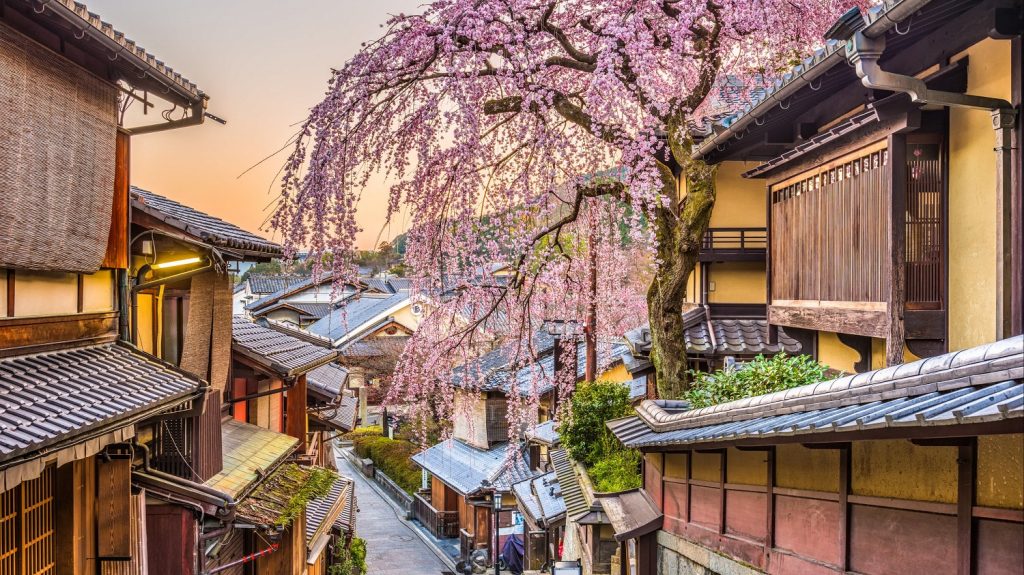
The most famous geisha district in Kyoto is Gion, located between Yasaka Shrine in the east and Kamo in the west. The district is home to shops, restaurants, and teahouses where geisha and their apprentices (maiko) entertain guests.
There are many traditional merchant houses, called machiya, throughout Gion. When property taxes were calculated based on the size of the street-facing facade, houses were built narrow and long.
Higashiyama District
A visit to Gion is best combined with a walk through the nearby Higashiyama area between Yasaka Shrine and Kiyomizu-dera Temple. The latter is located on wooden stilts on the very slope of the hill and is surrounded by many cherry trees. This view has become the city's calling card. This area has the most preserved streets and traditional shops with all kinds of local products, crafts, and souvenirs.
Kinkaku-ji Temple
Kinkaku-ji Temple, better known as the "Golden Pavilion," is located in northern Kyoto. The upper two floors of the temple are completely covered in gold leaf. This impressive structure overlooks a large pond in which it is reflected and is the only surviving building from the entire complex. However, it has burned down several times. The last time it was set on fire was in 1950 by a fanatical monk, but the building was restored.
Nijo Castle
Nijo Castle is known for its creaking floorboards, which imitate birdsong. The castle grounds can be divided into three parts: Honmaru (the main defensive circle), Ninomaru (the second defensive circle), and the gardens. The entire castle grounds and Honmaru are surrounded by stone walls and moats.
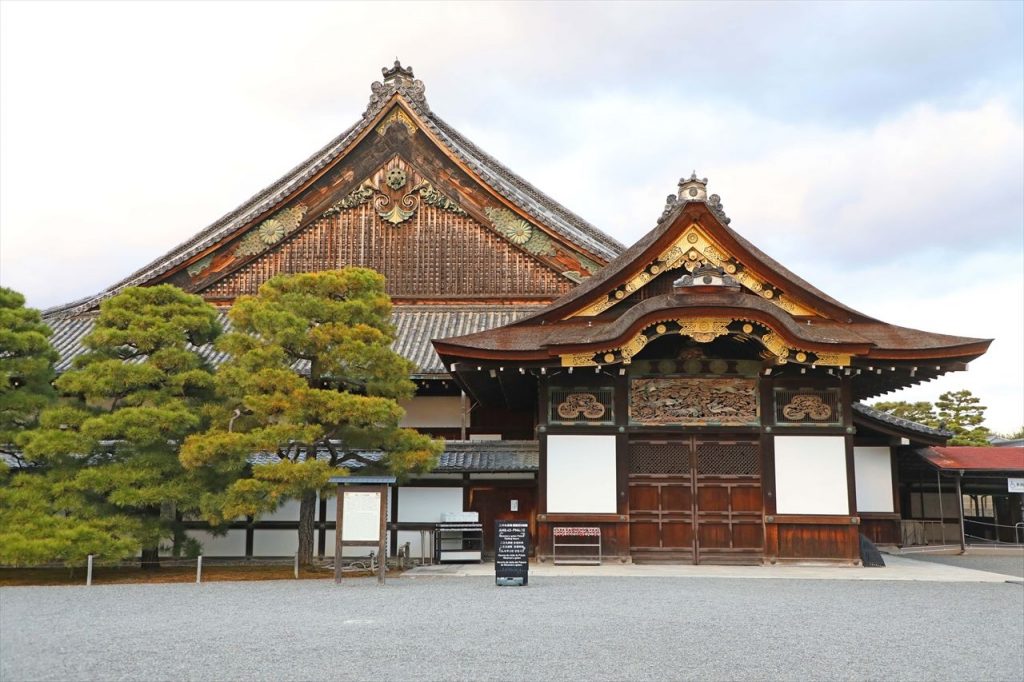
The Ninomaru Palace served as the shogun's residence and office during his visits to Kyoto. Honmaru was the location of the second palace complex and the five-story castle fortress, but both buildings were destroyed. The residence was moved from the Katsura Imperial Palace to their place, where it remains today, but now as the Honmaru Palace.
Several gardens around the castle are popular for their variety of cherry blossom trees, which bloom from late March to late April. The castle also has a plum garden, which usually blooms in late February. There is also Seiryu-en, a garden that is half Japanese and half Western in style, built for tea ceremonies and other events.
Osaka
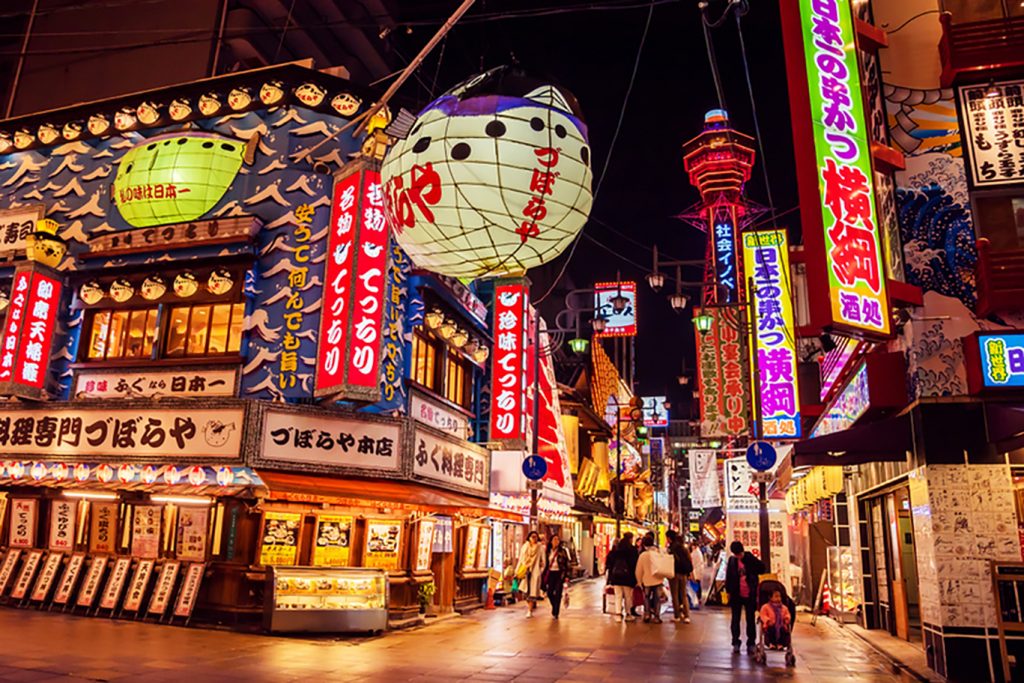
It is Japan's second largest metropolis after Tokyo, formerly known as Naniwa. At a time when the capital moved with the advent of each new emperor, Naniwa was the first of Japan's known capitals.
Nara
Osaka is a convenient starting point for visiting Nara, famous for its herds of deer roaming the impressive city park. Although wild, the deer are accustomed to people. They bow in greeting, and visitors reward them with special crackers.
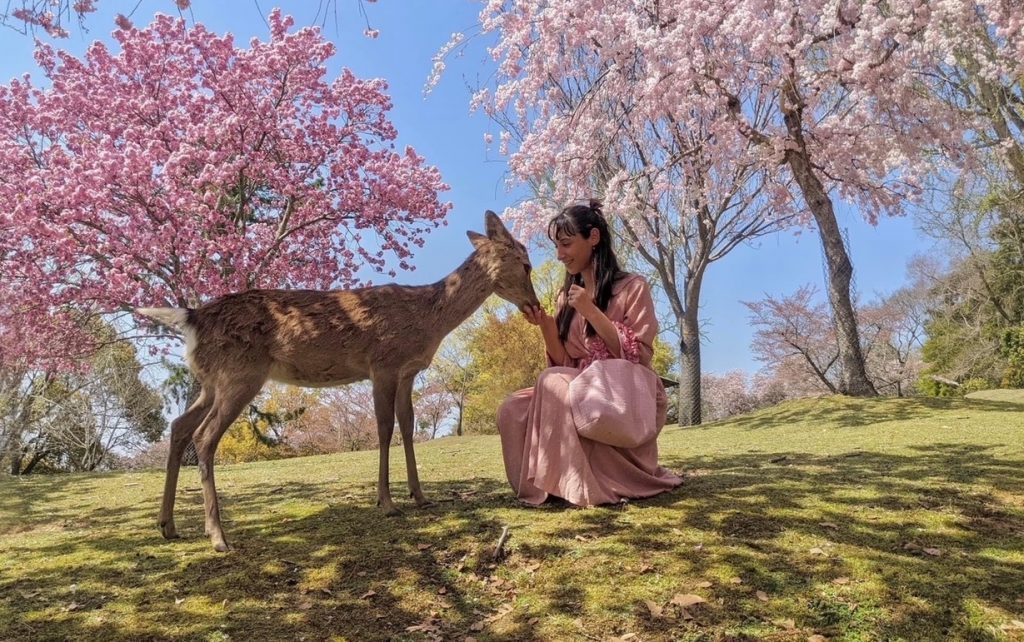
The city also has many ancient shrines, eight of which are designated by UNESCO. For example, Kofuku-ji Temple, some of whose buildings are over 1,000 years old. Visiting the temple is free, except for some halls. The exceptions are the Central Golden Hall with Yakushi Buddha, the Eastern Golden Hall, and the National Treasure Museum.
Not far from Kofuku-ji is Isui-en, a "water-based garden." Inside are several tea houses. The garden itself is a beautiful example of Japanese Zen.
One of Nara's most famous buildings is Todai-ji Temple. It is the largest wooden structure in the world. The Great Buddha Hall houses the world's largest Daibutsu-san, or Bronze Buddha statue.
Finally, you can take a stroll along Higashimuki Shopping Street and between the rows of Mochidono. Here you will find kimonos, ceramics, traditional Japanese sweets, and handkerchiefs. You can also enjoy a delicious snack here.
Himeji
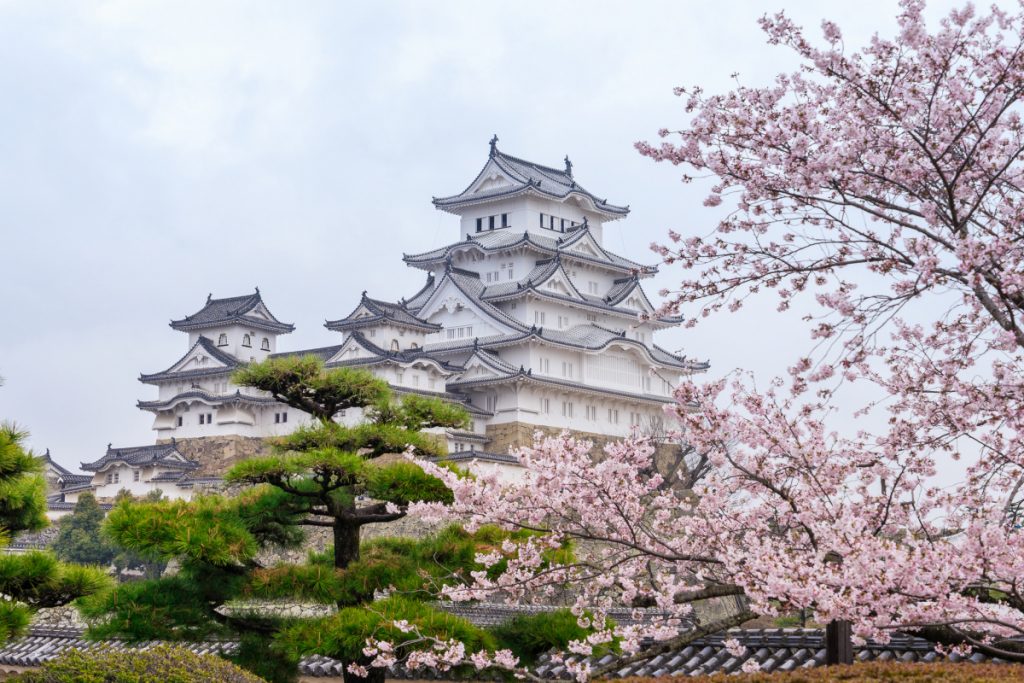
From Osaka, you can travel to Himeji, famous for its feudal castle of the same name. The complex of buildings may be known as the White Heron Castle because of its white color. It is large and beautiful, but with a complex layout. The castle buildings were not affected by wars or fires.
You can plan your trip to Japan yourself by researching information in advance, booking hotels, and selecting guides. You can read about the country's unique features here. However, keep in mind that during the cherry blossom season, there will be many visitors. If you prefer not to deal with the complexities, entrust your vacation to the tour operator TravelHub.