For me, London is associated with jazz. It has its own rhythm, mood, emotions and, of course, the lion's share of improvisation. Once you're here, there's nothing else to do but dive into it all with your head. I went to the capital of England for a "breath of fresh air". Today I can say that it was the right decision. If you too are looking for a place to reboot, I hope this guide will help you find it, because it's almost a ready-made a tour of England.. We will tell you what to see in London in 5 days, from this you can make an itinerary for 3 days or even a weekend. However, please note that you will need visa to the UK for Belarusians.
Transfer
London has six airports for tourists: Heathrow, Stansted, Gatwick, Luton, London City Airport and Southend. No other European city has so many commercial airports. All of them, with the exception of City Airport, are dozens of miles from the capital itself, and therefore you can't do without a transfer to the capital.
Despite the sometimes impressive distance, in almost all cases it is possible to get to the city center by public transport and save a lot of money. Here are some routes from the busiest hubs.
Heathrow
Already on arrival you will see many signs advertising and directing you to the Heathrow Express train. This is a good option if you want to ride the most expensive train in the world for the price per minute of travel: £25 for a 15-minute ride.
If you're an early bird who buys your ticket online 90 days before you travel, the price for you will be just £5.5. The pros of the train are: speed, cleanliness, comfort, space for luggage, the ability to recharge your phone and free internet.
If you're not one to plan ahead, then head towards the Elizabeth branch of the subway. For £12.80 and 28 minutes you'll be in the center (Paddington area).
Gatwick
There is a similar situation with the express train, which costs £20 for a 30 minute journey to Victoria station. The ticket price includes the same 'perks' as Heathrow. Buying Express tickets online can save you around 10%.
The alternative? The Southern train, priced at £12.50 for a 33 minute journey to the same Victoria station. I think three minutes of your time is worth the money saved.
Tip: check your route using Google Maps or Citymapper. Just don't forget to put your arrival time, as public transportation schedules vary from day to day.
Metro
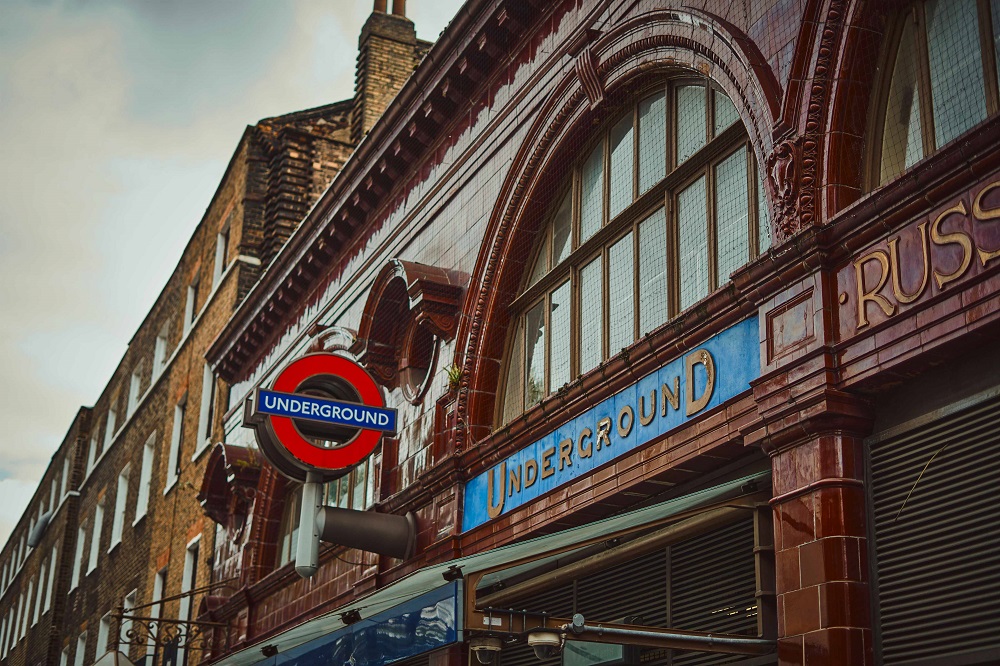
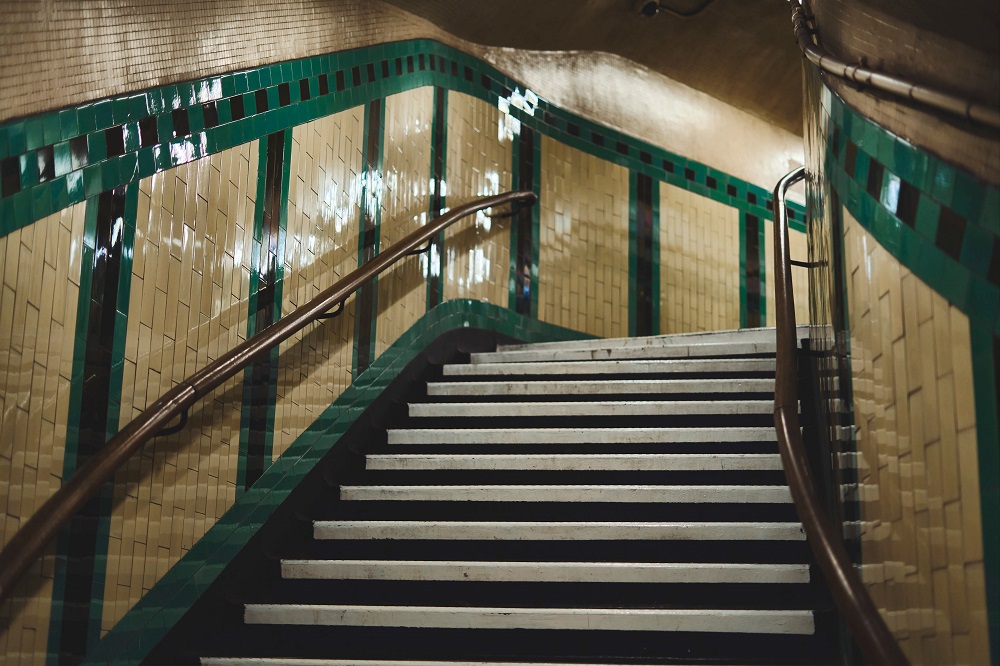
The oldest subway in the world (open since 1864) is in London. After riding it, you can put a "tick" near your first attraction. The subway is spread over 11 branches with 272 stations and a total length of about 400 kilometers. You can get to almost anywhere in the city.
Many people have already heard of the Oyster Card, an electronic card for paying for public transportation in London. For a long time it was the main method of fare payment, but now there is an option for contactless cards and Google/Apple Pay via electronic watch or phone.
For tourists who come to the city for a short period of time, it is even more favorable to pay with a bank card. So don't stockpile unnecessary plastic in your wallet. However, if your bank charges too high a commission for currency conversion, it is still wise to choose Oyster.
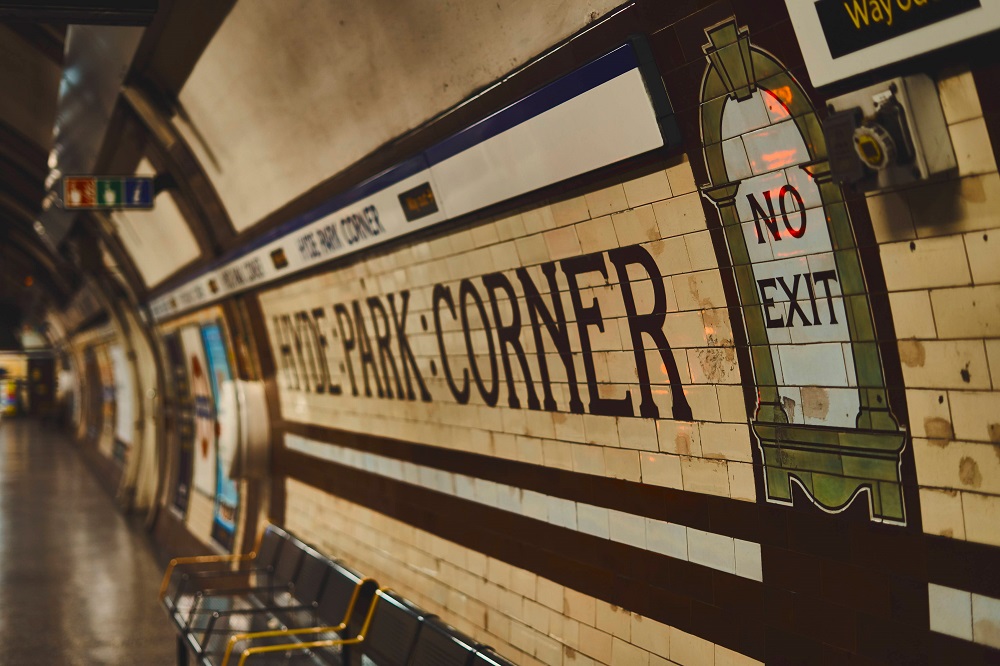
Well, we've sorted out the "equipment" and now let's go and see London!
Day one
Trafalgar Square, Buckingham Palace, St. James's Park
Our first stop is Charing Cross or Trafalgar Square. Here we are greeted from 46 meters high by Admiral Nelson. The famous commander died at the Battle of Trafalgar during the Napoleonic Wars.
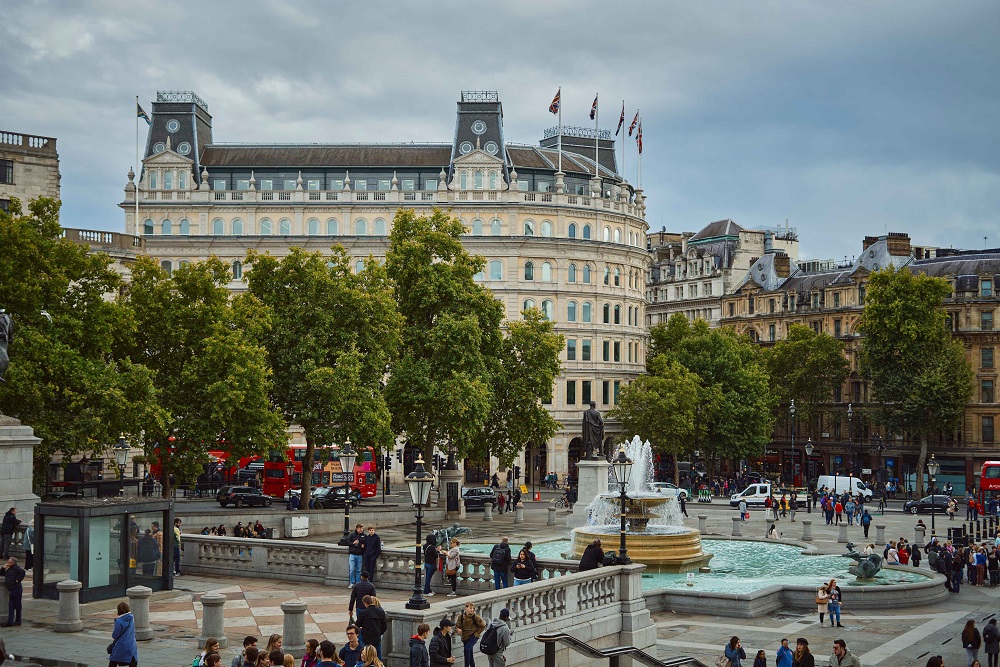
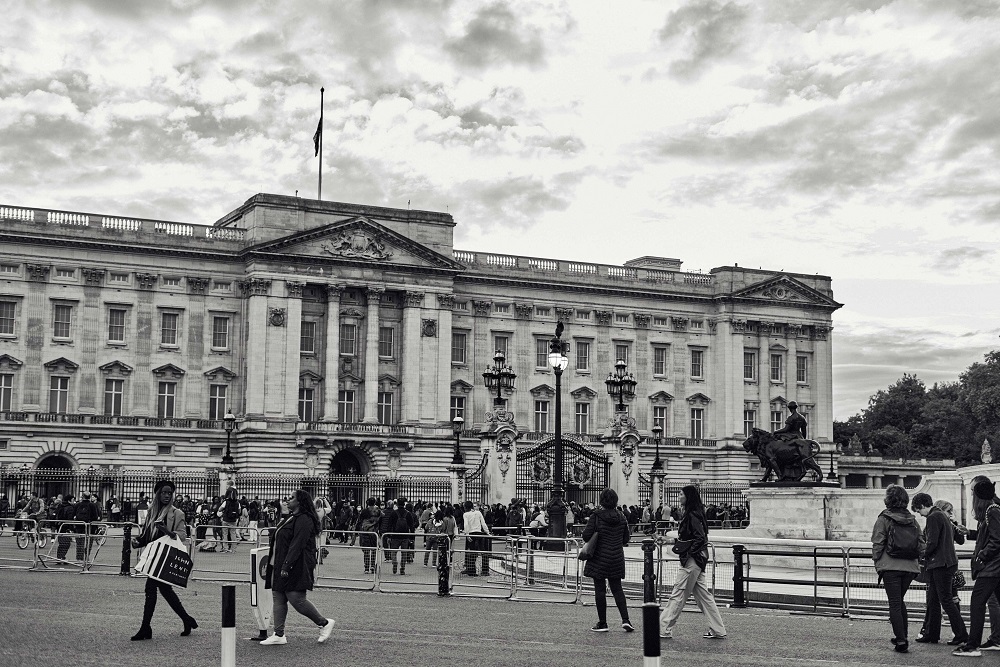
From the square it's a short walk to the Admiralty Arch, the portal to Buckingham Palace. Personally, I have always imagined the palace as a tall fortress. Passing through the imposing and pompous Admiralty Arch, moving along the Royal Mall (a straight long street for solemn ceremonies), crowned with British flags, my expectations only grew. In reality, however, the complex itself seemed much smaller than it did in the movies and certainly in my head. To be frankly honest, I was much more impressed by St. James Park.
This park is the oldest in the capital and one of the favorite places for tourists. Despite its popularity, there is room for everyone - even sun loungers are available. In the heart of the park there is a lake and two small islands.
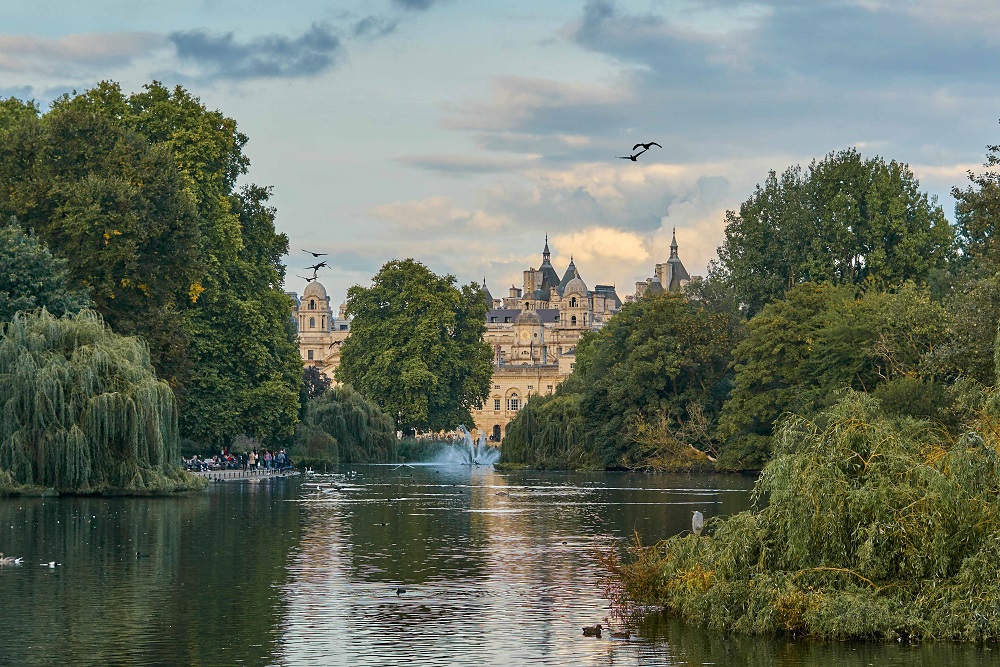
One of them is home to pelicans, whose progenitors were presented to King Charles II by the Russian ambassador in 1664. So it's not just the Windsor dynasty that thrives here.
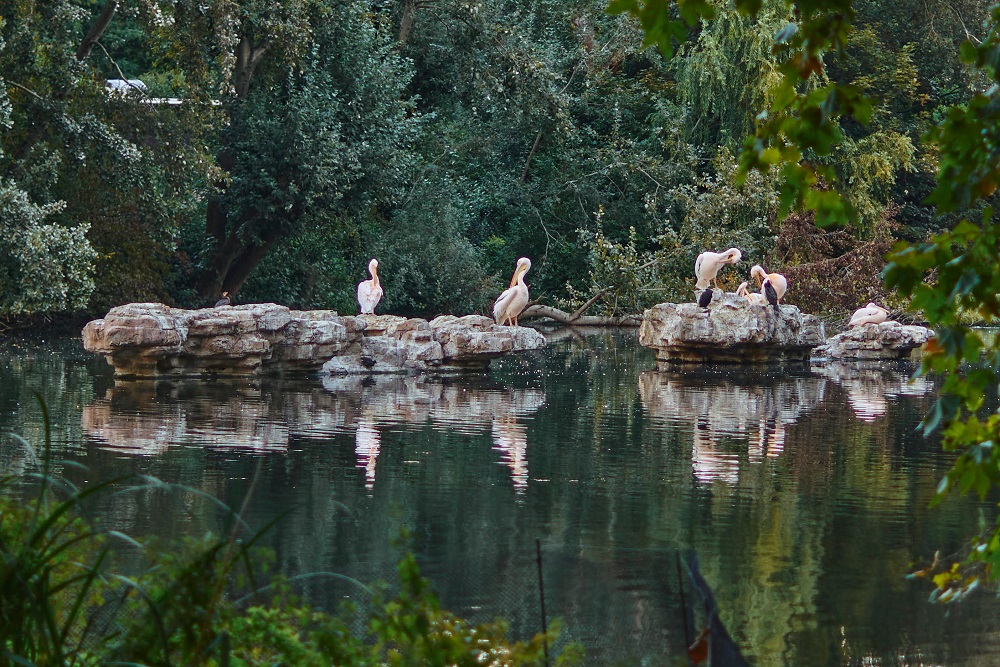
There are also a lot of squirrels in the park, used to people and not camera shy.

At the end of the park we will come to Downing Street, where the Prime Minister of Britain lives and works in the house at number 10. Against the background of all the pomp of monuments to the past imperial past, the seemingly very modest residence of the head of the country is easy to pass by.
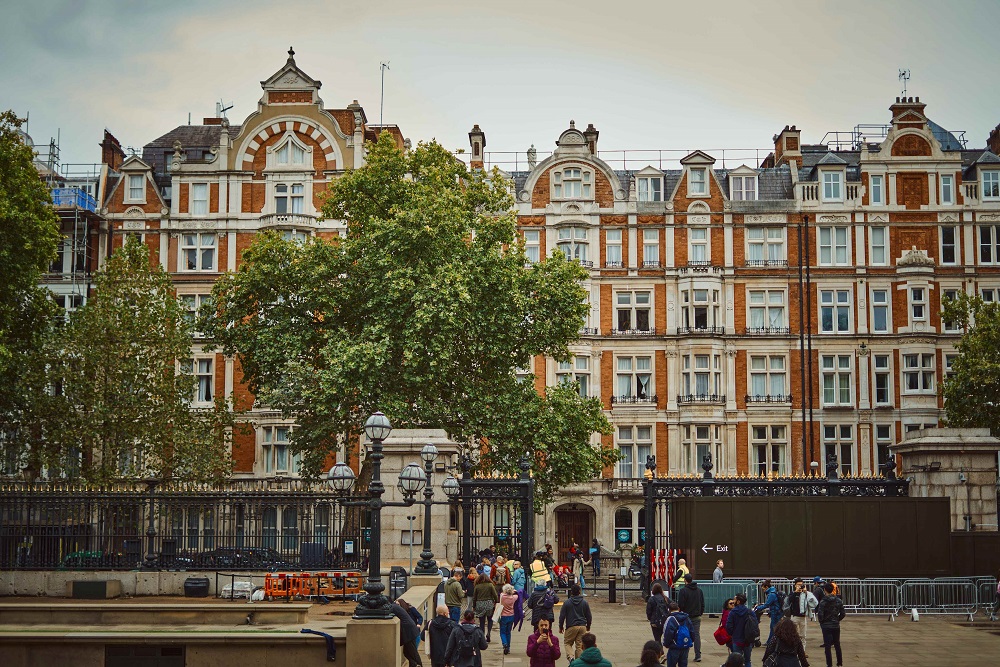
From the same neighborhood, we keep our way to Westminster - to Abbey, Parliament and, of course, Big Ben.
Westminster, Big Ben
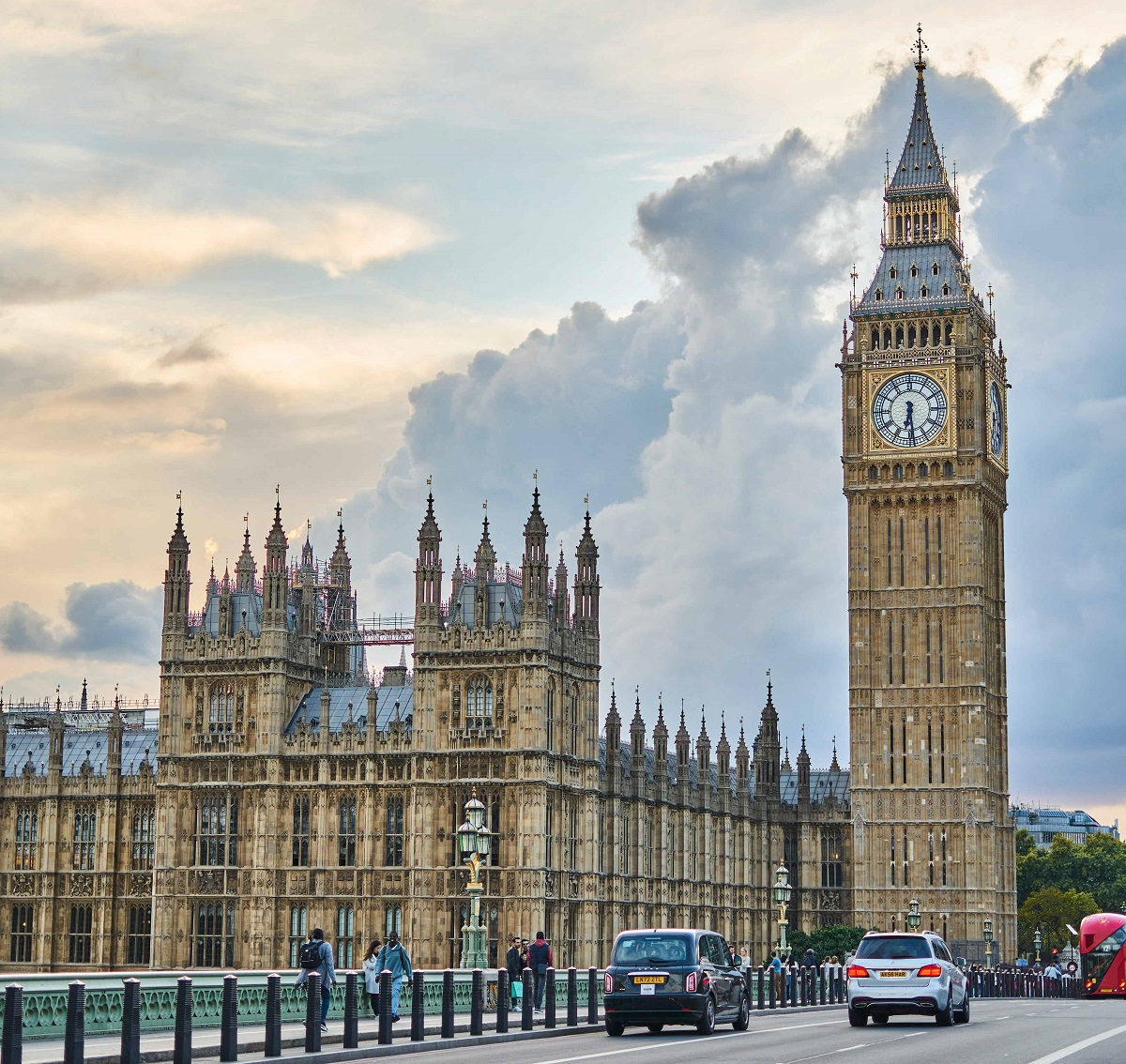
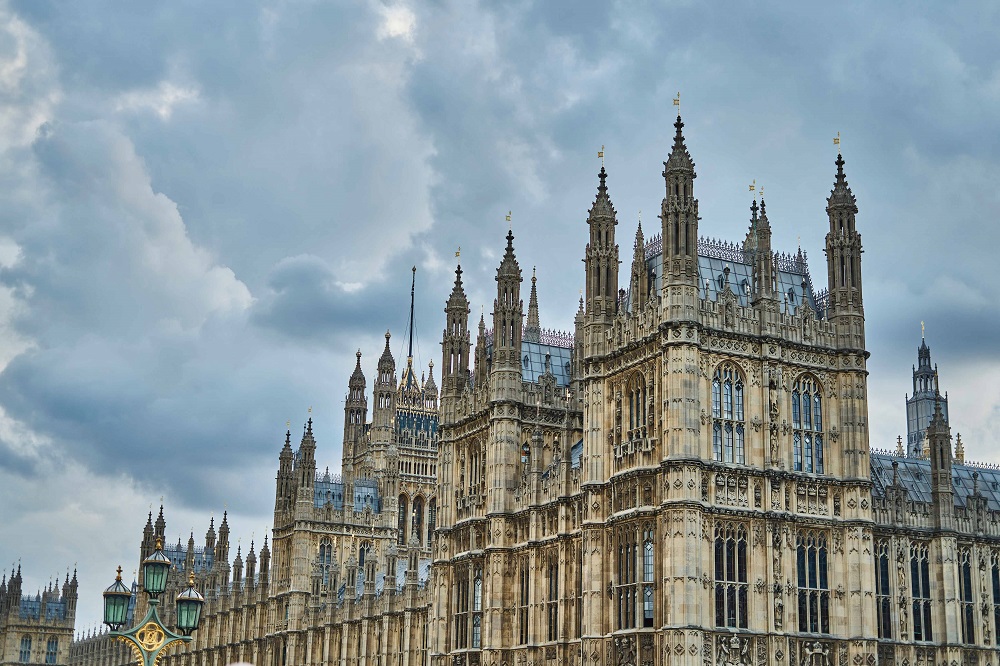
I couldn't spend my first day in London without a "pilgrimage" to Big Ben and Westminster. Big Ben, and more specifically the Elizabeth Tower, has already been restored, but the iconic "postcard" view may be spoiled by the protracted renovation of Westminster. It is estimated that this restoration could take 76 years and cost 22 billion pounds.
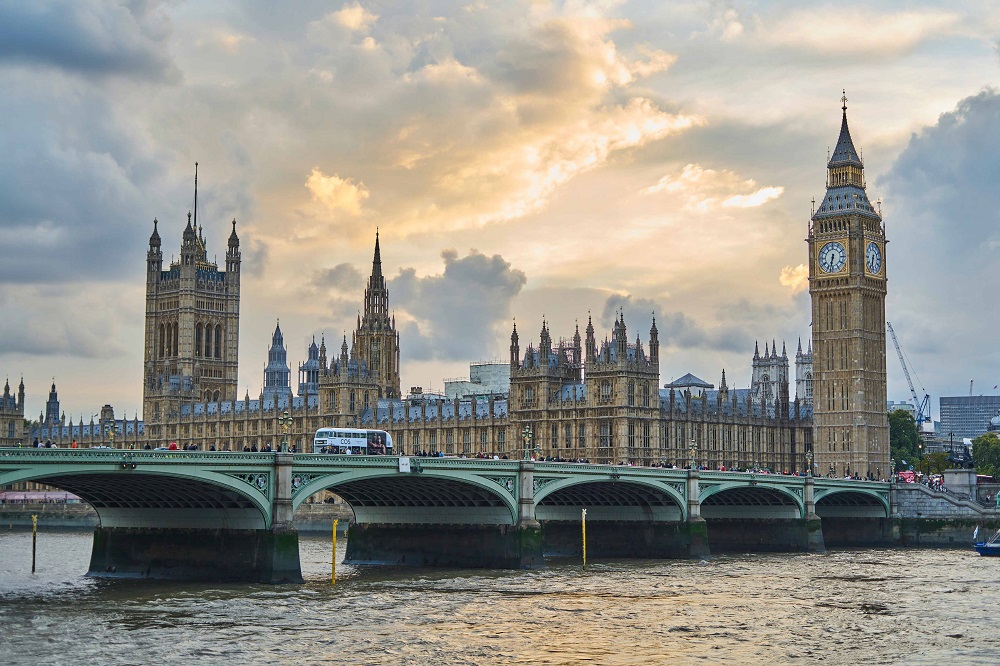
The large-scale project also pursues educational goals - the most talented students and young specialists in the field of antiquities protection from all over the world will be involved in the work. But don't be disappointed, the restoration will be carried out in parts, so the scaffolding will not hide the whole complex.
London Eye
If we walk across Westminster Bridge, we are faced with a truly "commercial view" of the city with the most canonical sights. On this side of the Thames is the London Eye Ferris wheel.
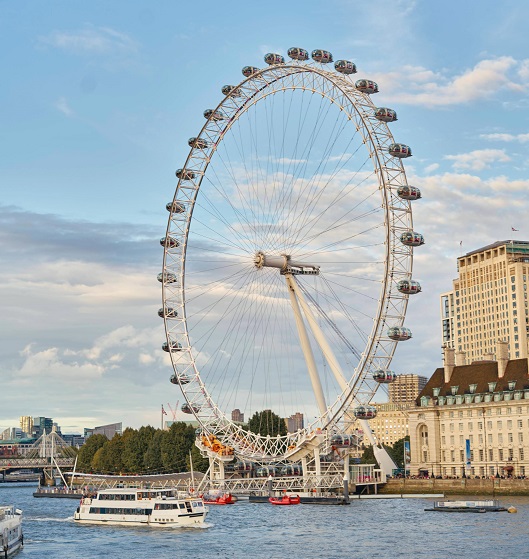
For a long time this particular wheel was considered the tallest in the world (135 meters), until Dubai and Singapore built their own. A ticket for one person costs £34, and the whole £53 for an accelerated pass.
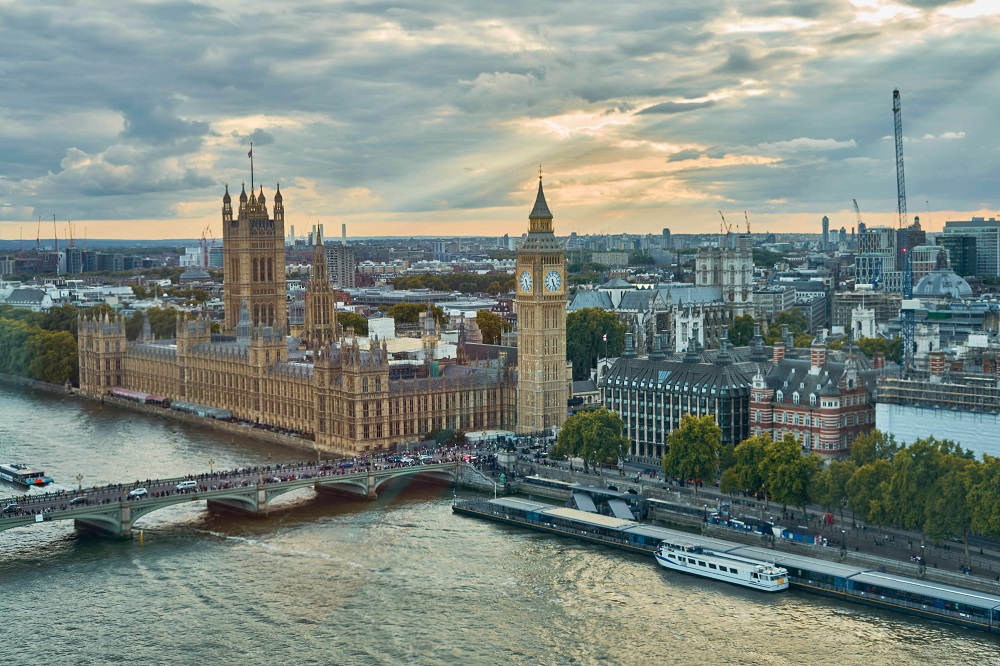
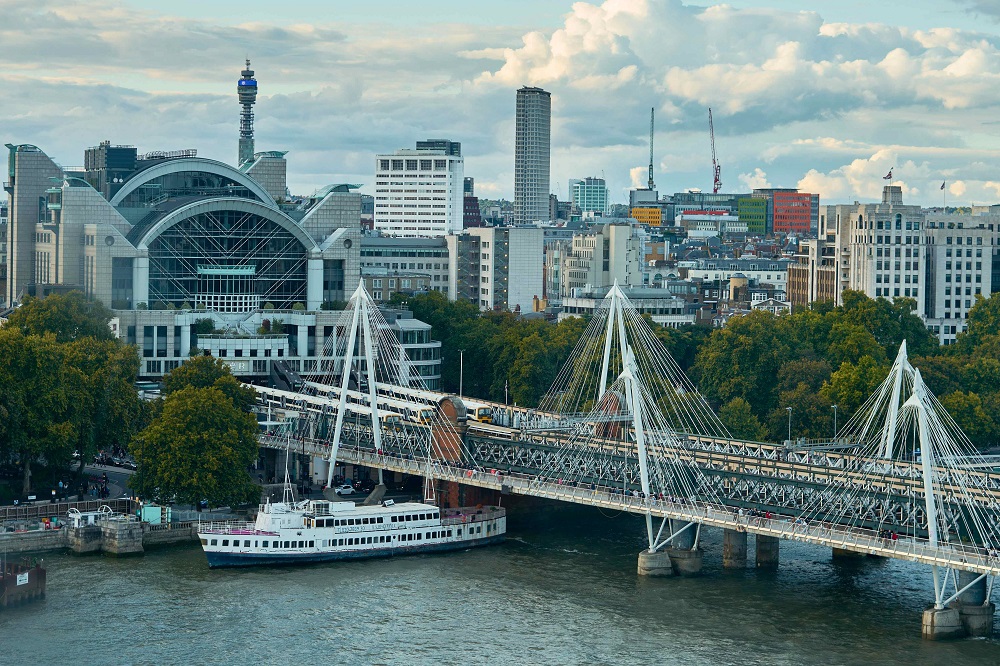
The view is gorgeous (see the photo above). However, I can't call this particular attraction a must-see, especially now that there are alternatives.
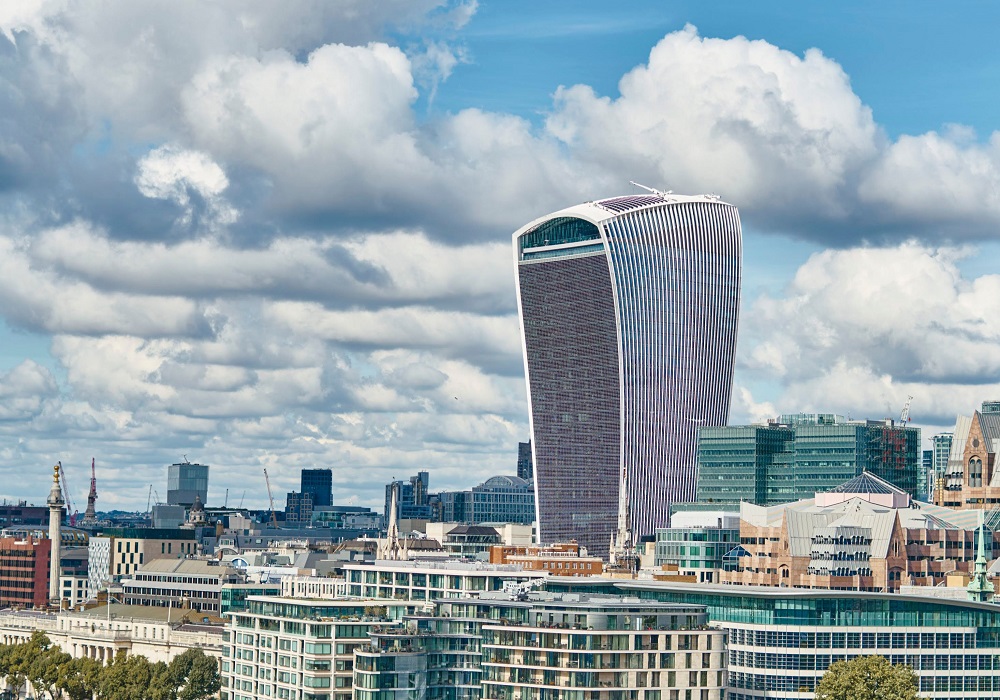
- Alternative #1: Sky Garden at The Walkie-Talkie skyscraper (pictured above). Admission to the Sky Garden is free on weekdays from 10:00 am to 6:00 pm and on weekends from 11:00 am to 9:00 pm. But reservations are required on the website of the venue. Bonus: you can enjoy the gorgeous view here with a cocktail (for a fee) and sometimes even with live music.
- Alternative #2: View from the 68th to 72nd floors of The Shard skyscraper. Ticket price for one person from £28. For London Card holders, the visit is already included in the program price. The best way to book a ticket online two weeks in advance.
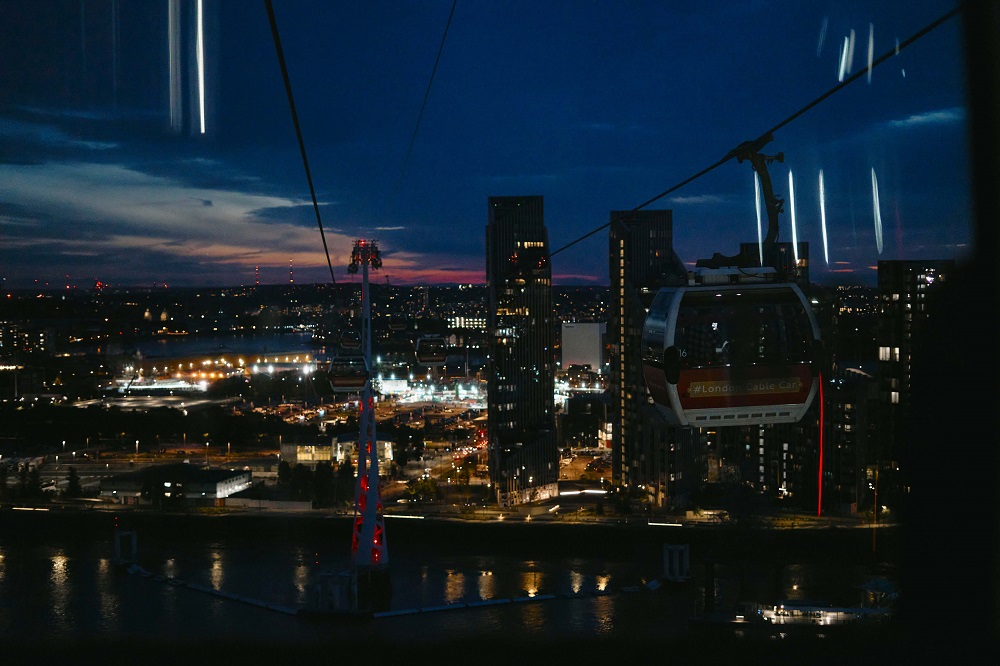
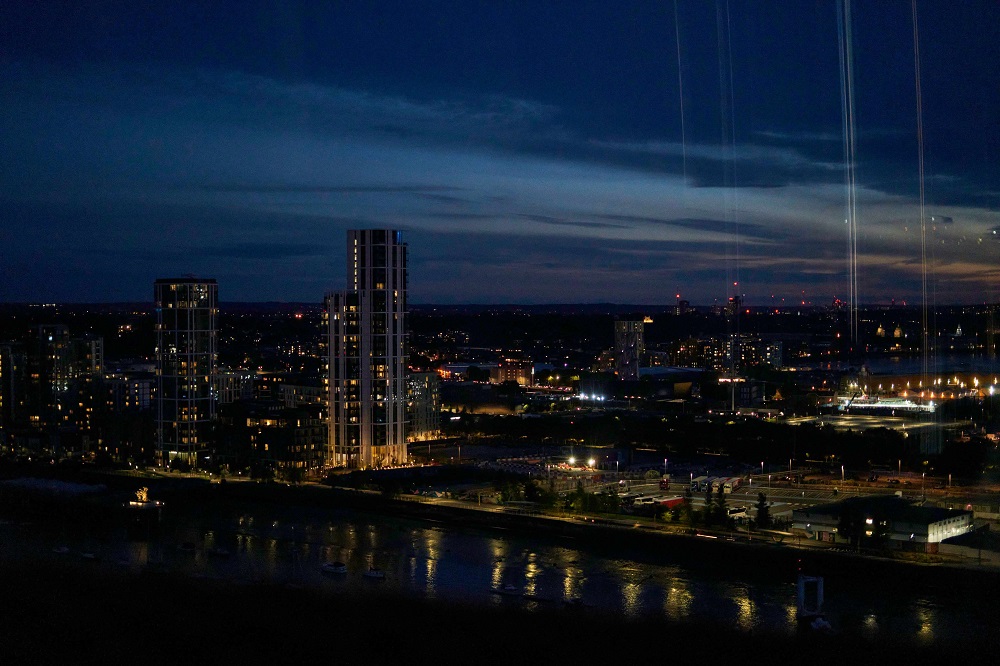
- Alternative #3: IFS Cloud Cable Car. Public transportation in London doesn't end with subways and double-decker buses. Recently, a funicular built by Arabian Airlines has been riding over the Thames. The fare is £6 one way. The view is not as impressive as from the previous two vantage points. However, riding over the Thames at night in the lights of skyscrapers is an incredibly special experience. It felt like I was part of a thrilling sci-fi thriller. The only thing missing was the soundtrack from Blade Runner for full cinematic effect!
Regardless of your choice, I suggest a walk along the river. Along the way you'll come across street musicians, dancers, magicians, book fairs, stalls with a variety of snack ideas - life is booming. And in this pleasant environment, I suggest to finish the first day's walk.
Placement
Having learned from my own experience, I can say that you should look for accommodation a few months before you arrive. Prices in London are really high. Hotels may have "tricks" like cockroaches or noisy neighbors.
After staying in London for a few days, I realized that I would feel more comfortable in an apartment rather than a hotel room. In such apartments there are small kitchens where you can heat something up or cook something quickly.
This is especially convenient as English grocery stores have a lot of already prepared and good quality food at good prices. Personally, I didn't always want to spend time looking for a good café or restaurant every day.
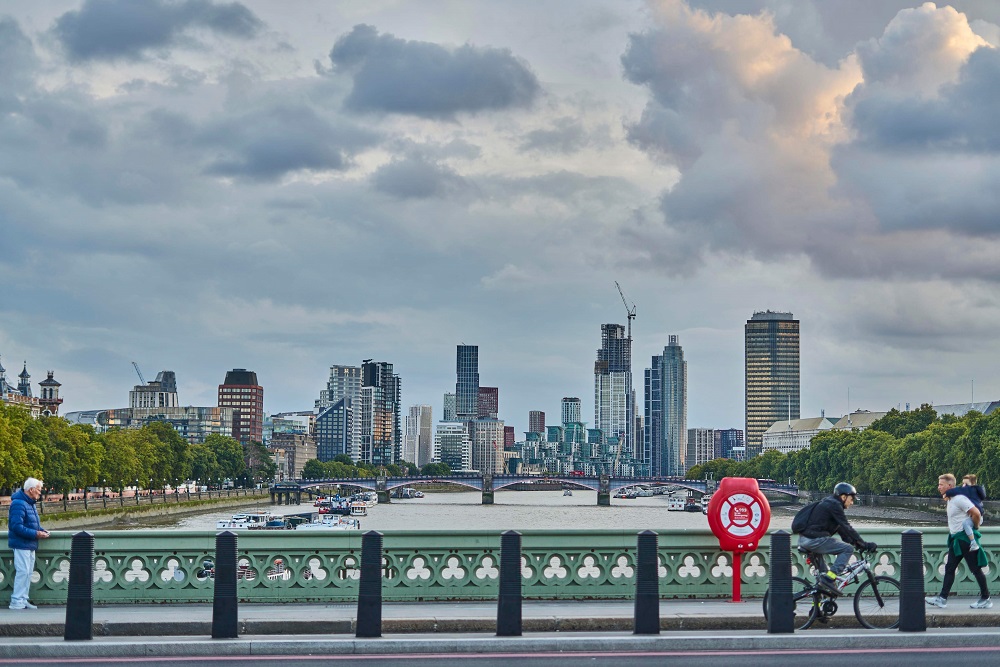
I would also advise you not to limit yourself to the historic center of the city when looking for accommodation. With adequate prices for high-speed public transportation, you can easily look for something 3-5 stations away from the main attractions. This way you will get to know the city even better. And don't be afraid to take a one-person tour. Now you know what to see in London in one day, for example, if you have a layover between flights.
Day Two
There are many cafe chains in England, like Costa, Nero, Pret a Manger and Starbucks, where you can find something light for breakfast. Among such places, the most important place is Greggs (Greggs). This bakery is jokingly referred to by the British as a "national institution" or "national treasure".
Indeed, according to a study by The Guardian newspaper, this is the eatery preferred by Britons to such giants as McDonalds and Starbucks. There are even ratings of each flavor of pies on the Internet. However, don't expect any special atmosphere here. The whole point here is the rich variety of fresh buns. So if the weather is nice, I advise you to take a couple or three to try and sit down somewhere in the nearest public garden.
Tower Bridge
After breakfast, I suggest we head to the sights for which London is famous - the Tower of London and, at the same time, Tower Bridge. Not to be confused with its much less impressive neighbor London Bridge.
Tower Bridge is another "calling card" of the English capital. However, in the first years after its opening, there were not so many fans. At that time, the appearance of the building was considered too bold and pretentious, but, as they say, we'll get along. Now Tower Bridge is considered one of the most beautiful sights of the city.
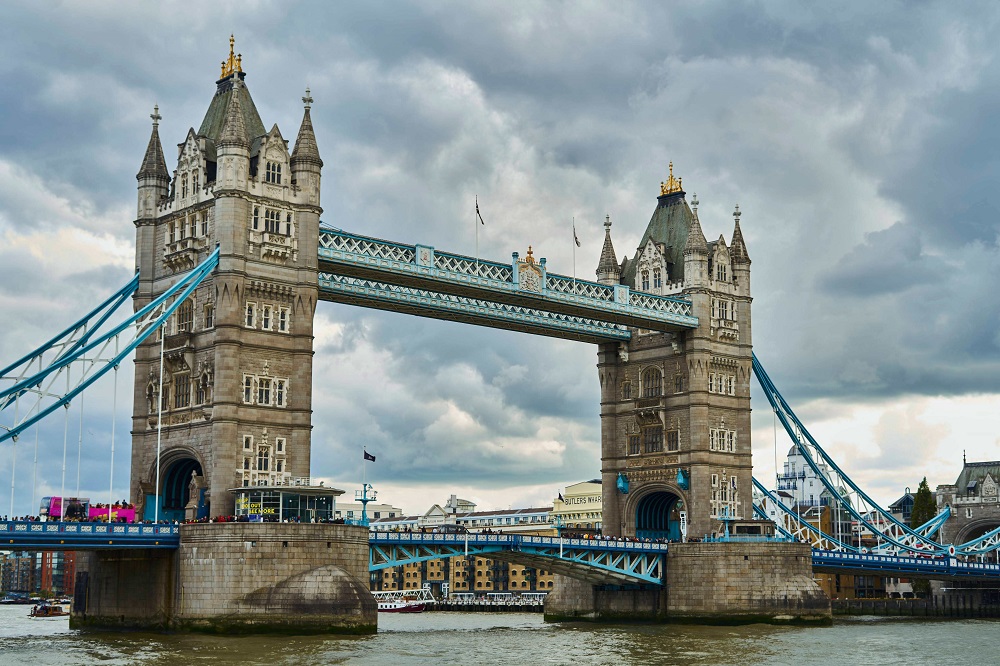
By the way, it is possible to climb to the second floor of the bridge. Entry costs £12.30, and the ticket price includes access to the two towers, the bridge, the observation deck and the engine room. There is a lot of information on stands and posters, so you get a full themed tour.
Tower Bridge is the first mechanical drawbridge in the world. It used to be drawn about 50 times a day. Now, however, it only happens a few times a week. Because of such frequent raising and lowering, as well as a communication error, a very curious incident occurred on the bridge in the 1950s.
On December 30, 1952, the number 78 bus was taking its normal route over Tower Bridge towards East London when suddenly the road in front of it disappeared. The bus found itself on an uphill slope! The bus driver, Albert Gunter, accelerated and managed to jump over the bridge, successfully making it to the other side. And not a single passenger was injured!
By the way, divorce schedules can be found on the website of the bridge.
Tower of London
The Tower of London is 957 years old and for most of that time it was used as a prison. Famous representatives of the English, Scottish and French monarchy have been imprisoned or imprisoned here. For example, Queen Elizabeth I and King Henry VI. Apparently, in the past they were guided by the principle: "if you have not sat in the Tower of London, you are not an aristocrat". In such places you really begin to understand where Game of Thrones got its roots!
Over the years, a mint, a zoo, an arsenal and a storehouse of royal jewels were added to the castle. However, there is no zoo left, but for the 5th century the castle complex has been guarded by several ravens. Legend has it that the kingdom will fall if the ravens leave the Tower. These birds can be seen walking freely around the castle, but you don't have to feed them. The Yeoman Keeper feeds them twice a day on a special diet of mice, chickens, rats and various raw meats. As a special treat they are given cookies soaked in blood.
The Tower grounds are vast with many halls, towers and separate buildings like the jewel vault or the mint. The exhibitions themselves are very interesting and it's not always even about swords, armor and gold, the abundance of which can't help but impress. The Tower of London is a great example for any history museum of how using modern multimedia tools can dynamically "lay out" historical events.
Admission price: £29.90.
Borrow Market
A 15-minute walk along the river and you're already at Borrow Market. There is a lunch for every taste: seafood, falafel, meze, pizza, burgers, British, French, Mediterranean, Asian, Latin American, Middle Eastern and other cuisines. For wine and cheese lovers there will be a lot of variety here - products from Britain, Australia, France, Cyprus, Italy, Switzerland and other parts of the world. For dessert, I decided to try an English traditional fudge from Whirld and was very pleased! There are plenty of places specializing in sweets here too. I even found our Baltic pies! However, it should be noted that although this is a market, the prices here are not the most favorable in the city.
London Bridge
Today, London Bridge looks rather boring, especially against the backdrop of the festival Borough Market, but it wasn't always like this. It is believed that the bridge was built on this spot by the ancient Romans, who named the city Londinium back in the 40s AD. Yes, London is almost 2,000 years old. The bridge was often rebuilt, but it seemed that in the 1200's they managed to find a version that was able to stand for 600 years until it was completely burned down in a fire. The bridge was an entire town: with dwellings, grocery stores, workshops, a church, and other establishments. The streets, as you can imagine, were incredibly narrow and it could take about an hour to cross such a bridge.
The river streetcar and Canary Wharf.
There are many cruise ships in London offering river tours, which can certainly be very interesting, but not cheap. If you are a budget traveler, I suggest taking a ride on London's river streetcars, which is another form of local public transportation.
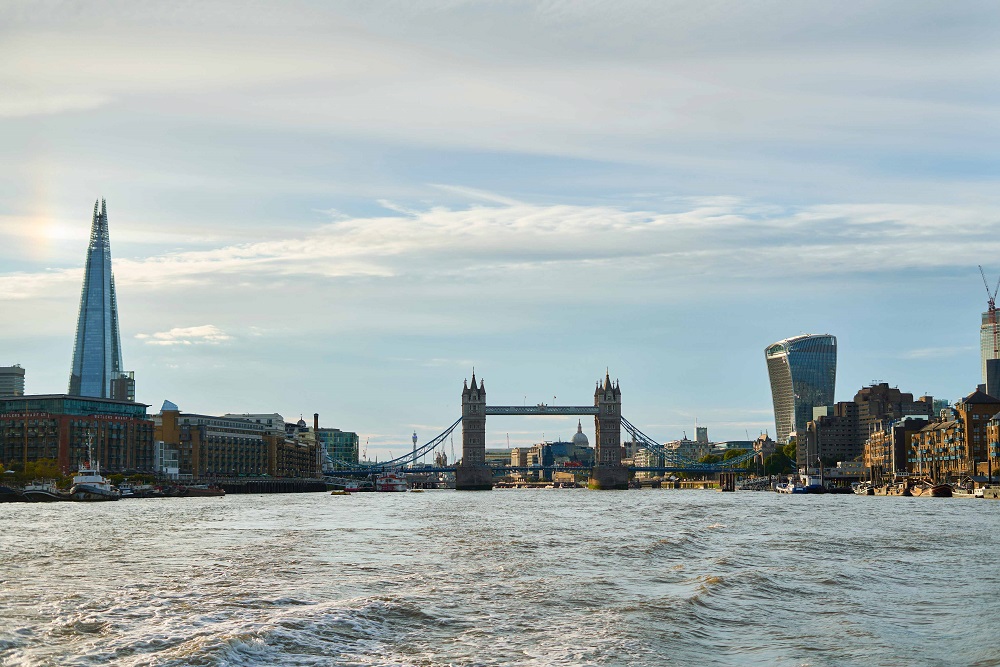
There will be no guide with colorful stories, but the stunning view, refreshing breeze and the sound of splashing water are guaranteed. You don't have to worry about rainy weather either, as there are plenty of seats inside.
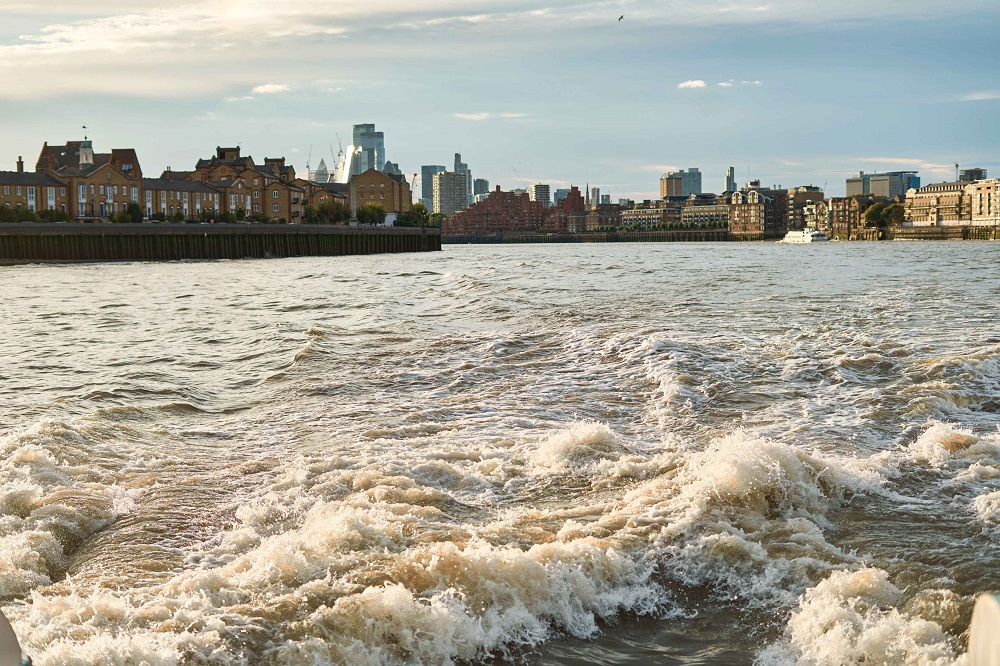
By the way, from London Bridge station there is just such a tramway to Canary Wharf - London's business center (a concentration of glass high-rises). If you want to "hear the silence" in London, then you should go to Canary Wharf after the end of the working day. You can also walk from this neighborhood to the IFS Cloud Cable Car funicular.
Piccadilly, Oxford Street and Soho at night.
In the evening, after sunset, I suggest walking along one of the busiest streets of the city - Piccadilly. Until the 19th century, this was the place where aristocrats and businessmen preferred to buy their homes. At night the street is beautifully illuminated by huge billboards and lights of numerous bars, cafes, restaurants and stores. Shopping in England, and especially during the discount period, is a pleasant affair. A lot of fashion brands of different levels and quality are scattered on the neighboring Oxford Street.
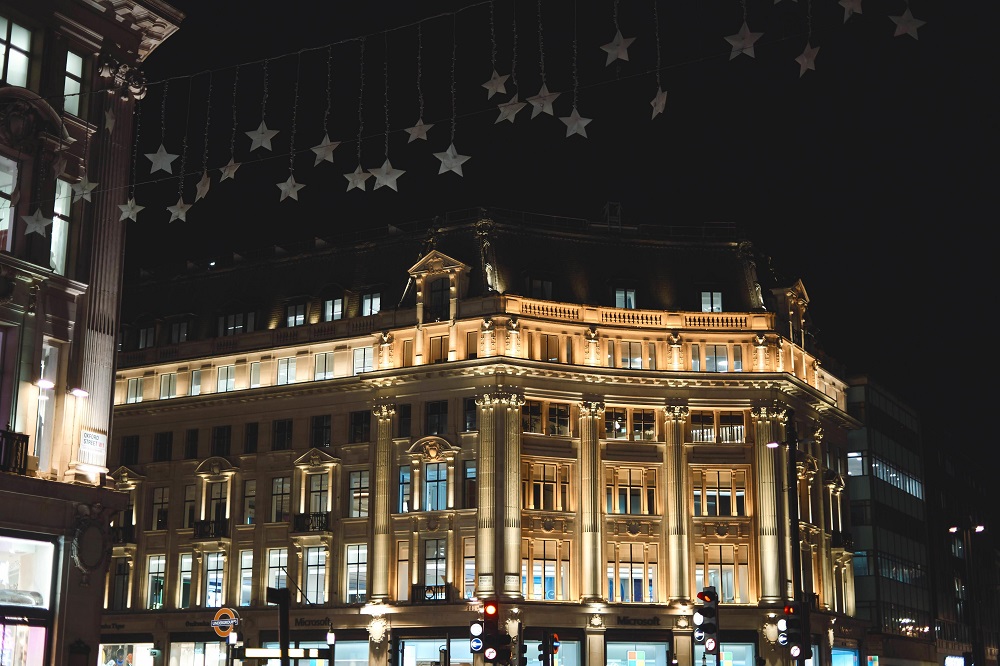
I finished my second day in London with a cocktail in Soho, a colorful entertainment district 10 minutes from Piccadilly. In the 20th century, all the major stars of the British and, later, world stage performed here. These included The Rolling Stones, The Who, David Bowie, Pink Floyd.
In Trident Studios, the Beatles recorded hits for their album The White Album, and Queen even filmed a music video for the well known "Bohemian Rhapsody"! There's still a lot of hype and fun going on. So raise a glass there to your arrival in London!
Day Three
Belgravia
On the way to the famous Hyde Park lies Belgravia Street, the residence of descendants of the British aristocracy and a haven for fugitive financial criminals from Eastern Europe and the Arab world. This street is noteworthy for the fact that despite the exorbitant prices of apartments, the buildings themselves look restrained and even a little modest. In Britain, it is not the type of house that determines the price of housing, but its location - Buckingham Palace is just a short walk away.
Hyde Park
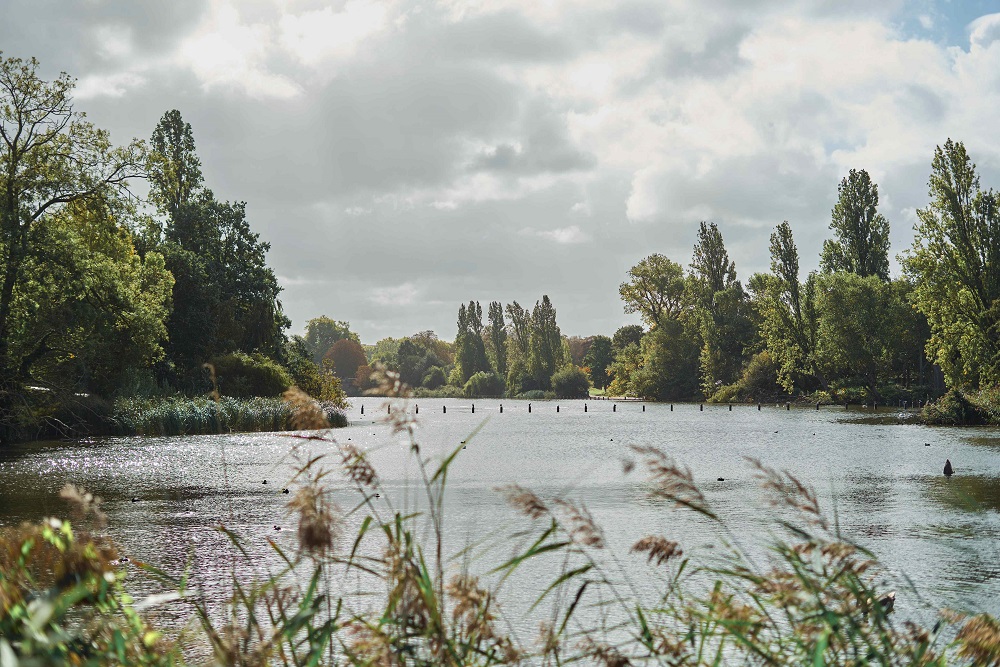
Our next stop is Hyde Park. This park is about to be 400 years old. Over the years, it has not lost its popularity among locals and tourists. The territory of the park is impressive: 140 hectares! That's why I suggest you rent a bike. Rental stations are scattered throughout the park.

By the way, these bikes are often called Boris Bike around here. And all because of, you thought right, Boris Johnson. Before he became Prime Minister, he was Mayor of London and actively promoted this method of transportation.
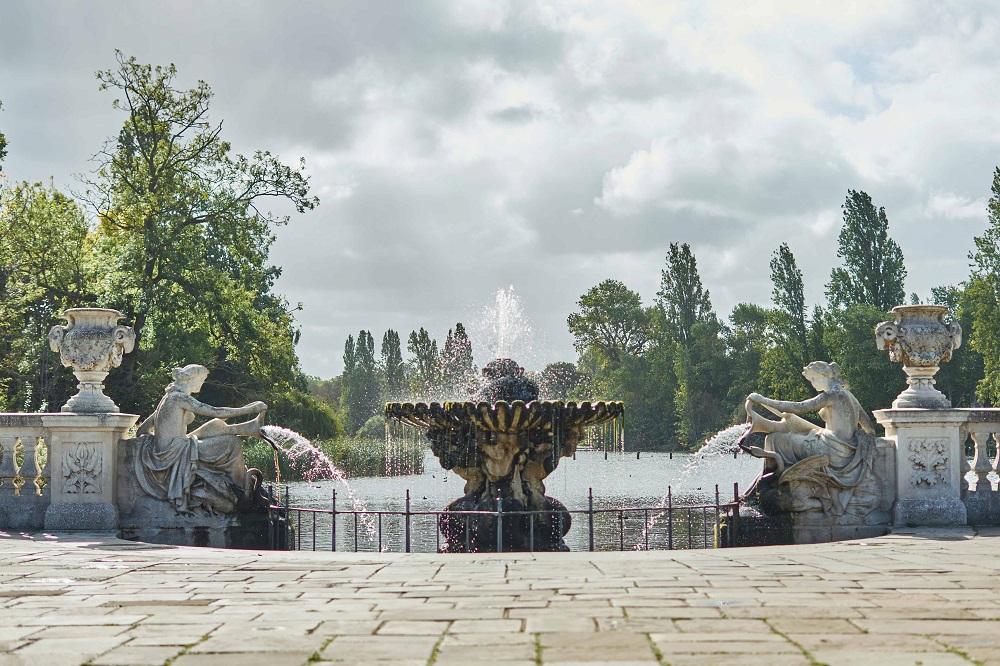
Hyde Park and the Prince Albert Hall there host world-class concerts. The Rolling Stones, Madonna, Adele, Taylor Swift and The Cure have all performed there. Maybe you'll be lucky enough to catch an opener in London.
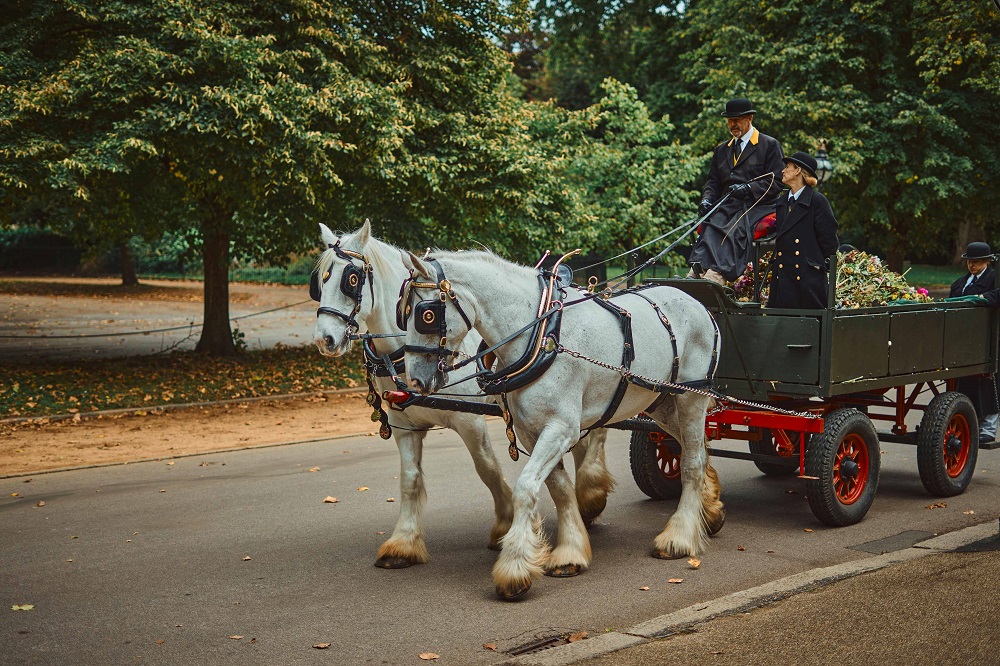
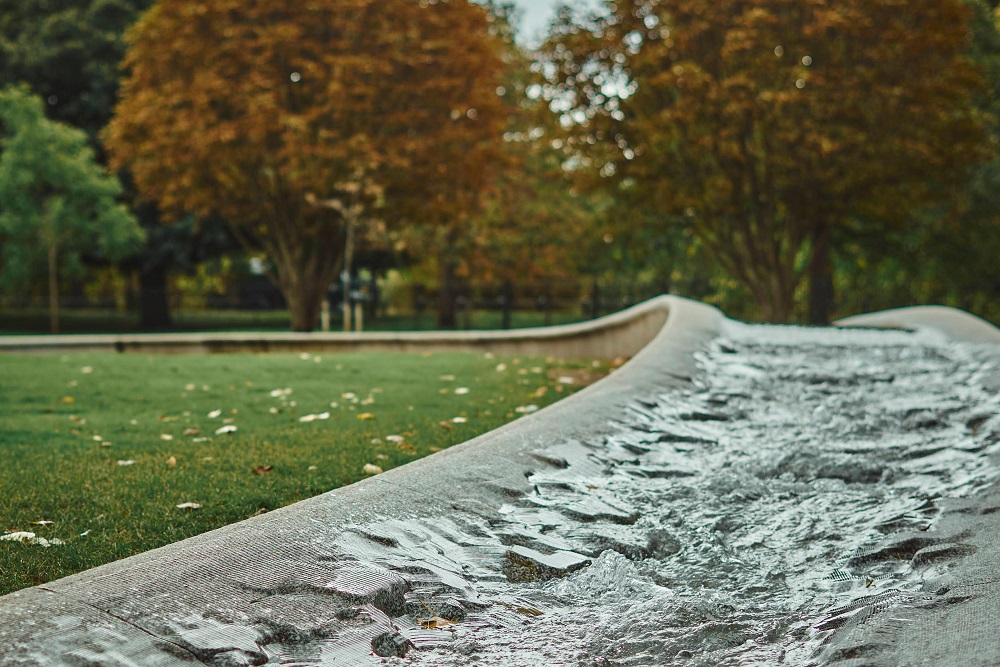
In addition to the concert hall in the park, you'll see Lake Serpentine, Kensington Palace and Gardens, Princess Diana Memorial Fountain, Wellington Arch and other memorial structures.
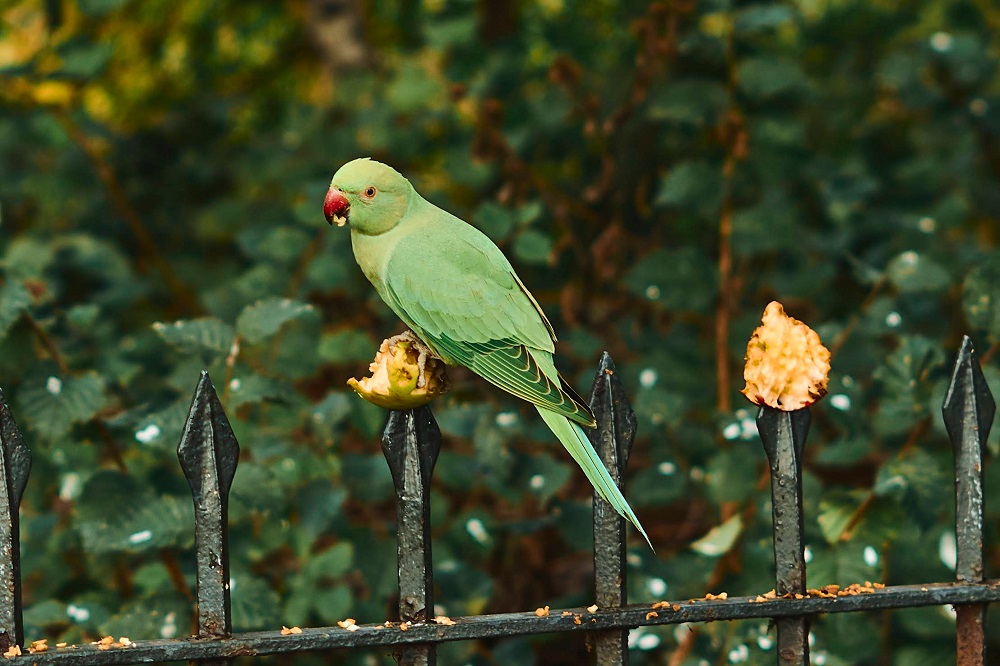
What surprised me most was the variety of birds in the park, and especially the presence of parrots. An urban legend says that the first parrots, Adam and Eve, were brought to London by guitarist Jimmy Hendrix. The musician released them during his concert. They not only took root in the new climate, but also spawned all over the capital. This myth has only recently been dispelled.
Victoria and Albert Museum
One of the many free public museums is the Victoria and Albert Museum of Arts and Crafts. It is located very close to Hyde Park and has over two million exhibits. The museum also offers concerts, lectures, workshops, tours, educational courses and more. There are paid exhibitions here as well. They are also quite interesting. For example, last year there was an exhibition dedicated to Christian Dior's collections.
...Or the British Museum
Another museum where you can easily get lost is the British Museum. There are collections of historical exhibits from all corners of the world for practically the entire history of mankind. I was particularly struck by the hall dedicated to Ancient Egypt, and even more specifically the anki from 300-600 BC.
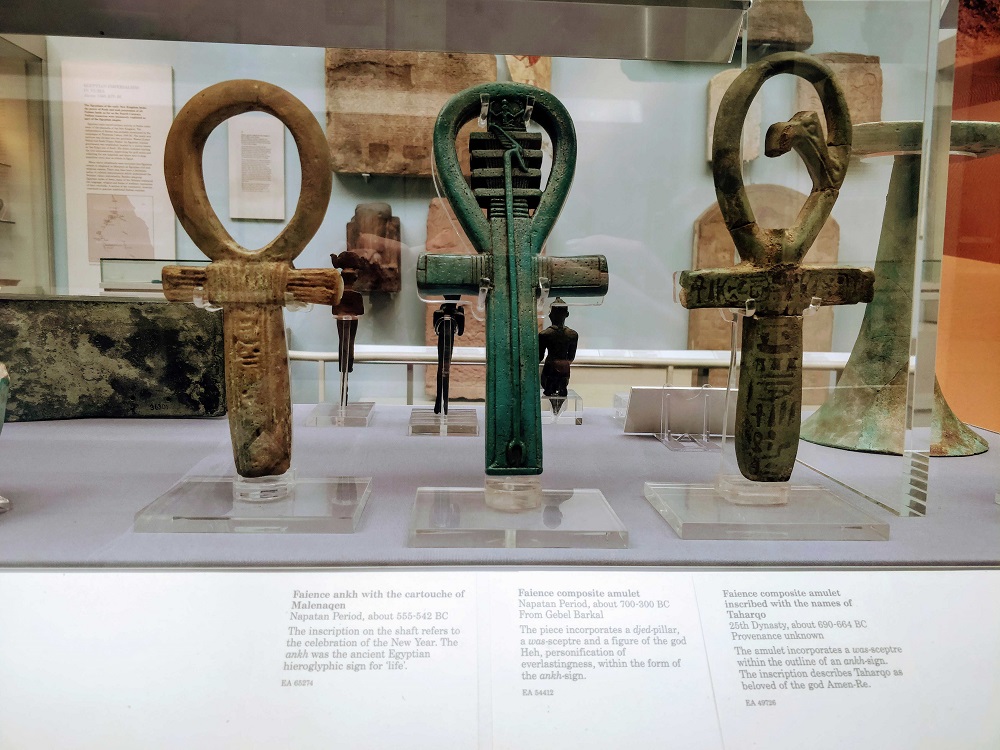
Unfortunately, according to various sources, about 80% of the objects were stolen and illegally exported during the colonial era. Wandering through the endless corridors, I had the opportunity to observe with what awe the representatives of this or that culture showed their children the halls dedicated to their historical homeland. Entrance is free of charge.
Chinatown.
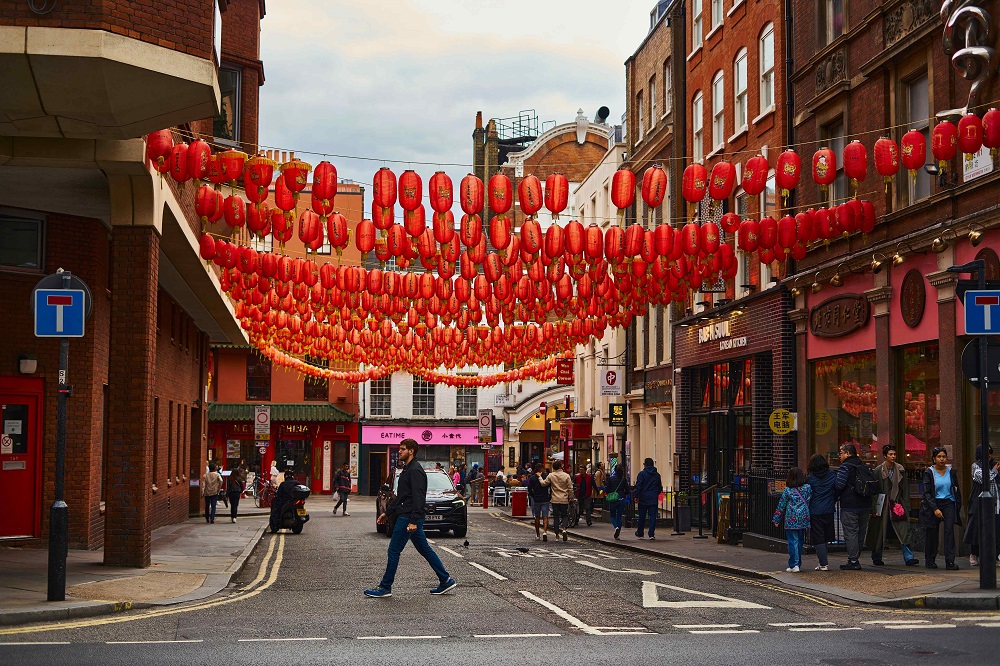
If you have time to get hungry, I suggest you stop by Chinatown. In the 1950s, this part of the city supported the Chinese restaurant business in order to clean up the neighborhood from its criminal past and attract a new contingent of people. Here you will find a full variety of Asian food. By the way, all the chefs are Asian. So you get the impression that you left England for a while and came somewhere in China. Prices here are democratic, and the food is very tasty. Enjoy your meal!
Camden Market
After a hearty lunch, I suggest a stroll through Camden Market. Camden is not only a paradise for those who like to find "gold" among market clothes or a harbor for representatives of all kinds of subcultures. It's also a place where you can find out what it's like to live in "unbrushed" London.
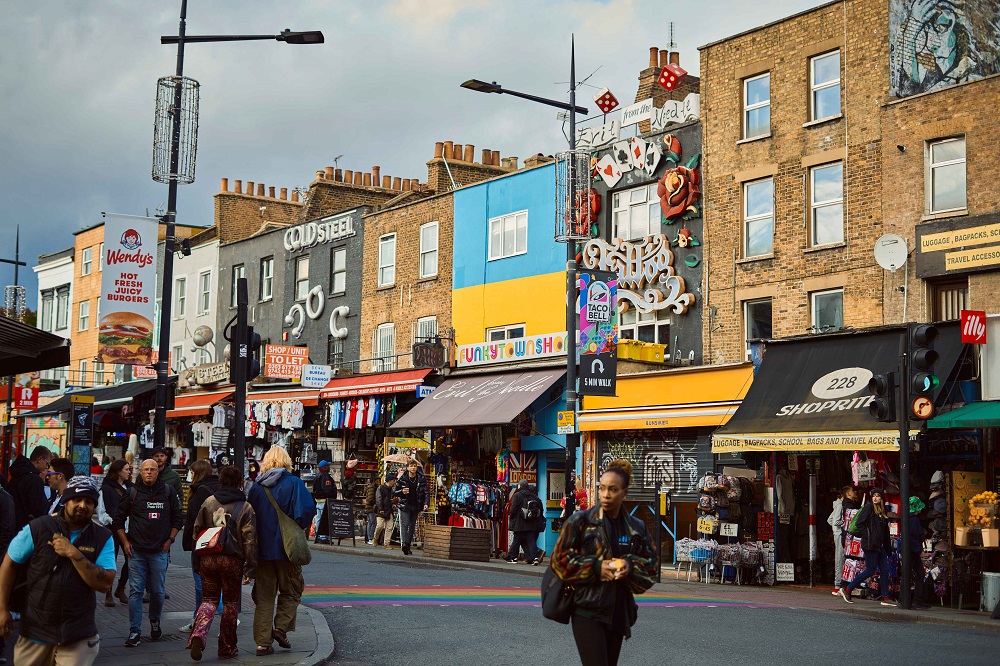
It's hard to say what time of day is best to visit this neighborhood. At night, the scenery is worse and the market closes. But theaters, pubs, bars and jazz cafes are open.
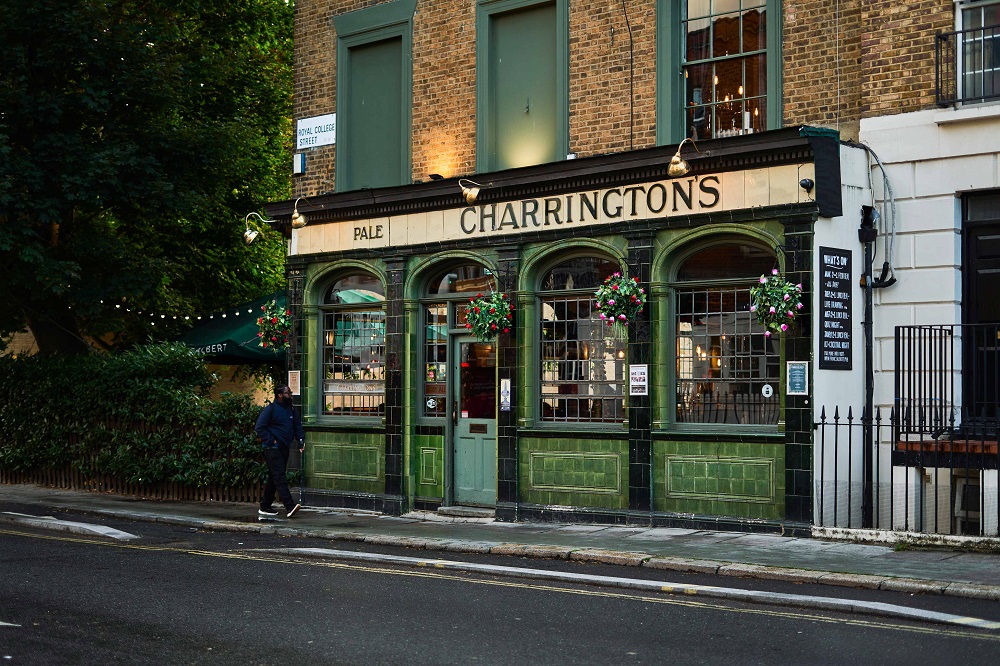
I also enjoyed walking from Camden to the Little Venice area along the Regent's Canal. There are unusual yachts along the way and fun groups of friends boating along the canal.
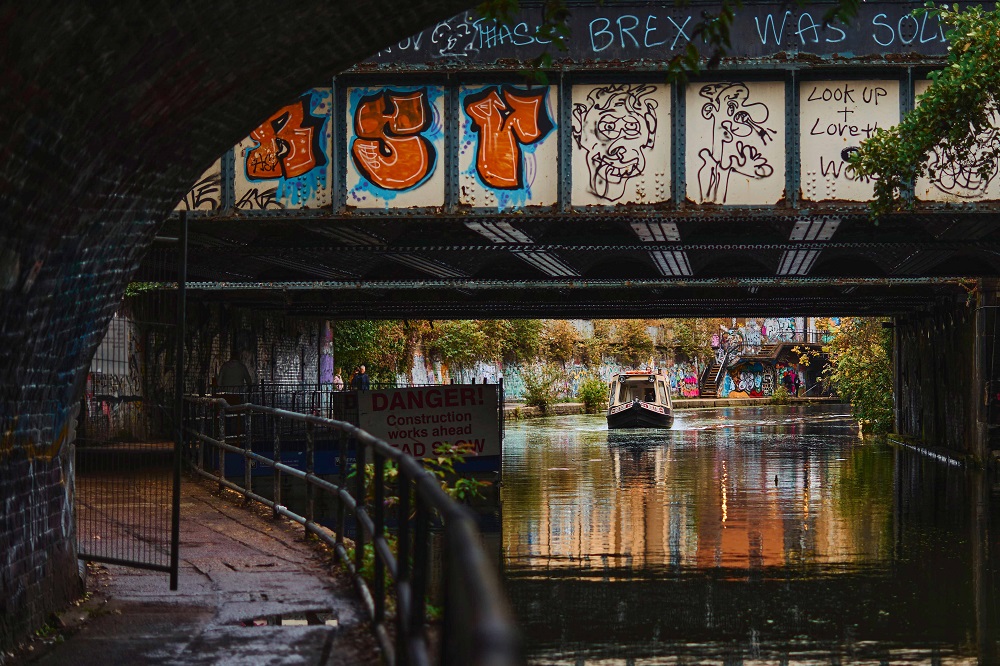

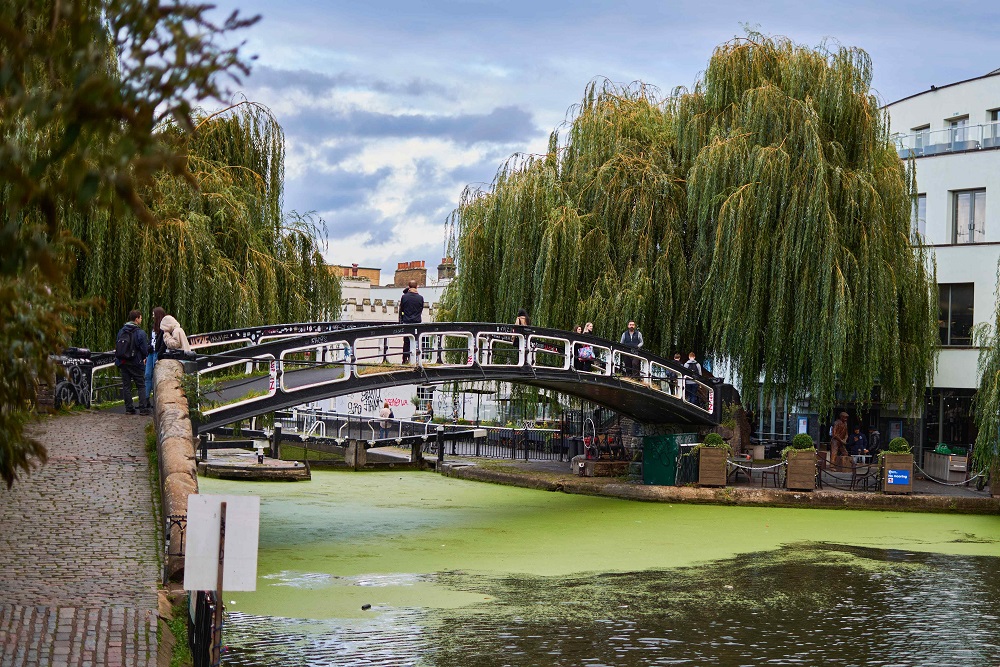
By the way, you will not stay hungry in this part of the city. Here you will find an abundance of international cuisine at adequate prices.
Day four
St. Peter's Cathedral
St. Paul's Cathedral is not only in the Vatican, but also in London! Until the 1960s it was unrivaled in height. Even now it can hardly fit in the frame! What was not here: the wedding of Princess Diana and Prince Charles, the 90th anniversary of Queen Elizabeth II, the funeral of Winston Churchill, and then Margaret Thatcher. In short, no great event goes off without the knowledge of this Anglican Church.
A tourist's entrance ticket costs £20.50, while believers are free during the service. It is not possible to pretend to be a believer and walk around the cathedral, because during the service it is expected that churchgoers are still praying. On Sundays you can come and listen to the organ for free. The schedule of concerts is available on website.
Tate Modern Museum of Modern Art
For lovers of modern (and not so modern anymore) art, I suggest a visit to the Tate Modern. The ticket is free. The collections contain examples of the brightest and freshest works of our generation, as well as such "grandfathers" of postmodernism as Kazimir Malevich, Marcel Duchamp, Andy Warhol. But men do not dominate here at all: one of the most striking shows in recent times was a series of installations by Japanese artist Yayoi Kusama. By the way, London's Tate has a "little brother" in Liverpool. Some people even say that it produces a much bigger "wow effect" - I'll just have to take their word for it for now.
Last year, the team from Tate of London recorded a video to celebrate their 21st anniversary. A very similar atmosphere prevailed during my visit.
National Gallery
If you're not into modern art, I suggest visiting the National Gallery. Admission is free, and there is enough art to last you a whole day! Here, art history lessons are taught visually, from the Middle Ages to the Renaissance and Impressionism. Van Eyck, Rubens, Leonardo DaVinci, Michelangelo, Titian, Vermeer, William Turner, Van Gogh, Daega, Monet - you're definitely in good company here. The beautiful is not far away, as the song goes, it's just in London.
Theater
Among other things, London is the theater capital of Europe: there are more than 4000 theaters here. Perhaps the most famous theater street is the West End, where I went in the evening to see my long-awaited musical The Phantom of the Opera at Her Majesty's Theatre.
To tell you the truth, I have never seen anything more mesmerizing on stage. A captivating story, talented artists, well-trained choreography, gorgeous costumes, grandiose sets, dramatic orchestral music and strong voices of the soloists. And all this under the roof of the building. Queen Victoria herself enjoyed performances here at the turn of the 20th century.
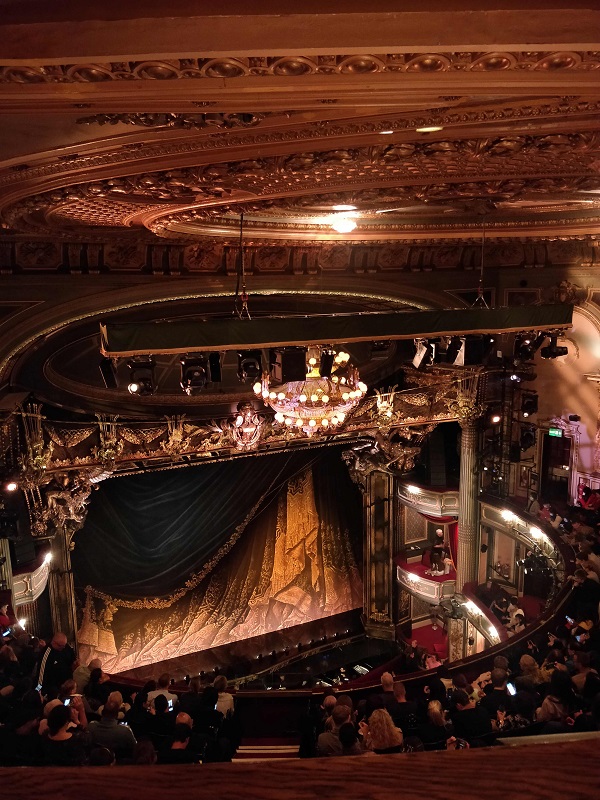
By the way, you can get this pleasure for not so much money. For example, my ticket on the gallery cost £30, and if I had thought of it earlier, it would have been even cheaper. You can buy tickets for this and other performances at the official on the official website of the London Theatre Association.
For Belarusians and not only in September 2023, the Belarusian Free Theater is staging a production based on Vladimir Korotkevich's novel "King Stakh's Wild Hunt" at the Barbican Cultural Hub Theater. Details at link.
Day five
When you come to London, you won't get the quintessential English or British experience - you'll be plunged headfirst into complete multiculturalism. London is a home away from home for at least 270 nationalities speaking 300 different languages. On my last day in the city, I decided to see a Belarusian piece of the metropolis.
In the North Finchley neighborhood there are two Belarusian sights at once: the Greek Catholic Church of St. Cyril of Turov and All the Patron Saints of the Belarusian People and the Francysk Skaryna Library and Museum. The first thing I noticed upon arriving in this part of town was the Jewish holiday guests. It turns out that the local neighbor of the Belarusian church is a synagogue - just like it used to be in my homeland.
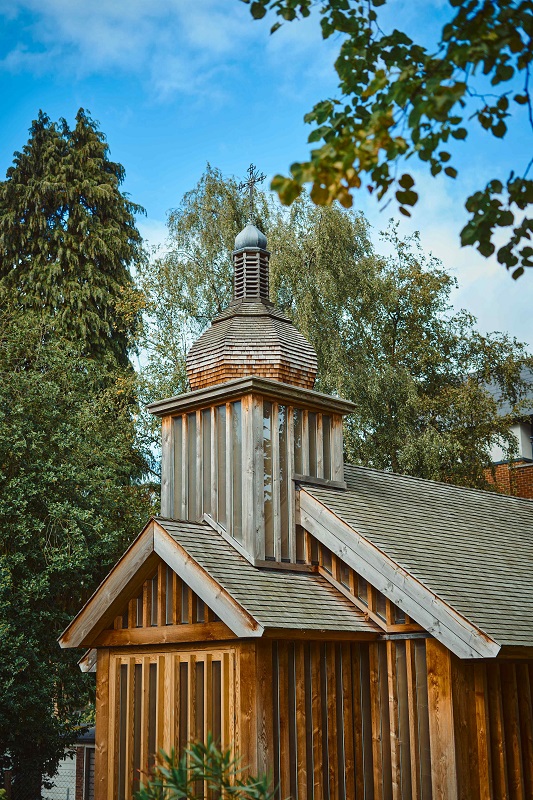
The Church of St. Cyril of Turov and All the Holy Patrons of the Belarusian People was included in the list of the 50 best buildings in London in 2016, and it is also the first wooden church in the city after the great fire of 1666. The story of the author of the parish design, Ziwei So, a British architect of Chinese origin, is no less interesting.
After getting acquainted with Belarusian Uniates in London, Ziwai started studying the history of Belarus, and in 2011 he was even baptized. His first source of information about Belarusian architecture was the neighboring Francysk Skaryna Library, where he read books in Belarusian, translating them using Google Translate. If you would like to see the church outside of the service, contact the church in advance. Contact can be found on the website.
****
Here it is time to fly back. I hope that London was able to inspire you and energize you. As contradictory as it may sound, but in London you don't have to tick off every tourist site and visit all the interesting places. Spin in the whirlwind of the metropolis, get lost among the crowds and skyscrapers and find yourself renewed. My guide is undoubtedly for those who only have a first date with London to go on, but I really want it to be a real mashup. Especially you now know what to see in London in a week.