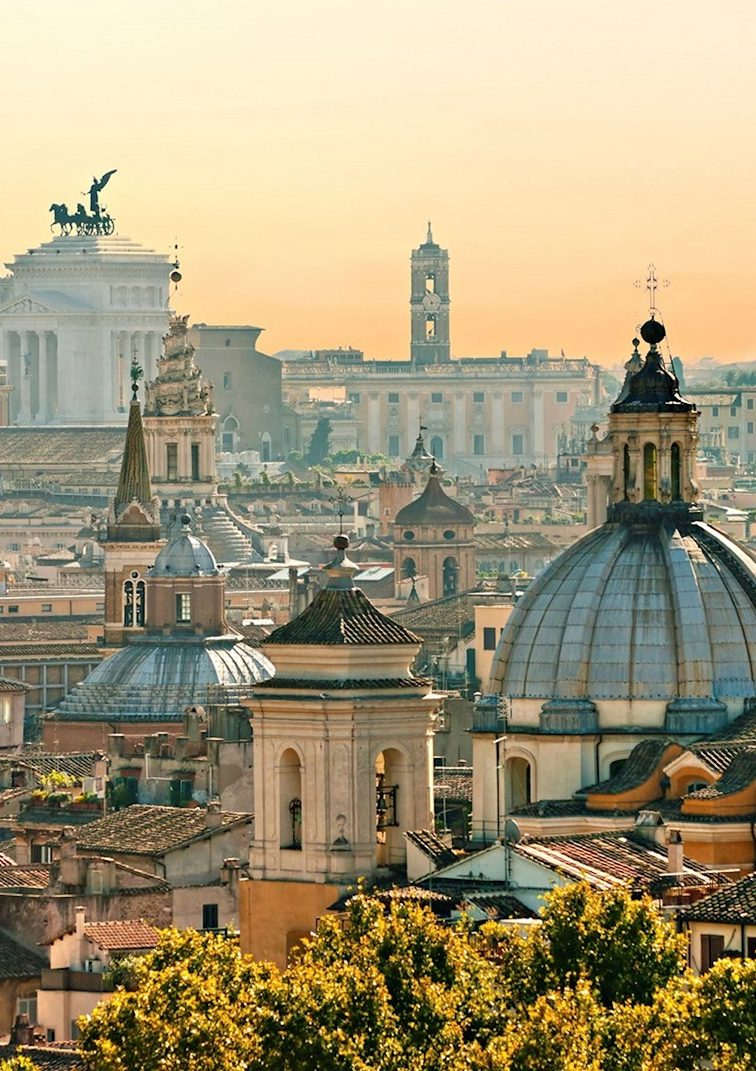
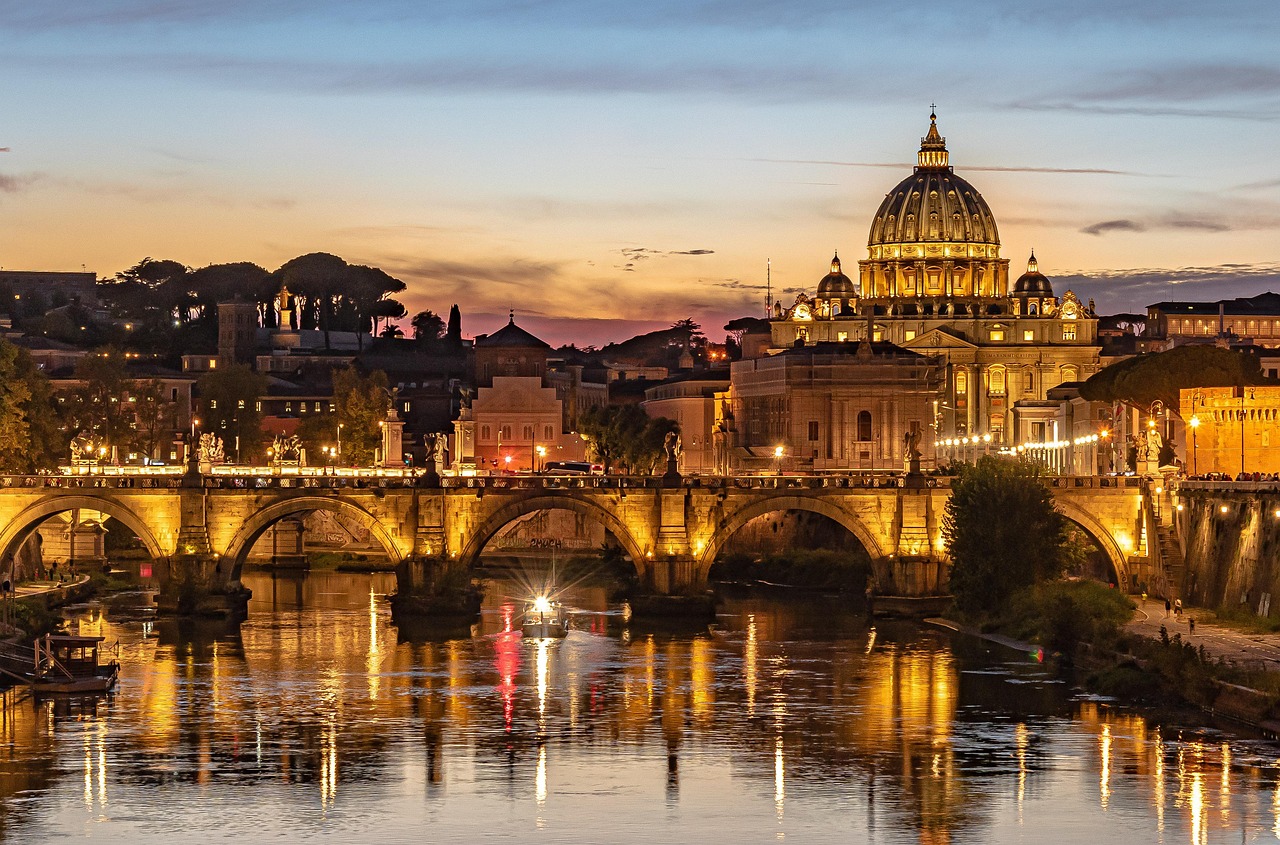
For travelers, there is no task more difficult than planning a complete itinerary for Rome when you only have a few days to explore it. You could live in the Eternal City for years and still constantly discover something new. Even the locals cannot uncover all of its secrets. And yet, sometimes fate is cruel and leaves us with no choice, giving us only a few precious hours to explore such an attractive city. We have put together a two-day guide to Rome so that you can soak up its atmosphere and beauty and know exactly what to come back for. Take our ready-made tour of Rome and set off on your journey. However, remember that Belarusians will have to apply for an Italian visa.
How to get around Rome
My advice here is very simple—walk. Only use public transport if absolutely necessary. First, because you will see more when walking on foot. Neither guidebooks nor maps can capture all the charms of Rome. Even an ordinary little house, which turns out to be five hundred years old, can pierce your heart with Cupid's arrow.
Secondly, public transport will not save you time, but rather waste it. Italians themselves joke about its unreliability. In the Eternal City, buses and trams are also perpetually late.
If you are traveling long distances, you will obviously need to use public transport. In this case, I recommend purchasing a one-, two-, or three-day pass (Roma 24/48/72 ore). A 48-hour pass costs €12.50. A single trip costs €1.50. Tickets are sold at vending machines at subway entrances, train stations, and newsstands.
Day 1
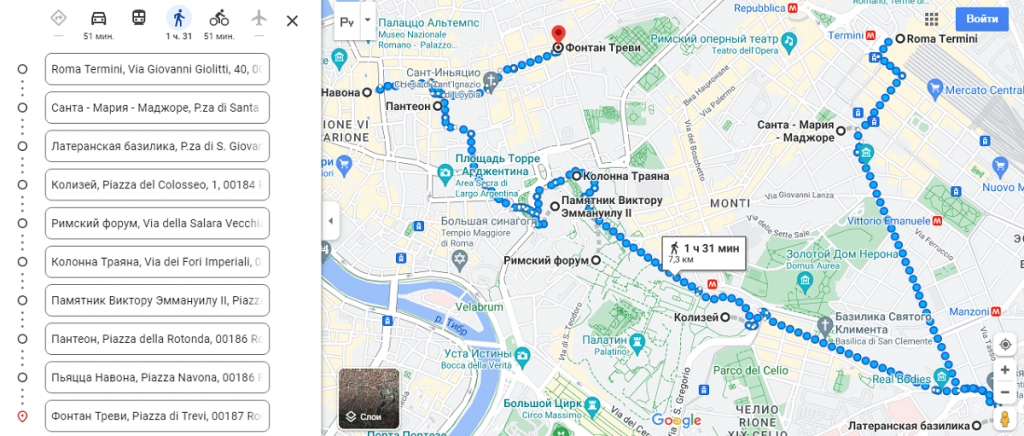
We will start our route from Rome's main train station, Termini. Not only trains arrive there, but also most bus transfers from Rome's airports.
Basilica of Saint Mary Major
In Rome, every aristocrat sought salvation for their soul after a sinful life by building a temple with their own money. I'm not sure if this was considered atonement, but tourists will appreciate such spiritual impulses.
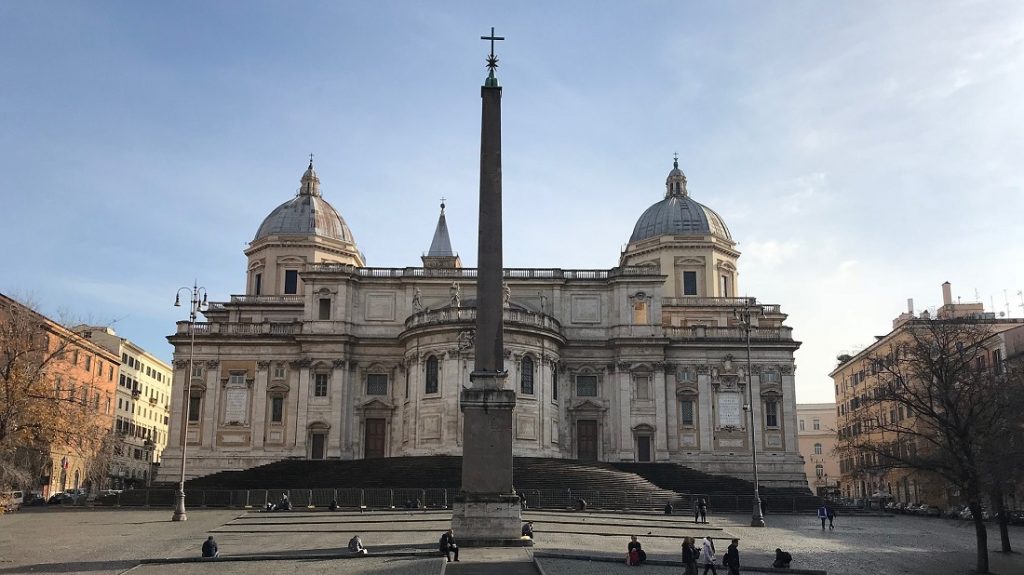
And so, the Basilica of Santa Maria Maggiore became a token of gratitude from the patrician John to the Virgin Mary for her promise to give him a long-awaited child. In a dream, the Virgin Mary commanded John to build a church on the spot where he would see snow (and this in the middle of a hot summer!). The next day, snow was indeed found on the Esquiline Hill. According to legend, the plan for the temple was drawn directly on it. Since then, every year on August 5, the basilica celebrates the miracle of snow—the church is filled with white rose petals.
This basilica is valuable not only for its antiquity, having been built in the 4th century, but also because it is included in the list of "papal basilicas," that is, the four highest-ranking churches in Catholicism.
Basilica of St. John Lateran
Another basilica, of the "highest" papal level. And one of the oldest churches in the Eternal City, born of stone and marble at the very beginning of the 4th century.
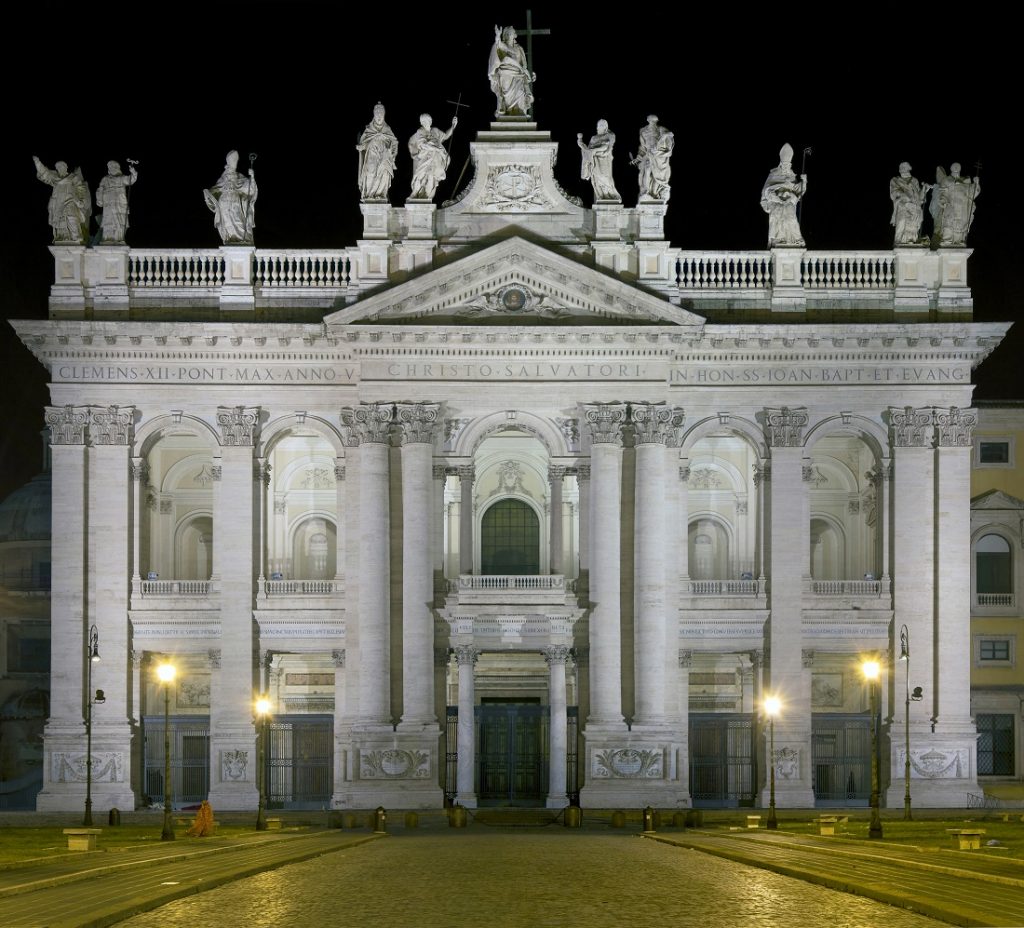
The basilica is part of the Lateran Palace, which was gifted to the church by its chief benefactor among the Roman emperors, Constantine the Great. For a thousand years, until the 14th century, the palace was the residence of the supreme pontiffs. Throughout its history, it has witnessed five ecumenical councils, the greatest events in the Christian world.
Within the confines of the temple's "Holy Secrets" is a board that was part of the table at Christ's Last Supper with the apostles. You can see it along with other church interiors free of charge.
Colosseum
It is also known as the Circus Flavius. It is the most recognizable Roman landmark. Endless admiration for it can only be interrupted by the realization of the countless lives sacrificed here by gladiators for the amusement of the public. Not to mention the animals: according to estimates, about a million animals have died in the arena over the years.
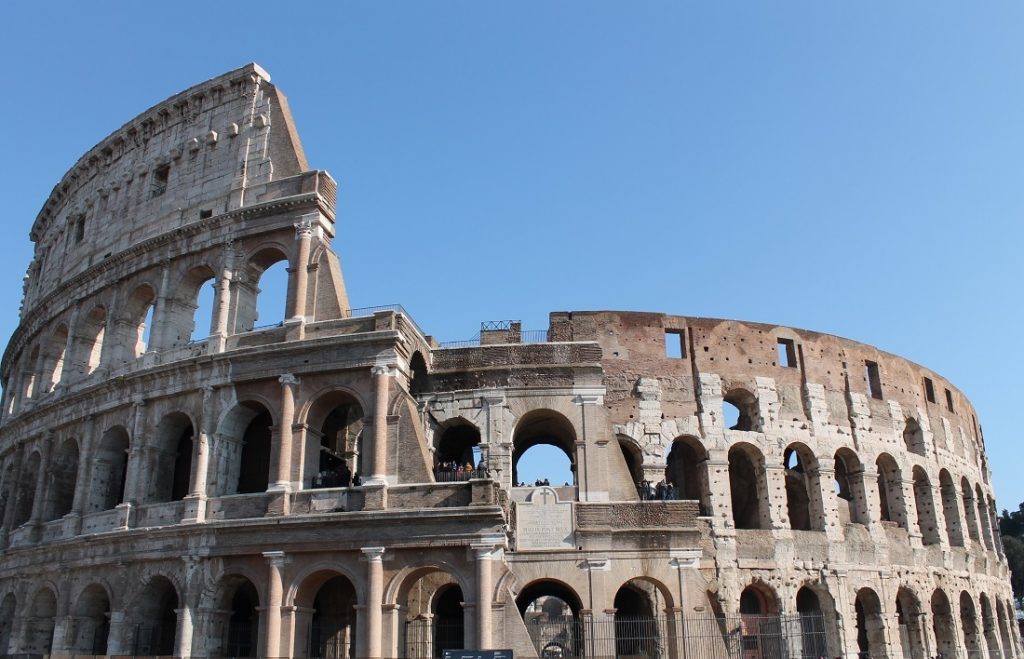
This grandiose structure (translated from Latin, Colosseus means "huge") was erected by order of Emperor Flavius Vespasian around 80 AD. The building could accommodate up to 87,000 spectators.
After the initial excitement subsided, the first question that arose among those gathered at the walls of the Flavian Circus was: where had the huge piece of the outer wall gone? In the 14th century, Rome was shaken by a powerful earthquake that destroyed part of the Colosseum. Well, in accordance with the thrifty tradition of the Middle Ages, the locals decided that it would be a shame to let it go to waste. And so they began to dismantle parts of the Colosseum to build palaces.
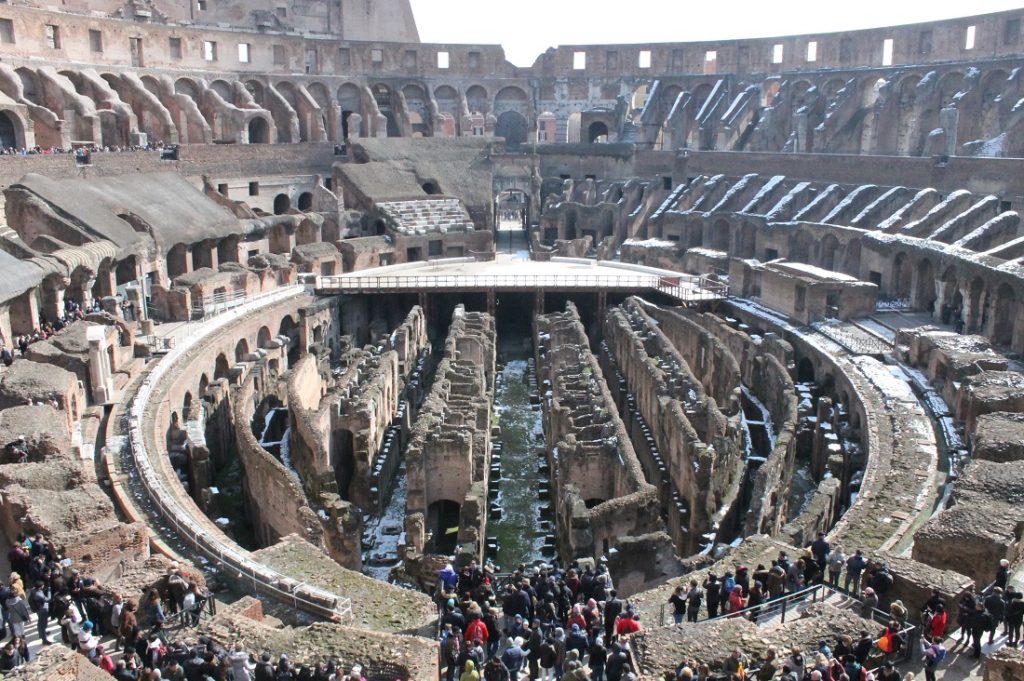
A visit to the Colosseum will cost €18. The ticket also includes a visit to the nearby Forum. Make sure you purchase your ticket in advance online. Tickets sell out a week in advance during the summer, and you won't be able to just show up and knock on the gate. Alternatively, you can book a tours in Rome.
Roman Forum
Simply a marketplace. Where Roman gossips had been badmouthing the patricians for centuries. And the patricians were engaged in the favorite pastime of aristocrats—talking about politics.
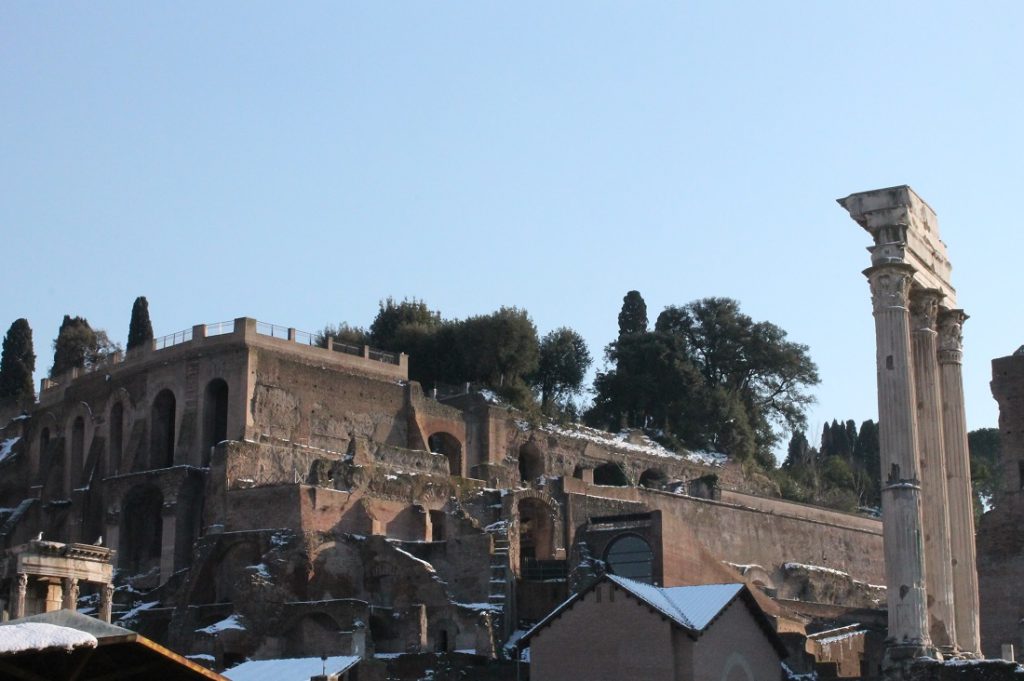
From an architectural point of view, the ruins of the Forum are interesting because they represent a kaleidoscope of eras. Not just neighboring eras, but eras layered on top of each other. A Christian church stands next to the pagan temple of Saturn. And in the middle of both shrines, the Romans held trials and even executed criminals. And then they erected triumphal arches to their emperors. This is the spirit of Rome: the sublime sacred and the base earthly are always side by side.
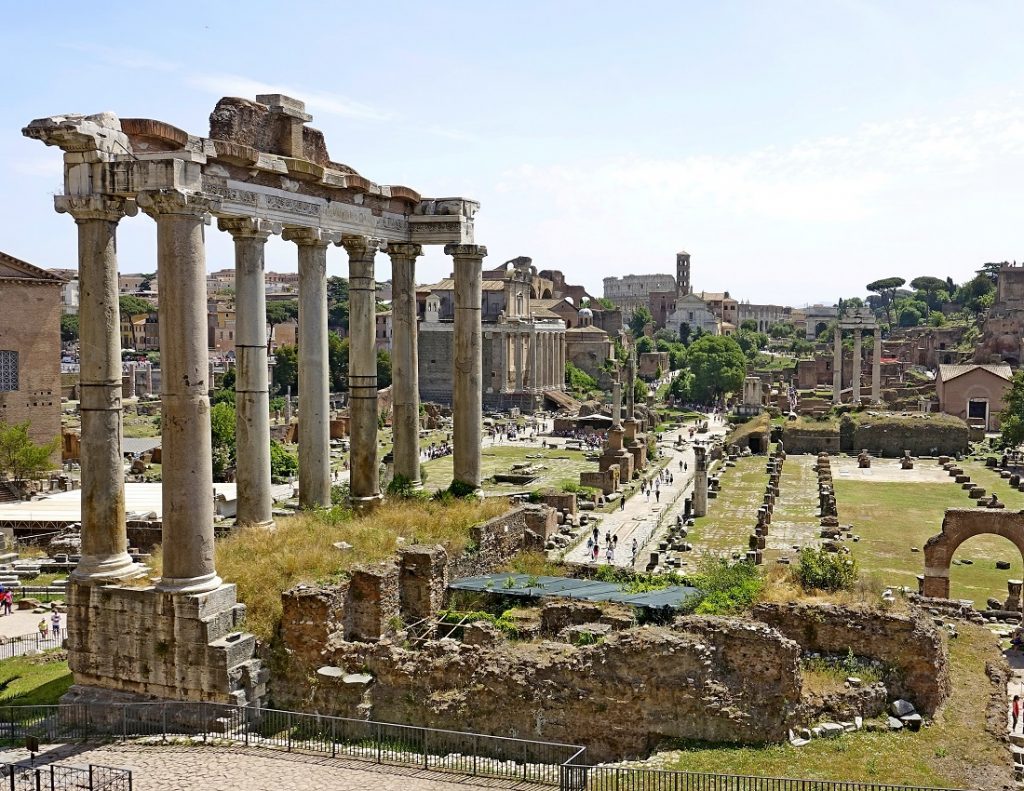
Most of the buildings in the Forum date back to the pagan times of the early Roman Republic. This is the cradle of the future ancient metropolis. The names of the buildings testify to how old they are: the Temple of the Dioscuri, the Temple of Vesta, and the Temple of Venus. The oldest of them date back to the 5th century BC.
Trajan's Column
Rome is known in history primarily as a machine for conquest. Among the emperor-commanders, one of the most famous was Trajan. Under him, the empire reached its maximum size, stretching from Mesopotamia to Britain.
The 38-meter-high Trajan's Column was intended to immortalize the memory of the emperor and military commander. In modern terms, the column could be described as a collection of comics in stone: miraculously, it features images of 2,662 figures and 155 military scenes.
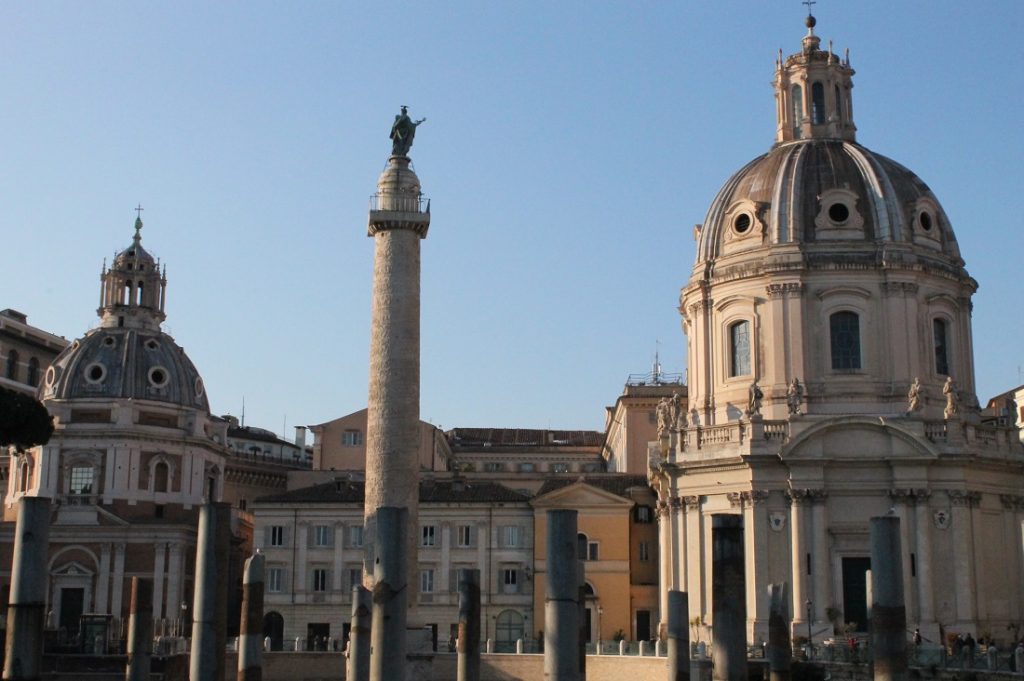
Unfortunately, Trajan himself was removed from the top of the column. In the 16th century, he was replaced by the Apostle Peter. Inside the structure, there is a staircase that leads to the observation deck.
Vittoriano and the Capitol
A mere infant compared to Rome's ancient landmarks. Nevertheless, it is one of the most striking images of the Italian capital. The Vittoriano is a complex of monuments and buildings designed to commemorate Victor Emmanuel II, the king who unified Italy in 1861. This event, known to Italians as the Risorgimento (Renaissance), marks the restoration of historical honor.
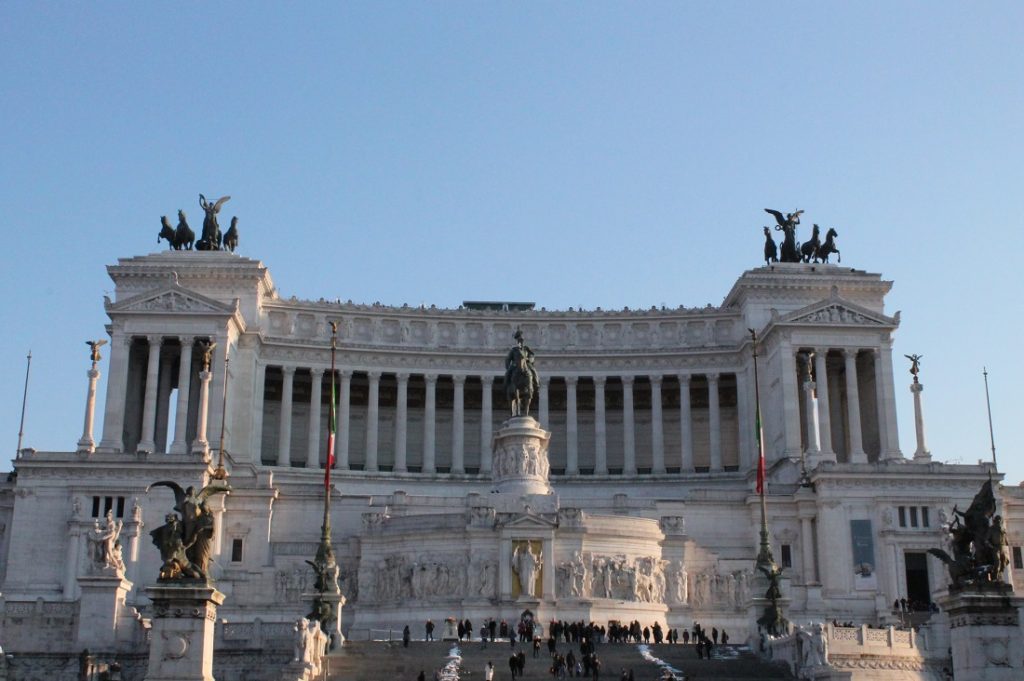
Vittoriano is located on the Capitoline Hill, the most famous of Rome's seven hills, where the Italian capital was born. Somewhere on the slopes of this hill, the Capitoline she-wolf nursed two abandoned children, Romulus and Remus. The brothers grew up and founded one of the greatest cities in history.
The sculpture of the she-wolf, familiar to us from our school days, is located in the Capitoline Museum. Incidentally, this is the world's first public museum, which opened its doors to the public back in the 15th century. Times have changed. Now, a visit to the museum and the opportunity to see the she-wolf will set you back €16.
Pantheon
Nowadays, you will have to pay for a visit to the Pantheon. Starting in July, admission to the Temple of All Gods will cost €5.
The ancient Romans were pragmatists. Not knowing which deity was more beneficial, they worshipped them all a little bit. Their relationship with the gods was transactional: help us, and you will receive a sacrifice. Built in 128 AD, the Pantheon reflected this religious diversity.
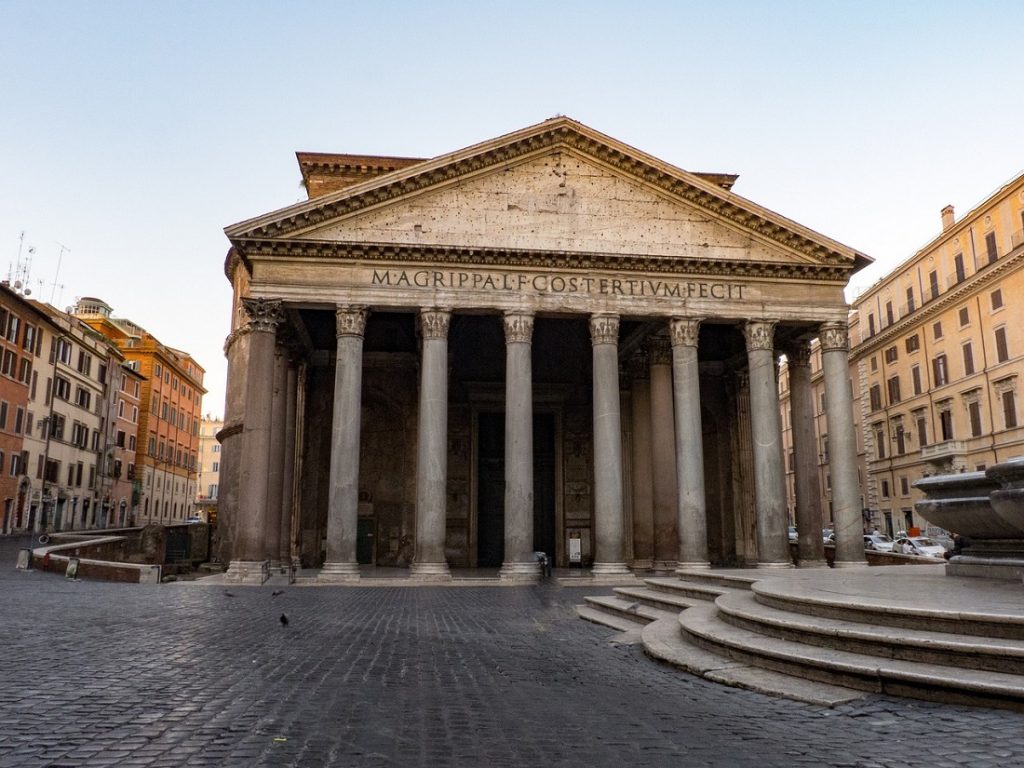
At the same time, this iconic Roman structure is not a temple in the literal sense of the word. It is also a sanctuary for emperors, who, according to popular belief, had divine origins.
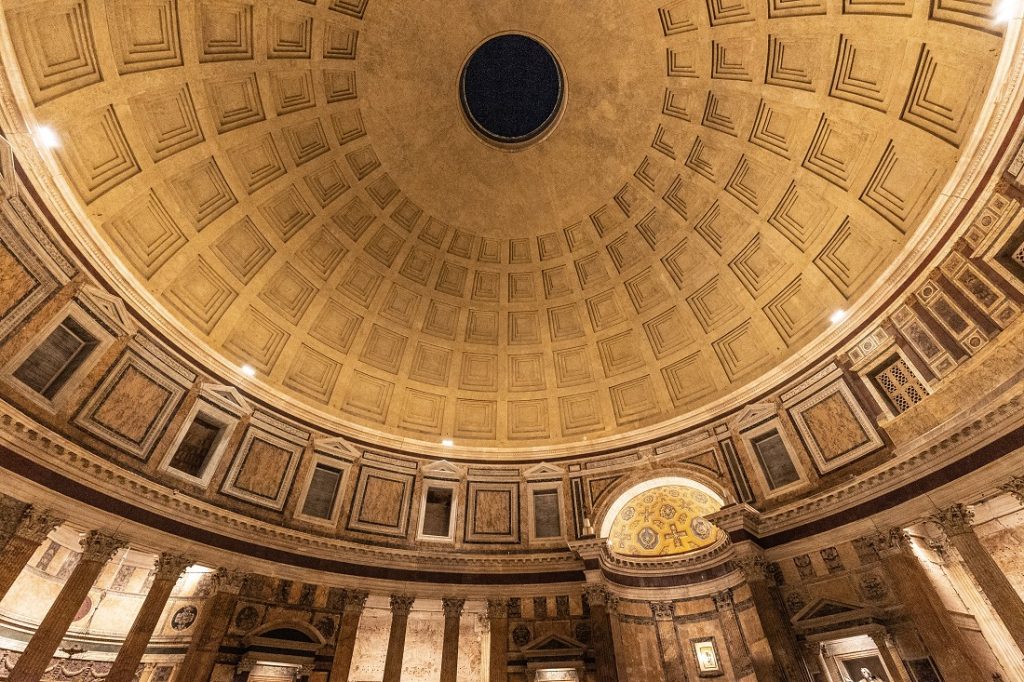
The mystical interior of the Pantheon gives tourists goose bumps with its single eye gaping in the ceiling. The hole (oculus) was made in such a way that the sun "spent" autumn and winter in the upper hemisphere of the building, and after the spring equinox, a ray of sunlight passed through the doorway. Thus, the structure acquired the symbolic meaning of the axis of the world.
- The path of the Illuminati in Rome: from the pages of Dan Brown's Angels and Demons
- Rome itinerary: where to eat in the Italian capital
- In the footsteps of the ancient pilgrims: the pilgrim's journey of Camino de Santiago
- What should you know before traveling to Italy?
Trevi Fountain
Among the abundance of Roman fountains, one can truly be called imperial. The forms frozen in stone and the restless energy of the water streams captivate the attention of tourists for hours. Before us is the Trevi Fountain.
The most elegant building in the capital was begun in the 17th century by the famous sculptor Bernini. It was continued by his pupil, who had the most appropriate name, Carlo Fontana.
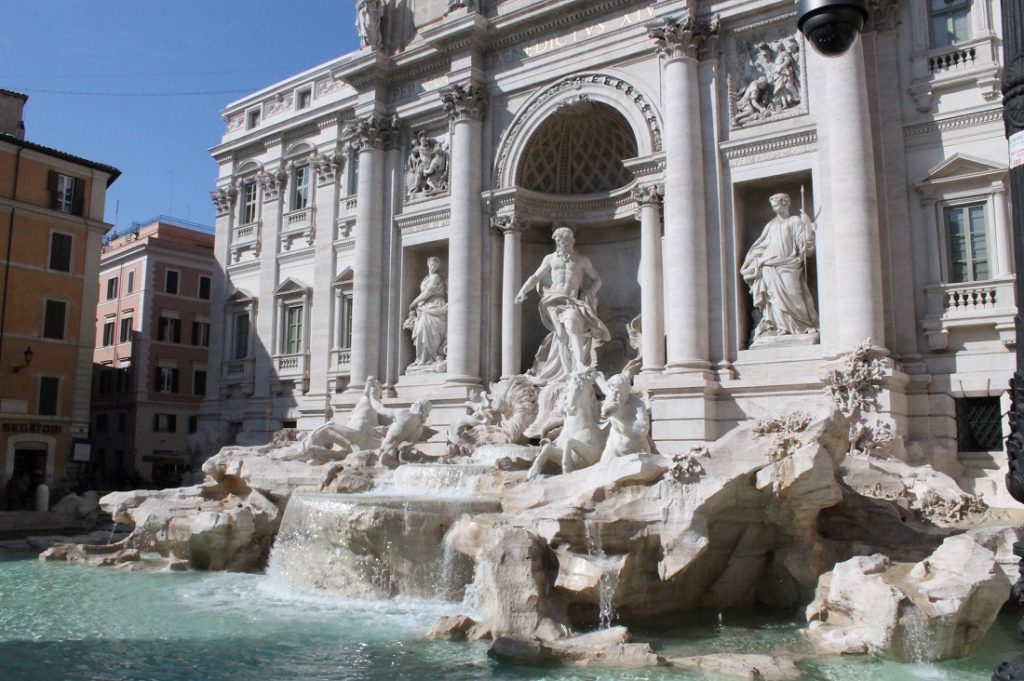
The figure of Neptune is placed in the center of the fountain's composition. The ruler of the water element is seated in a shell-shaped chariot drawn by two sea horses, which are led by tritons. One horse is agitated and symbolizes the stormy sea, while the other is calm.
The Trevi Fountain is also known as the richest fountain in Rome. Visitors who dream of returning to the Eternal City actively throw money into it, averaging €4,000 per day. That's €1.5 million per year!
Piazza Navona
A concentration of antiquity and elegance. Every building is a palace. There are also three beautiful fountains, one of which was sculpted by Lorenzo Bernini himself. It is not difficult to find the most famous fountain in the square. A 16-meter Egyptian obelisk stands in its center.
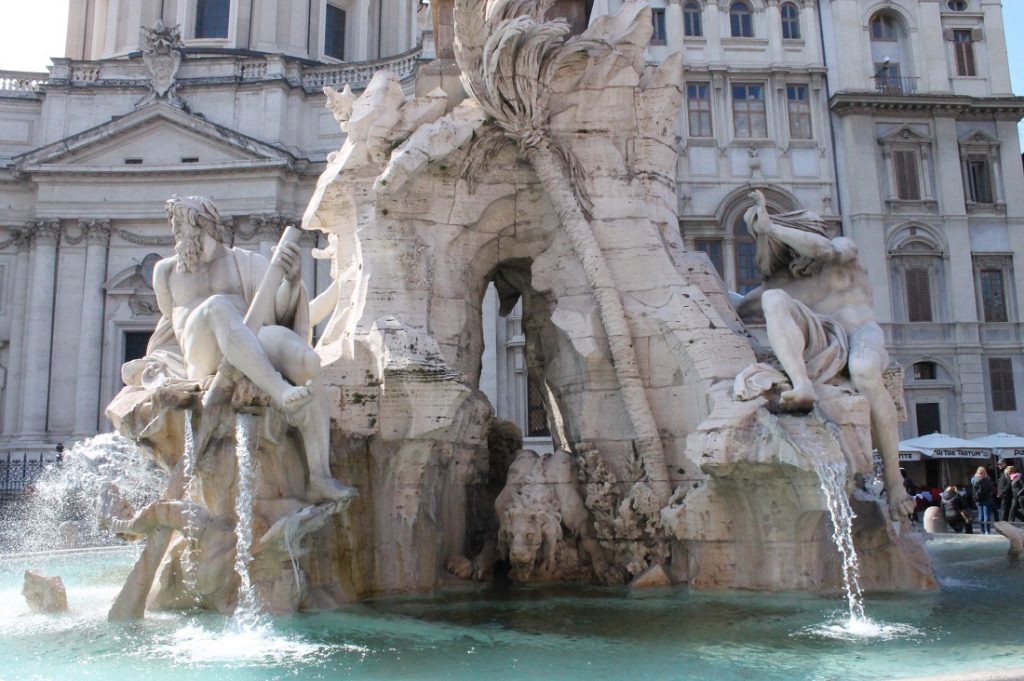
Bernini's creation in Piazza Navona is called the Fountain of the Four Rivers. Its statues, frozen in motion, symbolize the four major rivers of different parts of the world — the Nile, the Ganges, the Danube, and the La Plata. In the 17th and 18th centuries, on weekends in August, the fountains in the square were deliberately overflowed with water and the square was flooded so that locals could find relief from the heat.
Day 2
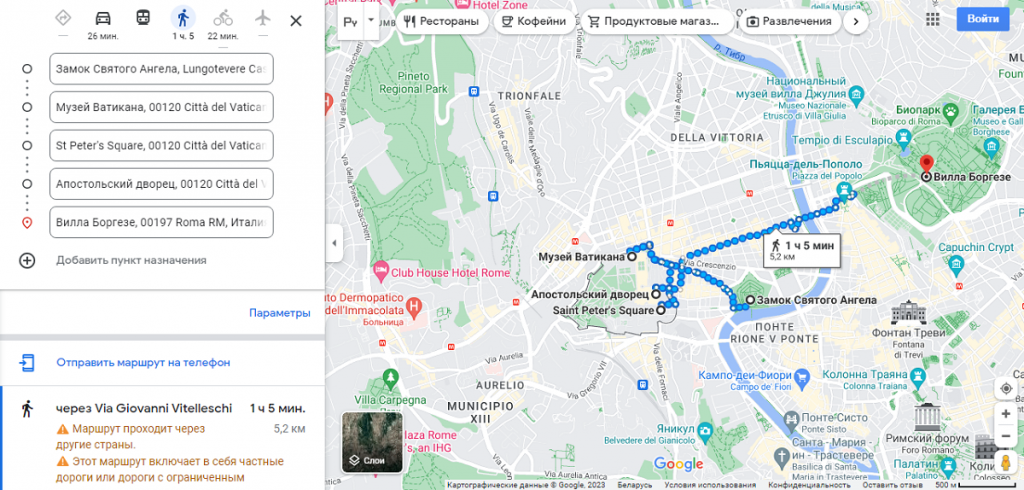
On the second day of our Roman holiday, we will travel to another country. How is that possible, since I promised two days in Rome? That's right, we will travel to the smallest and coziest country in the world, the Vatican, located within Rome.
Castle of the Holy Angel
A silent, enormous guardian at the gates of the Vatican, whose gloomy appearance contrasts with its heavenly name—Castel Sant'Angelo. In fact, the only thing angelic about this place is its name. So where did this formidable giant get its name?
According to legend, in 590, during the plague epidemic, Pope Gregory the Great saw the Archangel Michael at the top of the fortress, who sheathed his sword, signifying the end of the disaster. This is where the name "Castle of the Holy Angel" comes from.
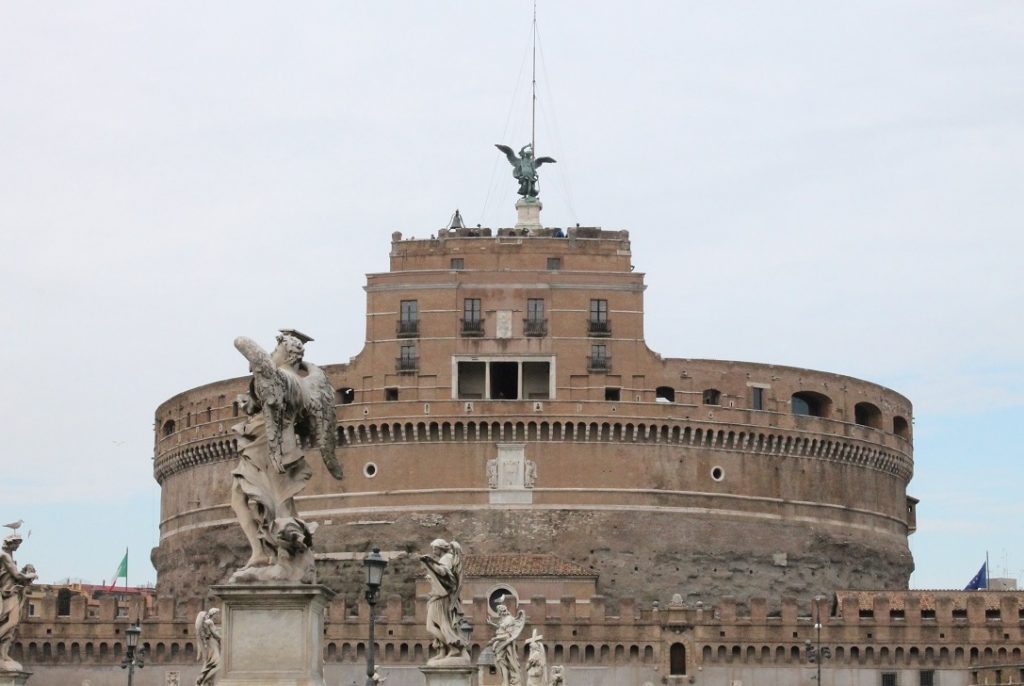
Before that, the castle was called Hadrian's Mausoleum. This name more accurately described the original purpose of the building: it was intended to be the final resting place for the remains of Roman emperors. However, constant raids by barbarians who overran Rome at the end of the empire showed that the city needed strong walls rather than mausoleums.
In the Middle Ages, the castle was used as the residence of the popes. The pompous chambers were located next to the torture chambers. One of the castle's owners, Pope Alexander VI Borgia, personally enjoyed watching the executions. And so the castle was nicknamed "The Sad One."
Vatican Museum
Experience a complete immersion in Renaissance art as you stroll through the Vatican Museums. Despite the hefty admission fee of €17, they are not to be missed. The Vatican Museums are among the ten most visited museums in the world, and when you see their interiors, it's easy to understand why.
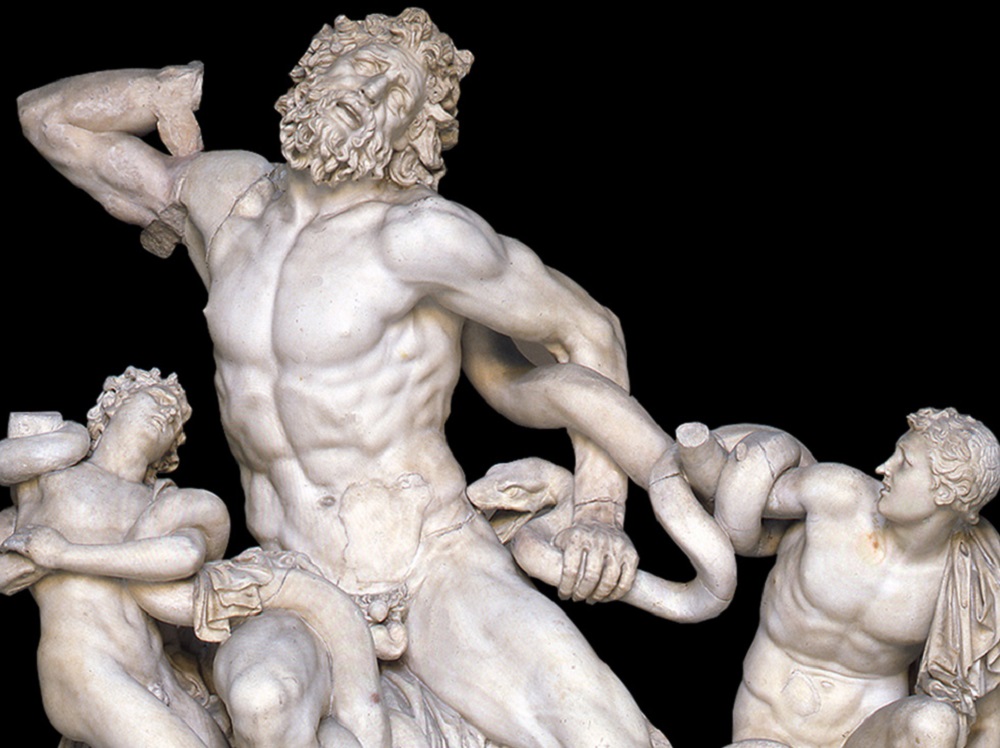
As soon as you enter the museum, you are greeted by the world-famous sculpture "Laocoön and His Sons," depicting a tragic episode from the siege of Troy.
The beautiful Vatican Pinacoteca is a feast for the eyes. Each of its paintings is a world-renowned masterpiece: Giotto, Raphael, da Vinci, Caravaggio.
But we all subconsciously wonder: when will we see the Sistine Chapel? The best is always saved for last, and the chapel is the final room in the exhibition.
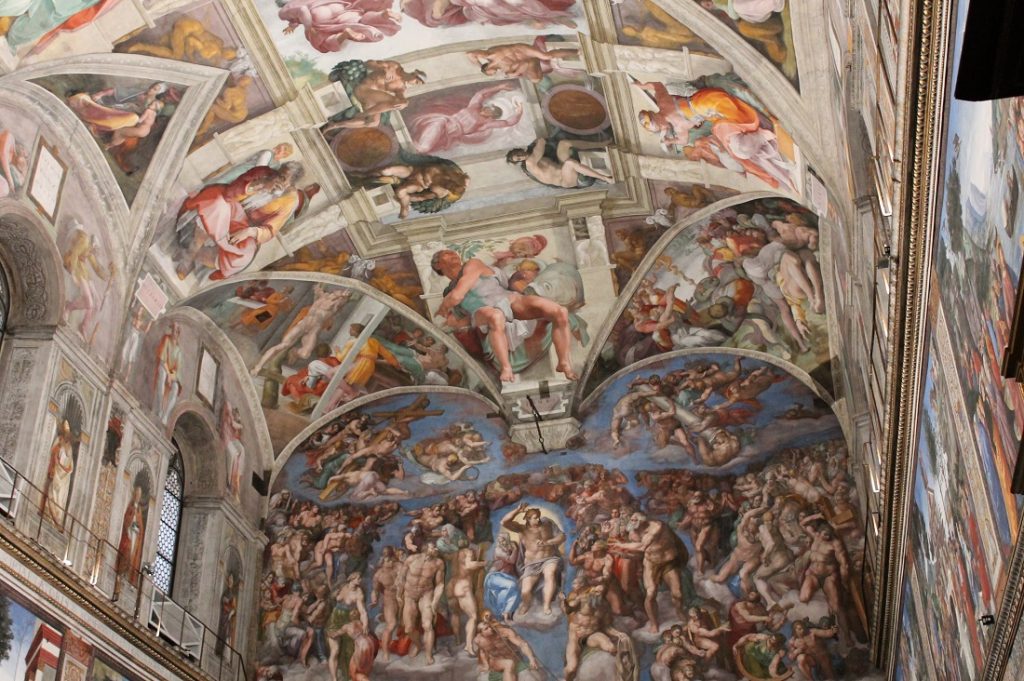
Whatever epithets come to mind, they will be insignificant in describing the chapel's masterful frescoes. Dozens of artists worked on them, but we know most about Michelangelo's work. From 1508 to 1512, he decorated the ceiling of the room and, at the same time, immortalized his name in history. On the altar wall is his equally famous fresco, "The Last Judgment."
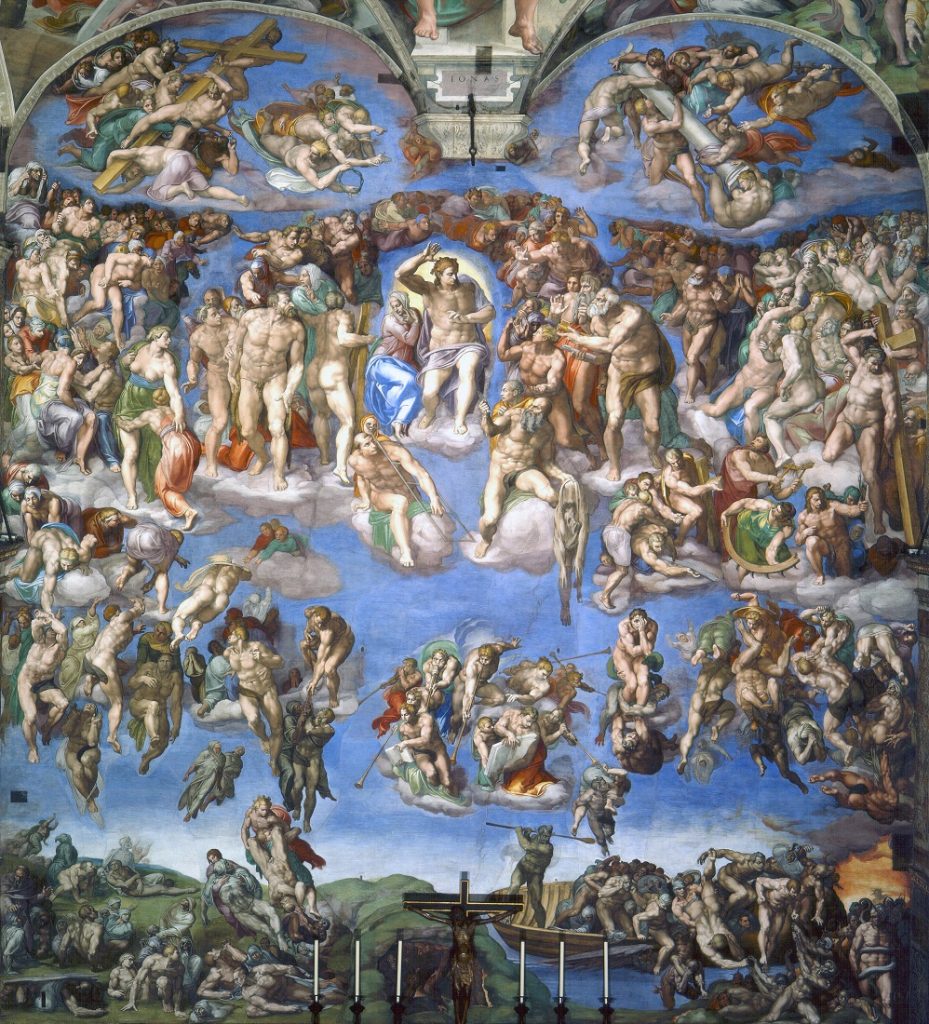
Periodically, the whole world, or at least the Catholic world, follows what is happening in the Sistine Chapel. This is where the holy conclave of cardinals meets to elect the Pope.
St. Peter's Square
I hope you are still capable of appreciating beauty. After all, brilliant painting is followed by brilliant architecture. How could it be otherwise, when the composition of St. Peter's Square was created by Bernini himself?
The square, which is never empty even at night, stretches out in front of the cathedral of the same name. In its center stands a 350-ton obelisk. In 1586, it was transported from Nero's Circus. Such a special operation in those days was akin to an engineering miracle: it took 800 people, 75 horses, and one genius to carry it out.
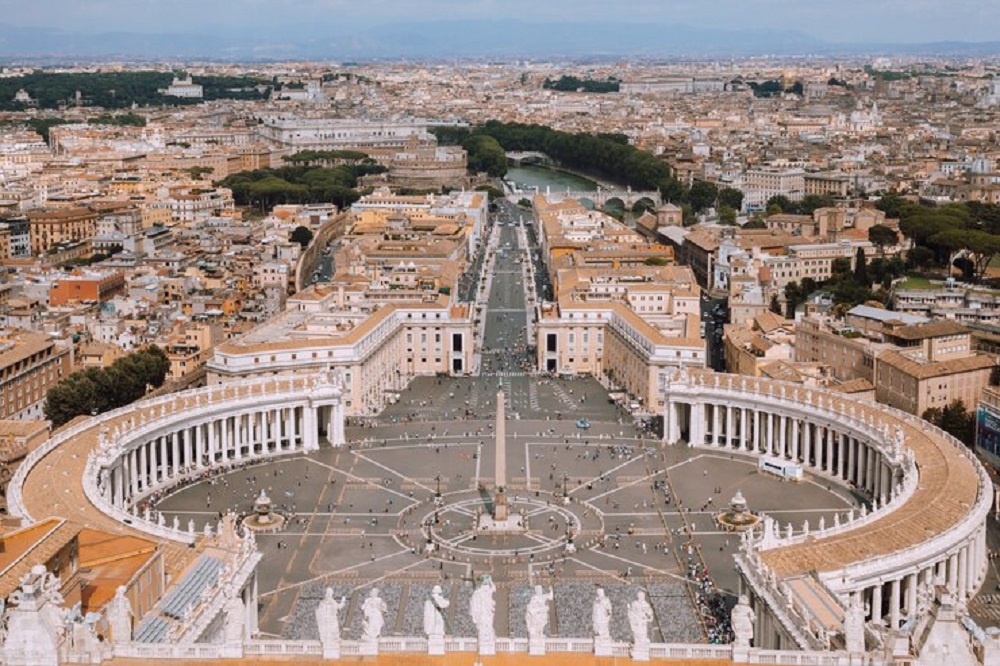
On both sides, the square is framed by semicircular colonnades: 284 columns in four rows support the archway, on which 140 statues of religious figures are installed. There are two marble discs with the inscription Centro Del Colonnata on the square. If you stand on them and look at the colonnade, the three rear rows of columns will disappear. This is an optical trick from ancient times.
According to a beautiful legend, the colonnades, combined with the cathedral, form the symbolic shape of St. Peter's key, the symbol of the Vatican, when viewed from a bird's eye view. They also seem to embrace believers and guide them to the holy of holies, St. Peter's Cathedral.
St. Peter's Cathedral
The main religious shrine for a billion Catholics, St. Peter's Basilica can accommodate 60,000 of them at a time. It is the largest Christian church in the world. According to an unspoken rule, no building in Rome can be taller than the 136-meter cathedral. Among other things, the church is a huge papal mausoleum, where 91 supreme pontiffs are buried.
Believers are convinced that the cathedral stands on the burial site of Jesus Christ's disciple, the Apostle Peter. The first temple, erected here in the 4th century, fell into disrepair over a thousand years. And in 1506, a grand construction project began, unparalleled in the world. It lasted 120 years, and we can admire the result today.
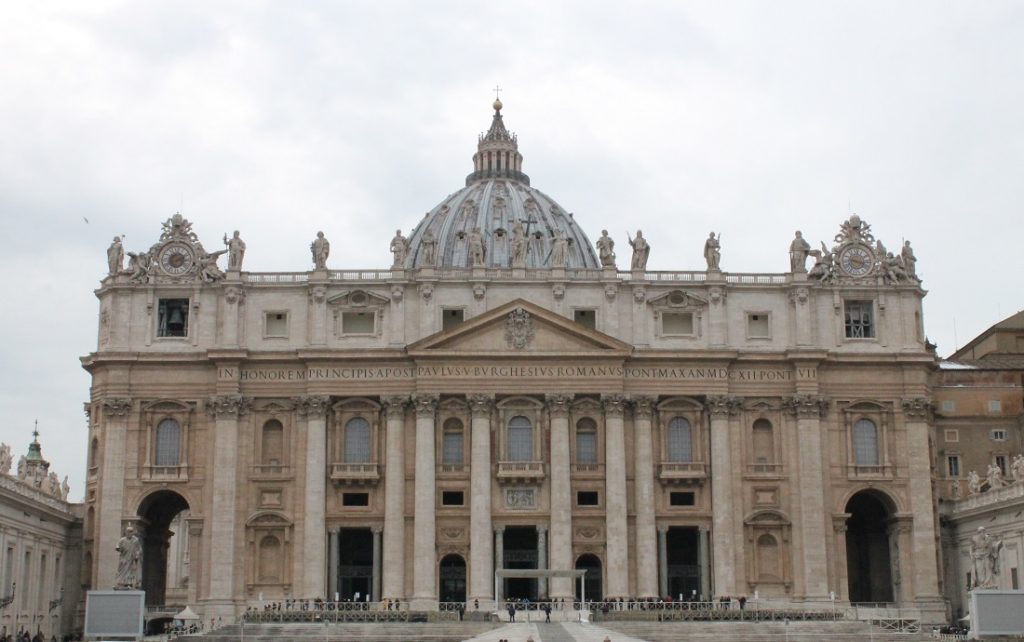
There are five doors leading into the cathedral, one of which is called the Holy Door and is opened only during a Holy Year (as determined by the Pope). The door is opened on Christmas Eve strictly once every 25 years. Pilgrims who pass through it receive complete forgiveness of sins, so it is worth timing your visit to Rome for this occasion.
Inside, your attention will be drawn to the frescoes and the enormous 29-meter canopy covering the tomb of the Apostle Peter. This is the first of Bernini's grand creations, which took more than 6 tons of bronze to complete.
Admission to the cathedral is free, but be prepared for long lines.
Villa Borghese
For our last location, we will venture outside the Vatican. Rome impresses with its buildings, frescoes, and paintings. But the ancient Italians were skilled with more than just hammers and brushes. The huge Villa Borghese landscape park is proof of this.
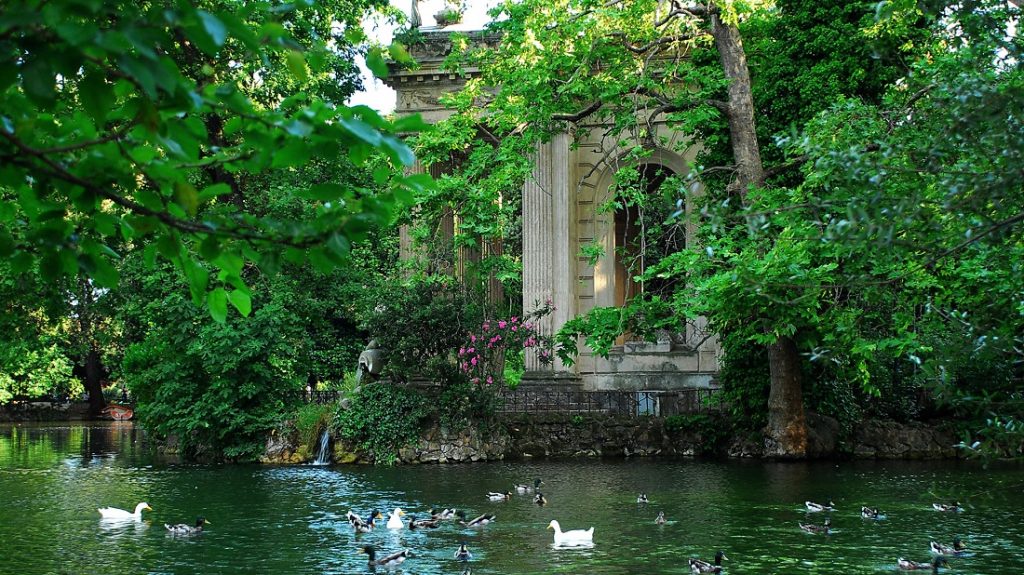
For four centuries now, it has been providing peace for the soul and rest for the body. Surrounded by centuries-old trees, ponds, Italian gardens, and open spaces, there are palaces and temples here. The park also has an art gallery for those who are insatiable for art. This is the perfect place to watch the sunset on your last day in the Eternal City.
Farewell for now. Rome leaves no one indifferent. And it never lets anyone go for long. Rome is the only harmless drug that you want to come back to again and again.