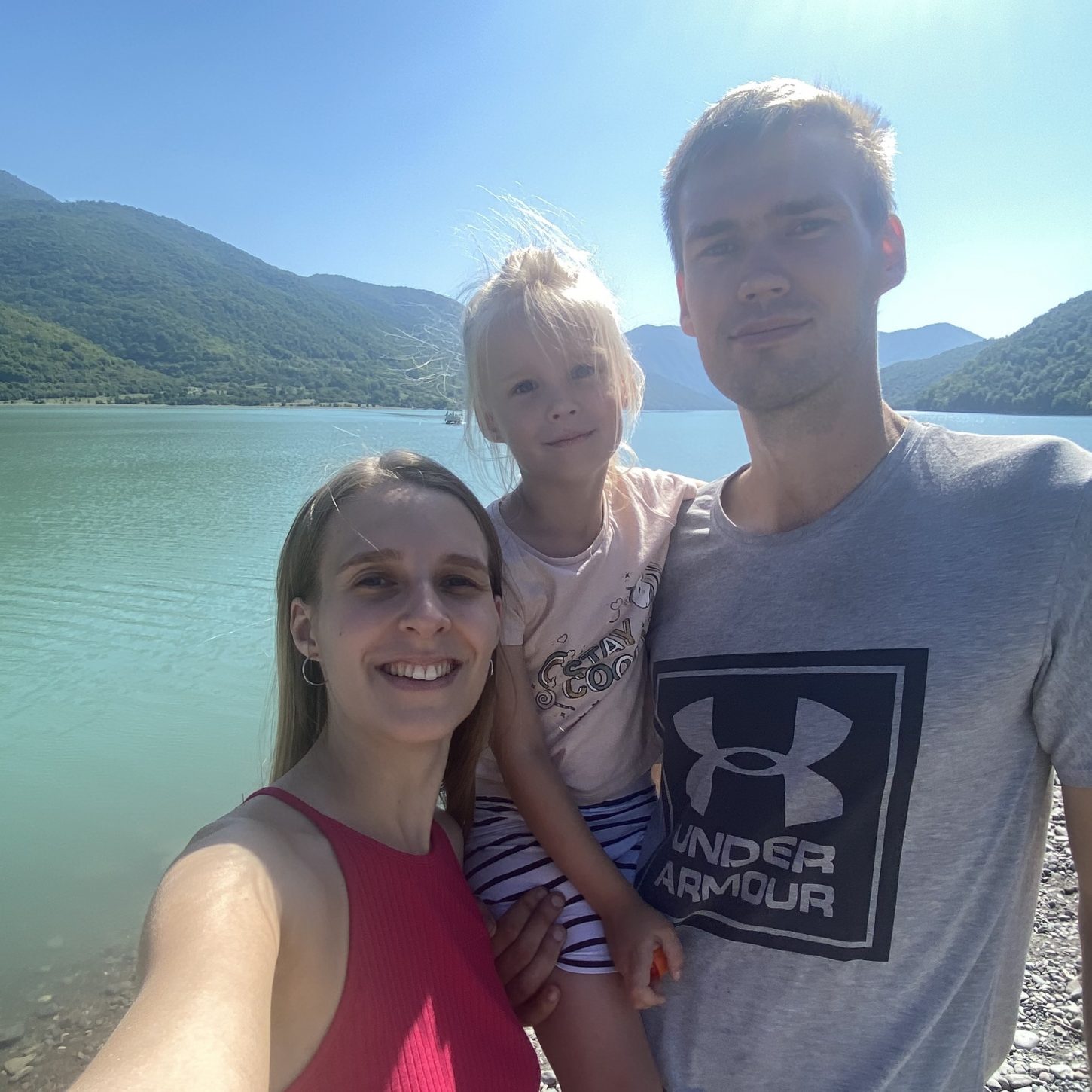
Want to go on a trip? You can choose from ready-made tours to Georgia. But what if you are interested in non-standard trips or road trips? What if your vehicle is not the latest model? Is a car that is more than 20 years old a death sentence for road trips? Absolutely not! This is confirmed by Anna and Pavel from Minsk. They drove thousands of kilometers from Belarus to Georgia in their car. On their way, they encountered breakdowns, difficulties, and happy moments with helpful people. The couple shared their travel story exclusively with Piligrimos.
Anna: We really wanted to go to the seaside, but since our daughter was still very young, we postponed the trip. However, every year we kept thinking about where we could go. And this year we decided to take a chance and go to Georgia. Especially since we have friends there whom we wanted to see. We started thinking about how to get there. But flying is very expensive, so we decided to go by car. We were even more inspired by the fact that we would see not only Georgia, but also Russian cities. So we made up our minds. At times we thought about taking the bus, but Pasha kept telling me that it would be more convenient to take our car and that everything would be fine.
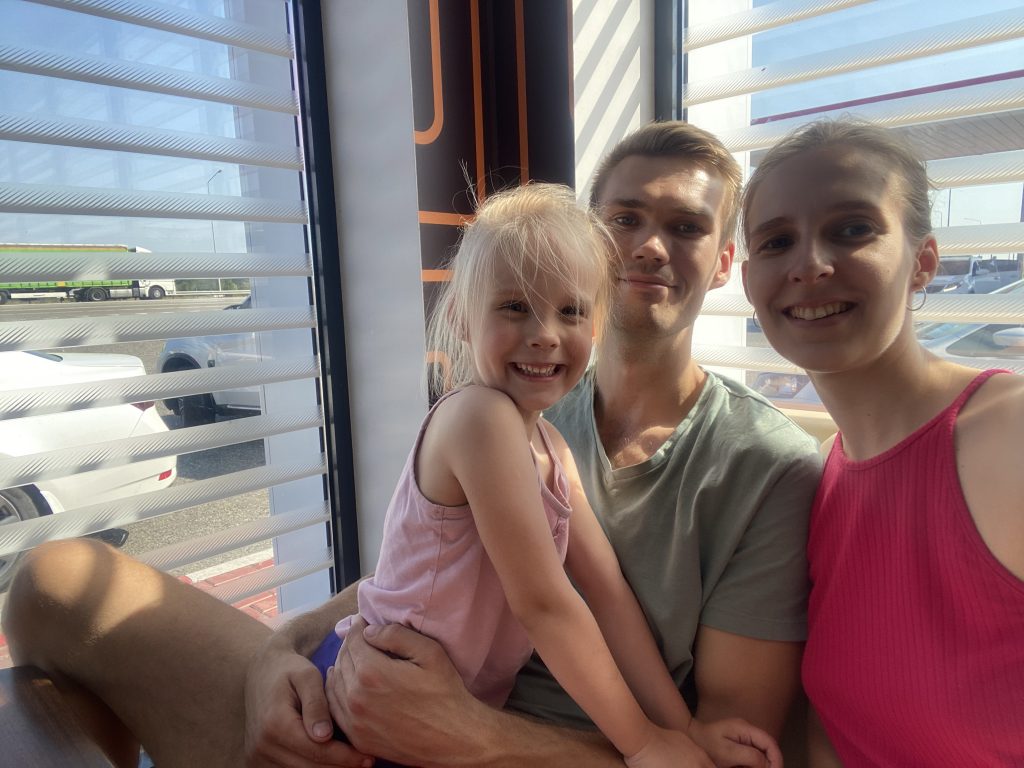
Pavel: I repair my car myself, so I know what needs to be replaced and where. I replaced everything that could break and needed to be updated. But when a car is old, you don't always know what to expect from it. It's logical that things may not go as you want them to. That's why we took extra money with us, just in case.
I also threw various tools into the trunk. Basically, everything I needed to carry out independent repairs on the road.
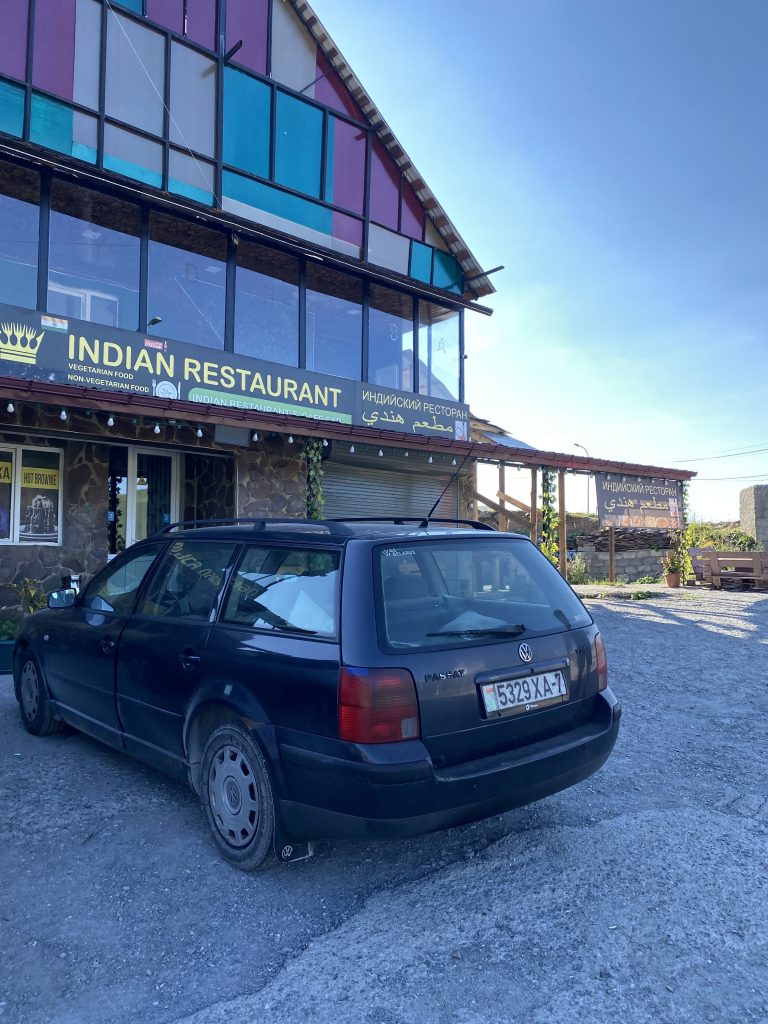
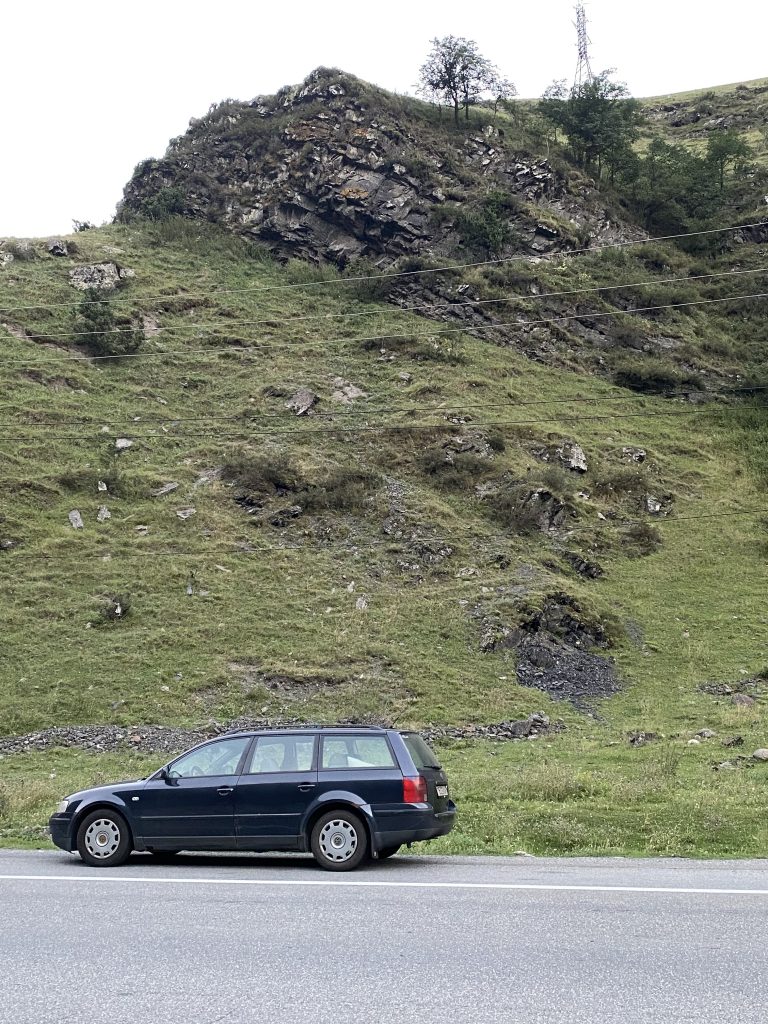
What was the plan for the trip?
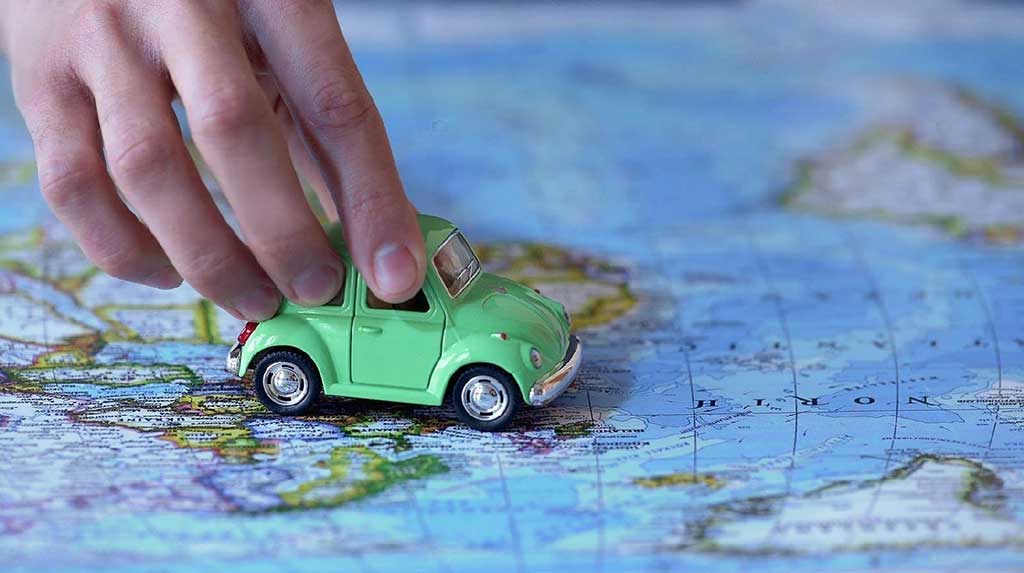
Anna: First, we booked and paid for an apartment in Georgia, and then we adjusted our plans around that date. Pasha looked at the route and decided where we would stop. We stayed overnight everywhere.
We decided to travel via Mogilev to Bryansk because we left at three o'clock in the afternoon. From Bryansk, we planned to travel to Rostov, from Rostov to Vladikavkaz, and from Vladikavkaz to Batumi itself.
While still in Belarus, I started looking for apartments to stay in. We agreed that a hotel for 3,000 rubles would be so-so, but an apartment would be very good. Of course, it's more difficult to negotiate from Belarus because you don't have a Russian phone number, and not everyone wants to talk to you to finalize the deal.
Before leaving, I couldn't find an apartment in Bryansk because they start negotiating with you, but it's not entirely clear whether they have booked the apartment or not. So before we left, I had three options. Then one woman said that her apartment was occupied, but if we couldn't find anything, she would ask around among her acquaintances. In the end, she found a woman who rented out an apartment in Bryansk at a low price. She didn't know me at all, she just decided to help through her acquaintances.
It was easier in Bryansk itself because we bought a Russian SIM card. We searched for apartments on Yandex Real Estate and Avito and discussed the terms. Another complication was that everyone wanted prepayment to a card, and our cards did not offer that option.
In Vladikavkaz, we agreed on an apartment. At first, the landlady said that she only accepted online payments and remote check-ins. But then she changed her mind and said we could just leave the money in the apartment. I was very inspired by the responsiveness of people on the road who were willing to make concessions and help you out.
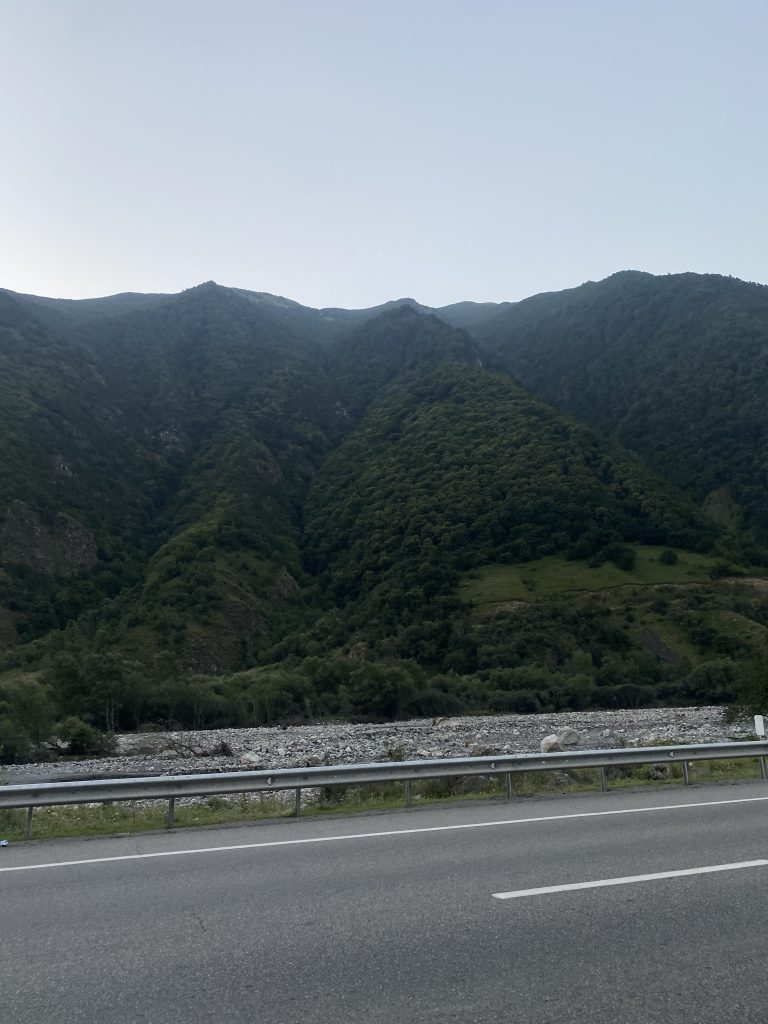
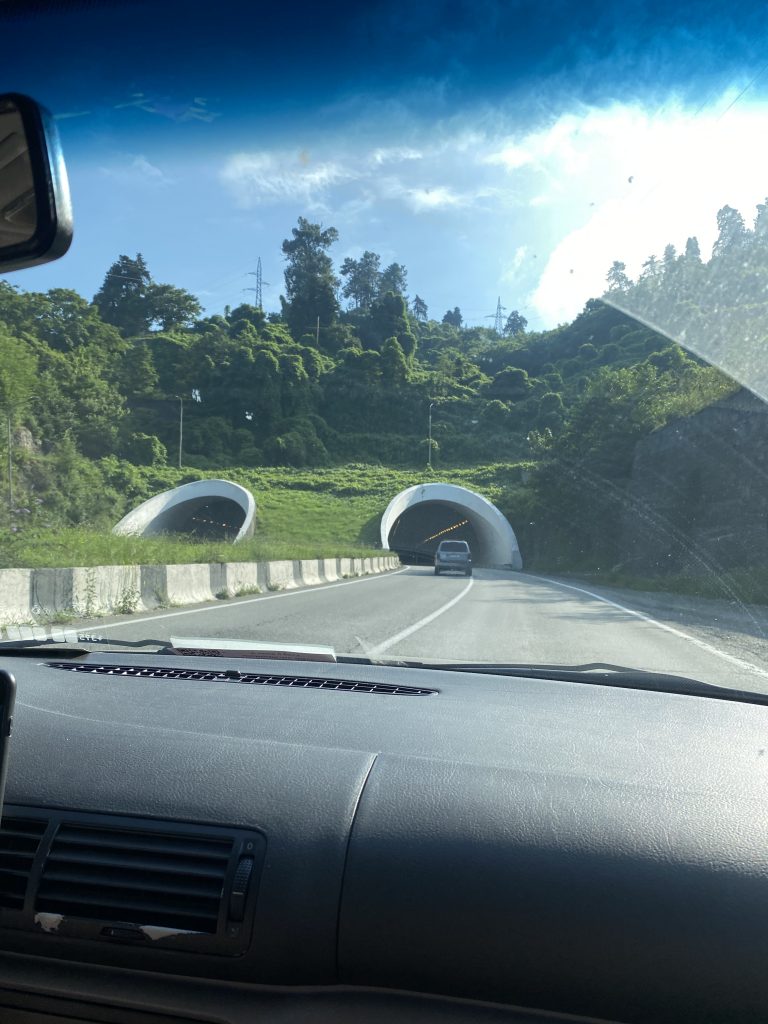
Our car made it to Batumi without any problems. There were practically no issues. We checked in on time. Our reservation hadn't been lost. The only thing that broke down on the way was the air conditioning.
Pavel: No one said that if you're stuck in traffic with the engine idling, it's best not to use the air conditioning. And we were stuck in traffic for about an hour. What's more, it was a toll road: three good lanes and no accidents. It was just the road to Rostov, where everyone goes to Sochi, and people were returning home. And in the traffic jam, our air conditioning pipe couldn't take it and all the freon leaked out.
Anna: The rest of the trip was a bit stressful because it was 45 degrees outside. In the morning, Pasha decided to check what had happened and how to fix it. In the end, the service station told us that we needed to remove the pipe and refill everything. That would take time, but we had already decided to risk driving to Vladikavkaz.
Pavel: The problem was that we had to replace the pipe with the radiator because it was impossible to unscrew it.
Anna: On the way to Vladikavkaz, all the phones with navigation systems overheated and shut down. It's a good thing we brought two extra old phones for our daughter. In the end, we tried to cool one of them down and used the other one. One phone still worked, so we looked at the map on it, because without it, of course, it would be difficult to drive.
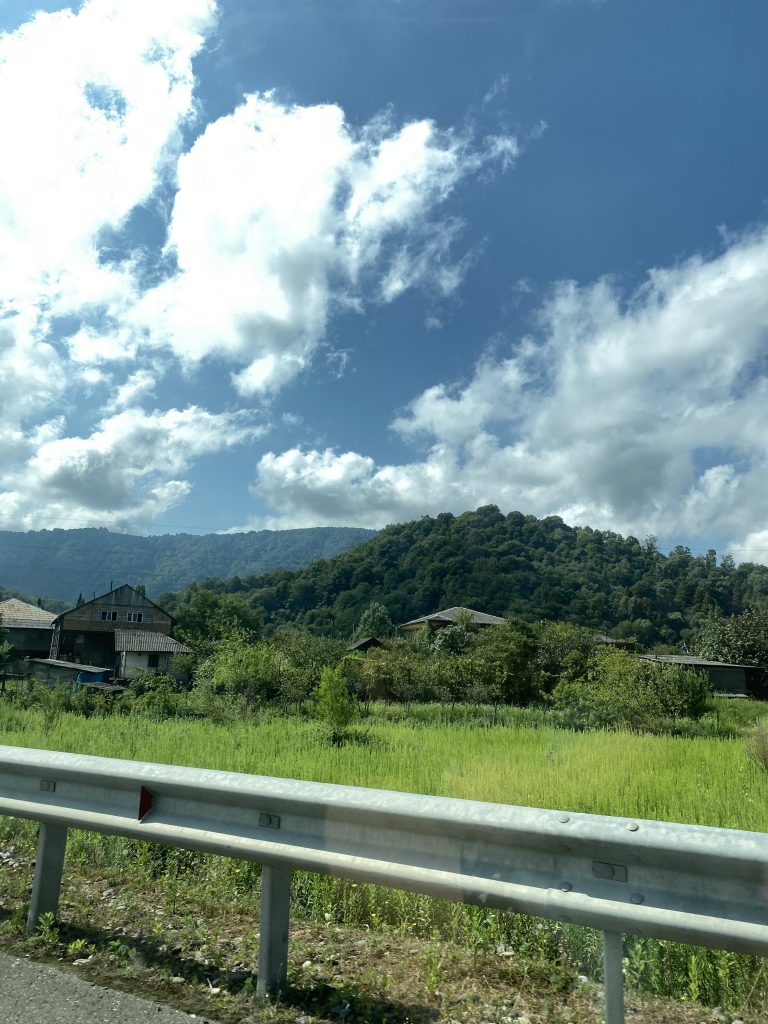
We also thought we would be passing through different cities. We would have time to walk around somewhere during daylight hours, go sightseeing, and see something. As it turned out, the closer we got to Georgia, the faster night fell.
Pavel: We call our parents in Belarus, where the sun is just setting, while here it's already dark and the streetlights are on.
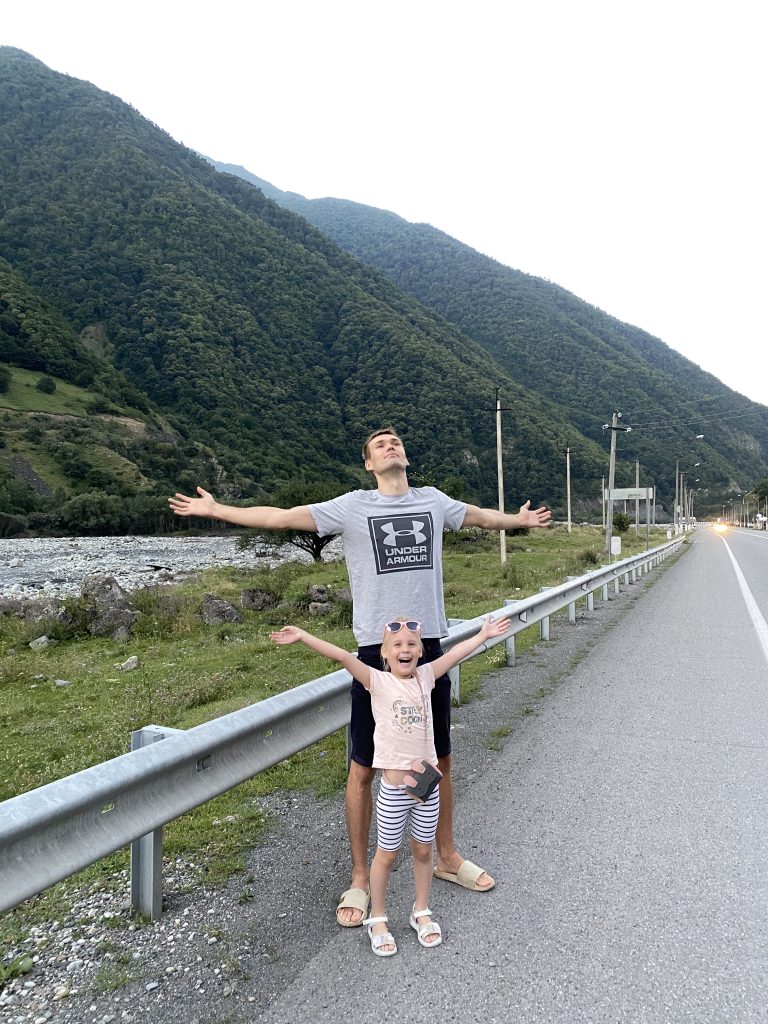
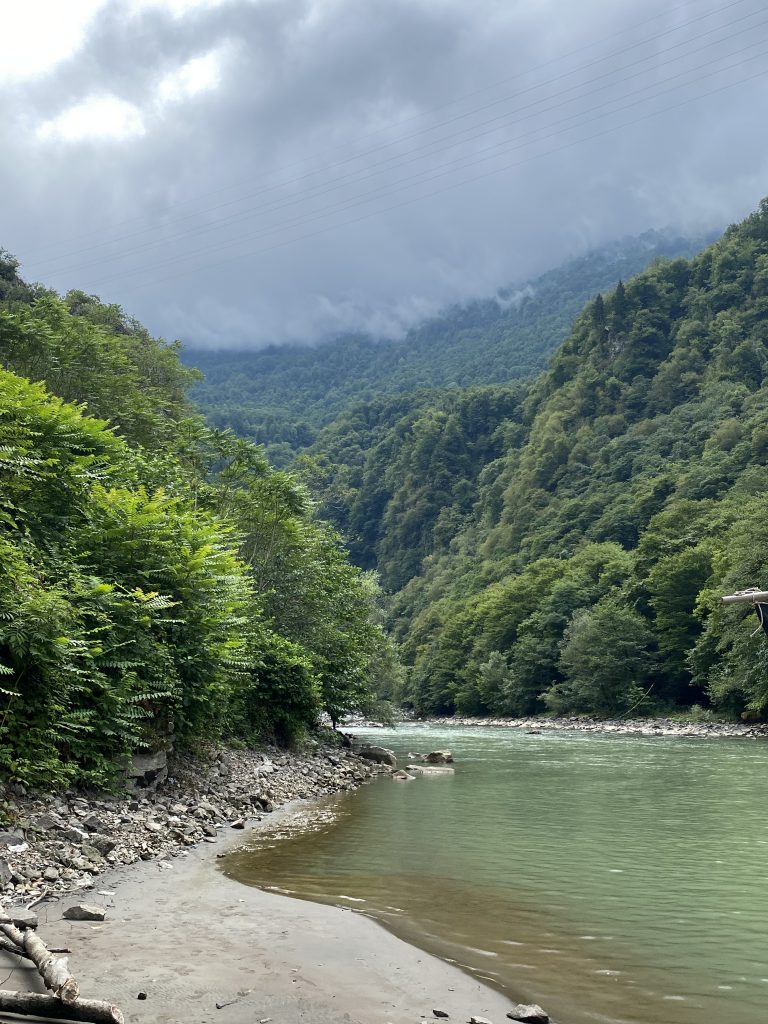
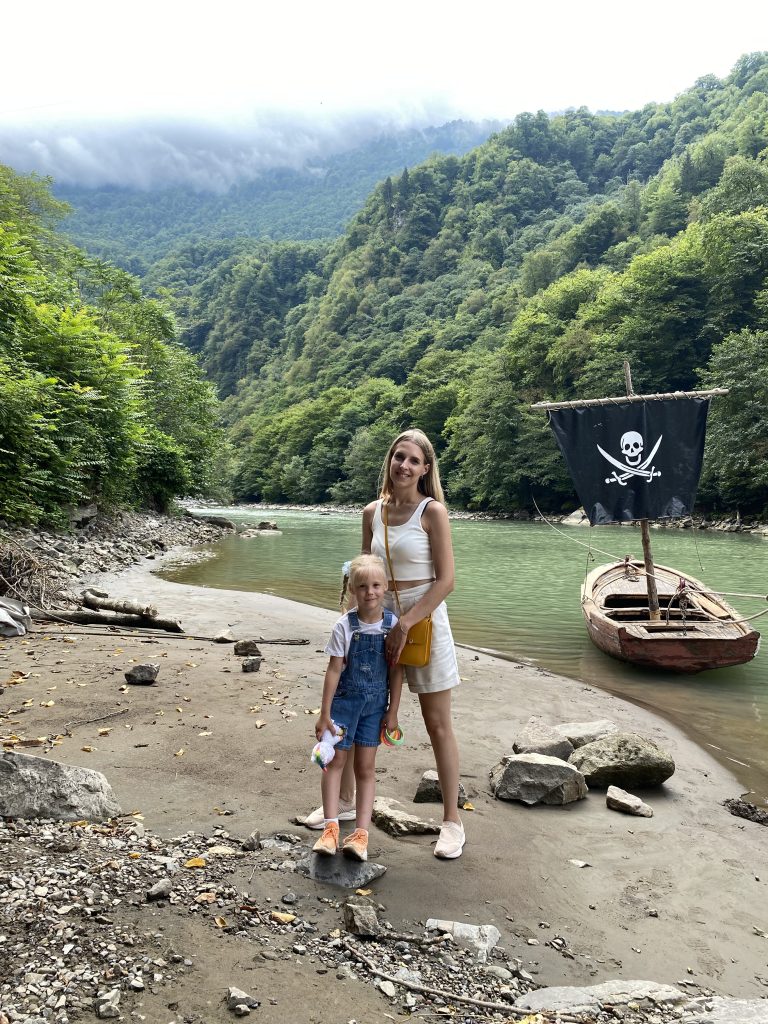
Anna: We decided to leave Vladikavkaz in the morning. We got up at 4:00 a.m. and drove to the border to cross it quickly while it was still cool and there were few people. And, in principle, we crossed it quickly, in about an hour. Then we drove along the Georgian road and were afraid that we had gotten lost somewhere. There is only one road there, mountains all around, a very unfamiliar place. We wanted to see everything. We drove slowly, looking at everything — it was an indescribable feeling.
Was the return trip uneventful?
Anna: Everything went according to plan, day by day, route by route, just as we had planned. But I think the fact that we had reservations made a difference, so we kind of adjusted ourselves. On the way back, we weren't in a hurry. We decided that while we had the opportunity to travel, we would travel.
Pavel: It all started because we didn't want to leave Georgia. At first, we decided to stop in Tbilisi, but on the way there, we had to visit Prometheus Cave—we hadn't seen all the sights yet.
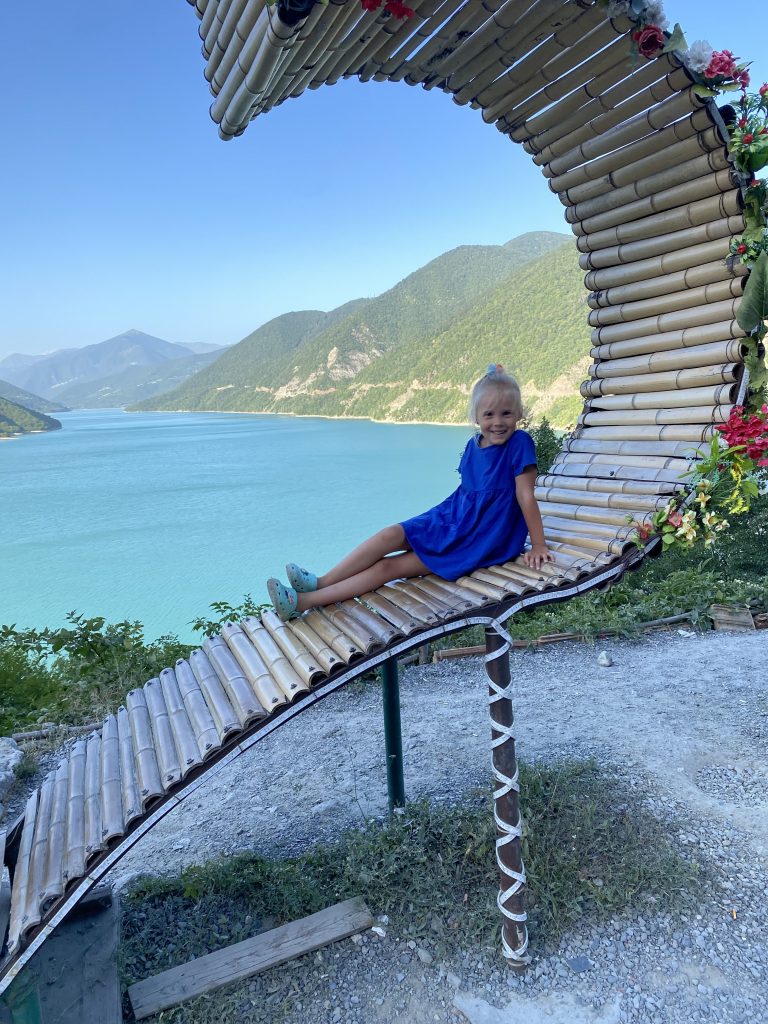
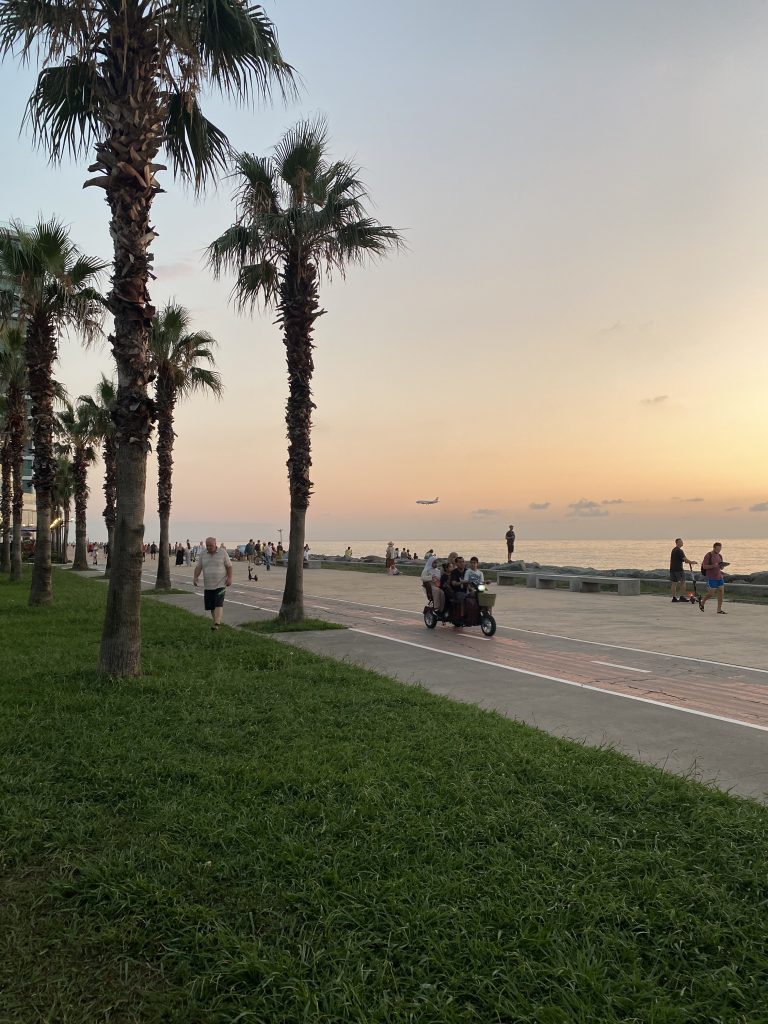
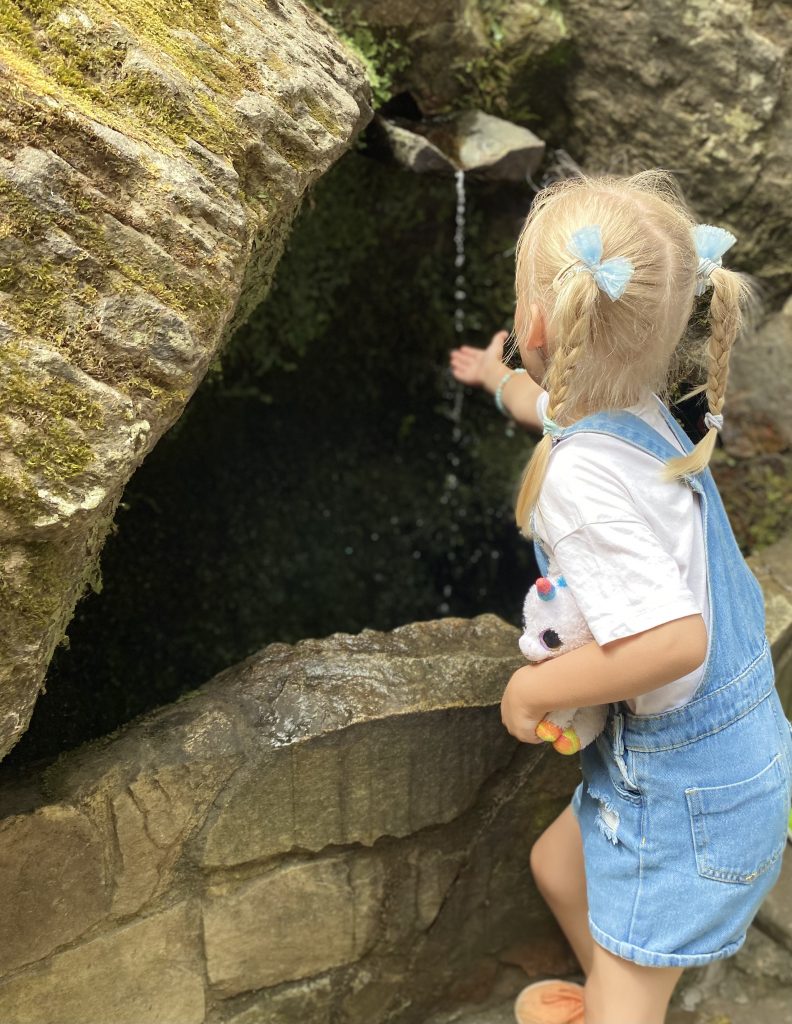
Anna: On the way to Tbilisi, we picked up Pasha's friend, who lives in Batumi and had never been to the capital. We decided to visit Prometheus Cave and then go to Tbilisi. We went to the cave, but didn't know it would be so cold there. We froze a little inside.
When Pasha was pulling out of the parking lot, he put the car in reverse—and our car stalled. We couldn't figure out what the problem was for a long time.
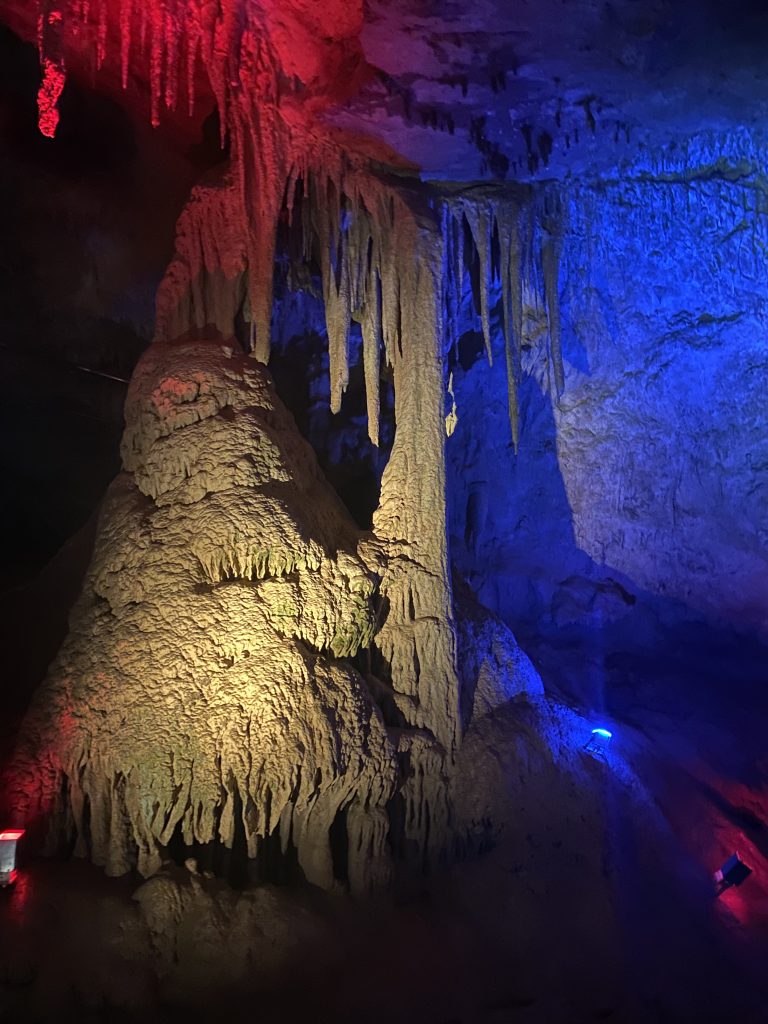
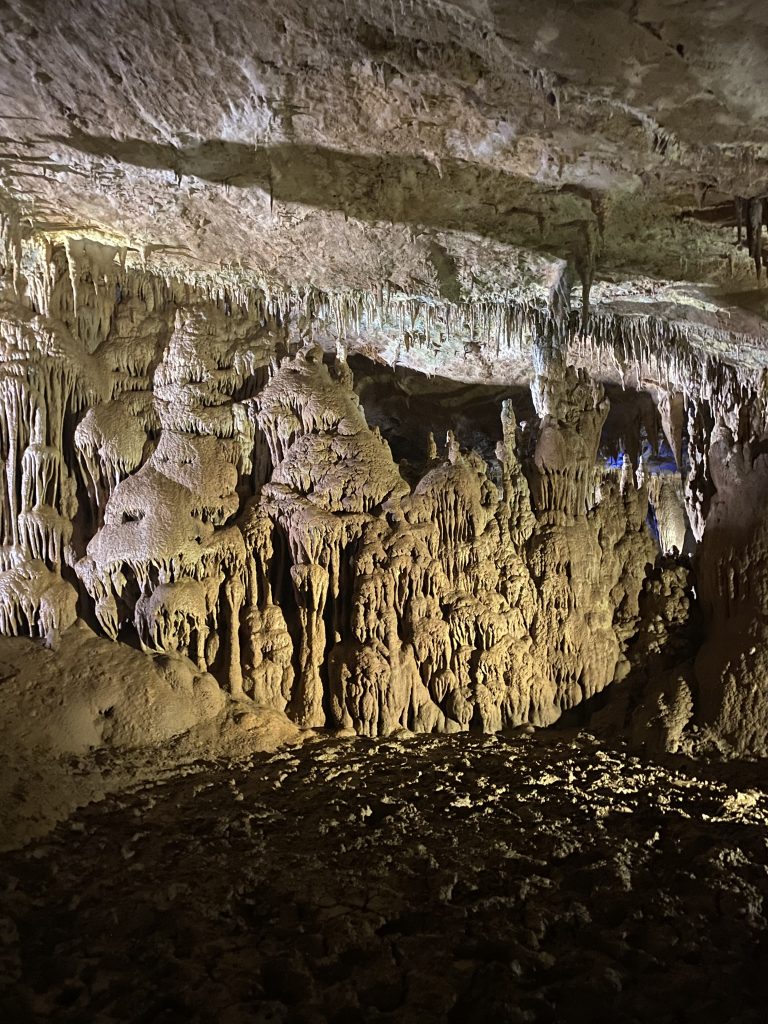
Pavel: So, you're standing there, unable to start the car, and you still have 300 km to go. People keep coming up to you, asking what happened and how they can help. I've already looked at the possible causes, but I can't find where the problem is. You start googling, but Google doesn't work because the internet connection is poor. As a result, we sat there for an hour and a half, and I decided it would be better to go to a service station. We called a tow truck.
Anna: The locals who were nearby tried to help because we didn't know Georgian. The man who rented out parking spaces near the caves found a cheaper tow truck and a taxi for us. The tow truck arrived very quickly and took Pasha away, while my daughter, my friend, and I took a taxi to the service station.
Pavel: While we were sitting at the service station, I googled it and figured out the problem: most likely, the connection to the engine block was lost somewhere. Somewhere, the wiring was shorted, and we just needed to add a new wire. Electricity is a mystery to me.
Anna: We took all these situations in stride. While Pasha was working on the car, the girls and I went for a walk around the nearest town. The Georgians were very helpful and told us where to eat and where to stay. In the end, we found accommodation and stayed overnight in Kutaisi.
Pavel: The electrician fixed the car, but when I put it in reverse again and started to drive away, the car stalled again. In the end, the electrician said that the repair would have to be postponed until the next day.
Anna: The next morning, we got up and went back to the service station, but we didn't wait for the electrician. Instead, we refilled the air conditioner. We decided to head for the border. I was very afraid to drive on the serpentine road, especially when Pasha said that our reverse gear wasn't working at all. When we turned it on, the fuse blew and we had to install a new one. But we bought a bunch of fuses just in case and drove on.
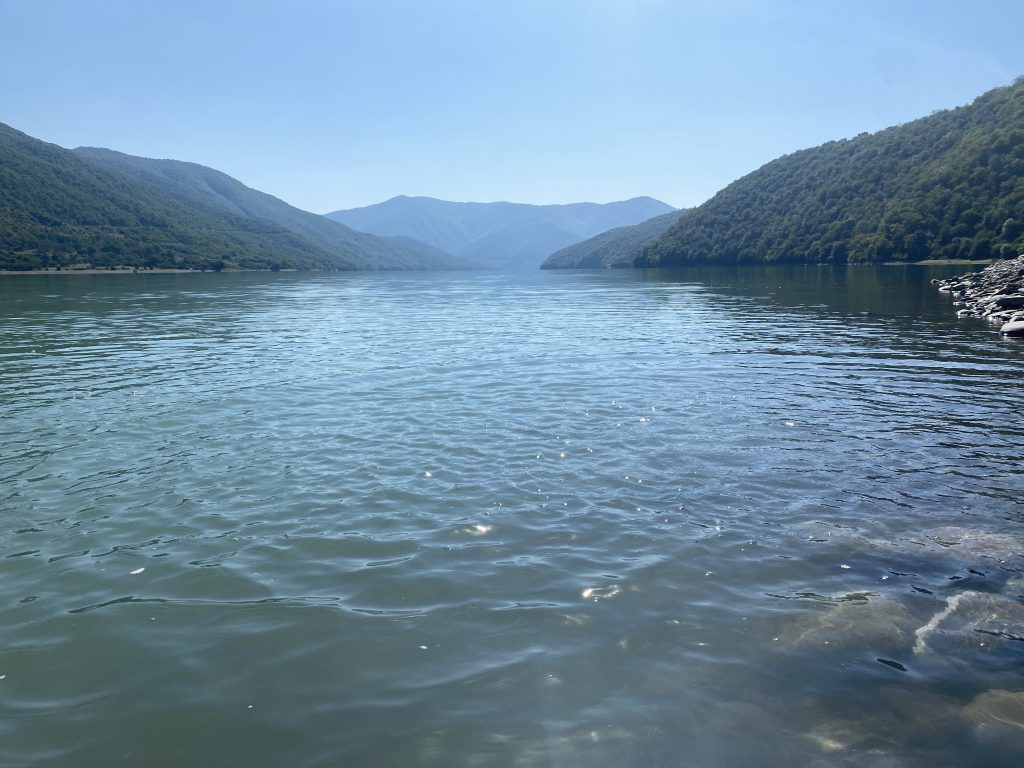
On the way back, we really wanted to return to the reservoir between the mountains and swim there. It was already five in the evening when we reached the reservoir. We wondered whether it was worth going at all. My daughter said she wanted to swim, so we decided to take a chance. We swam, ate, and drove to the border. It was very long. The Georgians let us through quickly, but we waited at the Russian border for about four hours.
Pavel: Because Georgia only has passport control, while on the Russian side there is also customs control. They check your passport, then the customs officer inspects the car. If you have Armenian or Belarusian license plates, you have to open the hood, and they check the VIN number against all databases—it takes a very long time.
Anna: Once we were in Russia, we decided to drive to Krasnodar, spend the night there, and then go to Anapa. We drove to Krasnodar still without reverse gear, even stopped at a service station to refill the freon in the air conditioner. The most interesting thing was that when we stopped at different service stations, everyone asked us about our trip. And we told them about our trip with breakdowns. There were no normal gas stations on the way to Krasnodar. At some point, Pasha wanted to take a break. We found a spot, like an exit from the highway to a village. Pasha thought he would pull off and turn around there, and then we would wait and continue on. But it turned out that the car fell into a ditch with its hood because the road was on a hill. I was scared, but he couldn't pull the car out with his hands. I got behind the wheel.
Pasha: I wanted to push it back. Before that, I would get out of the car and push it with one hand while turning the steering wheel with the other. Sometimes I wouldn't even get out, I would just stick my foot out. But it didn't work on the hill.
Anna: I went to "vote." For me, this was the first time in my life, because it's a wide road, trucks are driving by, and you get nervous. But the trucks drive by and the drivers, instead of helping, wave and smile at me. In the end, a minibus pulled up, and I explained everything. The driver immediately turned around without saying a word and drove up to pull us out. The minibus had very little time, as the man was on a scheduled route. But when the minibus started moving, the cable broke. And then I turned around and saw a couple leaving the village.
Pasha: I turned around and saw a man walking with a rope. No one asked any questions, no one said a word.
Anna: His tow rope was definitely better than ours. They pulled our car out, for which we are very grateful. Everything happened very quickly. It took about 30 minutes to sort everything out, maybe even less. Then we drove on and laughed about what had happened. We arrived in Krasnodar and then reached Anapa on Friday evening.
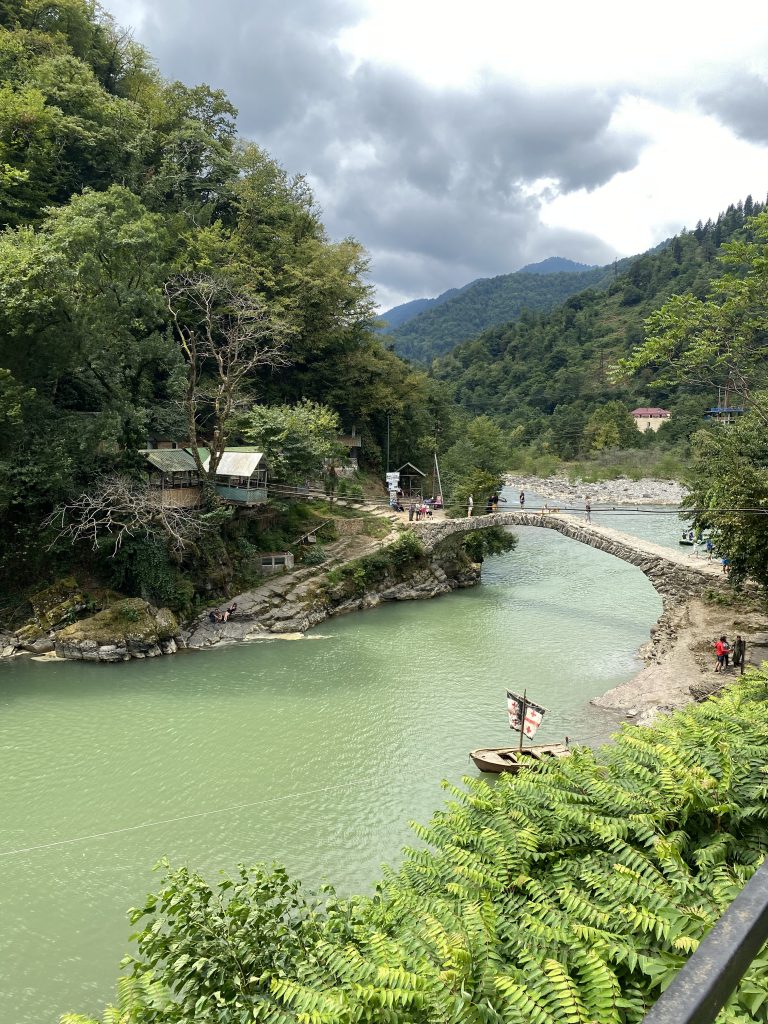
We compared the landscapes of Georgia and Anapa. It was a very contrasting vacation. We understand that if we had just gone to Anapa, we would not have had enough experiences. Because it's just the sea: swimming, eating shashlik, walking around the market. But in Georgia, there are landscapes.
Pavel: There isn't much difference between the Sea of Azov and the Black Sea. And in Georgia, there are different nationalities, and no one speaks Russian. If you want to buy something, you have to figure out how to show and explain what you want. And there are fewer people there, whereas in Anapa there were a lot of people.
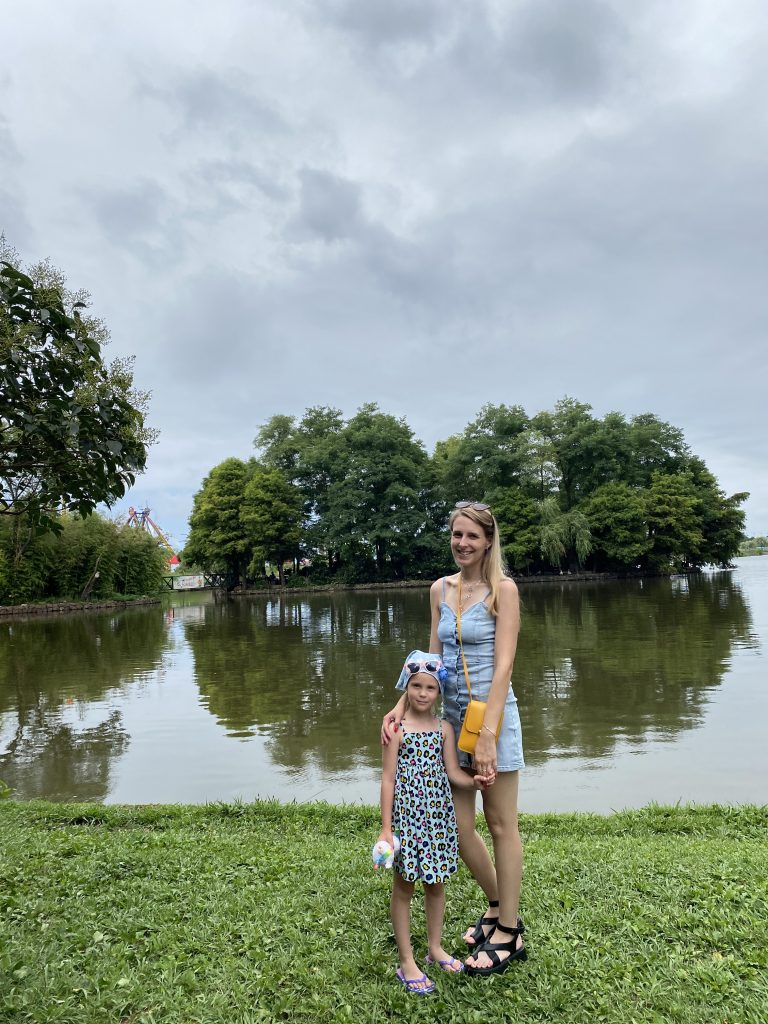
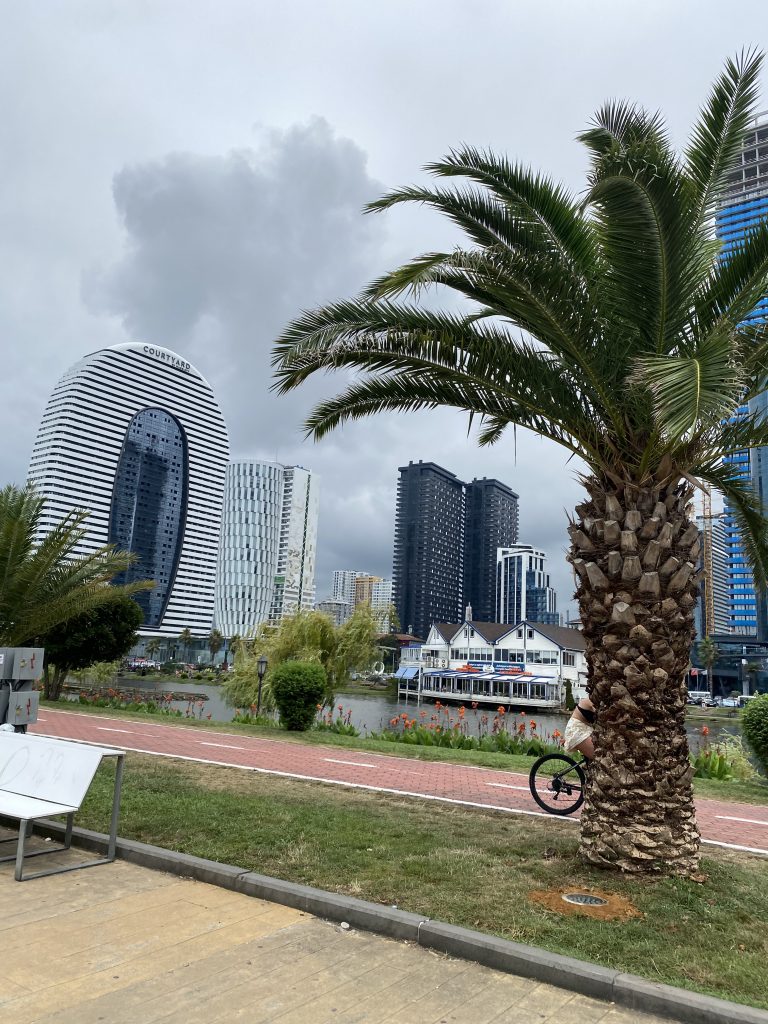
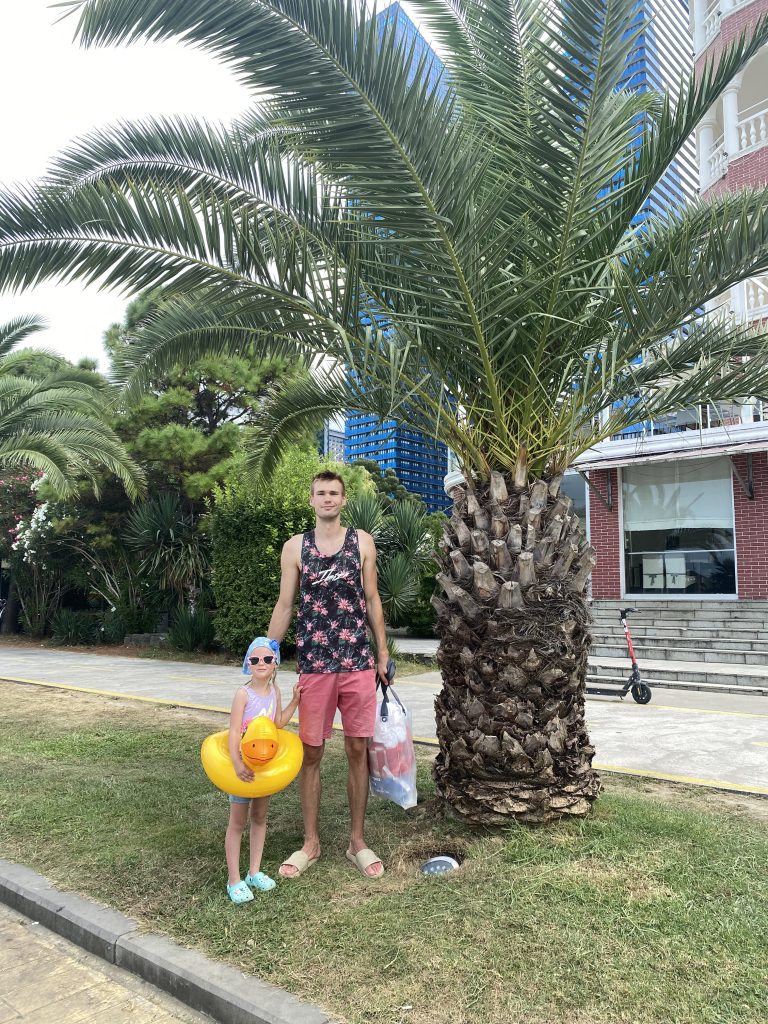
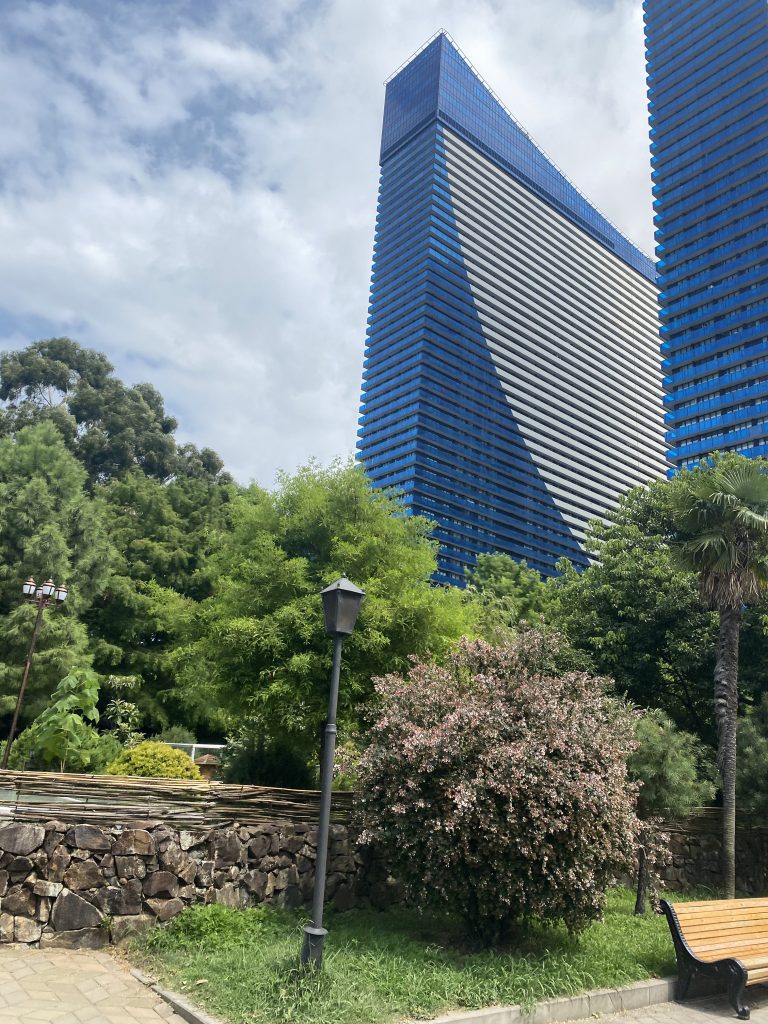
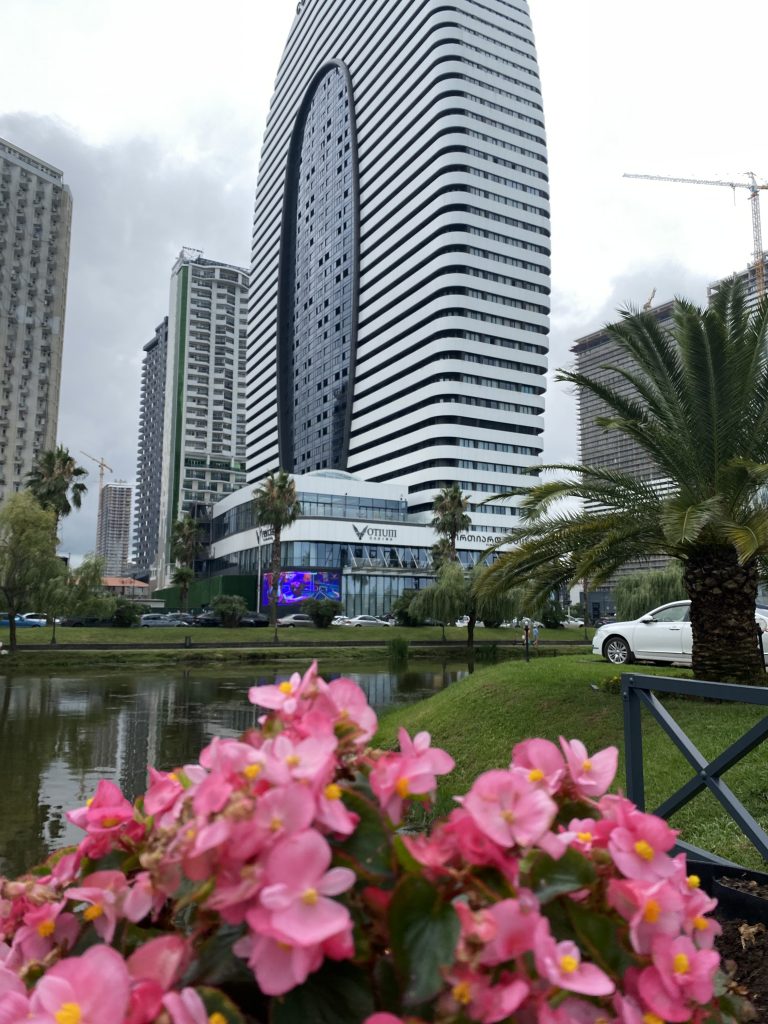
Anna: We were basically in Georgia near the beach and hotels. It seemed to us that there were a lot of people there. But after Anapa, we realized that Georgia is generally uncrowded.
Pavel: It turned out that we were on a half-empty beach.
Anna: The adventure turned out to be very intense and cool. I think we will definitely repeat this experience. But the road is, of course, exhausting. Especially at the end, you want to get home quickly and digest it all.
Pavel: We always left at 10 or 11 in the morning. If we had left at 6:00 a.m., we might have been able to rest. There was only one person driving, so it was difficult. It would be easier with two people.
What was the budget for the trip?
Pavel: $2,500, including all breakdowns, that is, starting from Belarus and ending in Belarus. We traveled by car on the tour. Anya observed where the locals took tourists and simply drove there ourselves.
In Batumi, we had a hotel that cost a little over $400. The apartments were nice, everything was great. A hotel in Batumi with breakfast costs at least twice as much. And the conditions will not be the same as ours. It's easier to take an apartment and order delivery there than to choose a hotel with breakfast and pay three times as much.
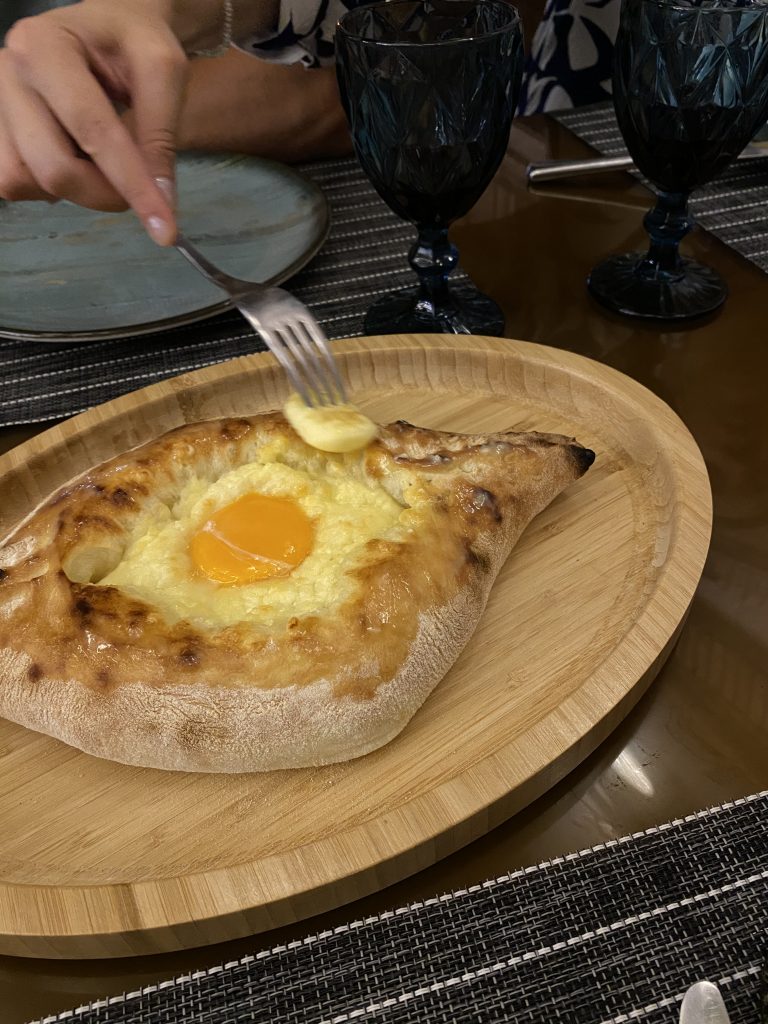
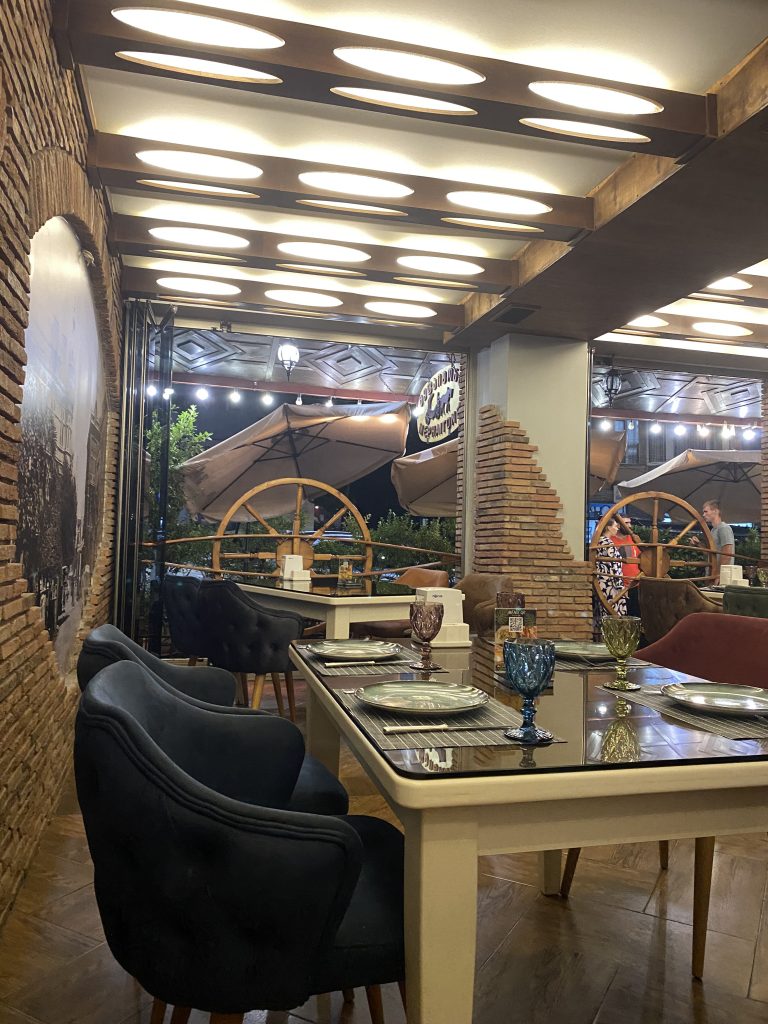
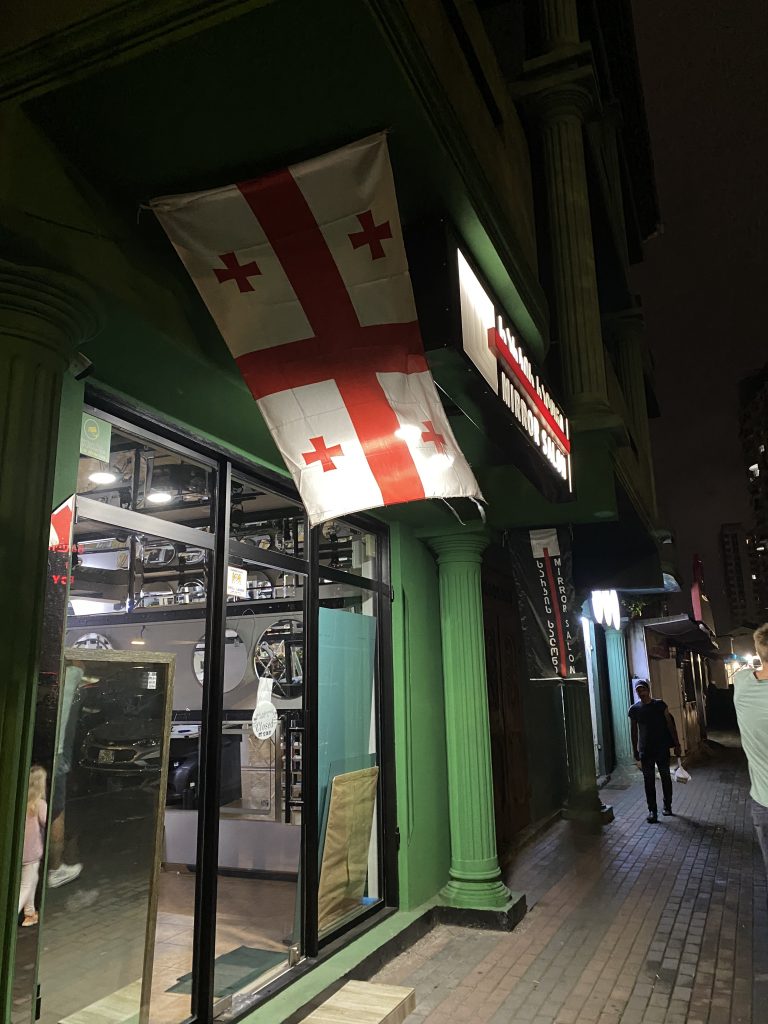
Anna: In Batumi, we thought we would eat at restaurants. But it's quite expensive there, with prices similar to ours.
Pavel: It turned out that lunch and going to a restaurant cost practically the same amount.
Anna: Yes, about 100 lari is roughly equivalent to 100 rubles. Delivery is very convenient. By the time you get back from the beach, your food will already be there. We alternated: in the evening we went to a restaurant somewhere, and for lunch we ordered food to be delivered quickly.
How difficult was it to drive around Georgia in your own car?
Pavel: It's like turning everything upside down. I especially disliked it when locals would overtake on the highway across a solid line or on dangerous turns.
But I think that if they were allowed on our roads, there would be no traffic jams in Belarus. People there drive constantly. That is, a car drives along the main road and immediately turns onto a secondary road. They also use their horns a lot — they don't use their hazard lights. If you reverse, they honk at you. If you drive too close, they honk. If you let them pass, they honk. If you don't let them pass, they honk for a very long time.
Anna: When we arrived in the city, we were a little stunned. Pedestrians walk however they want. Cars honk constantly, and we don't understand why. But we were most stunned when we were driving down the main street and a man in a wheelchair was coming towards us, just on the road.
Pavel: They don't have enough space for all the cars. The whole city is a paid parking lot. If you buy a bus pass in Belarus, you also get a two-week or monthly parking pass. However, we still haven't figured out how to do that. At special information kiosks, it was only possible to buy a pass for cars with Batumi license plates. We couldn't find anything for foreign cars.
What will your set of life hacks be like?
Anna: The main thing is to plan your route and decide which cities you want to stop in. It's also worth booking apartments in advance. It's better to choose them, because for the same price you can get a below-average hotel or a good apartment. The second thing is to make sure you buy a SIM card from a Russian operator so you can stay in touch.
We also took a lot of food with us, so we rarely stopped at gas stations or cafes for snacks. We only stopped at gas stations at lunchtime to feed our daughter hot soup. It's better to buy water, but not 2-3 liters at a time. In the heat, it quickly became hot.
As for Georgia, next time we would plan our route so that we could stop for the night somewhere in the mountains. Because we drove through the mountains quickly and didn't really get to enjoy them.
Pavel: The best time to cross the border is between 1 a.m. and 6 a.m. But that was during our trip. What will happen in the future is unknown. Also, on Tuesdays and Thursdays, there are minibuses and regular buses, so more people enter the country. So it's better to avoid those days.
Anna: I know that some people come to Vladikavkaz and then take a minibus from Vladikavkaz to Batumi. They just leave their cars in Vladikavkaz.
Pavel: If you're going to the sea, it's better to stay somewhere in the suburbs of Batumi. Batumi is more of a city for walking around. The beaches there are not suitable for families with children: they are pebbly and slope steeply, and the waves are big and knock you off your feet. But in Ureki, where there is magnetic sand, it's great with kids, and the bottom is flat and the waves are small.
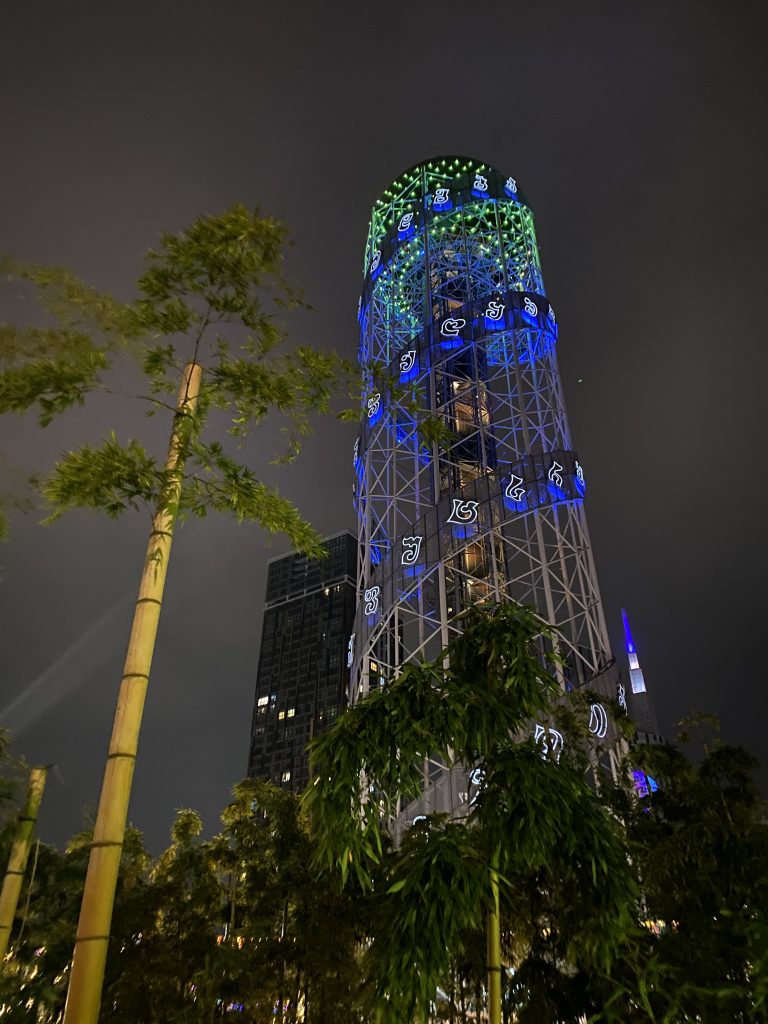
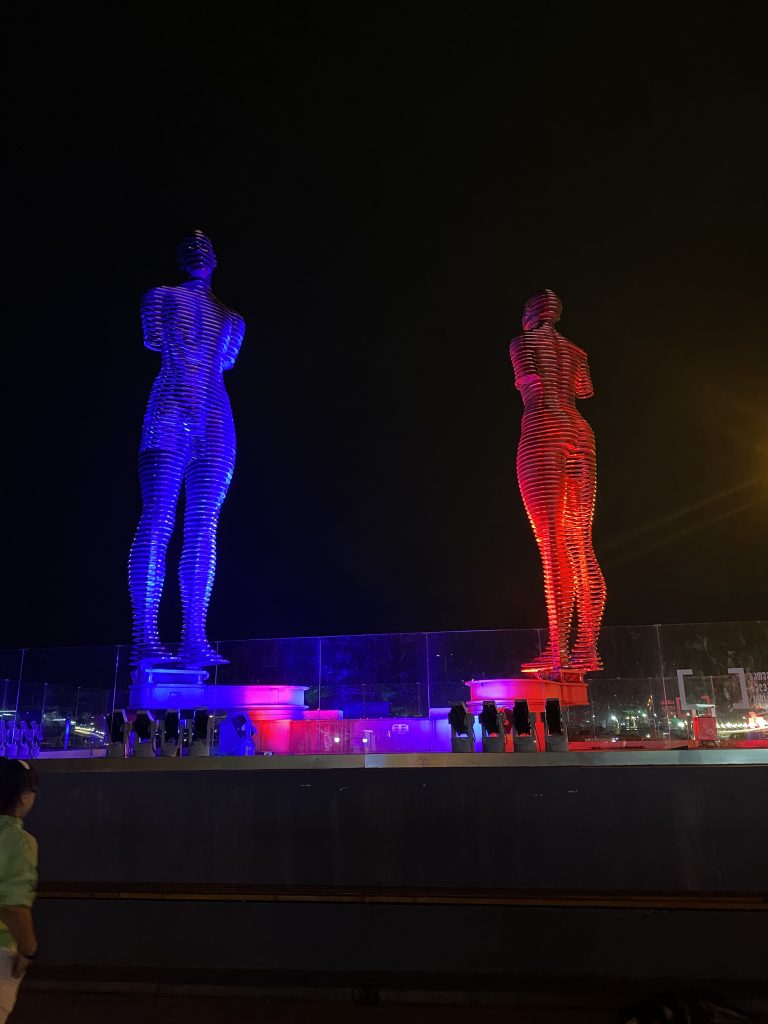
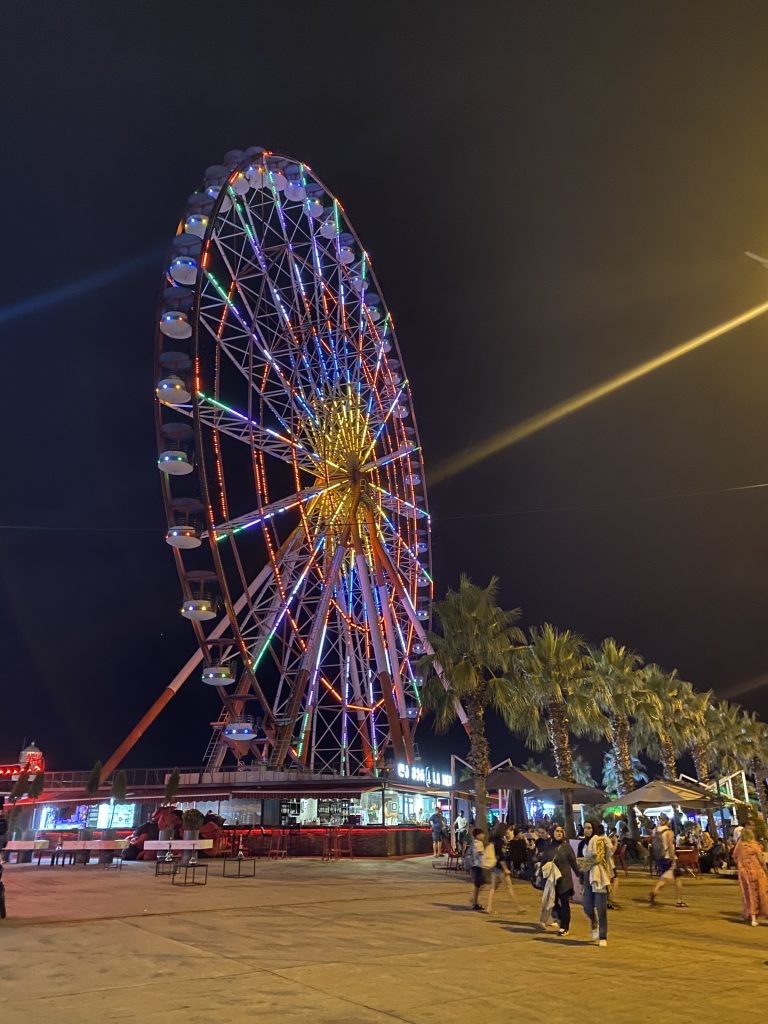
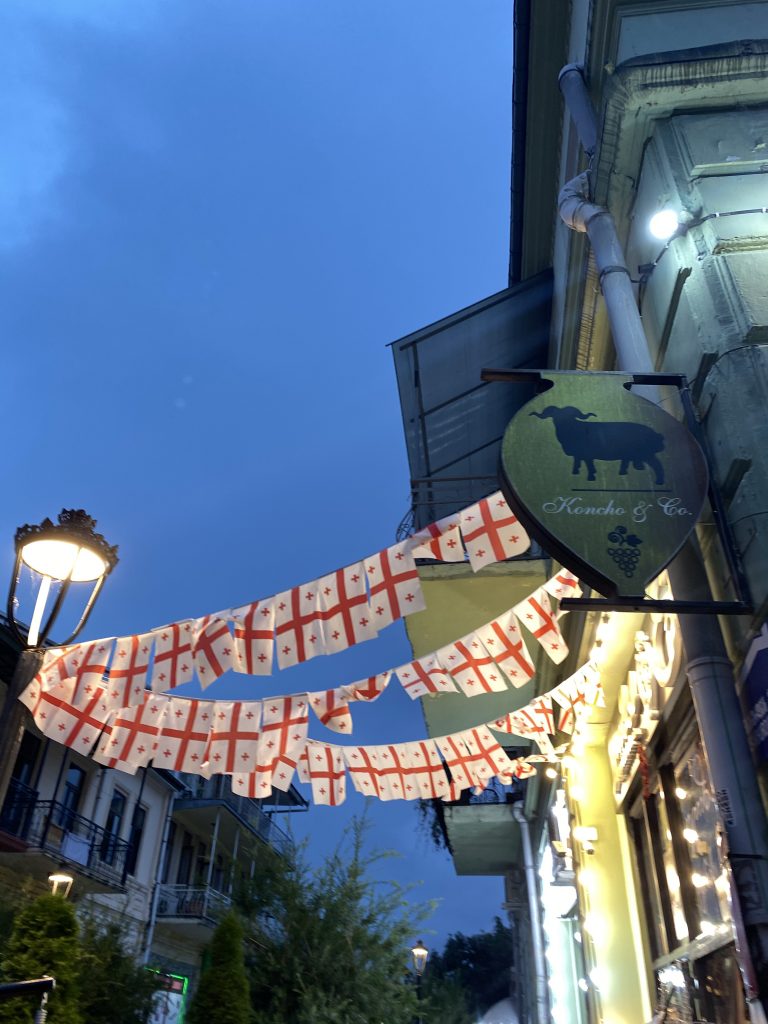
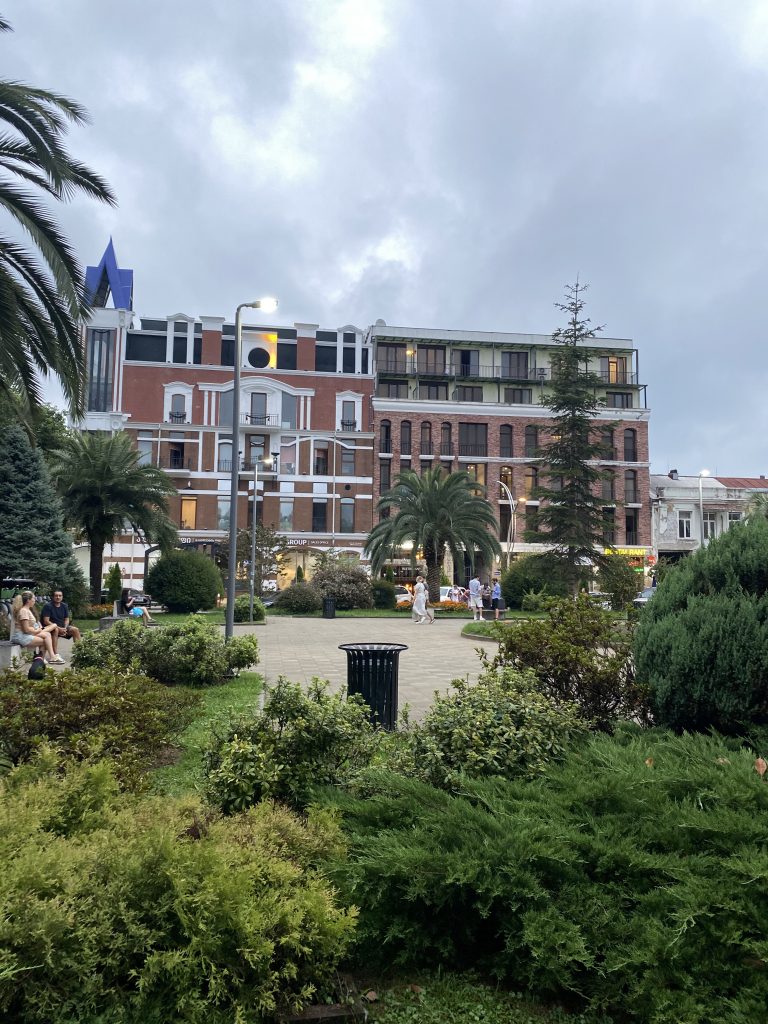
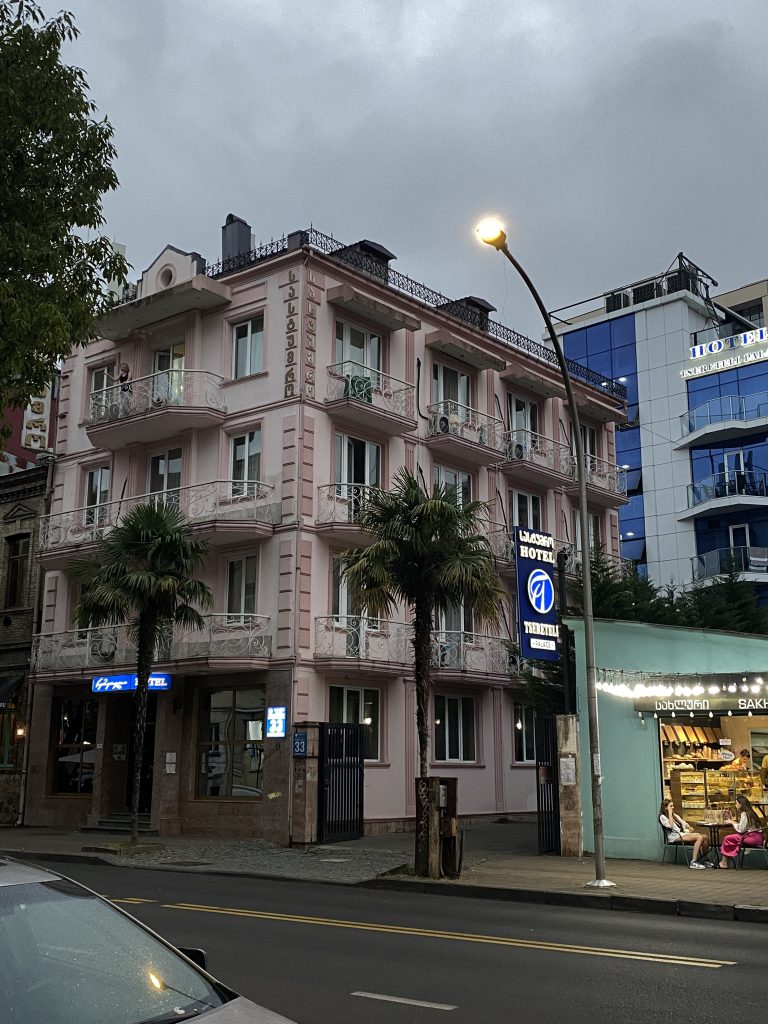
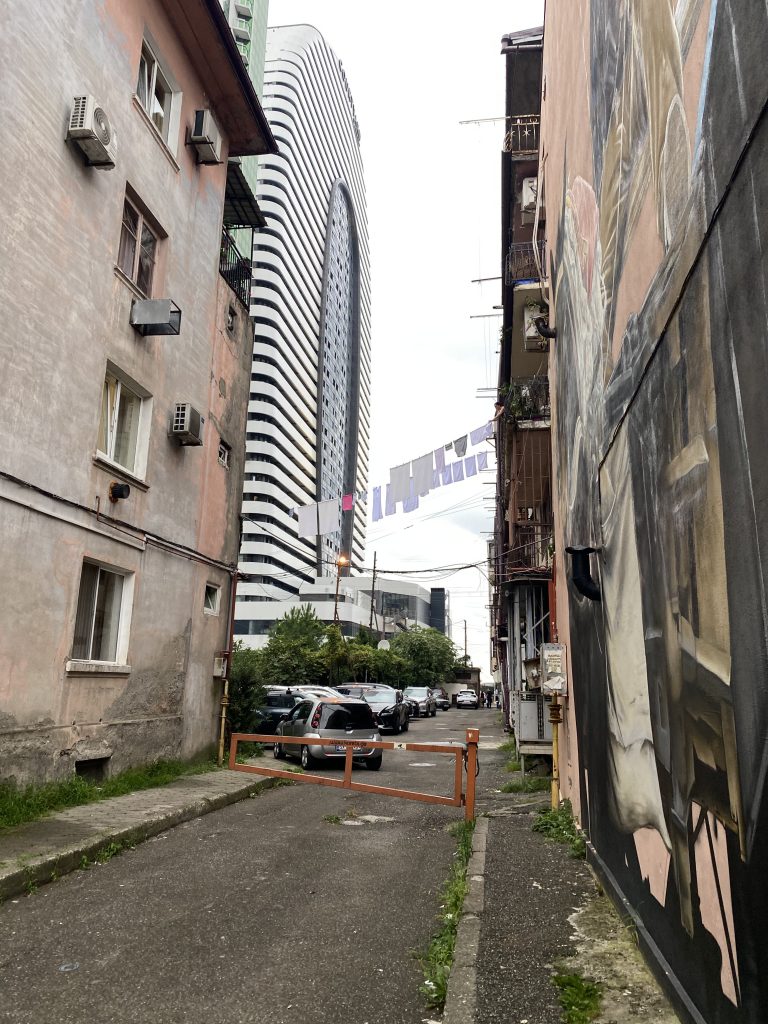
Anna: There are things to see in Batumi. We didn't have time to visit the Botanical Garden because we were limited in time. As an option, you can ask the locals where to go or make a list of attractions in advance.
Pavel: You should go to Georgia for at least 10 days. For example, I would spend seven days at the beach and seven days walking around Batumi.
Anna: It's also much cheaper and more profitable to go on excursions by car than with travel agencies.
Pavel: If you don't have a car, you can rent one and visit several places in a day, because renting costs from $35.
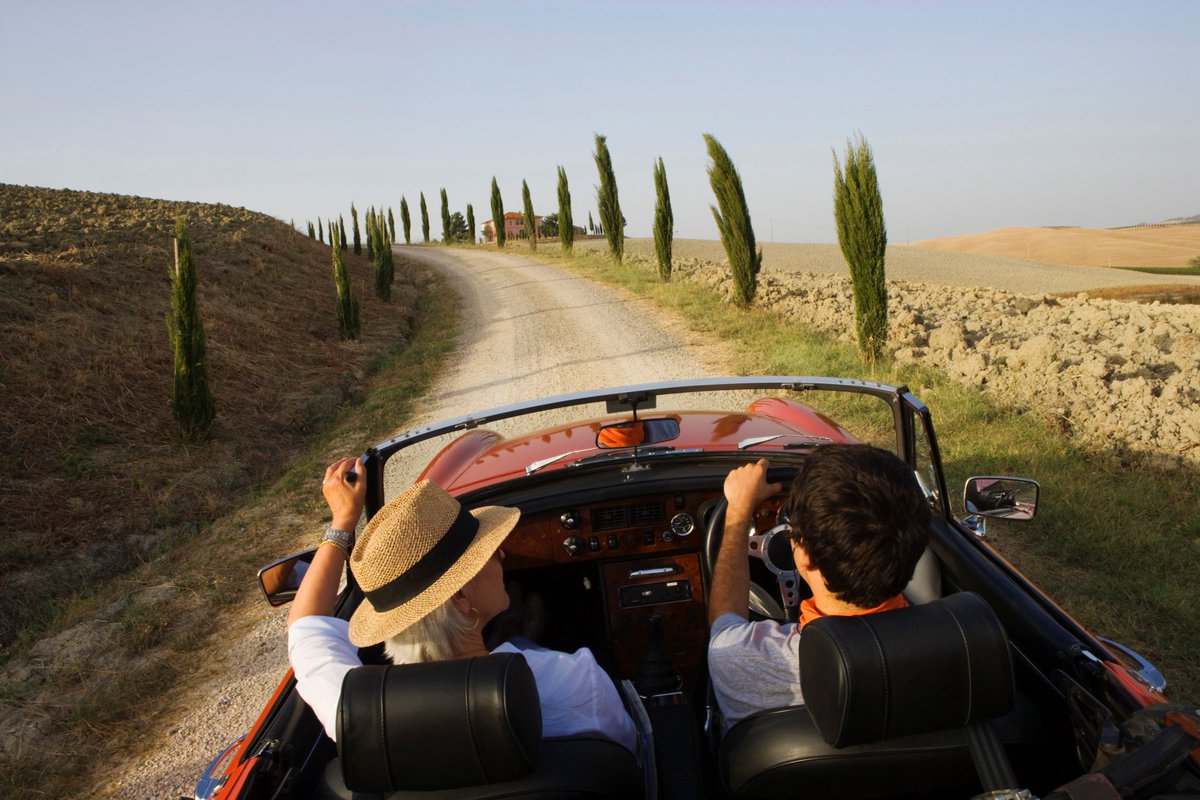
Would you repeat such a trip?
Pavel: We're already thinking about going to Europe in the same car. Especially since everything has already been done there and you already know how to fix it.
Anna: But, of course, I would like to go back to Georgia. Maybe to Abkhazia. Then maybe to St. Petersburg or Karelia.
Pavel: After visiting Georgia, going to St. Petersburg or Moscow is like going to Gomel. We used to think that 300 km to Gomel was a long way. Now we don't think so.