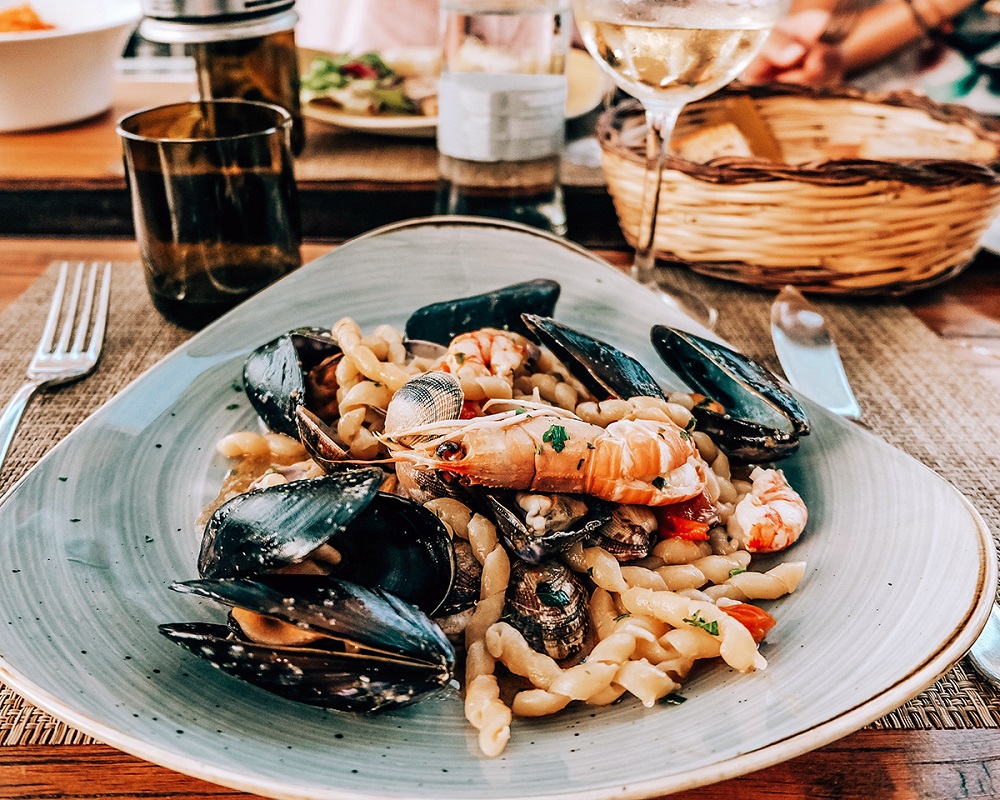
Portuguese cuisine was created by both fishing families and farmers, which is why there are roughly equal numbers of meat and fish dishes in the country.
I have already described what the Portuguese themselves usually eat for breakfast, lunch, and dinner, as well as the peculiarities of local establishments separately. In this article, I will share dishes that you can try in different locations along the Atlantic Ocean.
Minyu Region

Where it is located: the surroundings of Viana do Castelo, Esposende, Póvoa de Varzim
Caldo Verde
This famous Portuguese soup originated in the far north of the country. It is made from a specific type of cabbage that is difficult to find outside Portugal (except perhaps near the Spanish border). The dish is served with spicy chorizo sausage. It's delicious!
Bacalhau à Minhota (Codfish à la Minhota)
There are hundreds of recipes for cooking cod in Portugal. This one is traditional for the Minho region. An impressive piece of fish fillet is fried in a pan. Thin slices of potato are fried in the same oil until crispy — a kind of homemade chips. Mmm, I love bacalhau!
Lamprey à la Bordelaise (Lampreia à Bordalesa)
The appearance of lampreys at fish markets made me feel uncomfortable: a snake-like body, a parasite's mouth — something disgusting from a horror movie. But it turns out that this creature is a real delicacy.
Lampreys are caught in the north of the country in the Lima and Minho rivers. The fish are cleaned of blood and entrails, marinated in vinegar for a day, and then boiled. They are served with rice cooked in the same fish broth.
They say lamprey tastes like something between beef and tuna. I haven't tried it yet. If you've tried it before me, please share your impressions.
Note:
Minho is the home of young, slightly sparkling green wine. Be sure to order a glass of vinho verde at a local restaurant.
Doro-Litoral Region
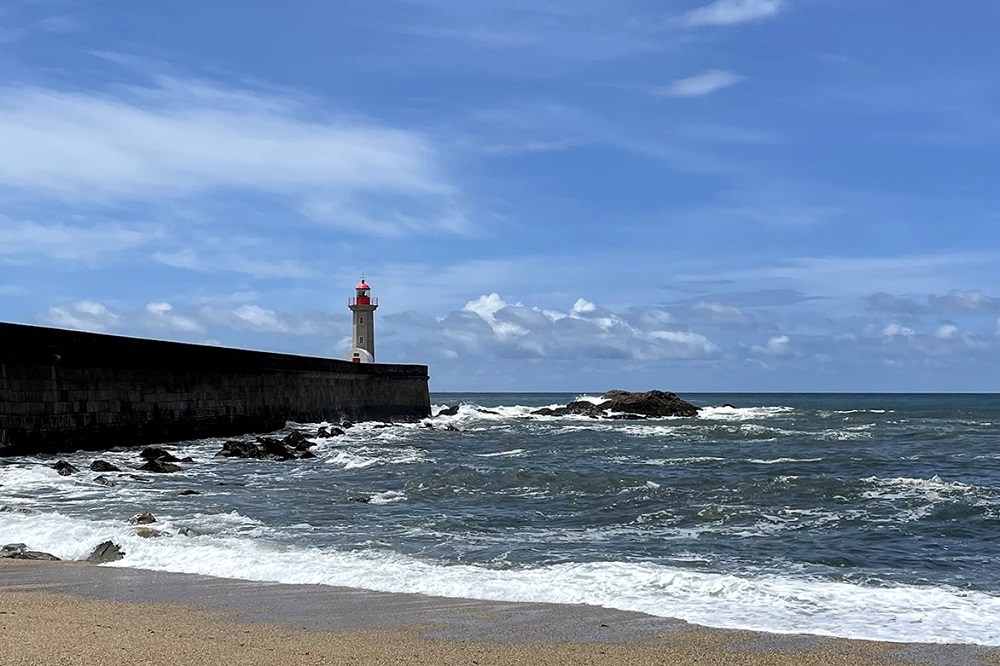
Where it is: Porto and its surroundings
Francesinha
This sandwich is Porto's specialty. The "little French girl" is not so little: a whole mountain of meat is hidden between two slices of toast. A special sauce is prepared for the sandwich, which is named after the dish itself. Cheese and a fried egg are usually placed on top of the francesinha. The dish is served with French fries. If you eat it for breakfast, you won't need lunch.
Tripas à moda do Porto (Porto-style tripe)
The history of rebucha in Portuguese dates back to the 15th century. The city's residents had to load all the meat onto ships for a sea voyage, leaving only the animal entrails for themselves. When Porto was struck by famine, the locals concocted a dish from offal and black bread.
In its modern interpretation, tripash or dobradu, as this dish is also called, is made from beef tripe with white beans, carrots, and rice.
Bacalau Zé do Pipu
Don't be surprised that cod is featured again—it is essential in Portugal. This time, the fish is boiled. Mashed potatoes are prepared separately. Then the bacalhau is placed in the center of a baking dish, and the mashed potatoes are spread around it. So, it would seem that the dish is ready, but it is sent to the oven to enhance the taste and aroma. My mouth is already watering... How about yours?
Note:
In Porto, a glass of port wine from local cellars will be a bonus to your meal.
Beira-Litoral Region

Where it is: the surroundings of Aveiro and Figueira da Foz
Leitão da Bairrada
Roasted to a crispy crust in the oven on a spit, suckling pig is one of Portugal's seven gastronomic wonders. The meat is very tender, so it's no surprise that locals and tourists love it so much. Traditionally, pork is served with boiled potatoes, lettuce leaves with tomato slices, and orange slices, which add a touch of tartness to the meat.
Caldeirada de Enquias
The main ingredient in this dish is eel. The fish is layered with sliced potatoes and covered with a wine and vinegar sauce. When the stew is ready, some of the broth is drained off to make soup, which is served before the main course.
Caldeirada is made not only with eel, but also with various other types of fish.
Polvo à Lagareiro (Polvo à Lagareiro)
I love octopus prepared according to this recipe. The cephalopod is first boiled, then grilled or baked in the oven with potatoes in their skins. The dish is generously drizzled with oil, which is why the name includes the word "lagareiro." It refers to a person who works at an olive oil mill.
Note:
For dessert in this region , you should try Ovos Moles, or "soft eggs." Inside seashells made of rice paper is hidden egg yolk whipped with sugar.
Extremadura region
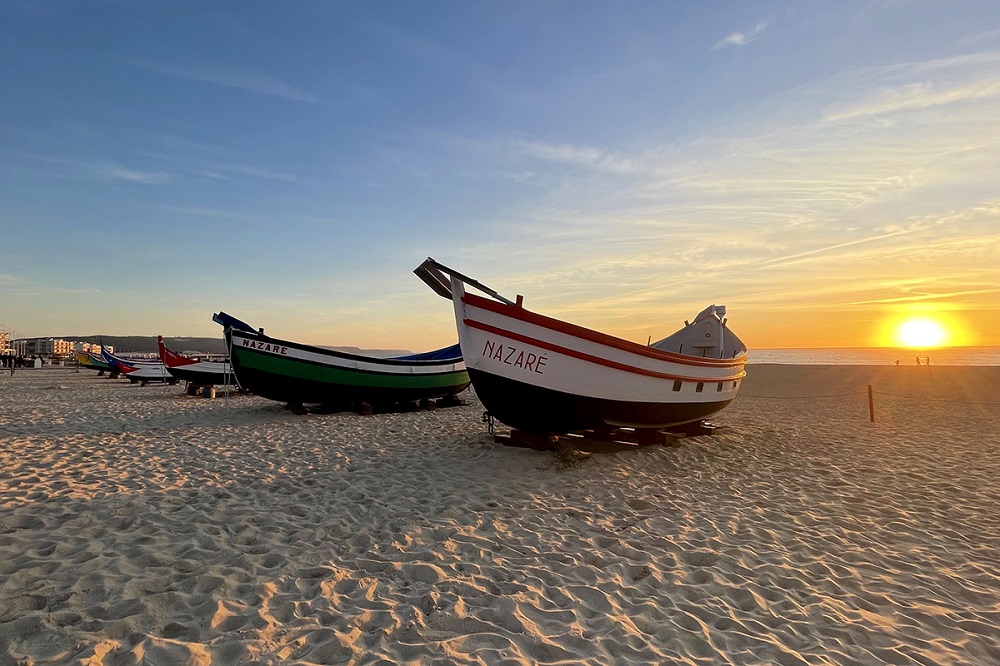
Where it is: the surroundings of Nazaré, Pinheiros, Ericeira, Azenhas do Mar, Cascais
Bacalhau à Bras (Codfish with Potatoes)
And again, crackling! In this recipe, it is finely chopped and added to thinly sliced fried potatoes, along with onions and eggs. This is a very popular dish, on par with caldu verde.
Amêijoas à Bulhão Pato (Clams à la Bulhão Pato)
Shellfish cooked in wine sauce make an excellent appetizer to accompany white wine. The dish is very light. I love dinners like this.
Caracóis
Another light appetizer is grape snails. Unlike French snails, local snails are tiny. They are served in the broth in which they were cooked. The mollusks are eaten by sucking out the contents of the shells or picking them out with toothpicks.
Note:
This region is home to the world-famous dessert Pastel de Belém, which can only be bought in one café in Lisbon, and its twin, Pastel de Nata, variations of which are prepared throughout the country.
Baixo Alentejo region

Where it is located: the surroundings of Caparica, Sesimbra, Setúbal, Sinisha, Vila Nova de Milfontes.
Açorda à Alentejana
The key ingredient in this soup is dried or stale bread, which is added directly to the broth in large quantities. Other ingredients can vary depending on what you have in the refrigerator. I recommend trying asorda with seafood or fish.
Carne de porco à Alentejana (Pork Alentejana style)
One plate contains tender pork and shellfish. The side dish is diced fried potatoes. I really like the taste of this dish, and it's quite filling too.
Migas à Alentejana
Two types of sausage are fried in pork fat, which is also used to cook ribs or pieces of pork, and then the soaked bread mixture is baked in the same pan. I can't imagine how you could digest this without a glass of red Alentejo wine.

Algarve region
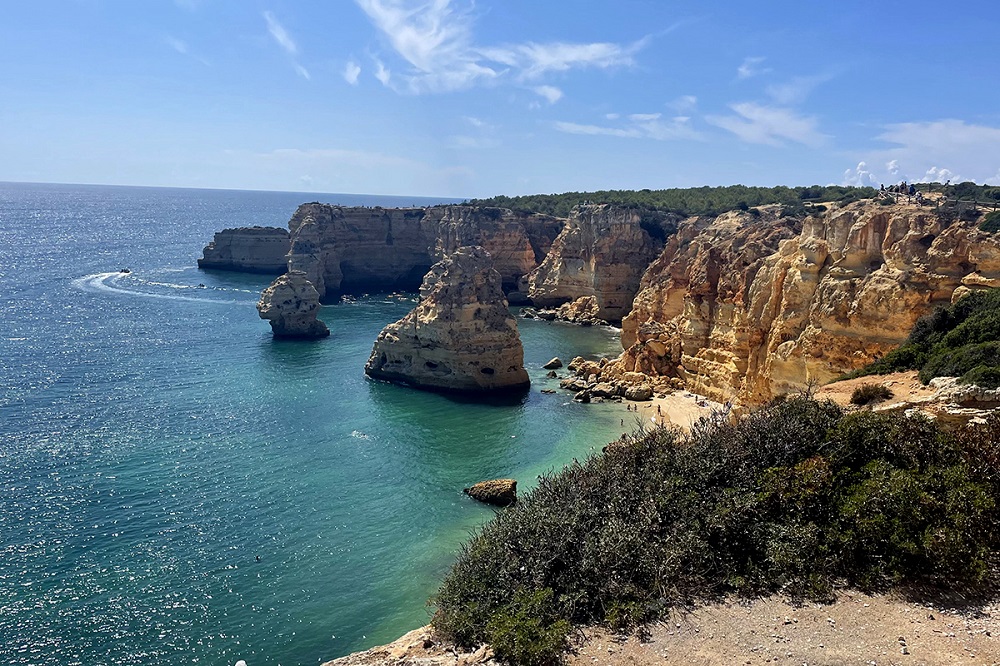
Where it is located: the surroundings of Sagres, Lagos, Portimão, Albufeira, Faro, Tavira
Clams in Cataplana (Amêijoas na Cataplana)
The secret of this dish lies in the pan, which is called a "cataplana." It resembles a clamshell, and when closed, it is easy to stir the ingredients and keep them juicy. Mussels, chorizo, and bacon are used to make ameixoa. This delicious mixture is served with bread.
Carapaus Alimados
The mackerel is salted for a day, then briefly immersed in boiling water and immediately cooled in ice water. The fish is served with an olive and garlic sauce. This mackerel is somewhat reminiscent of the herring we are familiar with, which is difficult to find in Portugal.
Frango à Guia
The originator of the "Piri-Piri Chicken," which is so popular in Portugal, was grilled chicken, the recipe for which was invented in the parish of Guiães, near Albufeira. The recipe for the sauce is kept strictly secret, which is why an alternative, now well-known version with paprika and chili peppers has appeared. The chicken is served with French fries and salad.
Note:
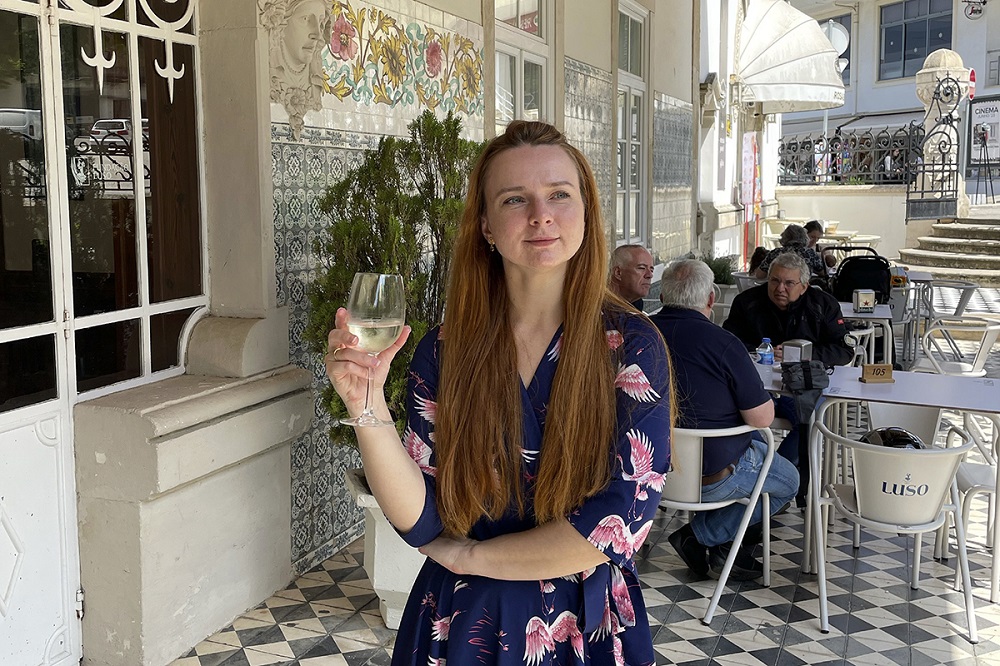
Fresh fish and seafood cooked on the grill are popular all along the Portuguese coast. In addition to tuna, salmon, and dorado, be sure to try the local sardines.
Cheeses—there is a huge variety—and, of course, olives are essential appetizers. What's more, every region, if not every restaurant, has its own "house" wine—try it and enjoy!