According to one theory, the name of this country translates as "holy land," while according to another, it means "dwelling at the foot of the mountain." Both of these versions describe important aspects of Nepal's history. This amazing country attracts millions of tourists every year, but for many it still remains distant and mysterious. We have prepared a detailed guide with the most important information about the country.
History
Originally, the Kathmandu Valley, around which Nepal now lies, was the bottom of a huge mountain lake. Everything changed when an earthquake caused the water to drain away, and the valley was settled by people from the surrounding regions, who formed the Newari people.
Over its more than thousand-year history, Nepal has experienced different periods, but it reached its peak between the 13th and 17th centuries AD, when the country was ruled by the Malla dynasty. In the 19th century, Nepal, like neighboring India, came under the control of the British Crown. For more than 100 years, the country was almost completely isolated from the world until it gained independence in 1923. In the 21st century, the political system changed—the monarchy was abolished, and Nepal is now the Federal Democratic Republic of Nepal.
A few facts:
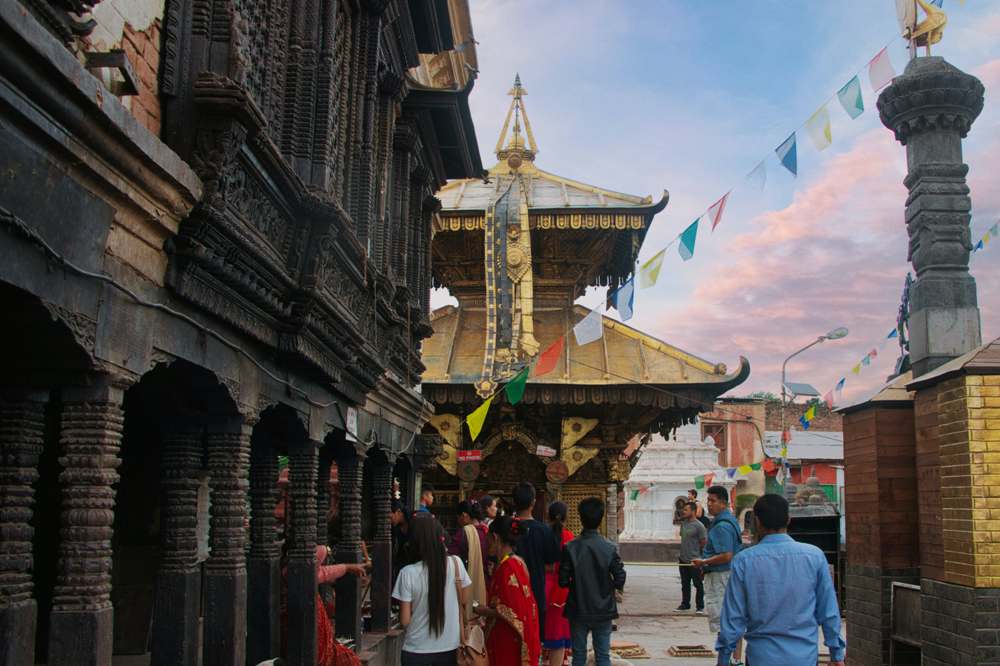
- The climate is monsoon, with pronounced altitudinal zonation—from humid tropics to icy deserts. The most favorable season is from March to May. The rainy season lasts from May to September.
- The official language is Nepali. Employees in the tourism sector and government officials speak English.
- The official religion is Hinduism.
- Currency: Nepalese rupee.
- The day off is Saturday.
How to get to Nepal?
Nepal is located in South Asia between the two most populous countries in the world—China and India. It is separated from the former by the Himalayas to the north.
Nepal remains largely isolated from global transport routes, with most communication with the outside world taking place via India. There are also some peculiarities in the country's internal transport system. Due to the mountainous terrain, roads have long been in very poor condition and were not available everywhere, but in recent years the situation has improved. In addition, air transport is well developed, with more than 40 airports connecting different regions of Nepal.
You can reach the capital, Kathmandu, from Minsk or Moscow by plane with a transfer in Dubai or Delhi. The flight will take at least 16 hours.
If you are considering staying in India for a longer period during your layover, please read our article about life hacks for easy travel in this country. And we tell you about traditional Indian rituals here.
Visa
Belarusians can obtain a visa to Nepal in advance in Minsk or upon arrival in Nepal (at Kathmandu airport or at land border crossing points). The cost of obtaining a visa at the airport depends on the length of stay in the country: up to 15 days — $25, up to 30 days — $40, up to 90 days — $100. It can be obtained through the visa center Visa.maderatravel.by.
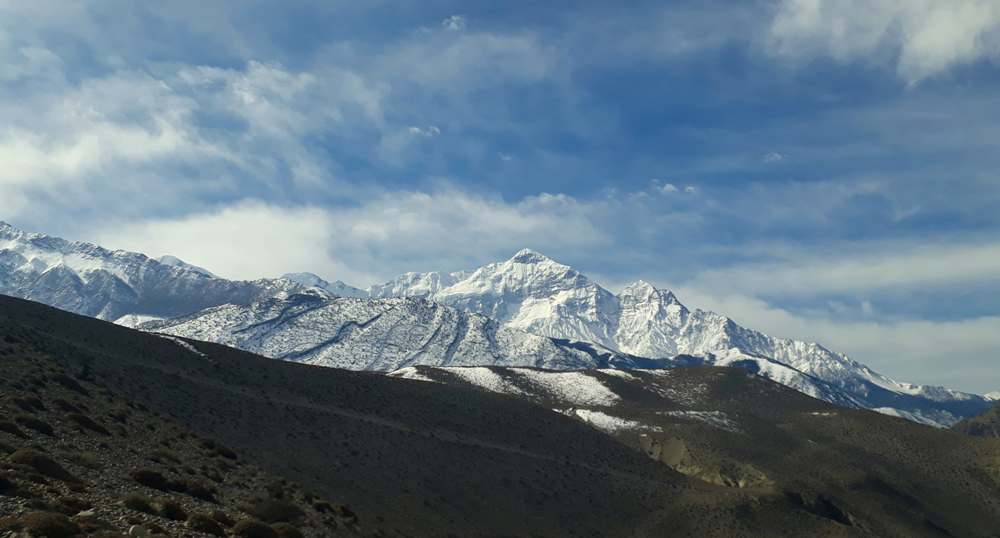
If you are traveling to the country for a hiking trip in the Himalayas, you will also need a permit from the Nepalese Immigration Department. It will cost between $10 and $700 per week. A mandatory condition is that you must travel only with a local guide as part of a group.
Try what?
Nepalese cuisine combines the unique culinary traditions of neighboring regions—India and Tibet. The main ingredient in all dishes is rice. It is prepared with vegetables, meat, sauces, and other additives. Roti, thin flatbreads made from rice, corn, or wheat flour, are used as a universal side dish. In addition, Nepalese people actively use spices such as ginger, coriander, turmeric, cinnamon, black pepper, nutmeg, and others. In mountainous areas, yak milk and its derivatives are also included in the menu.
The most common dish in Nepal is dal bhat, which originated in India. First, boiled rice is placed in the center of the tray-plate, and around it are arranged lentil soup, vegetables, pickles, sauces, and flatbread.
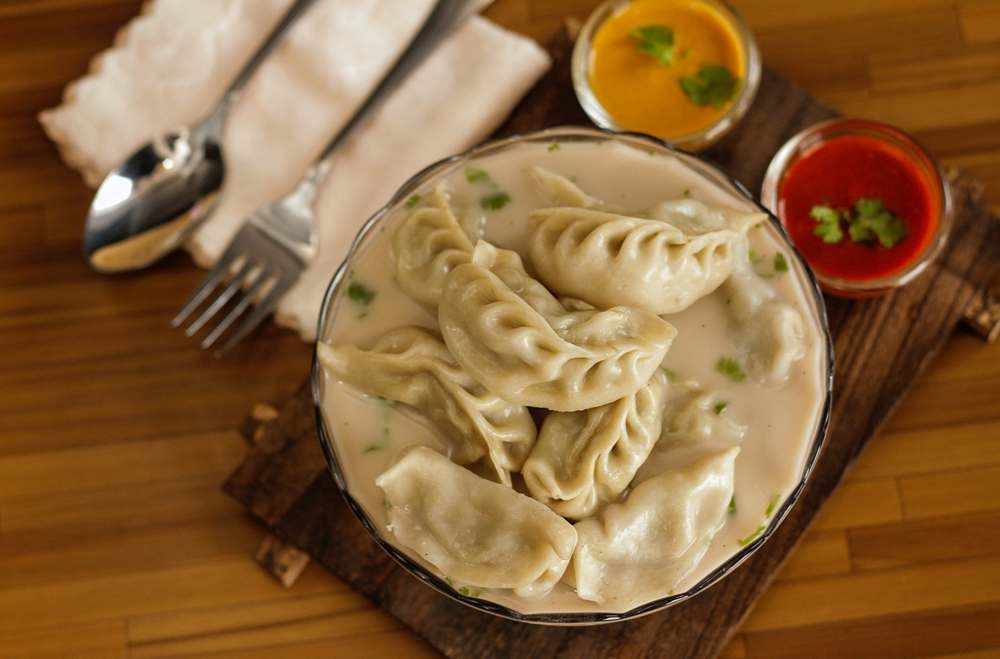
Meat dishes are also popular. Chicken, pork, goat, and buffalo meat are prepared here. There are local relatives of dumplings—momo—and their own version of shashlik—seka. An interesting soup is tukpa, which is based on noodles and rich broth. Many desserts are also made from rice, such as yomari, a sweet made from rice flour and filled with sesame seeds and black molasses. And, of course, everything is washed down with masala tea, as in India, with spices and milk.
What to see?
Mountains
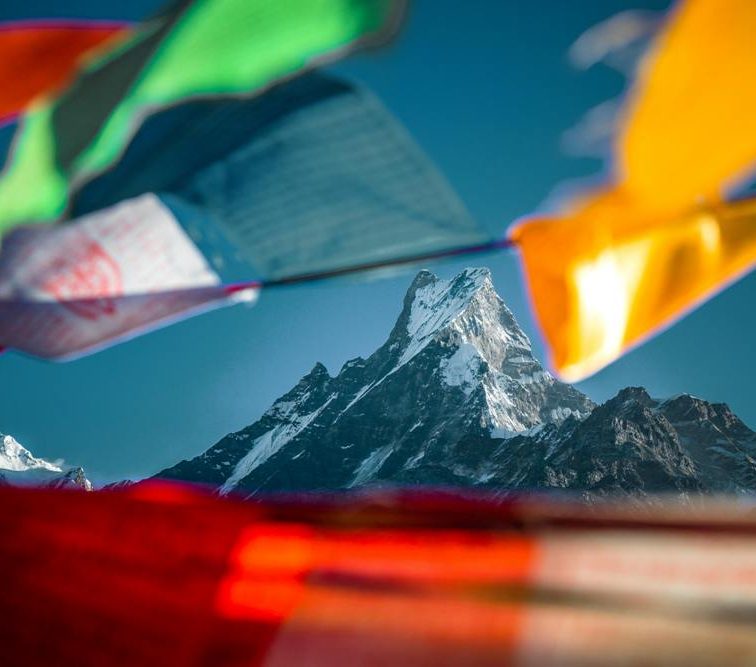
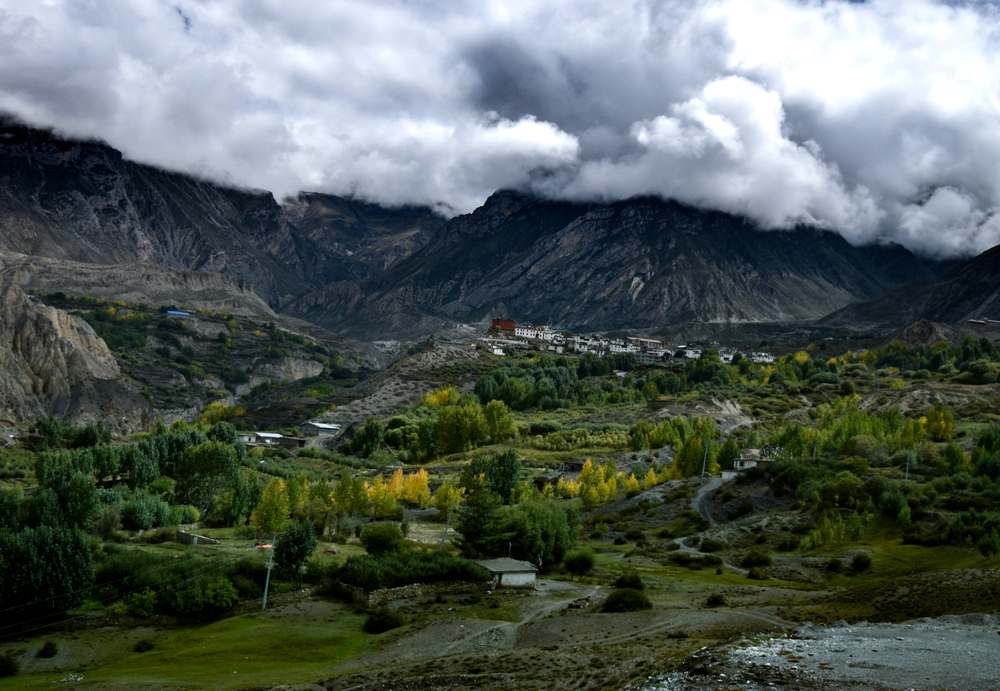
When it comes to Nepal, mountains immediately come to mind. The country is surrounded by the Great Himalayan Range on its northern side. The highest mountain range on the planet stretches across several countries from Pakistan to Burma, covering a distance of almost 3,000 km. The part that falls within Nepal is home to the highest peak on Earth — Everest (8,848 m) or Sagarmatha, as the locals call it. It is part of Sagarmatha National Park, the highest protected area in the world. It has eight eight-thousanders and numerous glaciers.
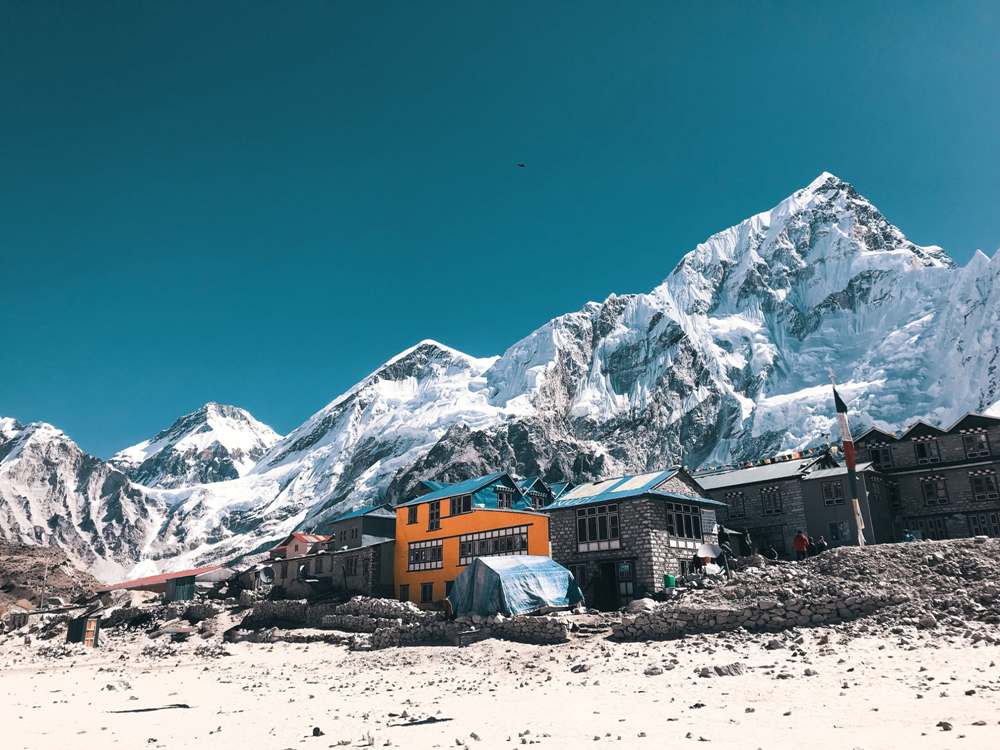
Climbing to the summit of Everest is an incredibly difficult, dangerous, expensive, and lengthy process. On average, taking into account acclimatization and setting up camp, it takes two months. Every year, several hundred people attempt to conquer the highest peak, but not everyone succeeds. A universal option is to hike to Everest Base Camp, located at an altitude of 5,340 meters.
In addition, there are hundreds of different mountain routes that show tourists the beauty of Nepal, with its steep slopes, sparkling peaks, and ancient glaciers. Most tours take place at altitudes between 3,000 and 6,000 meters. Those wishing to climb must be in good physical shape and have experience of such mountaineering expeditions.
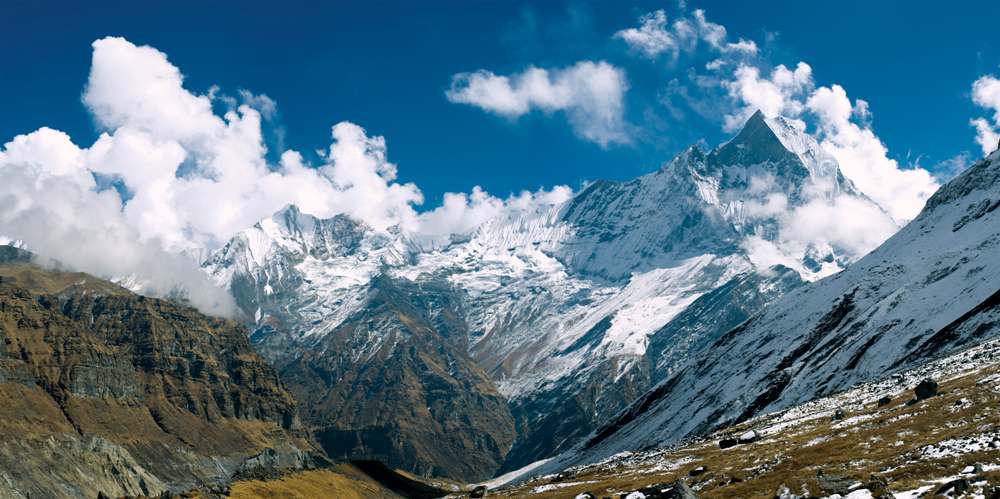
One of the most popular routes is trekking around Annapurna (8,091 m). This mountain is the tenth highest of the fourteen eight-thousanders in the world. It is part of the national park of the same name. The most famous route, the Annapurna Circuit, runs through the Marsyangdi and Kali Gandaki river valleys. Any trip to the mountains will give you tons of emotions and impressions. From a height of several thousand meters, you can enjoy amazing views of Nepal's unique nature.
Even more unique trekking routes have been collected in a separate article. And if you are looking for the perfect ski resort, we have already compiled a selection great options.
Nature
One of the most famous nature reserves in the country is Chitwan Royal National Park. It covers an area of about 900 m². Thanks to its unique conditions, it has its own microclimate. The title "royal" in the name was not given without reason — members of the Nepalese royal family used to hunt on its territory. In 1973, these places became protected areas.
Thanks to the measures taken, anyone can see wild animals in their natural habitat. A safari in Chitwan is a great way to get acquainted with the flora and fauna of the jungle. Tourists can choose from several places to stay and stay in a bungalow, guest house, or mini-hotel. You can explore the area by car, on an elephant, or while rafting down the river.
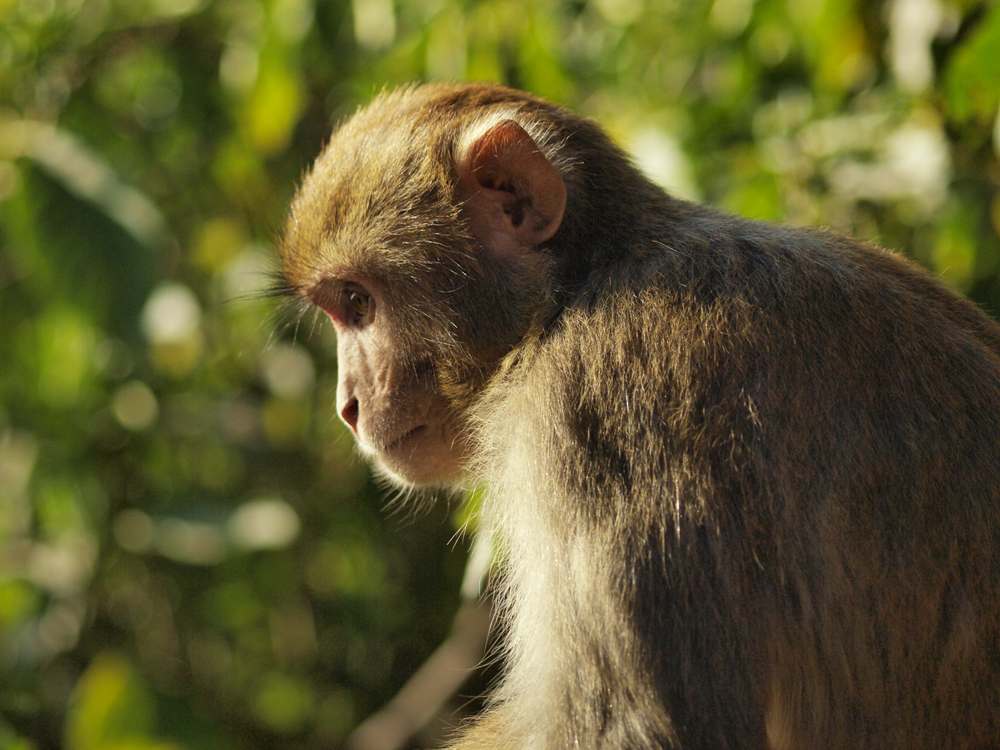
Here, rhinos and deer, Himalayan bears and monkeys can be found near the water bodies, while crocodiles inhabit the marshy areas. There is even a chance to see a Bengal tiger, but this predator prefers to hide deep in the jungle. Not only the inhabitants, but also the thousands of plants that exist here deserve attention. Almost 70% of the park's territory is covered by sal forests. These deciduous giants reach a height of 35 m and a width of up to 2 m.
Buddhism
Another famous place in Nepal is the town of Lumbini on the southern border with India. It is believed that it was here 2,500 years ago that Siddhartha Gautama, later known as Buddha, was born. Thousands of pilgrims from all over the world come here every year.
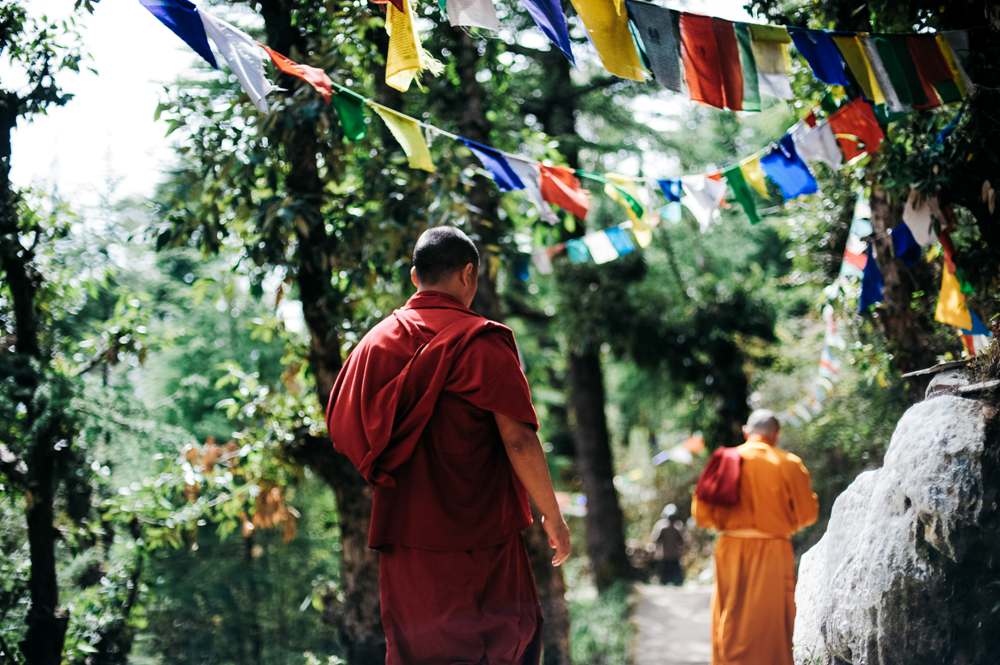
In the center of the Lumbini complex, the Maya Devi Temple, dedicated to Buddha's mother, has been opened. Inside, there is an ancient memorial stone depicting his birth. Next to the shrine, you can see a column dedicated to the Indian king Ashoka, who also professed Buddhism.
In addition, the city has dozens of unique monasteries and other archaeological sites. Visitors to this place can meditate in the Sacred Garden, admire the pond where the mother bathed her newborn baby, or visit one of the temples built here by believers from all over the world.
If you are seriously interested in Buddhism, visit Kopan Monastery, built on top of Kopan Hill in the Kathmandu area. More than 700 monks and nuns live and study here. They teach foreigners the basics of Buddhism in English: traditional Lamrim teachings, informal discussions, meditation, and a vegetarian diet. The very first course was held back in 1971. Since then, hundreds of tourists have visited this place every year. The training period is quite short — up to 10 days once every two months.
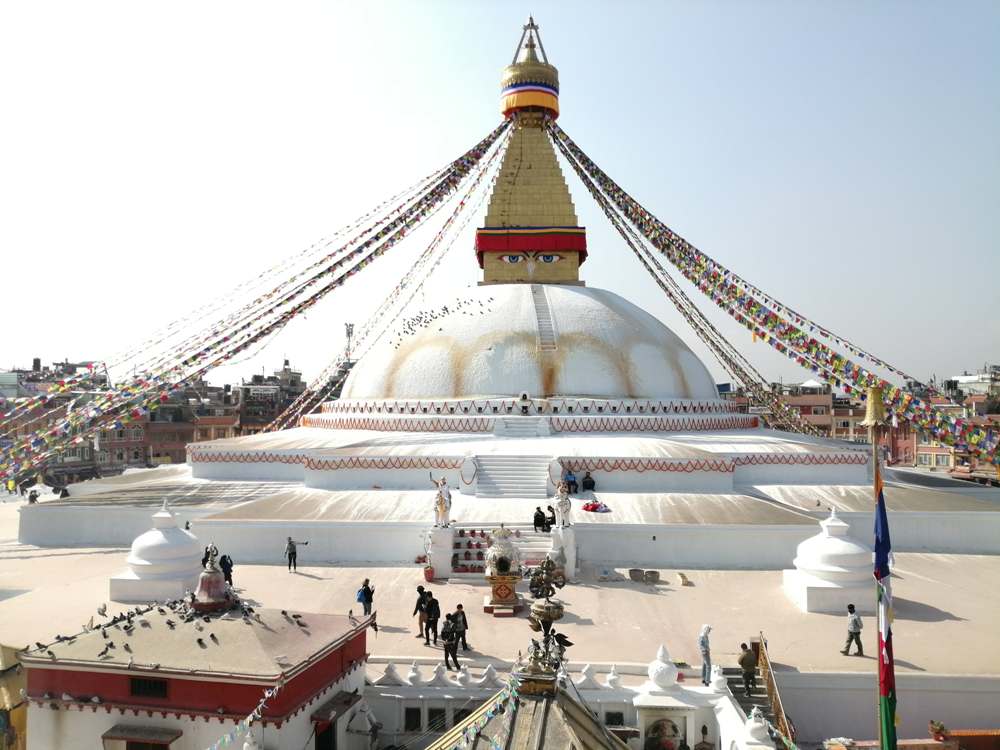
But the real center of Tibetan Buddhism is in Kathmandu. The temple complex with the Bodnath stupa in the middle attracts thousands of believers every year. The stupa itself was built in the 6th century on the site of a stop for pilgrims traveling from India to Tibet. It is a spatial mandala. Its base symbolizes the earth, its dome symbolizes water, its 13-step spire symbolizes fire, its umbrella symbolizes air, and its belvedere symbolizes the sky. Tibetan monasteries, souvenir shops, and restaurants are located around the stupa.
Even more places of power where you can go in search of yourself are collected in this article.
Bhaktapur
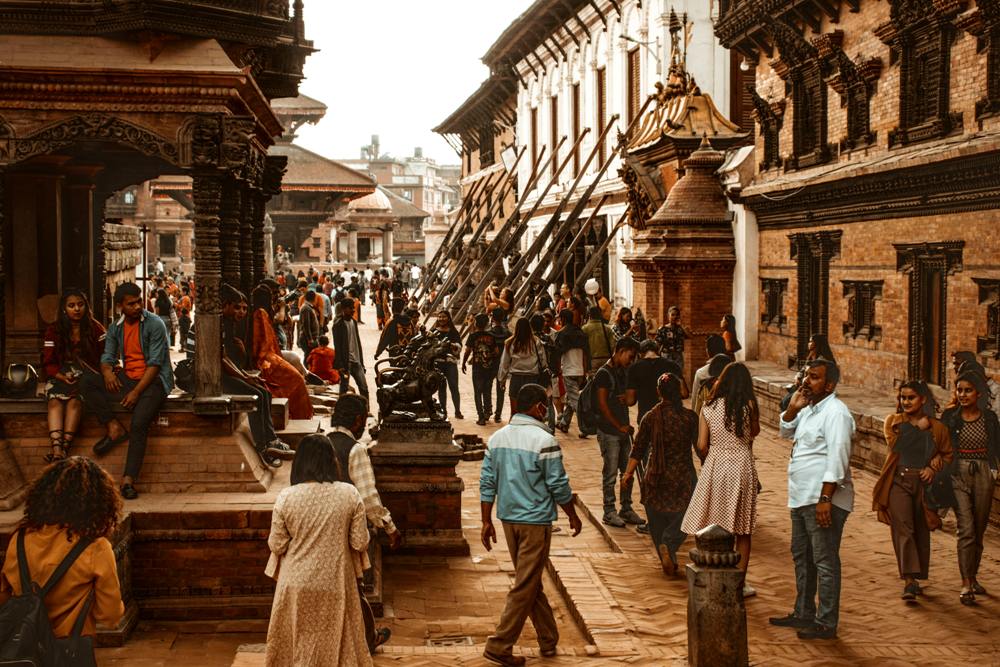
Just 16 km from the capital of Nepal lies the amazing Bhaktapur. This ancient settlement is known as the "city of craftsmen." It is here that authentic Nepalese traditions and local architecture have been preserved. The list of main attractions includes Durbar Square with its temples and pagodas, the royal palace, and Taumadhi Tole and Tachupal Tole squares, where you can buy products made by local craftsmen. This is not just a city, but a real open-air museum.