
Among Germany's countless attractions, there is one that is truly special. It is not as well known as Neuschwanstein Castle or as popular as Oktoberfest. But it is a living embodiment of the fact that Germany is blessed with wonders not only man-made, but also natural. It is one of the most beautiful national parks in Europe. We are talking about Saxon Switzerland.
What is Saxon Switzerland?
Saxon Switzerland is 93km² of unique mountainous landscape. It is based on sandstone mountains that have provided building material for Dresden for centuries. There are no snow-capped peaks hidden in the clouds here. But the bizarre shapes of the local stone blocks resemble a gallery of sculptures left in disarray by a hurried craftsman.
The endless green carpet of vegetation surrounding these giant sculptural compositions is reminiscent of Hansel and Gretel from the Brothers Grimm fairy tales, lost in the woods. And, of course, the picture would be incomplete without the legendary Elbe River. Despite its protected status, Saxon Switzerland offers plenty of opportunities for outdoor activities: 755 climbing sites, 400 km of hiking trails, and 50 km of bike paths.
How to get there
Saxon Switzerland National Park is located on the border between Germany and the Czech Republic, 125 km from Prague and 30 km from Dresden. The park is often included in organized tours, but it is also easily accessible to individual travelers.
From Prague
The closest locations in Saxon Switzerland to Prague are the resort towns of Raten and Bad Schandau. Trains run there from Prague, and the journey takes 2-3 hours. Tickets can be purchased at the station or online using the website of the Czech national railway company, Ceske drahy. Ceske drahy. Ticket prices start at 460 Czech korunas ($22).
From the village of Ratten, you can start a hiking trip to Saxon Switzerland, while from Bad Schandau, you will need to take the local bus or the historic Kirnitschthalbahn tram. Choosing the tram will give you an atmospheric, albeit short, ride past the beauties of the park and, in particular, the Lichtenhain Waterfall.
From Dresden
The route from the capital of Saxony to the national park is easier and cheaper. You can take a train from Dresden Central Station, after checking the timetable on the website Deutsche Bahn. Trains to Bad Schandau station run every half hour, and the journey takes only 45 minutes. But be careful when choosing which tickets to buy. Deutsche Bahn offers a variety of regional and national fares with different validity periods, ranging from €4 to €49. If in doubt, wait to buy your ticket until you get to the station.
The second option is to take the bus. At Dresden Central Bus Station, take bus No. 160. The journey to Bad Schandau takes 45 minutes and costs €5-7.
You can also get to the resort town of Raten. Trains run there just as frequently as to Bad Schandau, and the journey takes only half an hour. From Raten to the national park, you just need to cross the Elbe by ferry.
Finally, you can rent a car from one of Dresden's rental agencies, such as Europcar. This is the most expensive of all transport options (the price of a car per day usually starts at €100), but it is ideal for families.
What to see
The national park offers a wonderful selection of places for lovers of all kinds of recreation. There are hiking trails for the most active, natural scenery for photography enthusiasts, and a medieval castle for fans of antiquity. Let's talk about each of these in turn.

Lichtenhain Waterfall
One of the first stops on your route if you are traveling from Bad Spandau. Not Niagara, of course, but where else in our latitudes can you see waterfalls?
A retro tram will take you to the babbling brooks. However, retro elements are combined with innovations: it runs on narrow-gauge tracks from the late 19th century, but is partially powered by solar batteries.

As for the waterfall itself, it also represents a symbiosis of natural and human forces. To make the waterfall look more impressive, a century and a half ago, the resourceful owners added a small dam, which periodically filled the waterfall with additional water. The dam was opened, and the modest waterfall turned into a roaring stream.
The tradition has been preserved: every two hours, accompanied by music, you can see how the Lichtenhain Waterfall demonstrates its strength and power with the help of humans.
Bastay
This is the most recognizable and popular attraction in Saxon Switzerland. You may well see it every day, as it is included in the basic Windows desktop wallpaper package.
Bastia is a rock formation rising 194 meters above the Elbe River. This natural wall was once part of the defensive structures of Neurath Castle, which gave Bastia its proud name (Bastia means "bastion" in German).
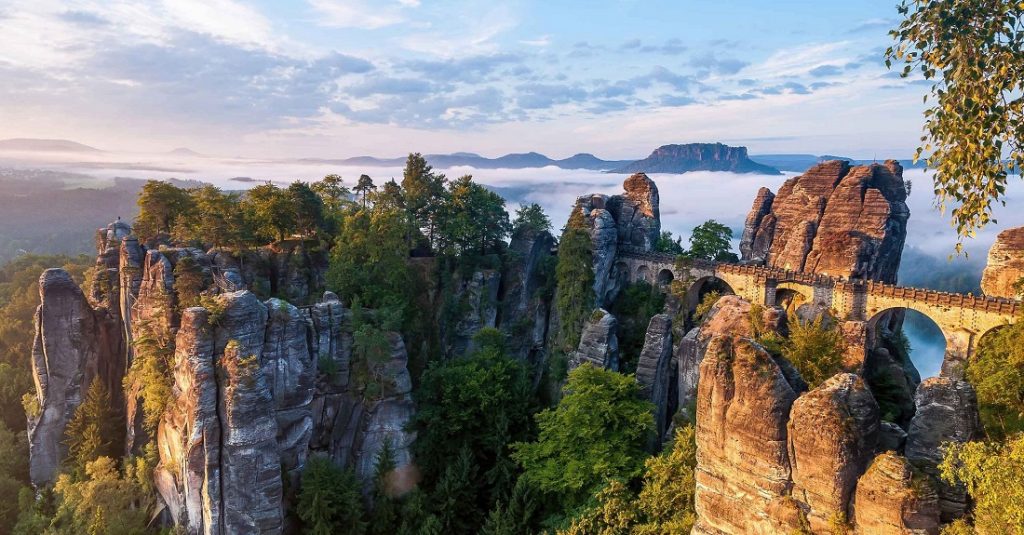
Like many things in the park, Bastay became famous thanks to the beneficial cooperation between man and nature. Two centuries ago, a stone seven-arch bridge was built in this beautiful but remote area. It fits perfectly into the natural landscape.
Life hack. To prolong the pleasure of admiring the bridge and the natural panorama, stay at the Berghotel Bastei hotel or at least treat yourself to lunch at a restaurant near the Bastei. And for a short but powerful experience, climb up to the viewing platform located at a height of 200 meters.
- Top 10 locations in Dresden: What makes the Saxon jewel fall in love?
- Oktoberfest 2023 in Munich — everything you need to know
- Top 10 most beautifulcastles in Germany
Königstein Fortress
The impregnable beauty of Königstein Fortress is the largest human-made feature in the pristine landscape of the national park. Its 40-meter walls defy the natural rock formations with their impregnability. Throughout its eight-century history, it has only ever been conquered by attrition.

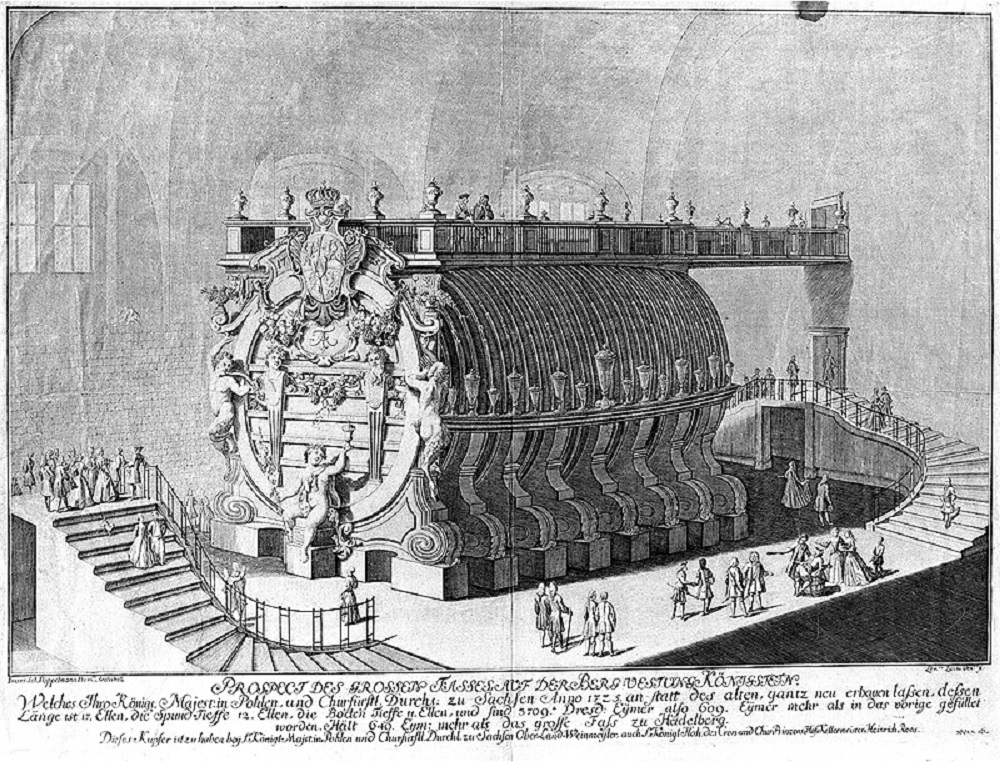
The most unusual war involving Königstein broke out in the 18th century. This war was called... the Barrel War. The Saxon Elector (also the ruler of the Polish-Lithuanian Commonwealth) Augustus II argued with his Palatinate "colleague" about which of them could build the largest wine barrel. The Saxons won, completing a giant 238,000-liter container in 1725. Whether they celebrated their victory with the contents of this barrel or not, history does not say. Unfortunately, the original barrel did not survive to our times. But the "losing" barrel still stands in Heidelberg.
And in Königstein in the 18th century, the alchemist Böttger was languishing. Passing the time in melancholy, he was the first in Europe to invent a method for producing white porcelain. Thus, the legendary Meissen porcelain was born.
The cost of visiting the fortress is €15.
Kushta
Enough romance! Welcome to... the cowshed! To tell the truth, nature had a different purpose for this place. The 11-meter recess is nothing more than a rock gate in the sandstone mountains. But it seemed too suitable for agricultural use.
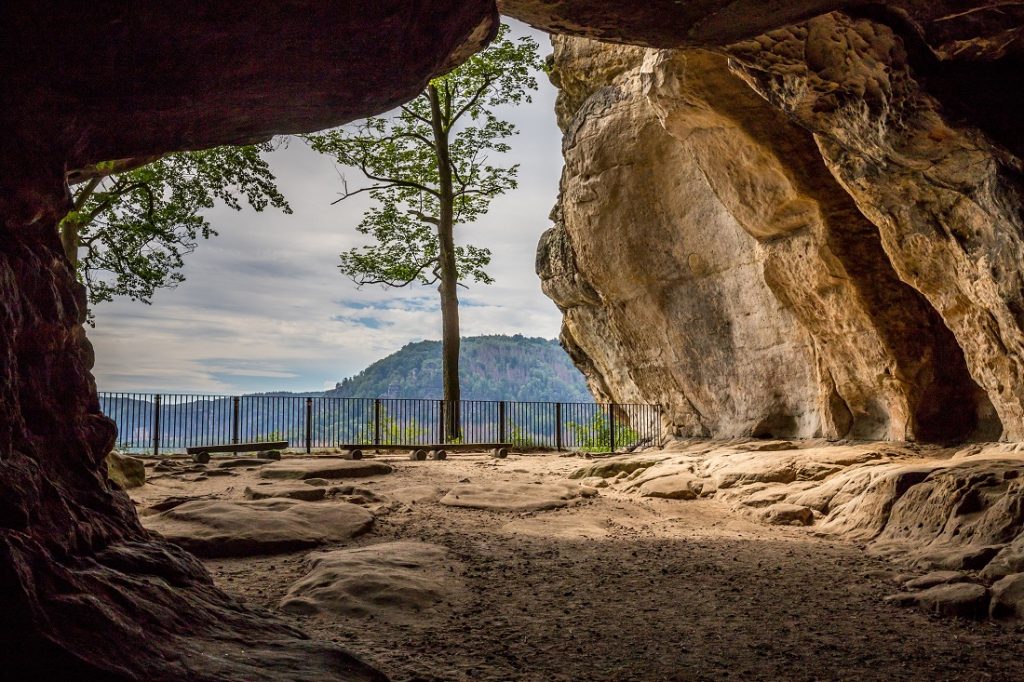
According to legend, peasants hid their livestock here during the Thirty Years' War in the 17th century. Another version says that they hid their livestock here not from soldiers, but from its real owners, who had stolen it.
Raten Rock Theater
The beautiful views sparked the creative enthusiasm of the Germans. The open-air rock theater has been in existence for 90 years. From May to September, performances are held almost every day. The stone "curtains" serve as the perfect backdrop for the productions.

Among the performances, you can find fairy tales by the Brothers Grimm, Wilhelm Hauff, and Native American westerns. Adult tickets are quite affordable, starting at €10. The performance schedule here.
Artists' Trail
All of the above attractions can be combined into a single route. This will require patience, endurance, and a decent amount of energy and time. In 2006, the 115 km Artists' Trail was opened in Saxon Switzerland, consisting of eight stages.
The route got its romantic name not for the sake of pretentiousness, but in memory of the artists who worked in the park and depicted it in their paintings. Incidentally, Saxon Switzerland owes its name to several of them, namely the 18th-century Swiss painters Adrian Zingg and Anton Graff. If you are ready to take on the challenge of the Artists' Trail, look for the black letter "M" (Malerweg) on a white background. It is best to start the trail from the town of Pirna, but you can also join (and leave) the trail at many other locations. All the necessary information about the Artists' Trail, stages, and tips can be found on its official website.