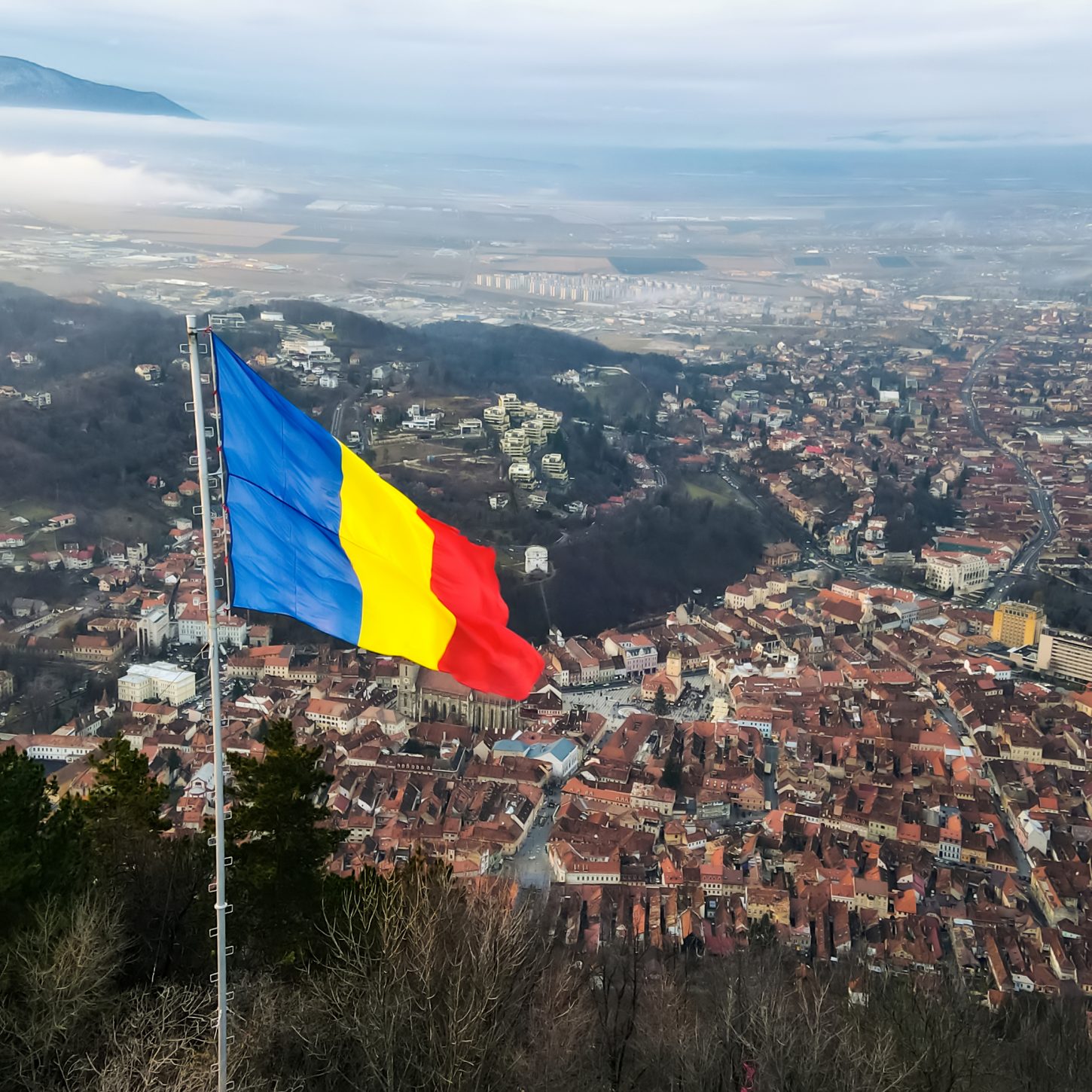
Romania is rapidly becoming one of the most attractive relocation destinations for CIS residents. The country provides a stable environment for investors due to its continuous economic growth, developed industrial sector and growing foreign direct investment, supported by its strategic location in the European Union. As of January 2025, Romania became a full member of the Schengen area, which opened up additional opportunities for free movement within Europe. Unlike many Western European countries, Romania offers a unique combination of European quality of life and affordable prices, making it an ideal choice for those seeking a balance between comfort and economy.
One of the most favorable tax systems in Europe
Minimum taxes for business
Romania offers extremely favorable conditions for small businesses. Microenterprise tax is only 1% of revenue for companies with revenues up to 60,000 euros per year, and 3% for companies with revenues between 60,000 and 250,000 euros. This makes Romania one of the most attractive jurisdictions in Europe for start-ups.
Key benefits:
- From 2025, the threshold for micro-enterprises is 250,000 euros per year;
- The tax on dividends is only 10%;
- Simple system of taxation and reporting.
Standard taxation
For companies with a turnover above 250,000 euros, a standard corporate tax rate of 16% applies, which is also lower than the European average.
Personal taxation
Income tax for individuals is 10%. This is one of the lowest rates in the European Union. This means significant savings for employees and freelancers.
European comfort at affordable prices
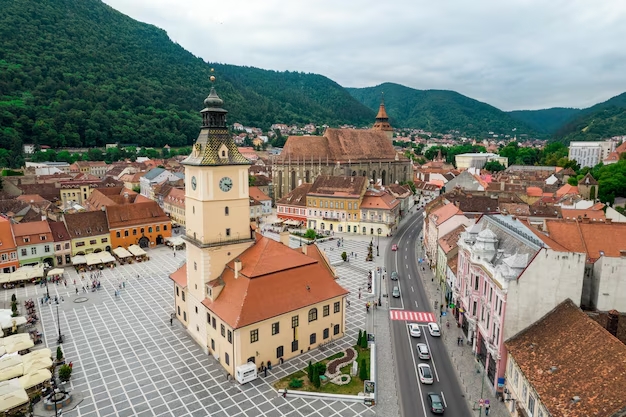
Monthly expenses
The approximate monthly expenses for a family of four are 2,394.5$ (10,646.4 lei), not including rent. For one person - 689.2$ (3,064.5 lei), not including rent.
Living in Romania in 2025 will cost between 1,250 and 1,500 euros per month for a comfortable life for one person. If you live a frugal lifestyle or share the costs with a partner, you can get by with 1,000 euros.
Comparison with other countries: detailed analysis of savings
Analyzing the prices for accommodation in Romania, it should be noted that the country is among the most affordable in Europe. This makes it extremely attractive for relocation. Let us consider a detailed comparison with the leading developed countries.
U.S.
- Cost of living is 41.6% lower in Romania
- Rent is 73.3% cheaper
- Average cost of living: $2,498 in the U.S. vs. $834 in Romania
- Food products are cheaper by 40-45%
- Medical services are cheaper by 60-70%
Canada
- Cost of living in Romania is 48% lower
- Rent is 65-70% cheaper
- Average cost of living: about $1,600 in Canada vs. $834 in Romania
- Utilities are cheaper by 50-55%
- Public transportation is 3-4 times cheaper
UK
- Cost of living in Romania is 57% lower
- Rent in London is 4-5 times more expensive than in Romania
- Restaurant meals are 60-65% cheaper
- Transportation costs are 70% lower
Germany
- Cost of living in Romania is 92% lower
- Average cost of living: $1,601 in Germany vs. $834 in Romania
- Renting an apartment in Berlin is 2.5-3 times more expensive
- Essential products are 35-40% cheaper
- Taxes for business are lower by 2-3 times
Switzerland
- The most expensive country in Europe
- The cost of living in Romania is lower by about 3.5-4 times
- Average cost of living: about $4,059 in Switzerland vs. $834 in Romania
- A cup of coffee in Switzerland costs as much as a full meal in Romania
- Rent is 5-6 times cheaper
Norway
- Cost of living in Romania is 50% lower
- Average monthly expenditure: €1,125 in Norway vs. €606 in Romania
- Food products are cheaper by 45-50%
- Entertainment and restaurants are cheaper by 60-70%
Denmark
- One of the most expensive EU countries
- The cost of living in Romania is 55-60% lower
- Cup of coffee: €4 in Denmark vs. €1.5 in Romania
- Public transportation is 3 times cheaper
- Medical services (private) are cheaper by 50-60%
Finland
- The cost of living in Romania is 82% lower
- Average cost of living: $1,521 in Finland vs. $834 in Romania
- Rent is cheaper by 60-65%
- Food products are cheaper by 30-35%
- Utilities are cheaper by 40-45%
Key benefits to saving money:
- Substantially lower housing costs (especially rent);
- Affordable prices for locally produced food;
- Inexpensive public transportation;
- Low prices for services (hairdressing, repair, medicine);
- Affordable entertainment and restaurants.
Important to note! Despite its significantly lower cost of living, Romania offers European quality infrastructure, security and access to the EU market, making it a unique proposition among low cost of living countries.
Food prices
Average prices for basic products: bread - 1.5-2 euros, milk (1 liter) - 1-1.5 euros, eggs (10 pieces) - 2-3 euros, chicken fillet (1 kg) - 5-7 euros, apples (1 kg) - 1-2 euros, potatoes (1 kg) - about 0.8-1.2 euros, rice (1 kg) - 2-3 euros.
Real estate market and investment opportunities
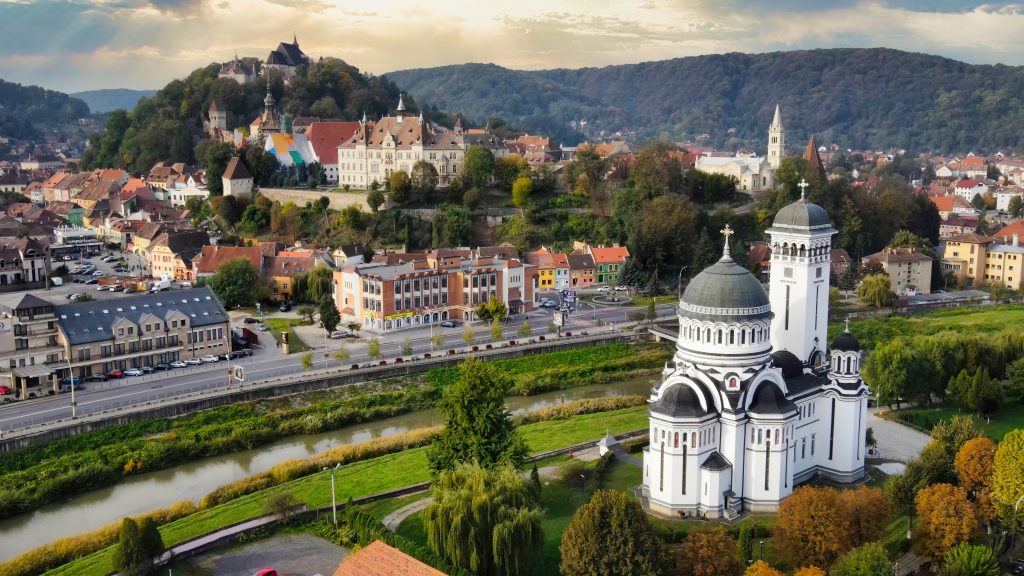
Housing prices
The average price per square meter of apartments in Romania reached 1,710 euros ($1,791), a 14.0% year-on-year increase. Cluj-Napoca recorded the highest prices at 3,000 euros ($3,142) per square meter, with a year-on-year increase of 15.7%. In Bucharest, the average price is €1,862 ($1,950) per square meter, up 15.0% year-on-year.
Rental yield
Rental properties in Romania offer attractive gross yields between 2.6% and 5.3%, making the country attractive to real estate investors.
Market forecasts
In 2025, real estate prices are expected to increase by 3-7% from the 2024 level. Since January 1, 2025 Romania has fully joined the Schengen zone, which already has a positive impact on the land market, especially for industrial use, simplifies logistics and increases the investment attractiveness of the country.
Obtaining a residence permit: available options for migrants
Obtaining a Romanian residence permit opens access not only to residence in the country, but also to free movement throughout the Schengen area (29 countries) without the need to obtain additional visas. This makes the Romanian residence permit especially valuable for those who plan to actively travel or do business in different European countries.
Residence permit through business
It is possible to apply for a temporary residence permit as a company director. This Romanian residence permit is valid for one year and the initial investment is 50,000 euros. The right of temporary residence for commercial activities is renewable for consecutive periods of one year. In the case of foreigners who prove that they have made a minimum investment of 500,000 euros or have created more than 50 full-fledged jobs, the right of residence lasts for 3 years.
Residence permit for work
Within 60 days of obtaining a work permit, you must apply for a long-term visa for employment purposes. The process includes obtaining a work permit from the employer and then applying for a residence permit.
Digital Nomad Visa
The Romanian Digital Nomad visa offers temporary residence for remote workers from non-EU countries. The visa is valid for one year and can be extended for another year.
Requirements:
- Monthly income of at least 3,700 euros ($4,000);
- Employment in a company outside Romania;
- Health insurance of at least 30,000 euros.
Digital nomads are exempted from the requirement to pay income tax and social security contributions on salaries and income earned abroad. The tax exemptions are valid only if the digital nomad stays in Romania for no more than 183 days.
An added advantage! With Romania's Digital Nomad visa, and thanks to the country's full membership in the Schengen area, you get to travel freely in 29 European countries without the need for additional visas.
Accessible and quality health care system
State medicine
In Romania, public health care is free for all persons registered with the National Health Insurance Fund (CNAS). This general scheme covers, among other things, basic and specialized medical care, dental and hospital care, and medicines.
Private medicine
Private healthcare is an ever-expanding industry in Romania. Private hospitals are considered the best option for expats seeking world-class medical care in Romania. The staff are usually well trained and usually speak English.
Recommendations for expats
Expats moving to Romania need to have private health insurance to obtain a visa. It should provide comprehensive coverage and allow patients to use private facilities.
Educational opportunities for children and adults
Public education
Compulsory schooling usually begins at the age of 4, with the second year of kindergarten (grupa mijlocie), which is compulsory for entry to elementary school. School education is compulsory until the twelfth grade.
International schools
For expats in Romania, international schools are the most popular choice, most of which are located in Bucharest. Some of the most common study programs at international schools are the International Baccalaureate and the British curriculum (including Cambridge IGCSE and A-Levels).
There are 24 international schools in Romania, with annual fees ranging from 39,758 lei to 89,533 lei.
Higher education
Romania has 54 public universities and 35 private universities accredited or authorized for temporary work, located in 24 Romanian cities.
IT sector: Changes in taxation
Current situation
It is important to note that there are significant changes to the taxation of IT professionals from 2025. From January 1, 2025, any special exemptions for payroll taxes in the software development, construction and agri-food sectors will be abolished.
Alternative benefits
Despite the abolition of tax incentives, Romania remains attractive for IT professionals thanks to:
- Low cost of living;
- Developed IT infrastructure;
- One of the fastest internet speeds in Europe;
- Opportunities to work in the European market.
Additional benefits of living in Romania
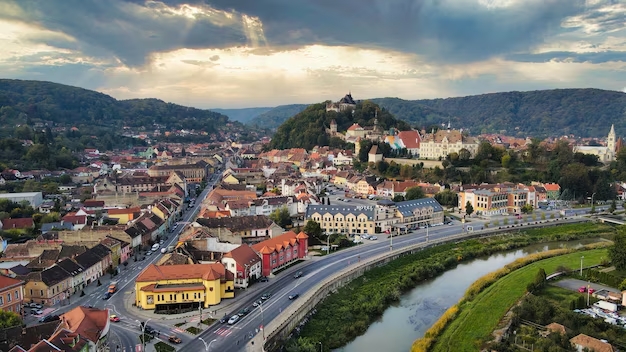
Membership in the EU and Schengen Area
Romania has been a full member of the European Union since 2007 and became a full member of the Schengen Area on January 1, 2025, which ensures:
- Free movement in all Schengen countries without border controls;
- Access to the European labor market;
- Protection by European legislation;
- Simplified logistics for businesses;
- Increased investment attractiveness.
Geographical location
Its strategic location at the crossroads between Eastern and Western Europe makes Romania an ideal base for:
- Businesses with a pan-European audience;
- Traveling in Europe without border controls (full member of the Schengen area from 2025);
- Access to different markets;
- Convenient logistics - direct land borders with Hungary, Bulgaria, Serbia, Ukraine and Moldova.
Culture and language
- Romanian is a Romance language, which makes it easier to learn for those who know French, Italian or Spanish;
- High levels of English language proficiency among the young population;
- Rich cultural heritage and traditions.
Practical tips for moving
Preparing for the move
- Learn the basics of Romanian - although many people speak English, knowing the local language will make it easier to adapt.
- Open a bank account - this is essential for renting a home and receiving your paycheck.
- Take out health insurance - a mandatory requirement for obtaining a residence permit.
- Prepare documents - apostille and translate all necessary documents.
- Explore the benefits of Schengen - with a Romanian residence permit you can travel freely throughout the entire Schengen area (29 countries) without visas or border controls.
Choosing a city to live in
- Bucharest is the capital city with maximum career opportunities;
- Cluj-Napoca is an IT hub with a developed infrastructure;
- Timisoara is a cultural center with a European atmosphere;
- Constanta is for lovers of the sea and resort life.
Savings calculator: comparison with other EU countries
Let's consider approximate savings when moving from popular countries. It is important to note that with a Romanian residence permit you get the opportunity to live in a country with a low cost of living, but you are free to travel and work throughout the Schengen area.
From Germany to Romania:
- Savings on rent: 60-70%;
- Savings on groceries: 40-50%;
- Tax savings (for businesses): up to 70%;
- This retains visa-free access to the German market.
From Poland to Romania:
- Savings on rent: 20-30%;
- Savings on groceries: 15-20%;
- Tax savings: 30-40%;
- The possibility of unimpeded travel to Poland.
Who is suitable for moving to Romania
Romania in 2025 represents a unique opportunity for:
- Entrepreneurs - due to low taxes and simple business registration system;
- Freelancers and remote workers - because of the affordable cost of living and the digital nomad visa;
- Families with children - affordable education, including international schools;
- Real estate investors - a growing market with good returns;
- Pensioners - low cost of living with European quality of services.
The country offers a rare combination of European quality of life, low taxes, affordable prices and full Schengen membership, making it one of the most attractive destinations for migration in 2025.