
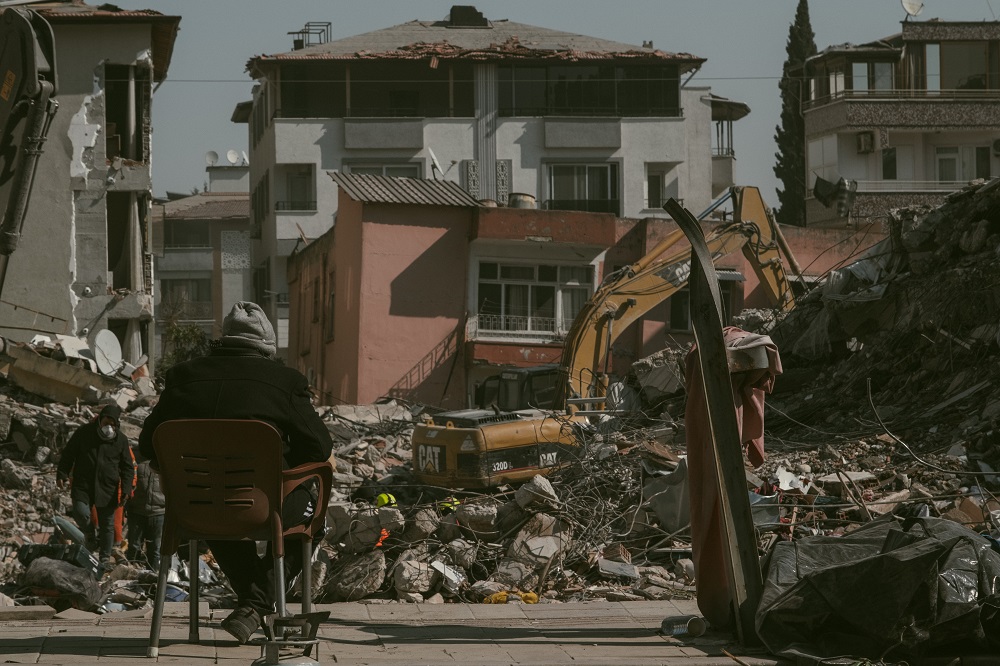
It is almost impossible to predict the exact time, date and strength of an earthquake. Modern science can only predict its probability. How can you prepare for an earthquake if you don't know about it in advance? The main thing is not to panic and approach the news of earthquakes with a cool head. We tell you how to behave before, during and after an earthquake.
Check the seismic activity of the region
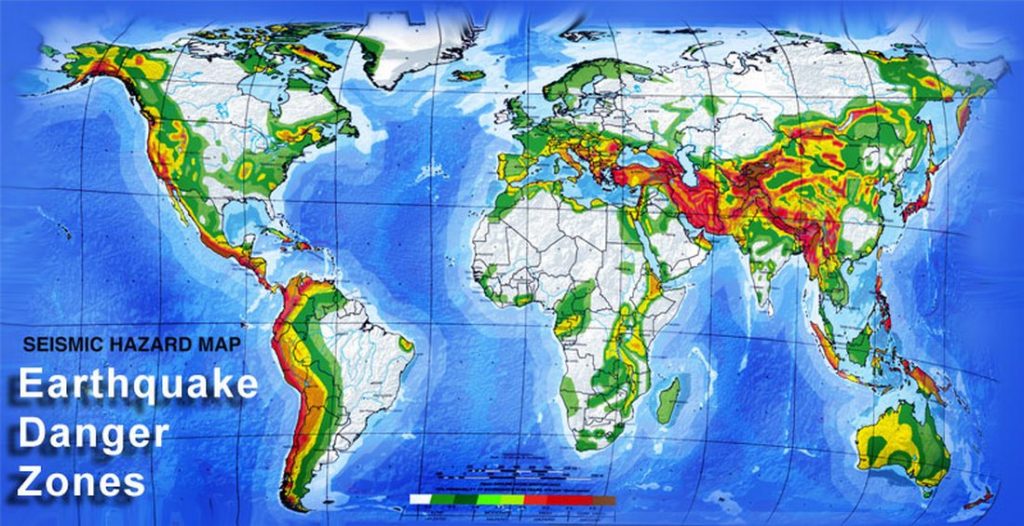
Before traveling, check the seismic activity of the region you are traveling to. Nowadays, such maps with special risk zones have been developed both for individual countries and for the whole planet. The most dangerous regions of the world have been known for a long time - the Philippines, Japan, Indonesia. Some countries may surprise you, such as Mexico, China and Fiji.
So to avoid trouble, check not only the weather forecast but also the earthquake map every day. You can do this at any minute by downloading mobile applications such as My Earthquake Alerts, Earthquake Network.
Also recommended: Is it safe to travel to Turkey now? Let's find out
Stay up to date on local news
The main thought when you go on vacation is: "I'll finally get a break from the news and my phone. But don't rush to put your gadgets aside and go on an absolute media detox, especially if you're in a seismically active region. Subscribe to local newsgroups and find TV channels in a familiar language. It is not uncommon for news of an impending earthquake to be reported through these sources of information.
Gather the necessary items
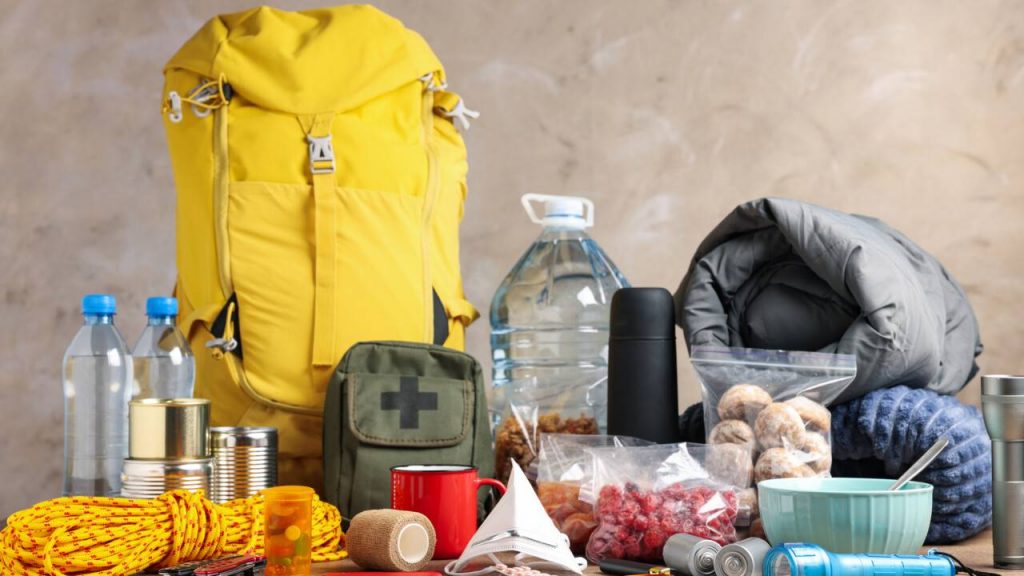
Think about the things you will take in your "worry bag". They won't take up much space, but they will help you in an emergency. Take your documents and cash with you. Put them in a waterproof bag to keep them safe. Don't forget to take your most important medicines, a powerbank and a flashlight.
If you have a whistle, find a place for it among these items. You can use it to signal if you find yourself under the rubble.
Keep a few days' supply of clean drinking water and canned goods at home. We recommend buying energy bars and nuts. They do not require special storage conditions, but will help you stay full for a long time.
Explore information on how to help yourself and others during tremors
Learn how to administer first aid. Watch a few short videos or read small guides. Sometimes medical professionals cannot get to victims because of the effects of an earthquake. This way you can help not only yourself but also others around you.
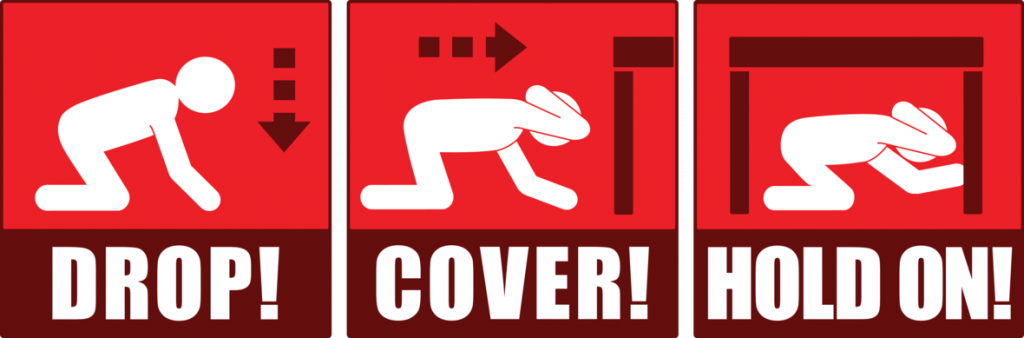
Remember the three most important words in an earthquake: "Fall. Cover yourself. Hold on." As soon as you feel the first tremors, lie down immediately on the ground or other hard surface. Lean on your hands and knees, not your stomach. This way you can keep your balance and protect your body.
Try to take cover under a table or lean against one of the interior walls. They can protect you from falling objects and debris.
Cover your neck and head with one hand. Keep your palm on your neck and your elbow on the back of your head. If you are sheltering under a table, hold on to the table with your other hand. If there is no shelter, hold your head with both hands.
Create a safe space around you
As strange as it may sound, the greatest danger may be waiting for you in your home. During an earthquake, both light and heavy objects fall and can hurt you.
Secure refrigerator, cabinets, pictures, chandeliers, microwave, shelves and computers. Remove all heavy items from shelves. Move beds and couches to safe places. These actions will not only save your health, but also your property.
What to do if you are ...
... in the building
Do not attempt to leave the building until 15-20 seconds after the first shocks. If you are unable to do so, stay inside until the shaking is over. Think twice about coming down from the upper floors. Be sure to keep your "emergency bag" with you and keep it with you at all times.
Stay away from ladders, as they are the first to fall during an earthquake. Do not take cover in an elevator: it may get stuck and you may not be able to get out of it.
Do not stand in doorways. They will not protect you from flying objects, and their strength is comparable to that of any part of the building.
Try to find an object that can shelter your head from splinters. It can be a book, a pillow or a thick notebook. The "shield" should not take up a lot of space so as not to constrict your movements. But it can save you during another jolt.
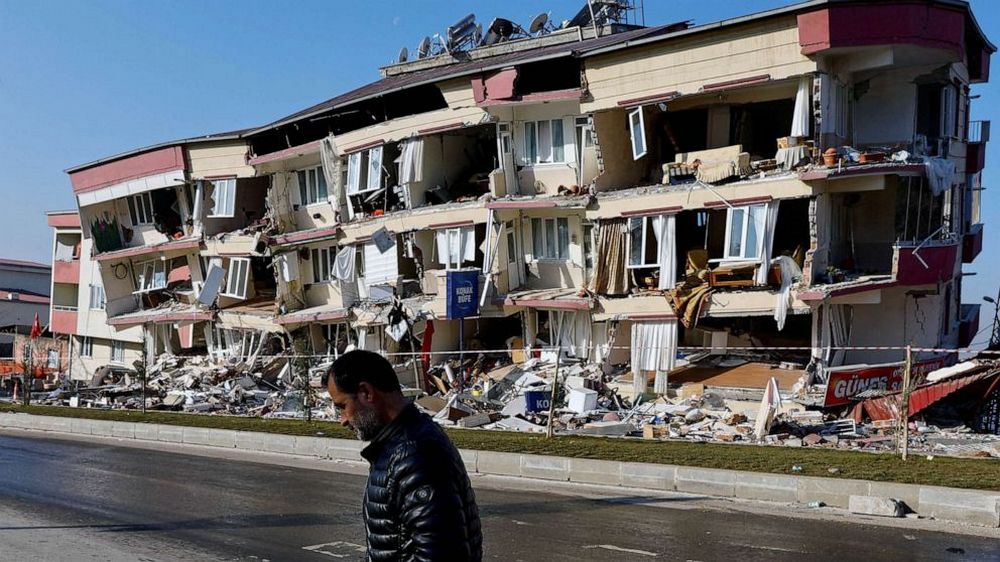
... in the open
Stay away from power lines, windows and facades. Get away from gas stations, sewer manholes, and gas lines. These are high-risk facilities that can hurt you more than earthquakes. For example, the 1906 San Francisco earthquake killed more than three thousand people. And most of them were victims of exploding gas pipes, not building debris.
... on the road
If you are traveling in a car, pull over to the side of the road. Do not try to "drive away" from the earthquake - a car will provide good cover from debris and splinters. A vehicle is one of the safest places to be during earthquakes.
Put the handbrake on and turn on the radio. This way you can follow the news in real time. Stay away from bridges, underpasses, power stations, road signs and trees. In strong shocks, their debris will destroy the car and you will lose your safe space.
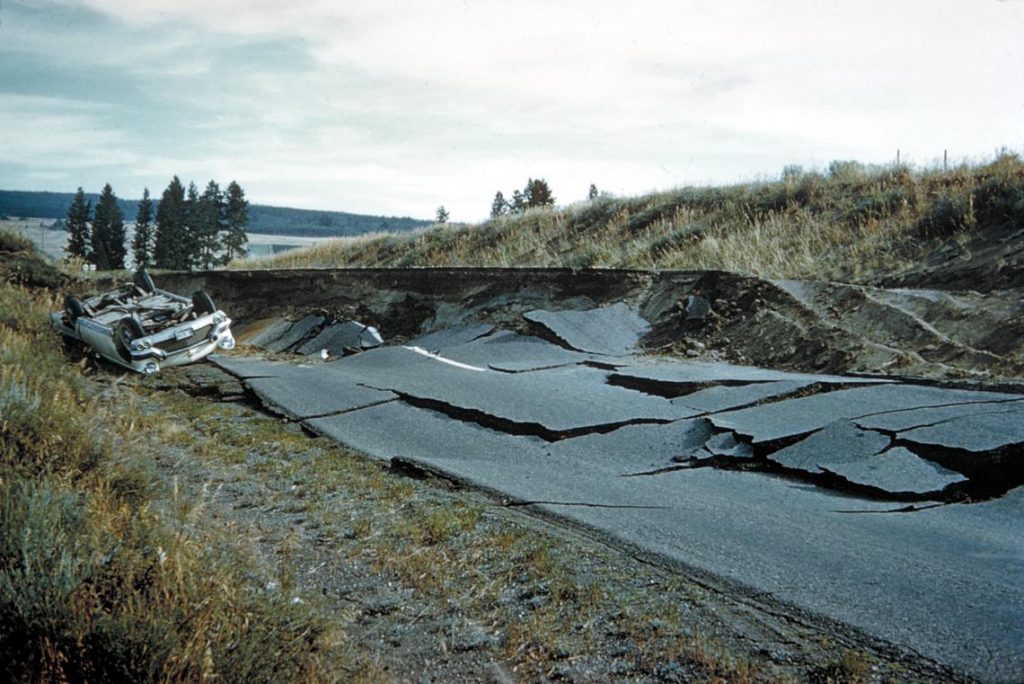
Wait until the tremors are over and check to see if you can continue driving. An earthquake can collapse trees and road signs, break the roadway and flood it. Make sure that the car can pass through the obstacles and reach the desired location.
... on the coast
If an earthquake catches you at the seashore, do not try to admire the water as far away as possible. Intense tremors can cause tsunamis. The power of these sea waves can exceed the power of earthquakes.
Looking for a safe place? Move to an elevated area or inland. If there is not a high hill near you, try to find a building that has not been destroyed or climb a tree. Do not leave your "high ground" until you hear news that there is no tsunami.
... in the mountains
An earthquake shifts rocks, so there may be falling rocks. Look around to avoid being hit by them, landslides, trees and other debris. Avoid being near rocks and bodies of water. Favor open areas at low altitudes.
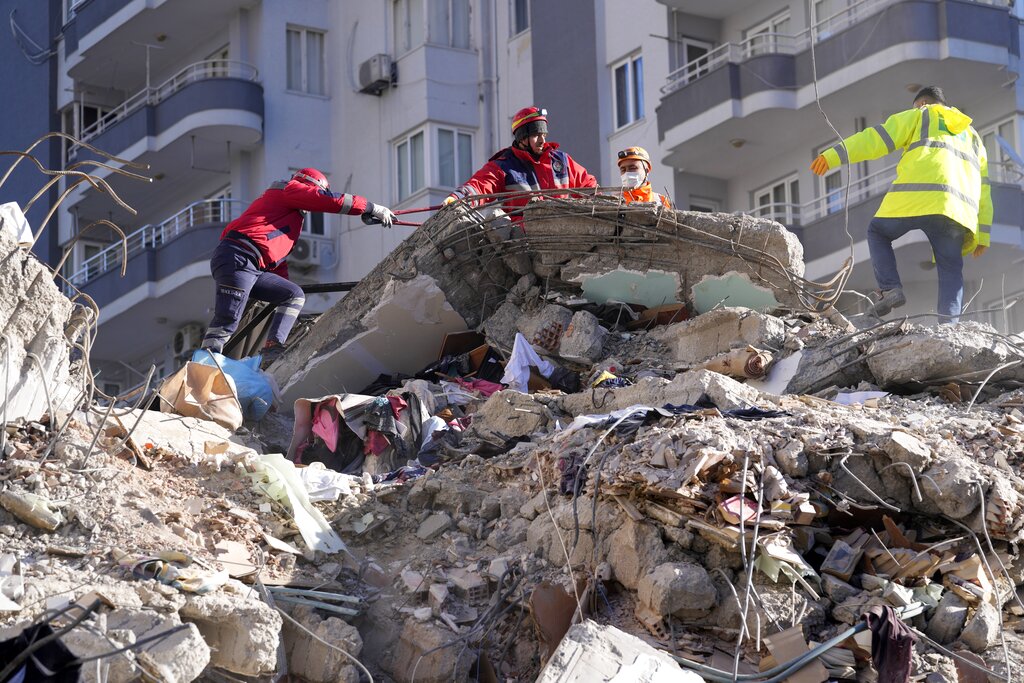
What to do after an earthquake?
When the tremors are over, we advise you to follow these simple rules.
- Use your cell phone only in emergencies. This way you will not overload the network and will not disconnect victims. Turn on the radio to check the current situation in your area.
- If sheltering in a damaged building, try to leave the building and avoid being hit by debris. Check gas and water pipes and unplug appliances. Use matches and lighters only after you are sure there is no gas leak. You can check if there is a gas leak by using a soap solution - the solution will start to bubble at the point where the gas comes out of the pipe.
- Examine yourself to see if you have any injuries. If you know how to administer first aid, help the injured person until doctors arrive.
- Try to wear thick-soled shoes to protect your feet from cuts. This simple step will allow you to move to your full potential without the risk of injury. Any injury will automatically slow you down.
- Remember aftershocks are a series of small shocks after the main earthquake. Act during the "second wave" of aftershocks in the same way as you did during the first shaking.