Disney's Agrabah, mountains of Turkish delight, endless oriental bazaars, and scorching sandy beaches — this is how we imagine Middle Eastern resorts, with a light touch of Egypt. Smashed shop windows, blocked roads, locals throwing stones and sticks — this is how I actually saw the Middle Eastern country of Lebanon in 2019.
One thing I was definitely right about was that Lebanon was hot. But not so much because of the November sun as because of the fires burning in the main square, lit by rebellious Lebanese people. The mild extreme I had dreamed of for so long in my travels finally turned from Scheherazade's fairy tale into reality. That is what today's story will be about.
A brief historical and political primer on Lebanon
Lebanon is a former French colony. That is why French traditions, architecture, and language have remained here. Once upon a time, the French and their descendants made up the elite of society. But when society is unable to negotiate (not to be confused with "suppress") key issues of coexistence, this unfortunately leads to civil wars. This is what happened to the small Middle Eastern Riviera.
Not so long ago, between 1975 and 1990, the country was torn apart by civil war between Muslim Arabs and Christian descendants of colonialists. The conflict claimed the lives of 100,000 to 150,000 people. The half-ruined buildings, bullet holes, military equipment on the streets, and even Lebanon's current political system make it difficult to forget this.
After the war ended, the position of president was legally reserved for Maronite Christians, the position of prime minister for Sunni Muslims, and the position of chief justice of the Supreme Court for Shiite Muslims. And in parliament, a strict 50/50 quota between Christians and Muslims was established. Thus, Lebanon became a unique political construct.
Why go there?
I'm sure that after reading the section above, this is your first question. But our portal is about conscious travel, right? Who needs boring lounging on sunbeds in Egypt and Turkey and languid gazes at the Eiffel Tower when there is such an exotic country as Lebanon, which allows Belarusians to enter without visas?
Before the pandemic, Belavia even operated direct flights to Lebanon's capital, Beirut: four hours and you were in the most unusual place that the national airline could take you. Now you have to fly Turkish Airlines from Vilnius or Moscow, which will take you to Beirut with a stopover in Istanbul.
You can stay in the country without a visa for up to 30 days, which is more than enough time to enjoy its hospitality. But be careful: if you have an Israeli border guard stamp in your passport, you will most likely not be allowed into Lebanon. And your adventures will be just as exciting, but will involve deportation.
Lebanon is not spoiled by tourists, and it is periodically shaken by internal unrest. There is no well-developed infrastructure for travelers there. Nevertheless, the country is ideal for those who are ready to test the waters, stepping out of their comfort zone. If you get a taste for it and decide to take the plunge, neighboring Syria is there to help.
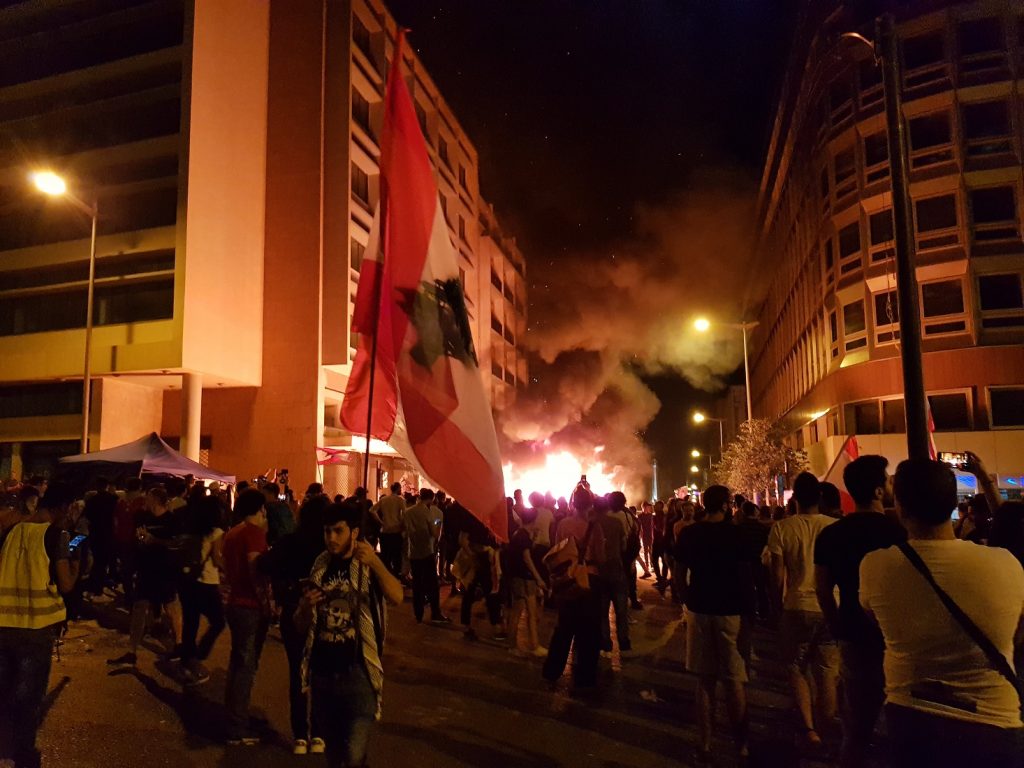
Let me say right away that Lebanon is not always in turmoil. I was just lucky—and I sincerely believe that. Of course, the fact that I was traveling with a group of young people to an international training course, rather than alone, also contributed to my peace of mind. And it was organized by representatives of the ruling party.
The situation was made even more interesting by the fact that large rallies were being held against this very party in Lebanon. When, on the third day of our visit, a shredder began working actively in the party office, destroying party documents, we were struck by a sense of the historic significance of what was happening.
Why do these descriptions obscure architectural structures, traditional cuisine, and nightlife? Because Lebanon is for those who are bored with traditional travel. For those who no longer feel anything for well-fed and polished Europe. And it is here, on this long-suffering land, that one can feel the value of human life.
Buildings destroyed by shells and never rebuilt stare at tourists with silent reproach. They literally scream about what happens when religion and nationality take precedence over humanism. And soldiers walking around with their weapons at the ready remind us that this could happen again. Seeing this is like seeing fresh scars on a human body.
And now about earthly matters
If you haven't panicked and stopped reading this article after my horror stories, I'll shift it to a more traditional tone. What is there to see? Tiny Lebanon will surprise you!
Let me say right away that local public transport is something like a neutron star. Only great professionals can predict its appearance and cycles of existence. So, I recommend getting around Beirut either on foot or by taxi, which is quite affordable. Even if you are on a tight budget, you are unlikely to be able to avoid using a local taxi.
The thing is, there are so many of them in Lebanon, and they are so persistent that they almost kidnap pedestrians from the sidewalks in their eagerness to drive them somewhere and earn money. I was particularly shocked when I saw a passenger being lured out of a taxi stopped at a traffic light and into another car. That's fierce competition, Lebanese style... And by the way, there are two sounds you're sure to remember from this trip:
- The muezzin's call to prayer five times a day. I bet that this, rather than Nescafe, will be how you start your morning. After all, the first prayer is at 5 a.m. on average.
- The deafening roar of horns—who would you guess? Taxis, of course! That's how they insistently draw attention to themselves. No pedestrian will be overlooked.
Don't be too quick to criticize the insolent taxi drivers. While it is quite possible to walk around Beirut on foot (the main thing is not to stay in the local slums), you will need to use public transport to get to other cities. And this is where you face a dilemma.
Buses and minibuses depart from Beirut bus station to various parts of the country. However, they only do so according to the drivers' schedule. The display board shows one thing, but in reality, passengers wait until there are enough fellow travelers to make it worthwhile for the driver. The same applies to return tickets. Finding and catching a bus is no easy task.
A taxi can save the day, which you should arrange with your hotel administration. Every self-respecting hotel manager in this country has drivers on the payroll who are ready to be at your service for the day. Usually for a round sum of $100. If you have a group of 3-4 people, this is the best option. My friends and I used this option most often.
Baalbek
Lebanon is a mosaic of different eras, cultures, and traditions. Baalbek, a UNESCO World Heritage Site, is an ancient piece of this mosaic. Although its origins date back to the Egyptian period, the historical gem of the city is the ancient complex that emerged during the Roman period.
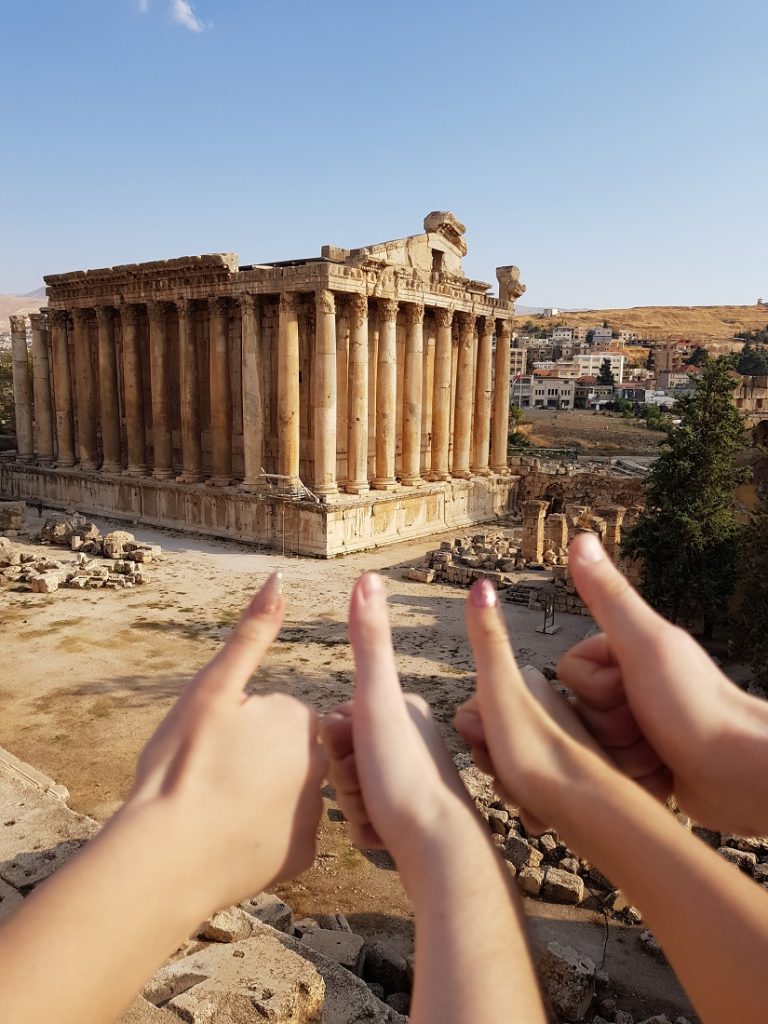
According to researchers, it surpasses even the Pyramid of Cheops in some respects. Namely, in the weight of the stone monoliths from which it was built. Some of them weigh 800-1000 tons. The largest one weighs 1650 tons. However, the local builders who suffered greatly were unable to transport it to the construction site. Realizing what they had done, they simply left the stone "at the place of manufacture."
Stones are undoubtedly beneficial. But the main thing is the end result of their use. These are temples of varying degrees of preservation in the territory of ancient Baalbek. The largest is the Temple of Jupiter. Slightly smaller are the temples of Bacchus and Venus. The layers of history make themselves felt; next to the antiquities, you will find the remains of a medieval fortress and a mosque.
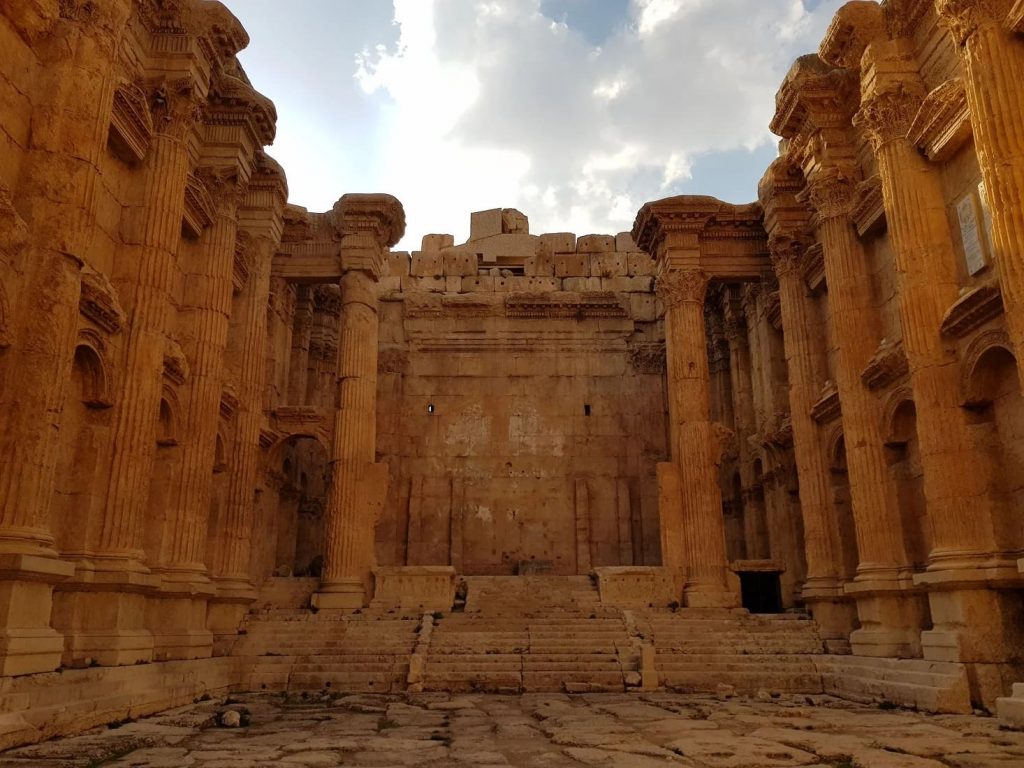
The ancient ensemble of Baalbek. Temple of Jupiter inside, photo by the author
Speaking of Vakha, our taxi driver introduced us to this place. It is a local tavern, quiet and tucked away in a cozy corner not far from the ancient ruins. Lebanese cuisine will not surprise you: shawarma and kebab. Typical Middle Eastern fare. But you should definitely try the local vodka, Arak. It is a strong drink flavored with anise, with an average alcohol content of 60%. It is diluted with water, which instantly gives the arak a cloudy moonshine hue. The taste is like chewing licorice.
- In pursuit of vampires: we go to Romanian Bran
- A world without borders: a Belarusian woman spoke about modern nomadism
- Chinese experience: Belarusian woman about her impressions from the Celestial Empire
Bibl (Jebel)
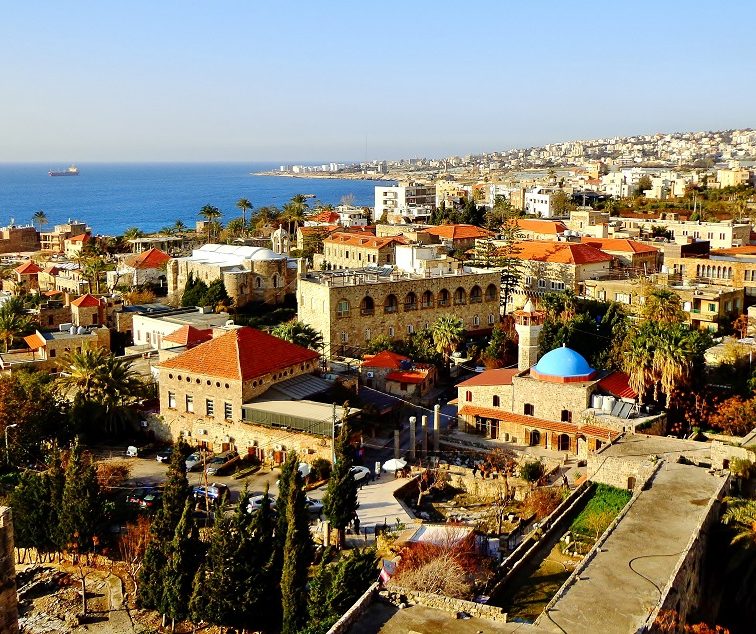
One of the oldest cities in the world. The cradle of Phoenician civilization, the largest port and shipyard of its time. However, Byblos's best days are behind it. Nowadays, only three thousand people live there, which does not prevent it from being very cozy and attractive. Its coziness is achieved not least by the fact that it is home to descendants of the French, who are close to European civilization. So Byblos appears as a small island of Mediterranean Europe in the exotic sea of Arab culture.
There are many noteworthy places in Bibba. These include a well-preserved 12th-century Crusader fortress, an ancient amphitheater, and a necropolis of local rulers from the 19th century BC.
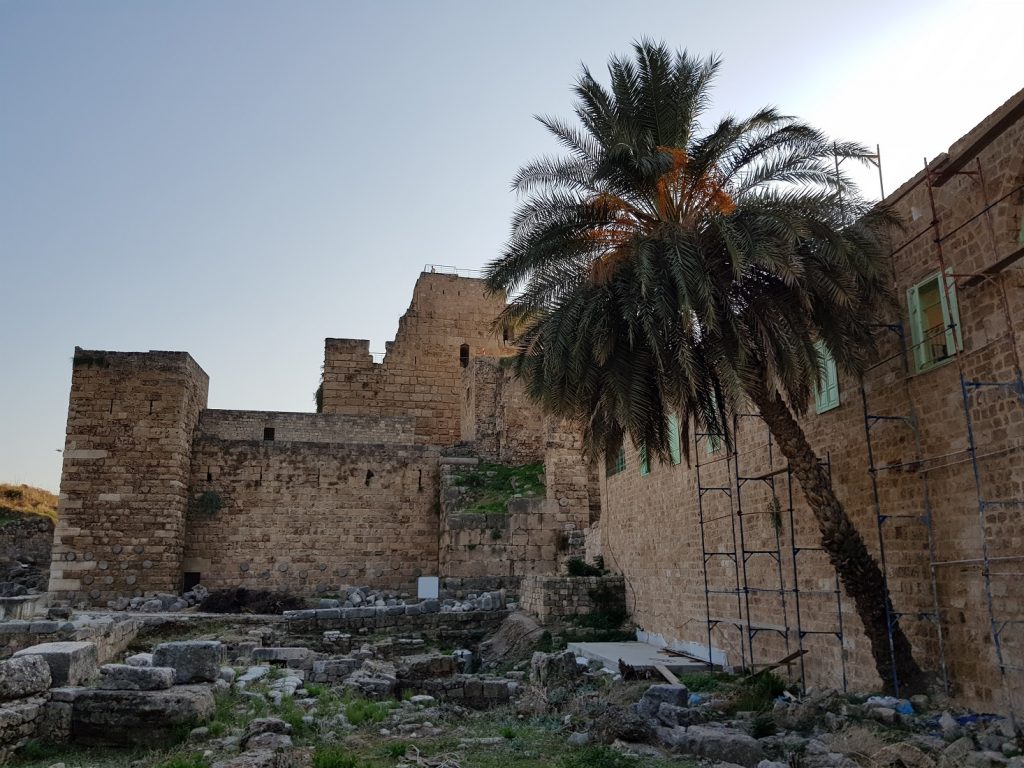
A set that allows you to call this city Lebanon in miniature. But most importantly, Byblos has the sea and open, accessible beaches! Unheard of, you might say. Lebanon certainly has no shortage of sea. Nor, it seems, of beaches. But the Lebanese attitude to these places is, shall we say, sacrosanct.
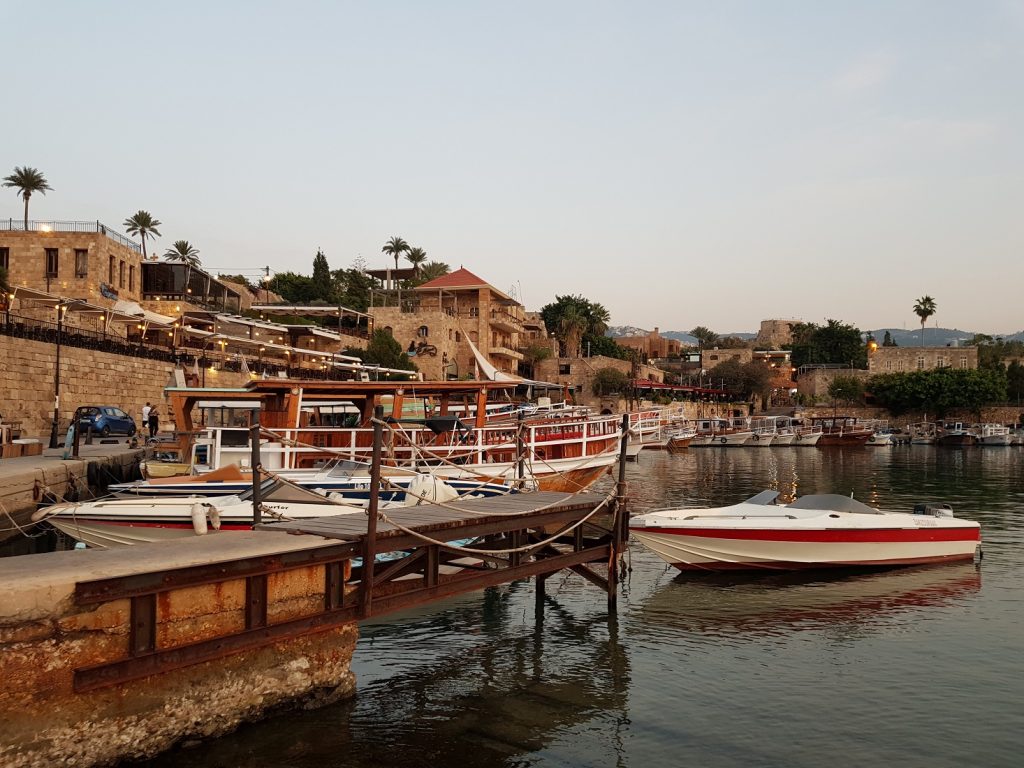
Locals do not swim in the sea and, accordingly, do not equip infrastructure for such pleasures. Here, the sea is considered dirty. For example, in the coastal cities of Lebanon, I witnessed a real surreal scene. Five meters from the sea, on the beach, locals massively dig artificial pools, fill them with water, and splash around in them. My land-loving Belarusian soul was outraged and demanded the expropriation of the sea treasure that the Lebanese do not appreciate.
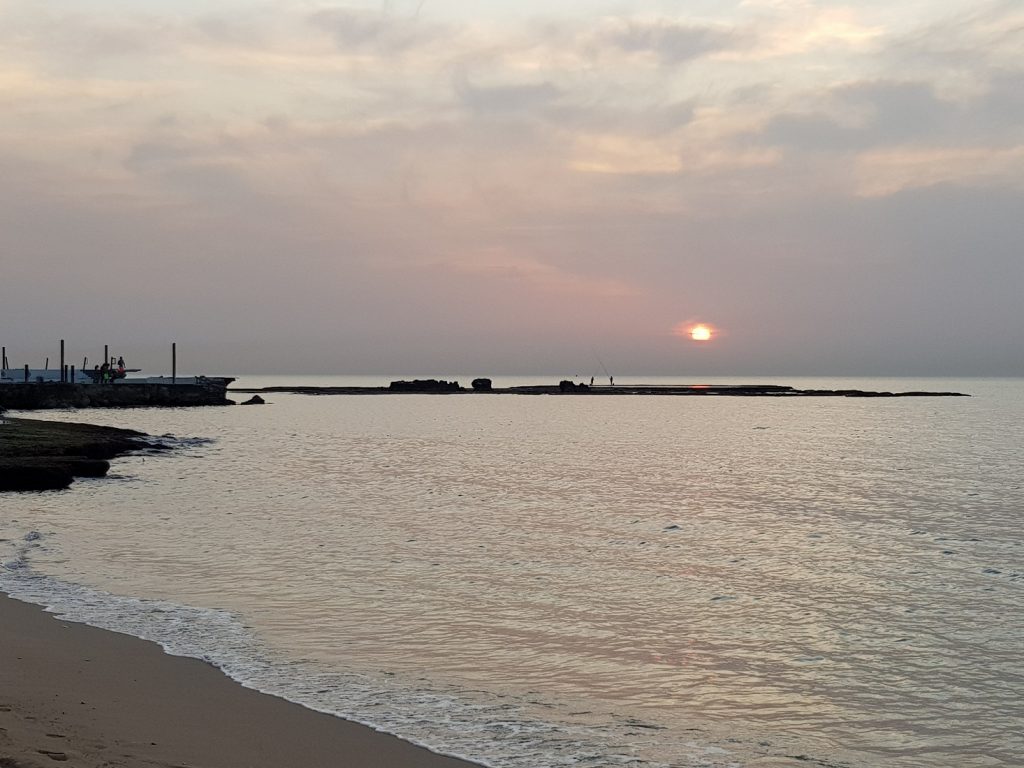
As for the cleanliness of the sea, the issue is ambiguous. In Beirut, it is indeed unsuitable for swimming. But Byblos is just what you need. A pleasant, empty sandy beach, clear water, and no judgmental glances, given that it is a Christian city. For a beach vacation, this is the place to be.
Tripoli
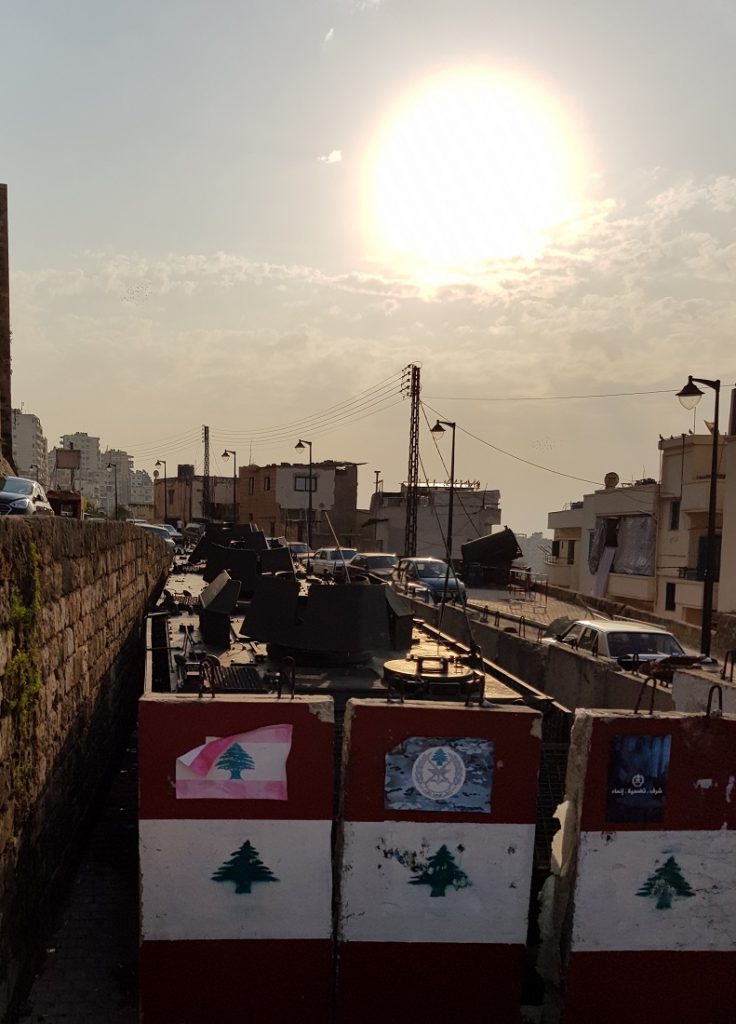
A city of contrasts, where the incompatible coexists. The Crusader fortress is propped up by several armored personnel carriers. Soldiers with M16s stroll along the ramparts. Amidst the Arabic script, signs in Russian appear, as if from another world, such as "Society of Soviet University Graduates."
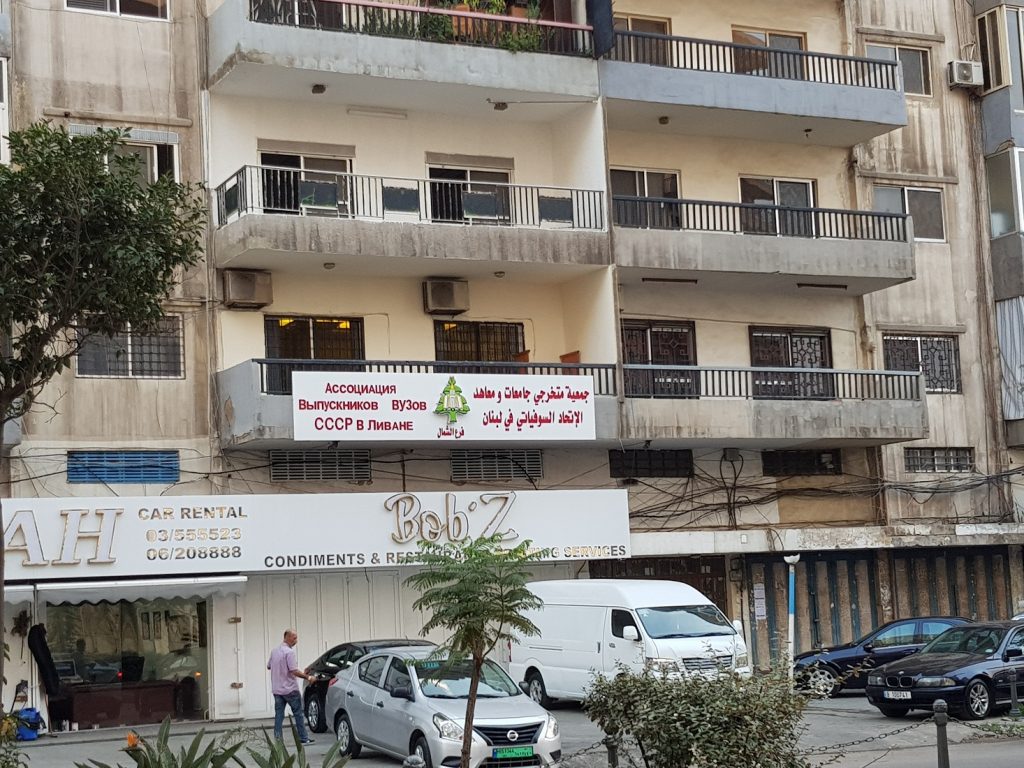
Cute, renovated houses, like Moscow rich kids at a rural disco, wedge themselves between broken-down, abandoned shacks that no one cares about. But the most powerful impression I got was from the mountain of trash in the center of town. At first, I thought it was a clothing market. But no, the Lebanese dump mountains of unwanted clothes on the banks of the river.
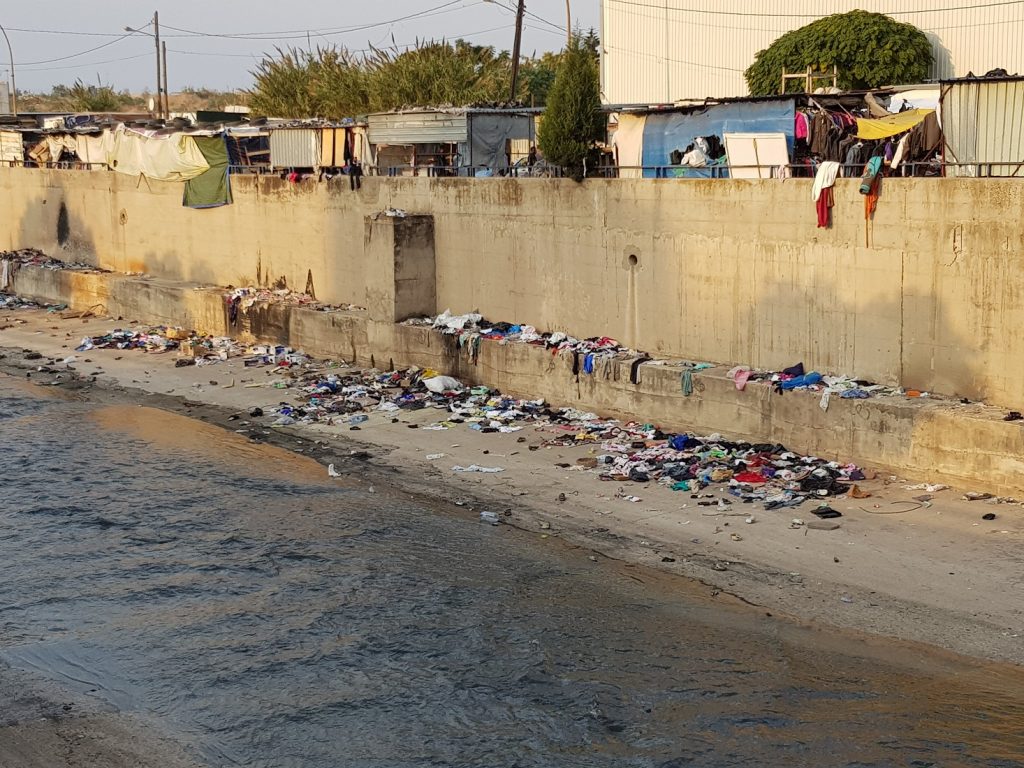
After that, it seems inappropriate to talk about the sights of Tripoli. Because you definitely won't get any more vivid emotions. Of course, there are many noteworthy sites there, although the city is young by Lebanese standards, being only 3,500 years old.
First and foremost, it is a Crusader fortress. It is iconic not only because of its excellent preservation, protected by armored personnel carriers, but also because Tripoli was one of the last strongholds of the Crusaders. Conquered by the Mamluks in 1289, it became a symbol of unfulfilled hopes for the liberation of the Holy Sepulcher.
Junia-Harisa-Jeta
Lebanon is rich not only in architecture and garbage. It also boasts some of the world's true natural wonders. For many, the Middle East is an endless desert with pitiful nomadic camels. Then you will surely be amazed by the riot of colors in the underground caves of Jeita.
The caves are a tunnel exit from an underground river—the main source of the Dog River (yes, such beauty and such a strange name). When visiting this stalactite and stalagmite reserve, your journey will begin with a boat ride on the lower tier of the river. These few minutes will definitely make you fall in love with Lebanon.
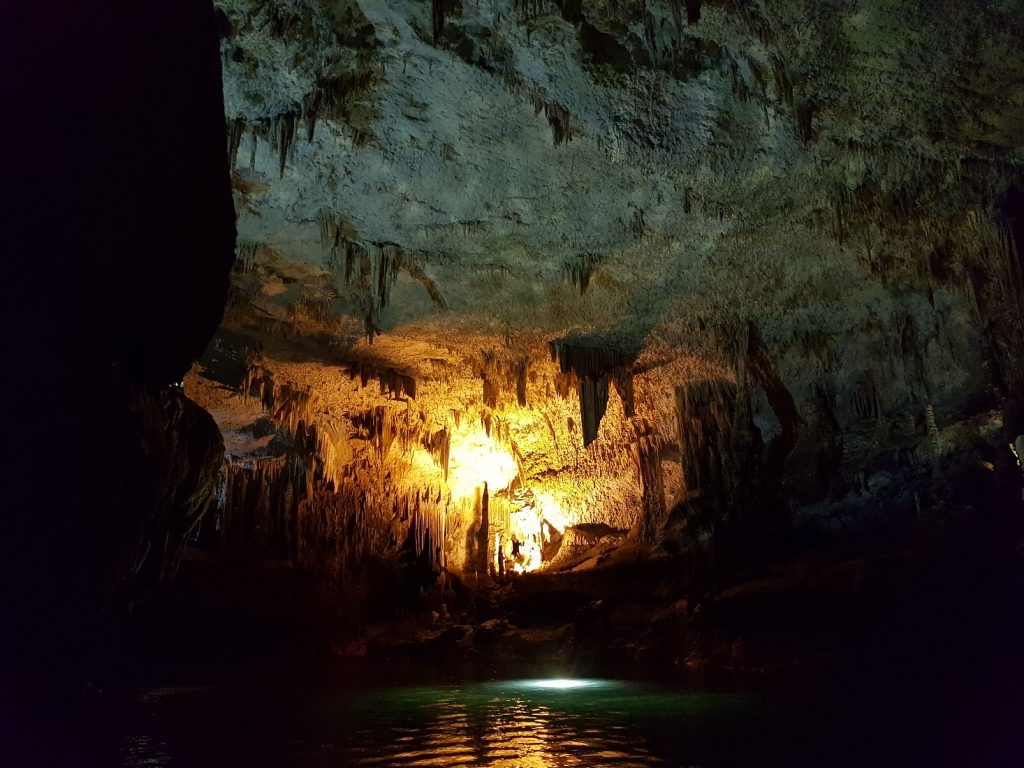
Well, then you'll have to walk through the upper tier of the caves on your own two feet. Enjoy the heady, unusual air, touch the thousand-year-old minerals, and try to secretly take photos of this wonder. Photography is prohibited in the caves, so I'm not encouraging you to do so.
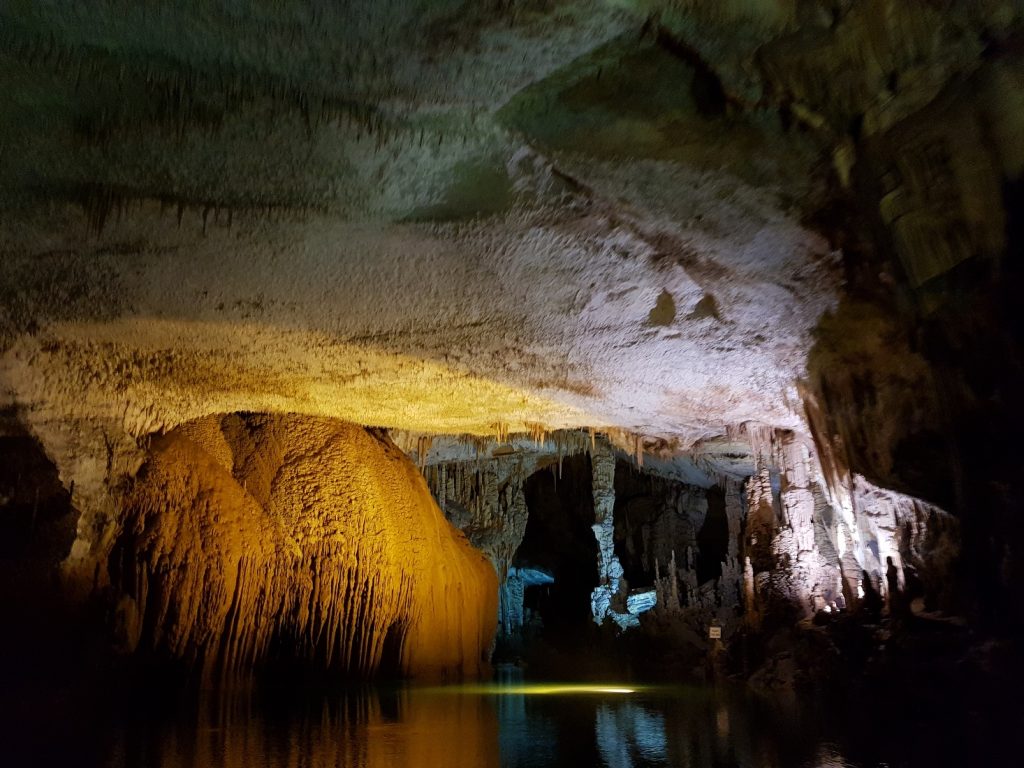
The cost of admission, like many things in Lebanon, is very reasonable—$10. And it will be one of the best investments you ever make.
Not far from this natural wonder is a man-made one. The statue of Our Lady of Lebanon, known locally as Harissa. This 20-meter symbol of Christian Lebanon was built in 1907 and features an observation deck with a church inside.
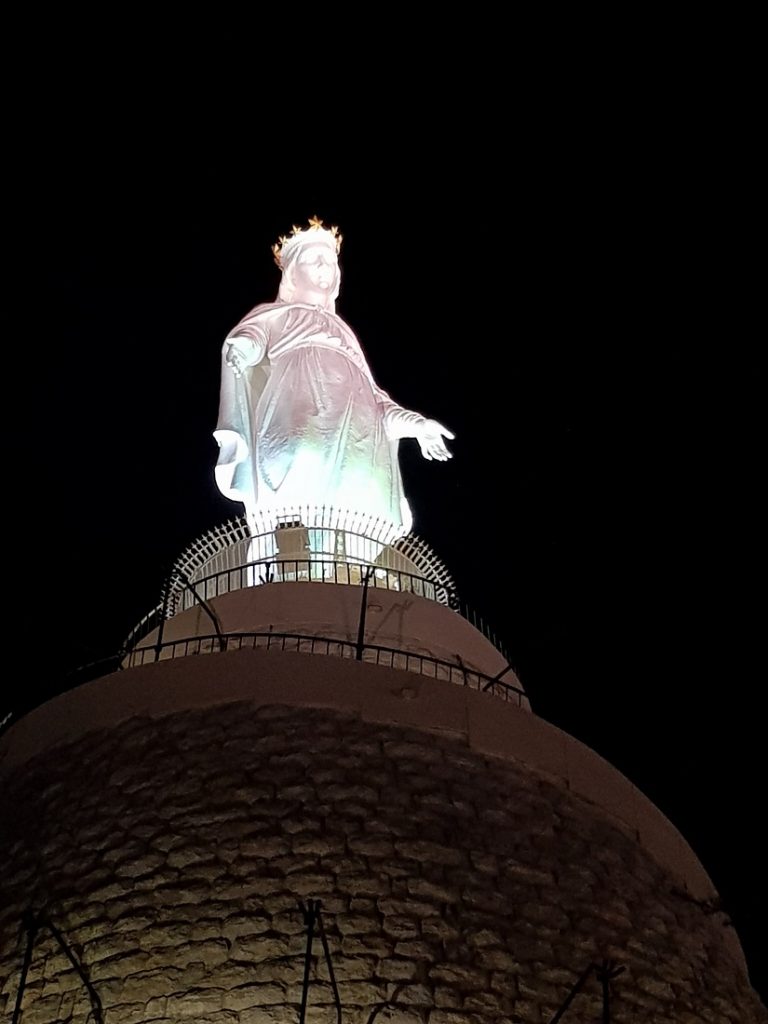
I highly recommend visiting the statue in the evening. Caressed by the sea breeze and inspired by the sanctity of the place, the impressions of the evening lights of Junia will be especially memorable. If you like souvenirs, this is the place to buy them. It is worth remembering that one of the symbols of the country is the Lebanese cedar, from which the Phoenicians made their legendary ships. "Promoted material" is very expensive, but it will truly convey the spirit and color of the country in souvenirs made from it.
Once you are on Harris Hill, it makes sense to visit another religious landmark—St. Paul's Cathedral. The church belongs to the Melkite Greek Catholic Church, a schismatic group that combines Western and Eastern rites of worship.
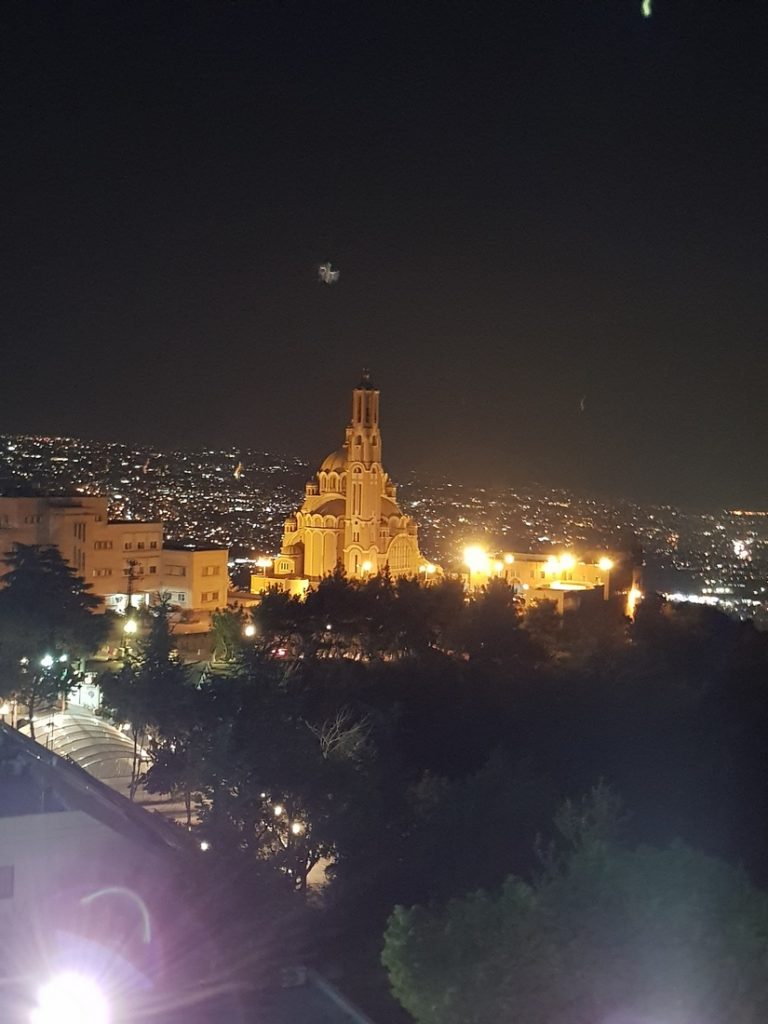
The interior of the church is similar. It appears to be a Roman-style church, but it also has Byzantine decorations. Incidentally, Junia has been visited by several popes. In 1997, it was visited by John Paul II, and in 2012 by Benedict XVI. Such interest in a town of 100,000 is not accidental. Junia is the capital of Lebanese Christians.
Beirut
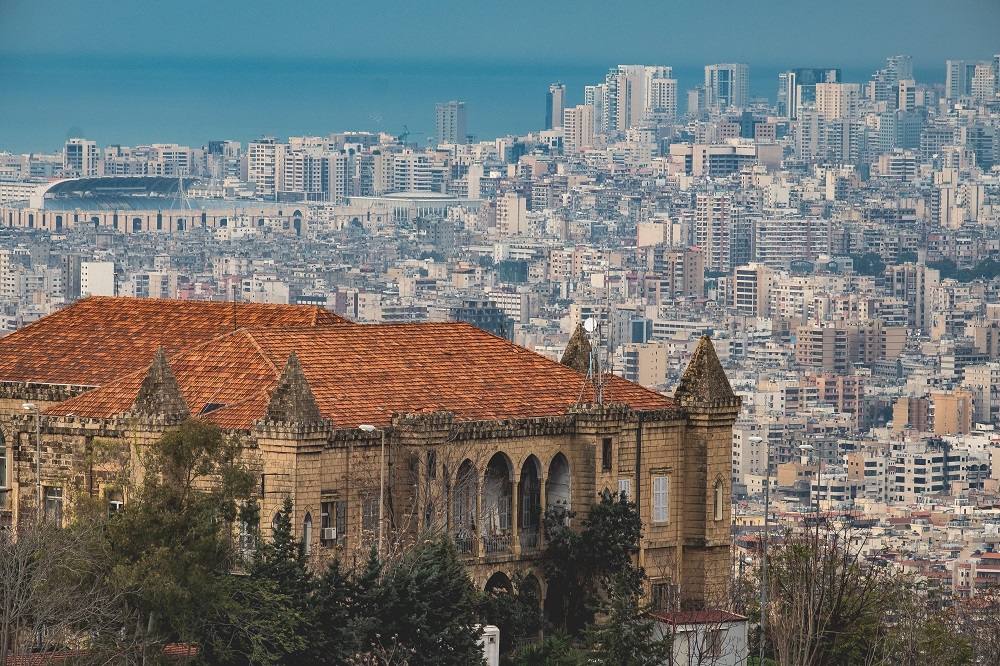
And, of course, Beirut. It is worth mentioning because you cannot possibly pass it by. All flights to Lebanon arrive here. Beirut is also an old city rich in architectural gems, primarily religious ones. There are churches and mosques here. Among the former are the Greek Orthodox Cathedral of St. George, the Church of St. Elias, and the Church of Saint Maron, with its slender towers reminiscent of mosque minarets.
Once you embark on the path of Islam, don't forget to visit the Muhammad Al-Amin Mosque (also known as the Hariri Mosque). This religious institution is quite young, having opened just 15 years ago. However, it almost immediately gained significant importance in the eyes of both locals and tourists. It is located near Martyrs' Square and the Presidential Palace. Lebanese people periodically gather to protest at both locations.
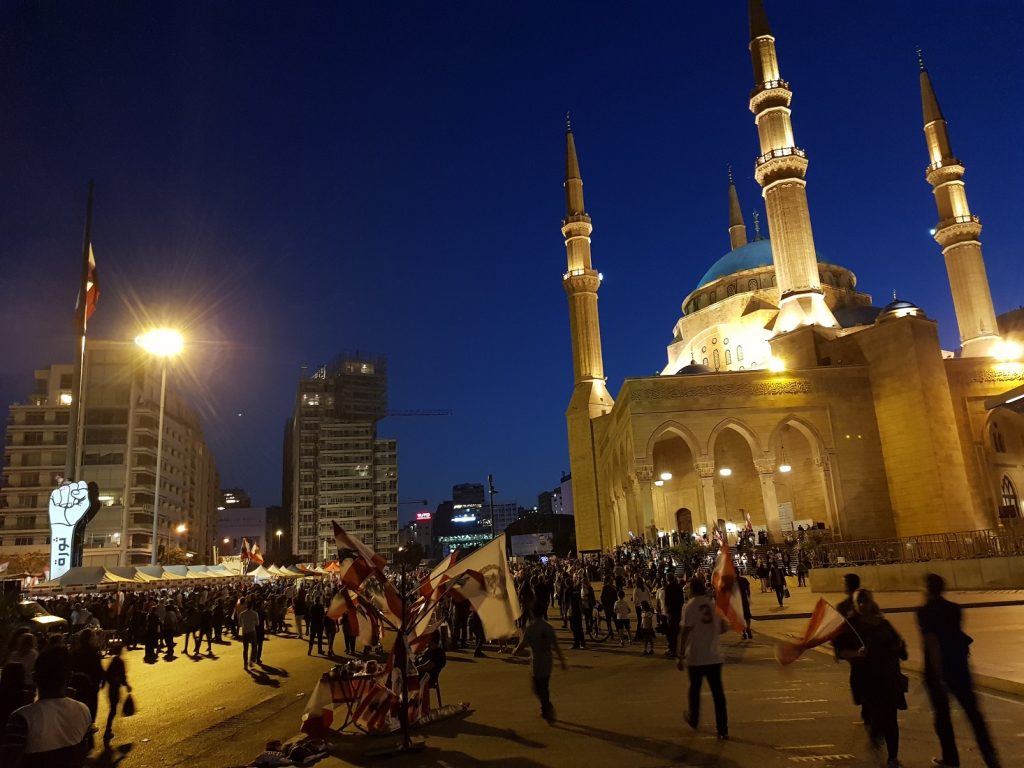
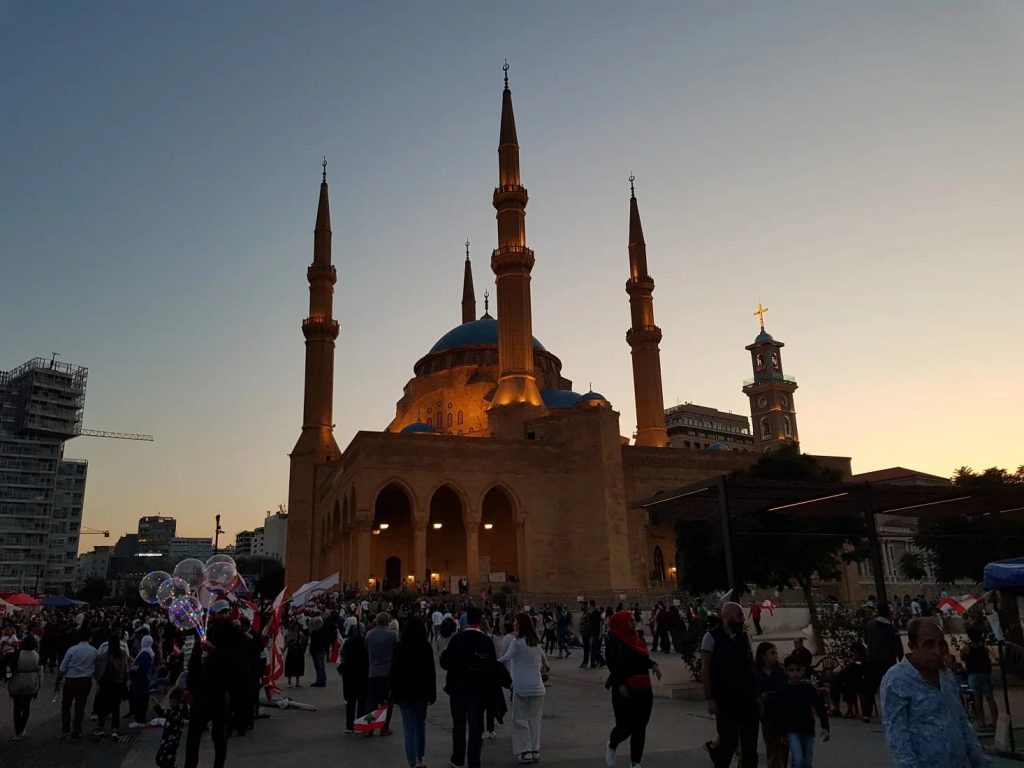
To see the azure arabesque dome and massive bronze chandeliers, as well as to touch the deep antiquity, visit the Al-Omari Mosque. It is considered one of the oldest buildings in the city. Once upon a time, a Roman temple dedicated to Jupiter stood on this site, and later a Byzantine church was built in its place.
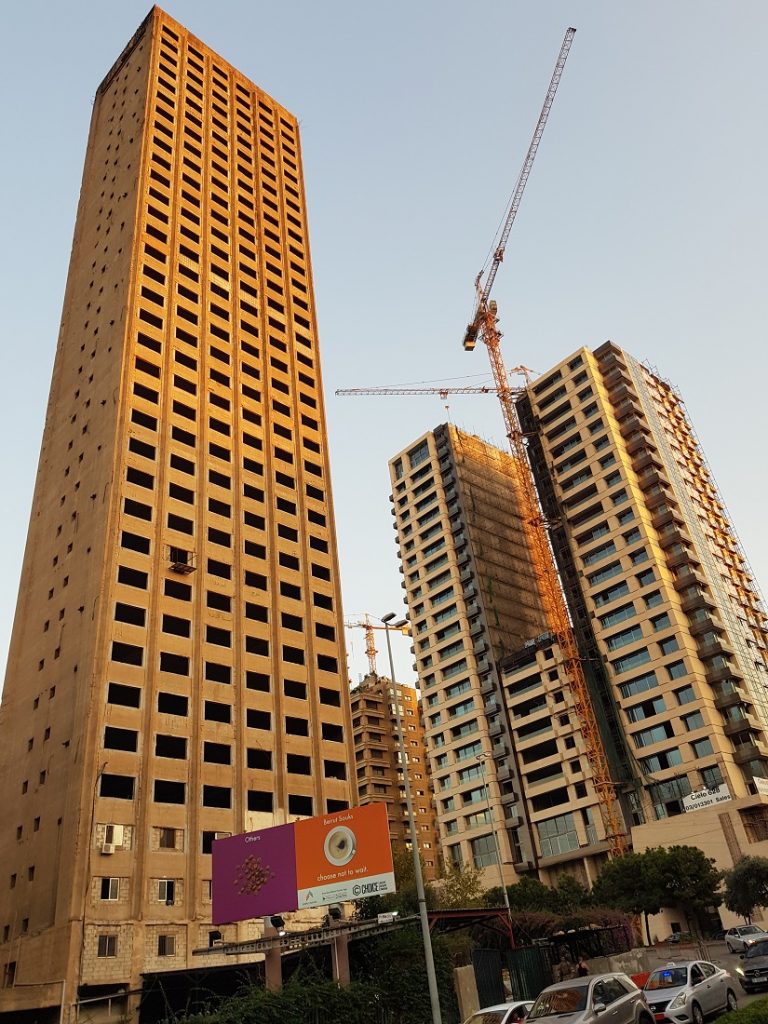
But Lebanon's capital isn't really about architecture. There are totally different things to add to your must-do list here.
- Take a walk along the promenade and decide for yourself whether the Lebanese are right not to want to swim in the Mediterranean Sea.
- Smoke a hookah, which is considered a national symbol in the country along with the Lebanese cedar. It is an inseparable companion for many locals, to the extent that I observed several Lebanese teenagers riding motorcycles and busily puffing on hookahs while on the move.
- Don't forget to visit local pastry shops, where the concept of "oriental sweets" will take on a whole new meaning.
- And allow yourself a glass of local wine in the evening. To drive your social media followers to despair, I recommend trying blue Lebanese wine.
Of course, this modest list of the beauty of small but proud Lebanon is not exhaustive. There are other beautiful natural locations. For example, the Horsh Arz el-Rab and Shouf nature reserves. History lovers should add another ancient Phoenician city to their list — Sidon (Saida).
Those who love history spiced with extreme experiences should definitely visit Tyre (Syr), located in the south of the country. It is in the very south, so close to Israel, which is more familiar to us, but where the radical organization Hezbollah, recognized as terrorist in many Western countries, makes its presence felt from time to time.
That's Lebanon for you. Choleric and melancholic, charming and frightening, but always captivating.