Paris is awe-inspiring and exciting for me, although my love for this city did not come from my first trip. On that visit, I lost my purse with my passport and was very stressed. Some time later, I decided to give Paris another chance - that's when the medjik happened.
The capital of France is luxurious and rich in sights. Over the weekend, you can see only the main ones. I've compiled a convenient walking route around Paris for two days, which will guide you through the top locations and tell their story. Start your first morning in Paris with a croissant and a cup of coffee - and off you go!
What to see in Paris on your first day?
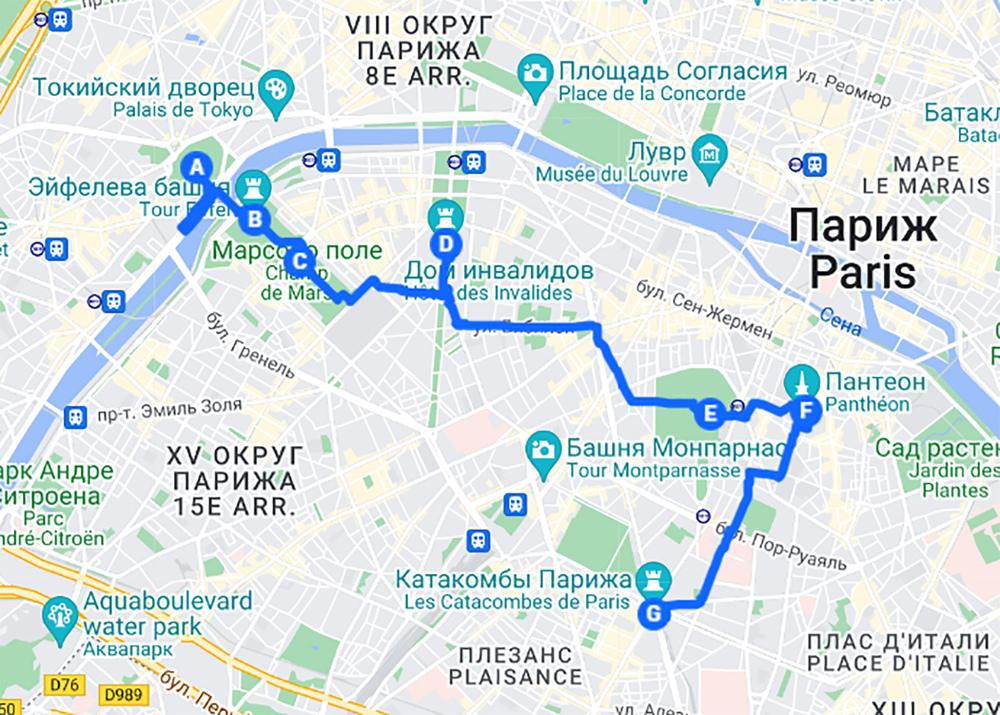
Personally, it was extremely important for me to see the Eiffel Tower. So let's start this Paris itinerary with it. Then we will walk along the main sights on the right bank of the Seine and reach the Paris catacombs. And in the evening you can take a romantic ride on the river streetcar. Guide to Paris, where you can find everything you need to visit in Paris. But note that Belarusians will need a visa, which can be done with the help of a visa agency. In general, see Paris in 2 days and do not die! And also take into account that any of the days we can take as a basis of the route around Paris for 1 day.
A. Place du Trocadéro
You can take the metro to the starting point of our itinerary. The station is called Trocadéro.
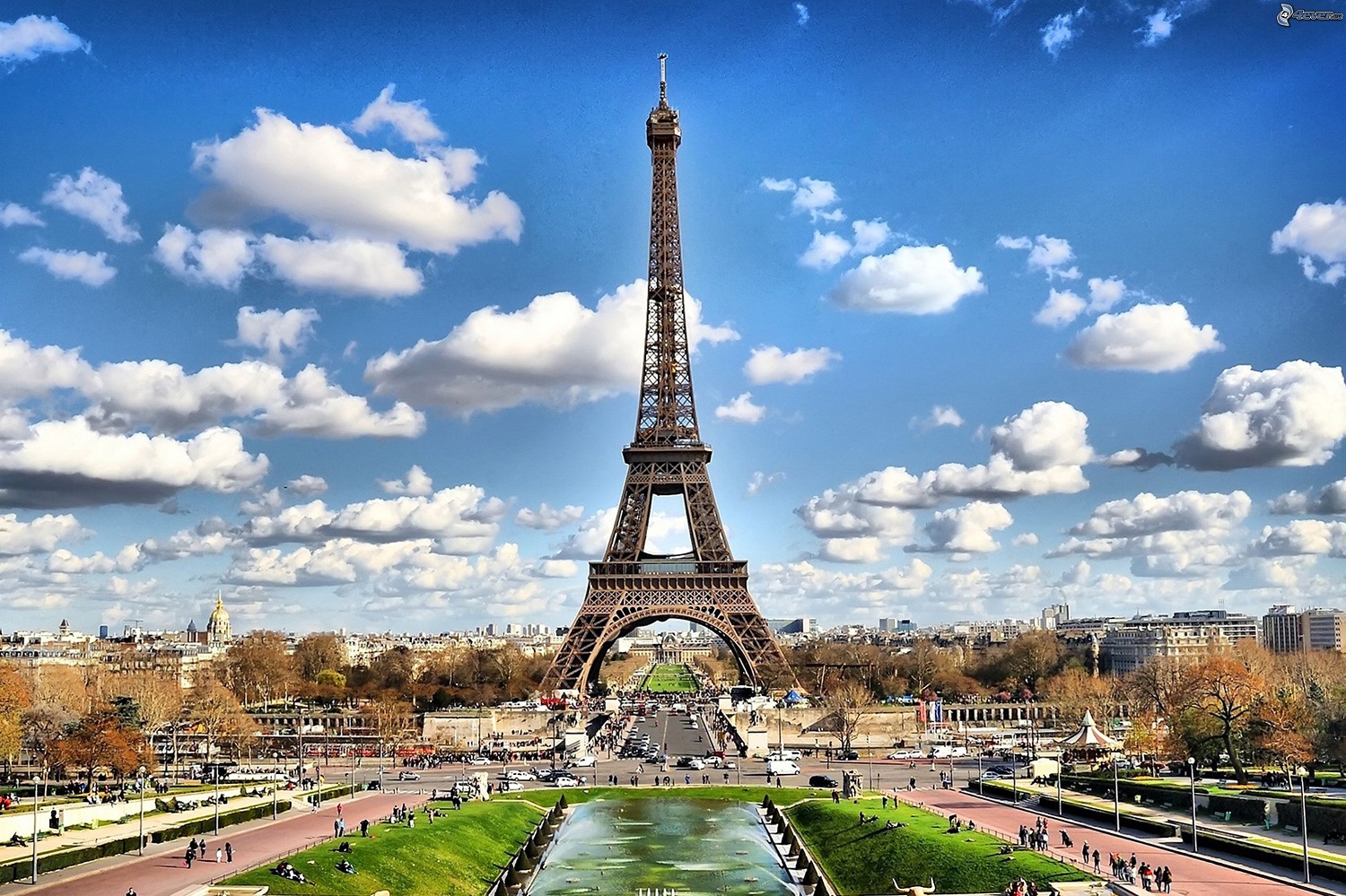
This square has a great view of the pearl of Paris. Sit down on the parapet and take a cool photo of just you and the Eiffel Tower. From here you can also admire the Trocadero Gardens, the main attraction of which is the De Varsovy Fountain.
B. Eiffel Tower
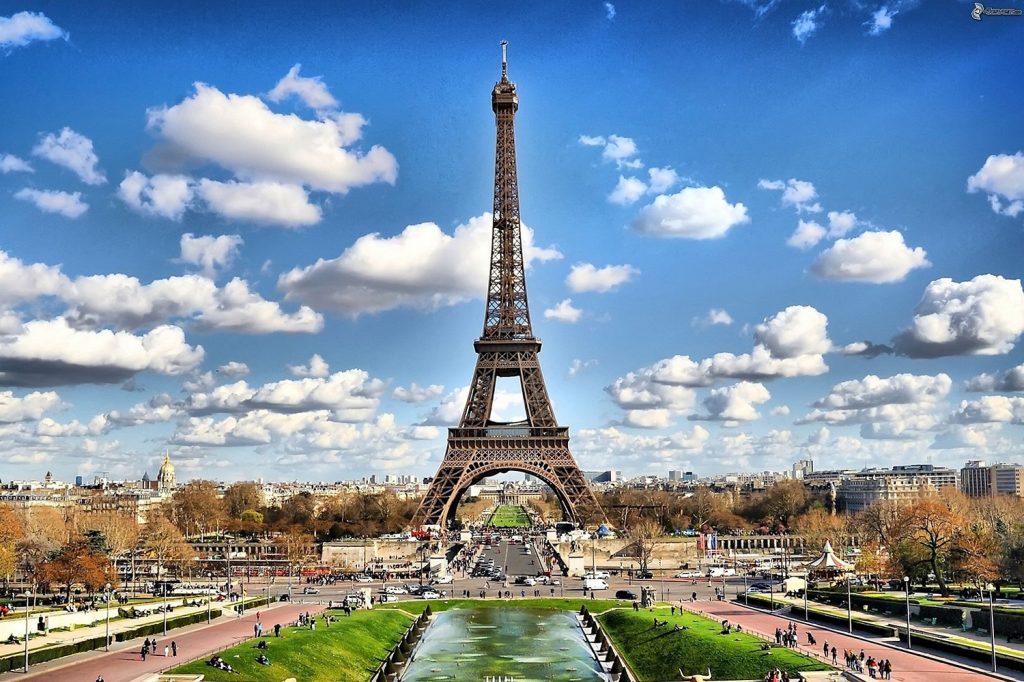
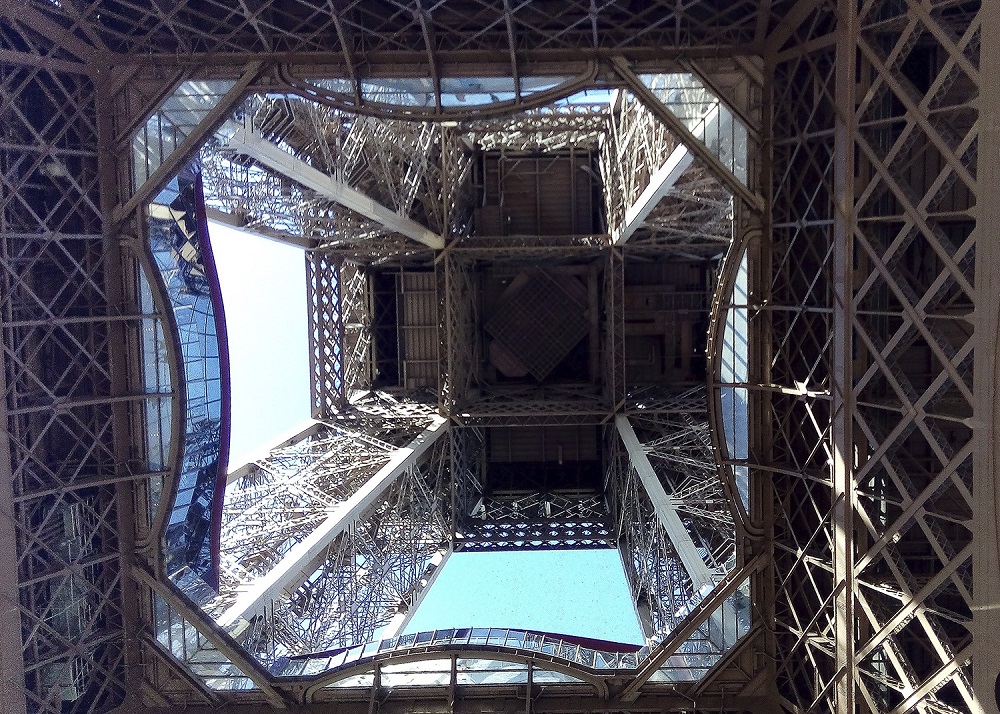
Now we come down to Gustave Eiffel's most famous work. The 324-meter tower is the tallest structure in the city. It was erected at the end of the 19th century. This miracle was not immediately liked by Parisians. But eventually the Eiffel Tower became one of the most popular objects in the world - it is visited by about 7 million people a year.
Inside the tower there are several observation decks and a café. This complex structure can accommodate up to 10,000 people at a time. Entrance to the top floor by elevator costs about 28 euros. Purchase tickets tickets in advance, because you will be stuck here for a long time - the queues at the ticket office and on the lift can take more than an hour.
C. Champ de Mars
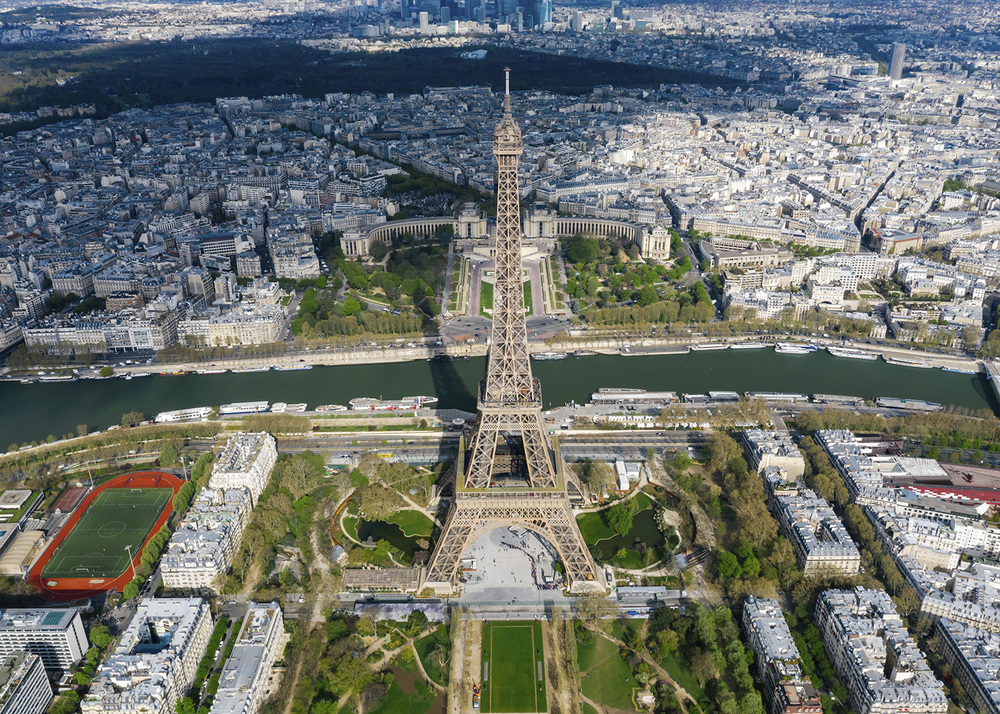
Having a picnic on the grass overlooking the Eiffel Tower is one of the favorite pastimes of tourists. I, by the way, couldn't resist either, took a coffee and baguette and joined the other vacationers.
The park at the foot of the main Parisian landmark is called the Champ de Mars because it is dedicated to the god of war. It used to be a parade ground where military parades and patriotic festivities were held.
D. Home for the Disabled
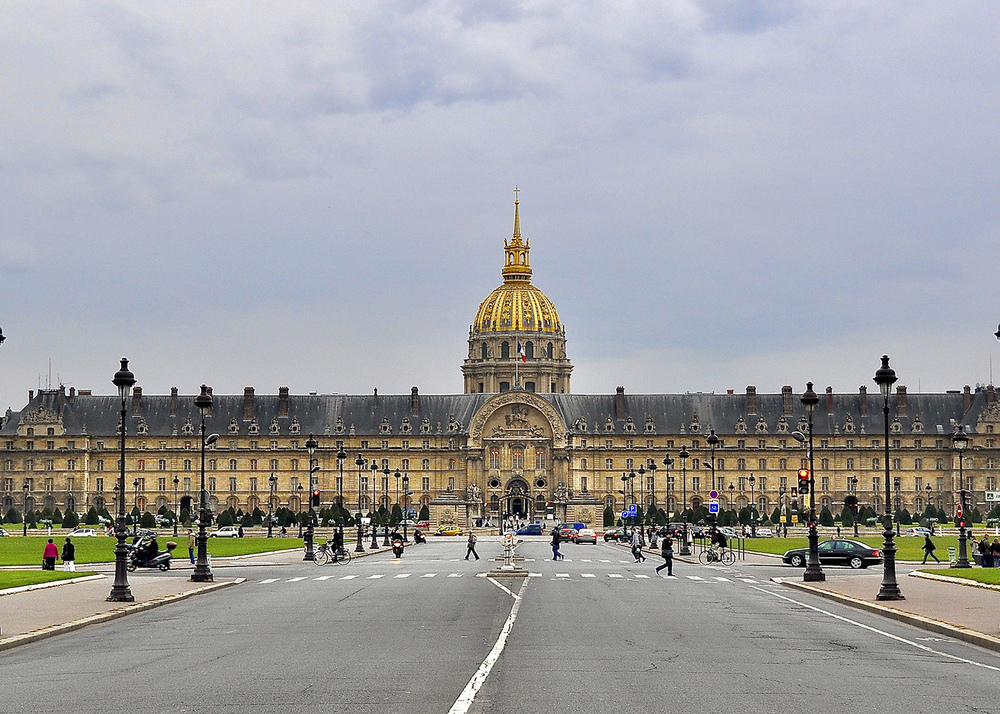
This majestic building was built at the end of the 17th century. At that time, it served as a hospital and a shelter for war invalids. It is worth noting: army veterans and social services still live here. But most of the premises are given to the Army Museum and several other exhibitions on military themes. The House of Invalids also houses the tombs of French heroes and the tomb of Napoleon himself.
Entrance to the museum is 15 euros. You can buy a ticket here.
E. Luxembourg Gardens
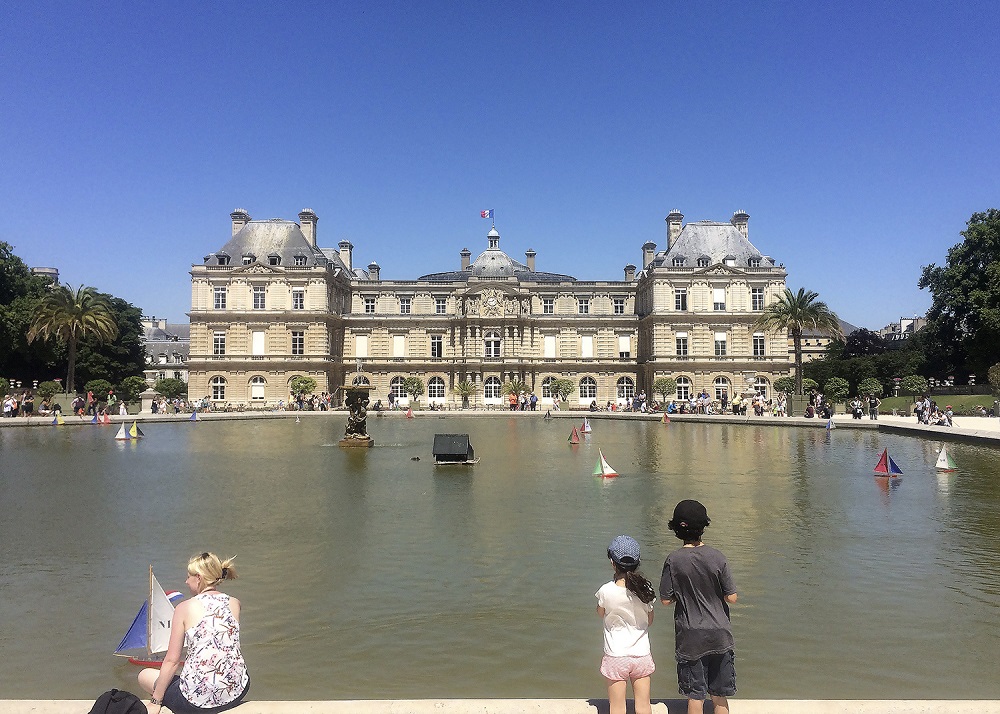
Take a leisurely stroll through the streets of Paris and head towards the Luxembourg Gardens. Next to it is the Latin Quarter, where several prestigious universities are located. In the garden you can meet a lot of students, so the territory of the park of the 17th century was well modernized: there are many play and sports areas. Near the fountain at the Luxembourg Palace, sitting down on an elegant chair, you can watch children launching paper boats. Romance!
F. Pantheon
Passing by the Sorbonne University, you will find yourself at another important landmark, the Pantheon. It was built in the 18th century as a temple to St. Genevieve, the patroness of Paris. But in the end, the structure became a tomb for world-famous Frenchmen: Voltaire, Jean-Jacques Rousseau, Victor Hugo - about 50 celebrities are buried here. The architecture of the Pantheon is majestic and impressive. In the center there is a Foucault pendulum demonstrating the daily rotation of the earth.
You can get inside for 11.50 euros. If you want to enjoy the view of Parisian rooftops and the Eiffel Tower, you have to pay an extra €3.50 to climb to the dome of the temple. You can buy tickets here link.
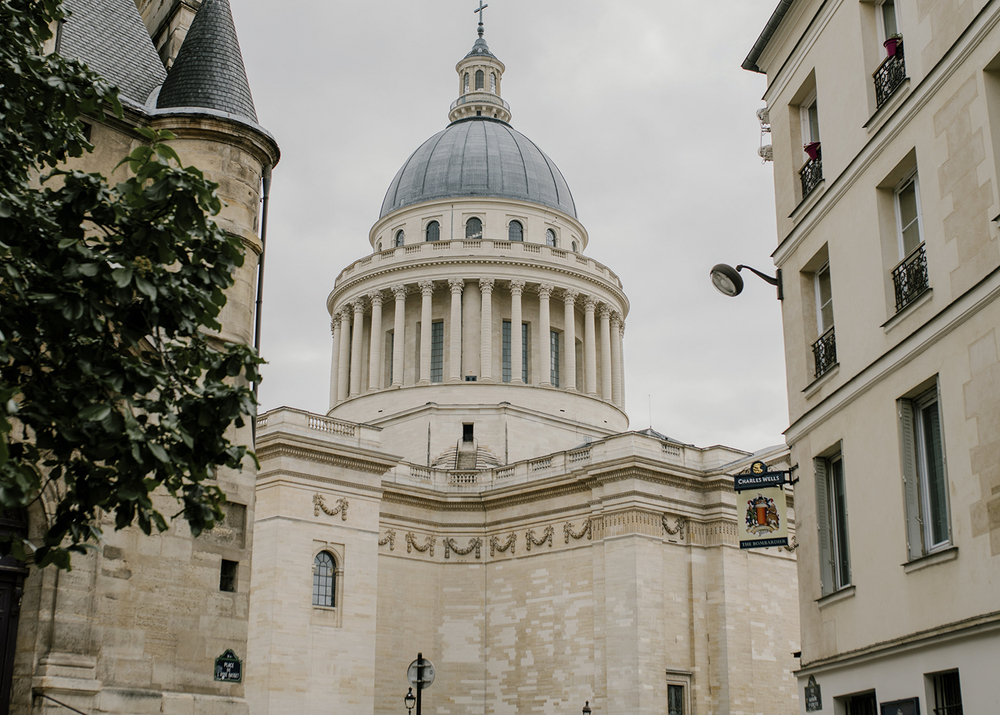
At this point you have traveled more than 6 km. The next point is still 2 km away. If you want to save your energy, you can take the bus or the metro. You don't need to download any additional transportation software, you can simply plot the route in Google Maps to the Denfert-Rochereau stop.
G. Catacombs of Paris
You like to get your nerves rattled? Then this is the next location for you. My hair was standing on end.
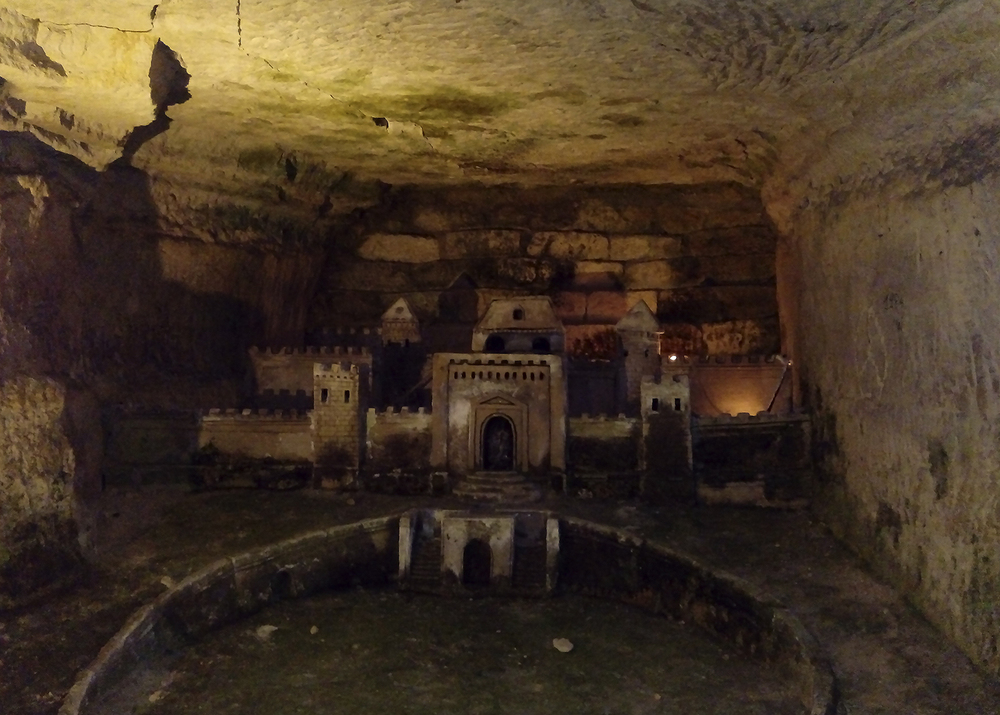
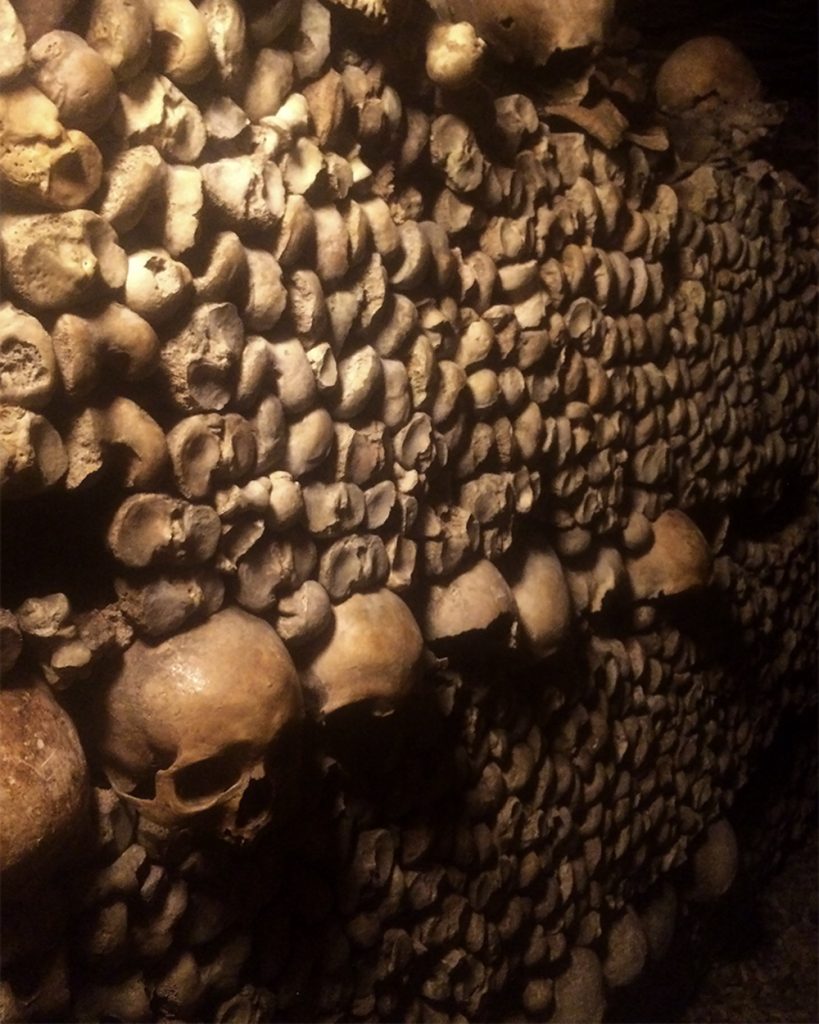
At the end of the 18th century, some of the Paris cemeteries were closed. People had to be buried somewhere, so they decided to use the catacombs. In the tunnels of ancient quarries, at a depth of 20 meters, more than 6 million people were buried. There are 2.5 kilometers of underground paths available for tourists. On some walls you will see bas-reliefs, along the rest neatly stacked bones and skulls.
It's best to buy tickets to the catacombs in advance.. Visitors are allowed in on a time basis, so there is a chance that there will be no vacant windows when you arrive. The cost of a visit is 29 euros.
Paris is considered to be the most romantic city in the world. It's time to feel it! You need to get to one of the river stations. They have them at the Eiffel Tower, at the Quai Montebello and at the Isle de la Cité. The Cité metro station is a pretty convenient point relative to the Catacombs of Paris.
A cruise on the Seine
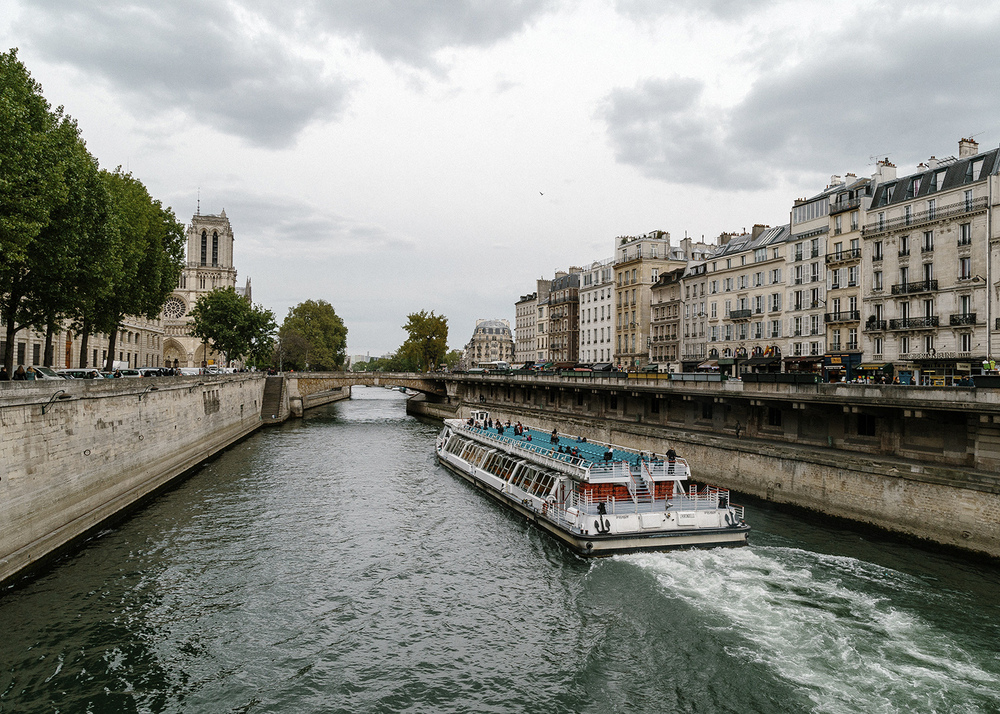
It would be great if by the time you walk along the Seine, dusk has arrived in the city. This is when Paris becomes particularly enchanting. For the first 5 minutes of every hour, the Eiffel Tower is covered in a million little lights. Other sights along the river are also beautifully lit up in the evening. Take an audio guide and listen to the tour - it will familiarize you with Paris even closer. The cost of an hour cruise is about 20 euros. There are liners where dinner is included in the program - a trip on such liners, of course, will cost more.
What to see in Paris on the second day?
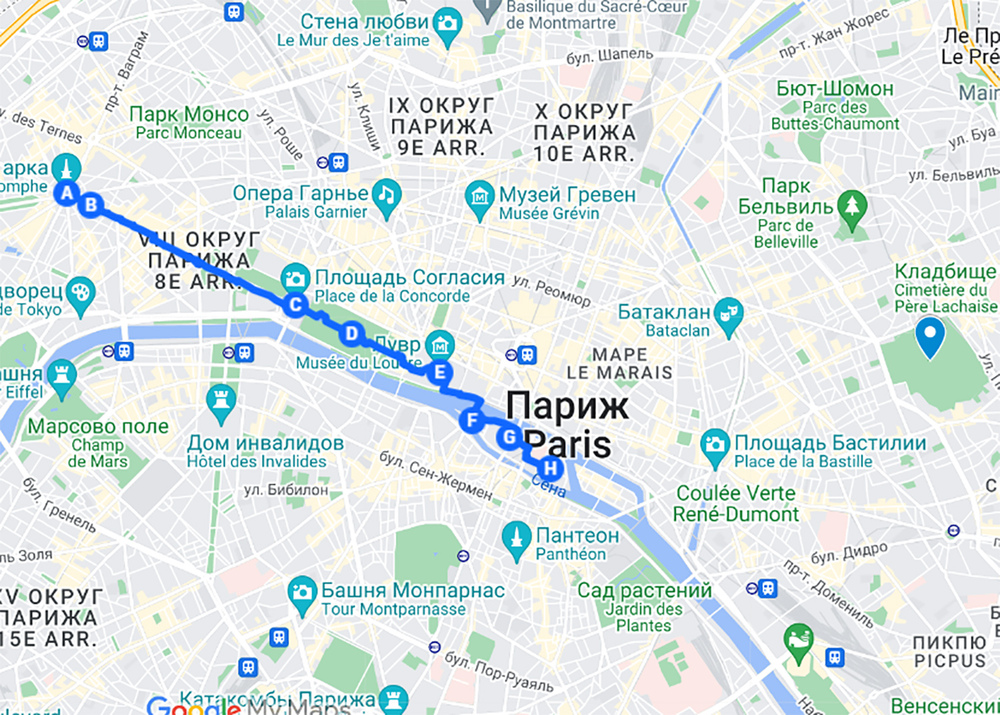
В этот день вас ждет не менее насыщенная и захватывающая программа. Сначала предлагаю пройтись от Триумфальной арки до Нотр-Дам-де-Пари. Потом заглянуть на знаменитое Парижское кладбище. Это место — один из самых больших музеев надгробной скульптуры в мире. А вечером прогуляться по уютному Монмартру. Считайте, что уже есть готовый тур в Париж. Но учтите, что если самостоятельно не хочется заниматься организацией, то специалисты TravelHub возьмут на себя эту задачу.
There are several metro stations and bus stops near the Arc de Triomphe - choose the most convenient one for you. The next 5 km will be on foot.
A. Arc de Triomphe
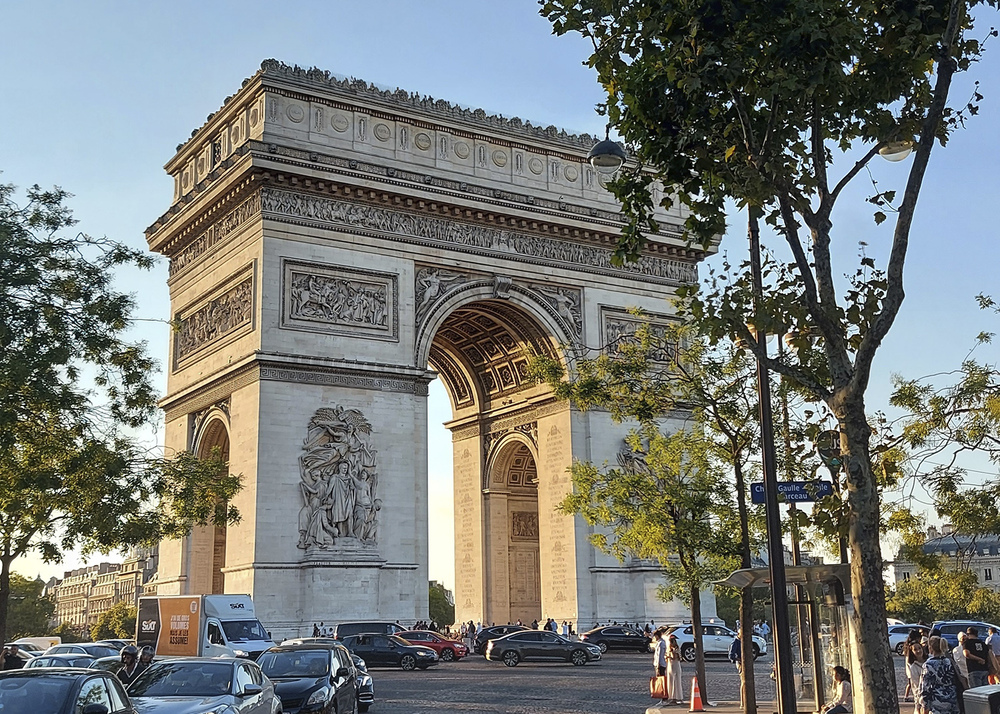
Napoleon decided to erect this structure in honor of his victories. For 30 years, craftsmen worked on the Arch - the architectural work turned out to be almost 50 meters high and 45 wide. The area of the walls was enough to list all the battles won by the French army, as well as to record the names of the commanders under whose leadership it was possible to achieve triumphs. On the Arch you will see four sculptures and six bas-reliefs telling about important events of Bonaparte's reign.
For 13 euros, you can take a look inside the landmark. It houses a museum dedicated to its construction. There is also a chance to go upstairs and admire Paris from a new angle. To find out the opening hours of the Arc de Triomphe and to buy an entrance ticket, please visit . herehere.
B. Champs-Élysées
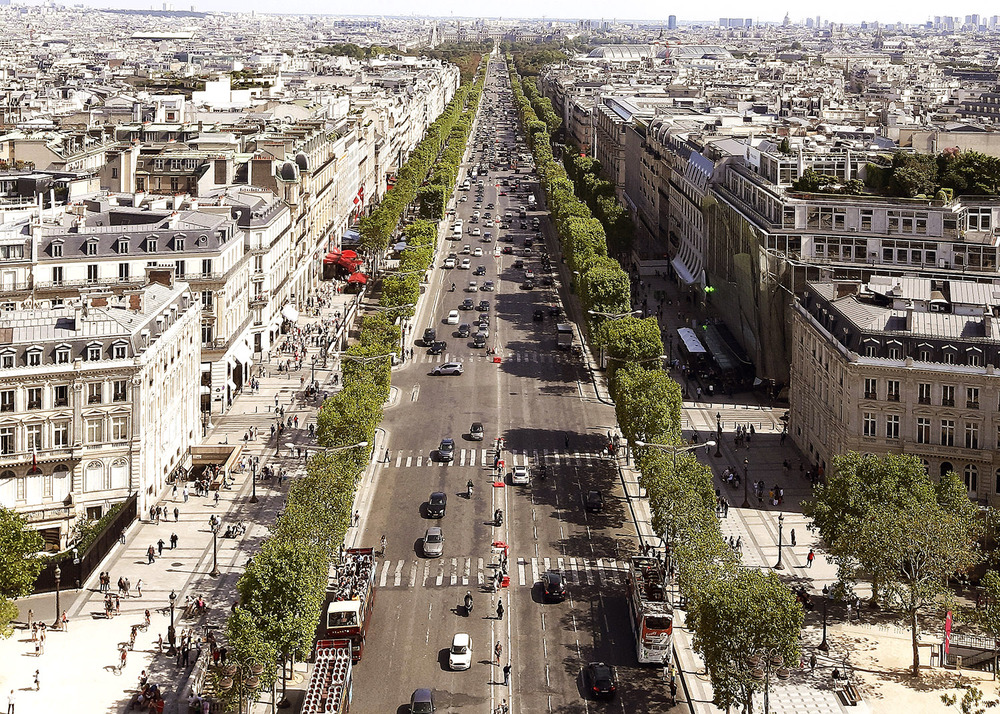
When I heard that phrase, I imagined a park area. But no. It's a busy avenue with boutiques, offices and restaurants. The only thing that's park-like here are the rows of trees along the sidewalks. Although at the other end of the street there are the gardens of the Champs Elysees - there is a lot of greenery there. But let's return to the avenue. Its spaciousness is impressive: the width of the street is 71 meters, its length is 2 km. Nowadays all the main republican parades are held on the Champs Elysees.
C. Place de la Concorde
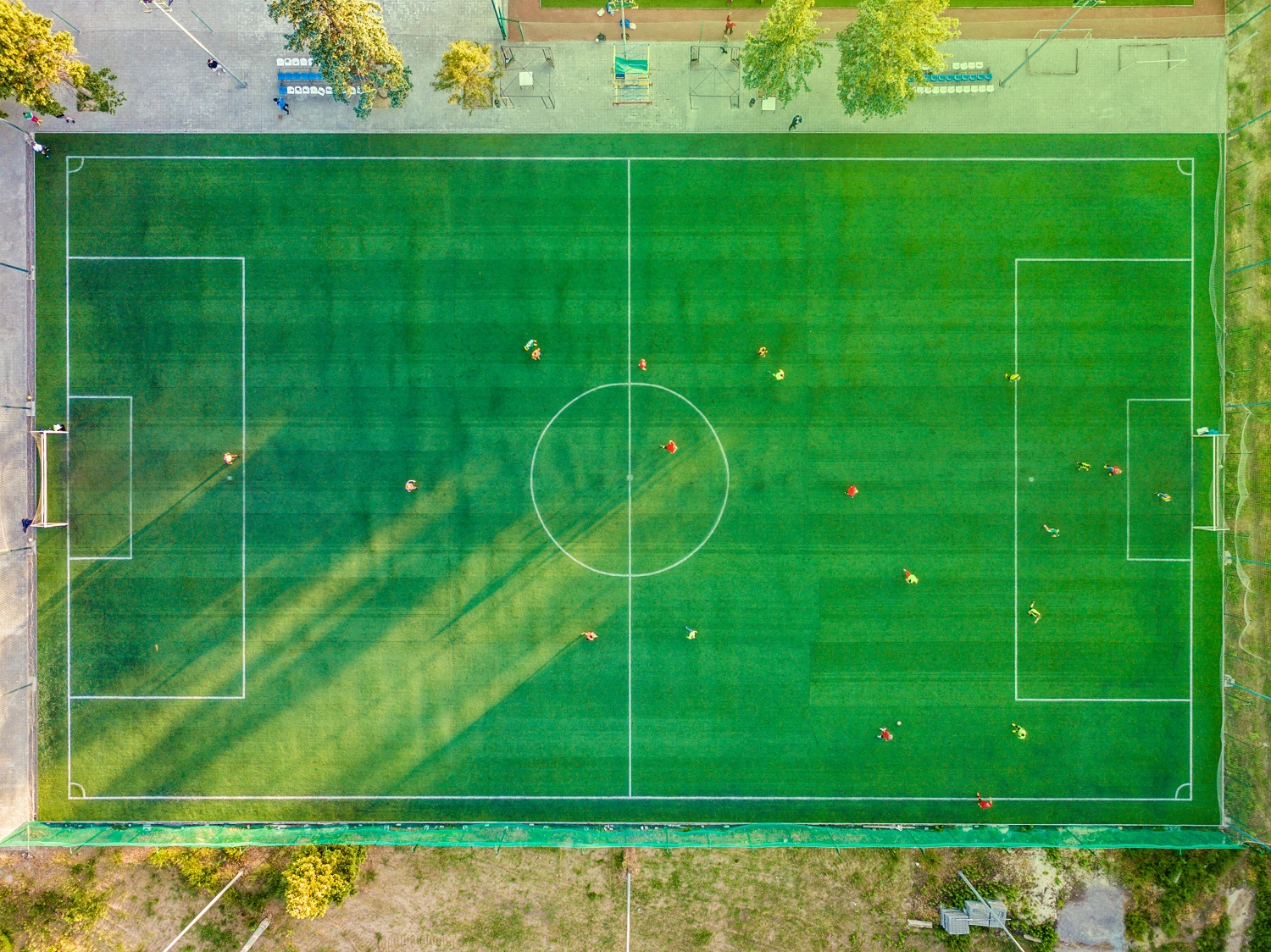
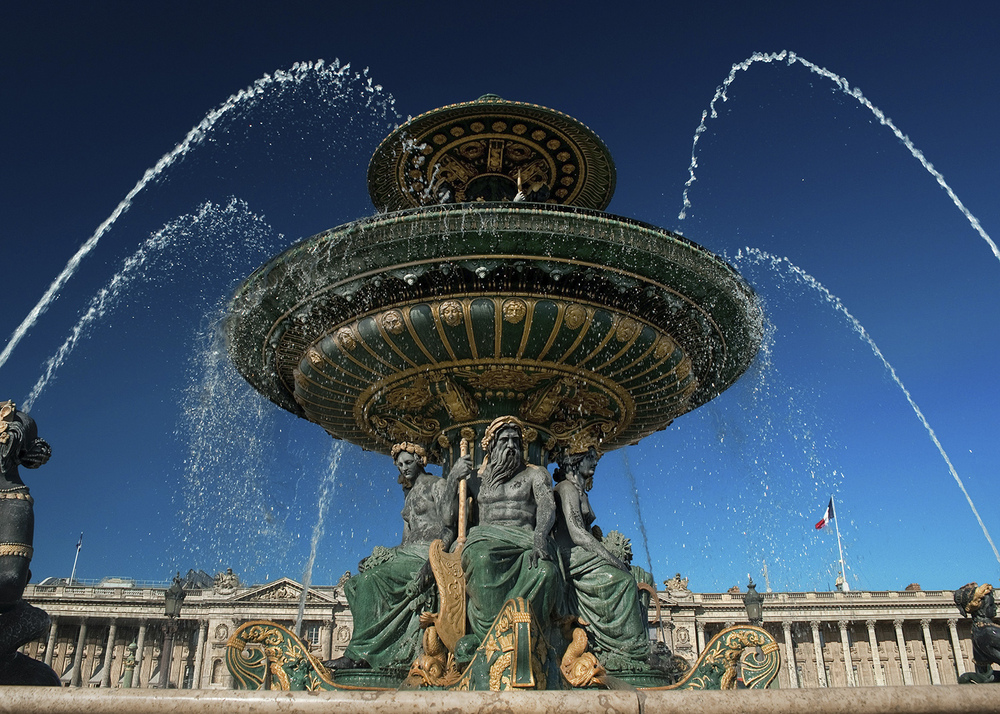
The Champs-Élysées rests on the Place de la Concorde. The octagonal square, like the Champs, was created in the 17th century. Initially, the square was named after Louis XV, and in its center there was a monument to the king. During the revolution in the 18th century, the monument was demolished, and the Statue of Liberty was erected in its place. The guillotine, on which more than a thousand people were executed, including Louis XVI and Marie Antoinette, was placed nearby.
Five years after those events, the French agreed among themselves on the vector of the country's development and renamed this square into the Place de la Concorde. The 23-meter obelisk appeared here in the 19th century - it was a gift from the Egyptian king. Fountains decorated with sculptures of sea and river mythical characters were built on both sides of the stella. The statues placed in the corners of the square symbolize the largest cities of France.
D. Jardin des Tuileries
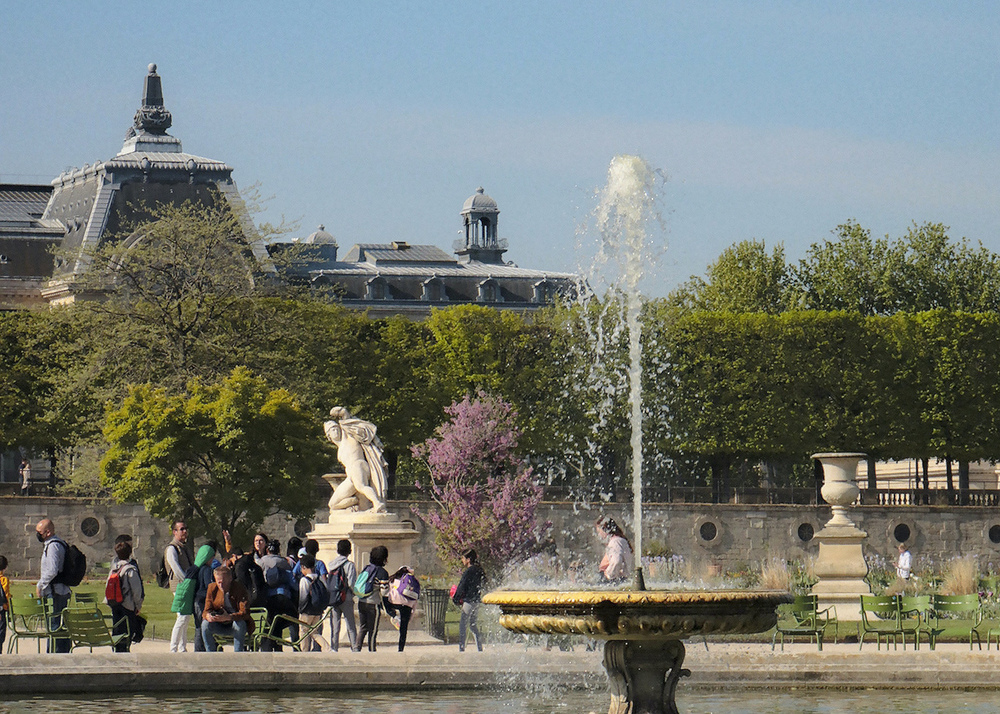
The thing about Paris is its distinct layout. The Tuileries Garden is no exception. Paths, plantings, fountains - everything in it is geometrically calibrated. The park is located in the center of the city, but on its 25 hectares you will find a quiet corner to take a break from the crowded Paris. Strolling along the alleys, you can look at sculptures of famous French masters - some were installed in the 18th century, some in the 20th.
E. Louvre
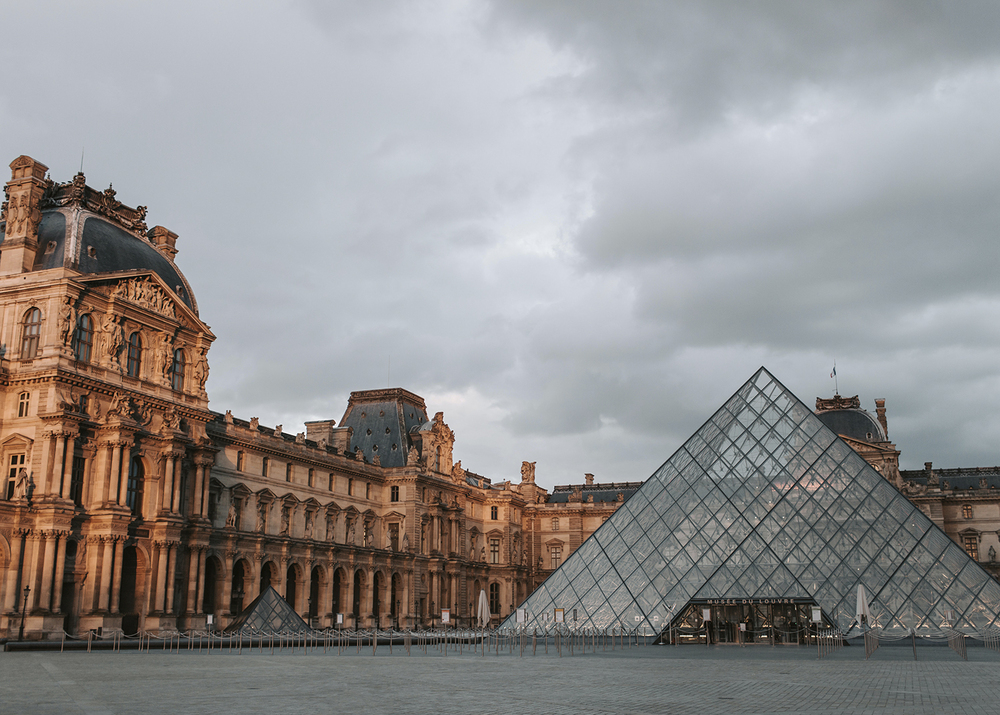
The Jardin des Tuileries flows into the Jardin Carrousel. Once you pass it, you will find yourself at the Louvre. On the site of the present palace there was a fortress in the 12th century. Two centuries later the castle was used as a royal residence. At the end of the 18th century, the Louvre was turned into a museum. The pyramid on the square appeared in 1989 during the modernization of the palace. It became the main entrance to the gallery, able to allow a greater flow of visitors. But, keep in mind, the museum also has an additional entrance - sometimes there is a smaller queue.
The Louvre has more than 30 thousand exhibits. There is the Venus of Milos, Nika of Samothrace, and the Mona Lisa. In the halls of the gallery there are art objects from antiquity to the middle of the 19th century. More recent collections can be found at the Musée d'Orsay. You'll need at least two days to see the entire Louvre exhibition. So decide in advance what you want to see, or postpone your visit until next time. You can book your visit and buy a ticket only online. The cost of the visit is 17 euros.
F. Pont-Neuf
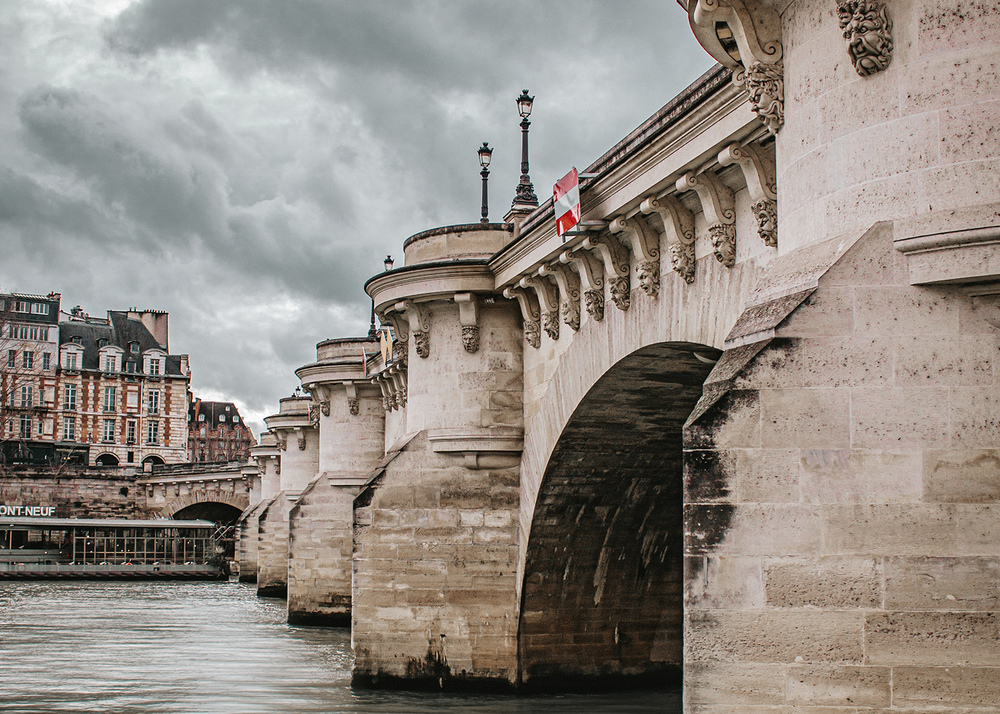
There are nine bridges leading to the Isle of Cité. The Pont Neuf, although it translates as "New Bridge", is the oldest in Paris. It was built in the early 17th century in just three years, because the work was supervised by the king himself. That's why there is a statue of Henry IV on the nose of Cité Island. According to the idea, the bridge was to be used not only by wagons and people, but also by shops with goods.
G. Conciergerie
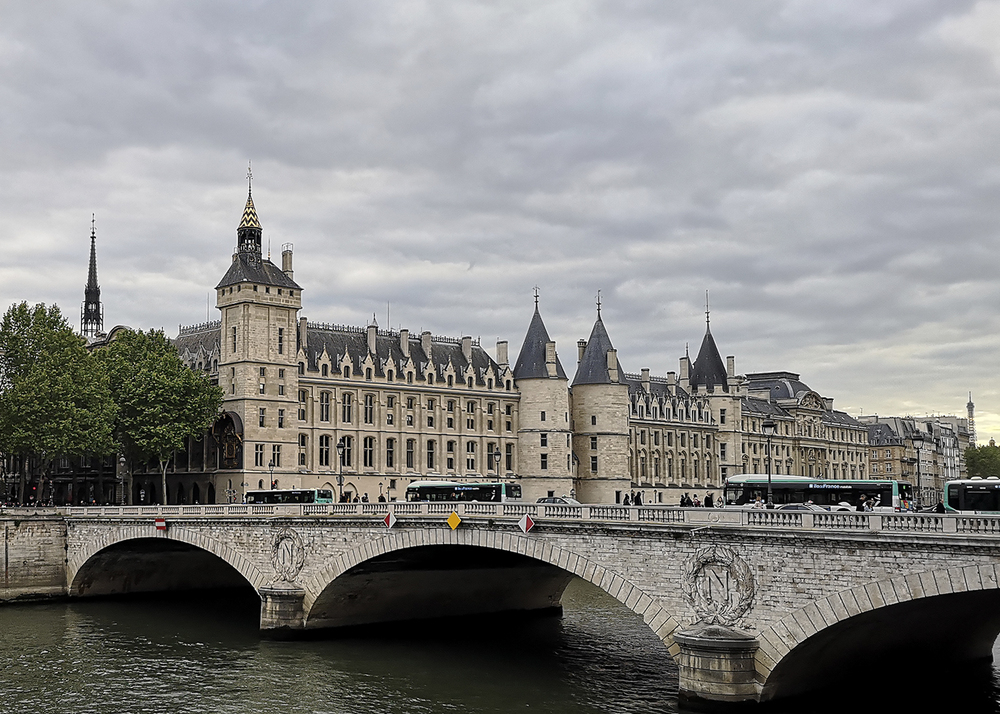
One of the iconic sights of Cité is the Conciergerie. This castle has been around since the 6th century. It was once used both as a residence and as the king's administration. And in the 14th century, the palace was turned into a prison. People were imprisoned here for various crimes. The conditions of stay were determined not by the level of severity of the crime, but by the financial status of the prisoner and his connections. Some paid for a room with a bed and a table. The poor slept on the floor in unsanitary conditions.
A ticket to the Conciergerie costs €11.50. You can buy it here.
H. Notre Dame de Paris
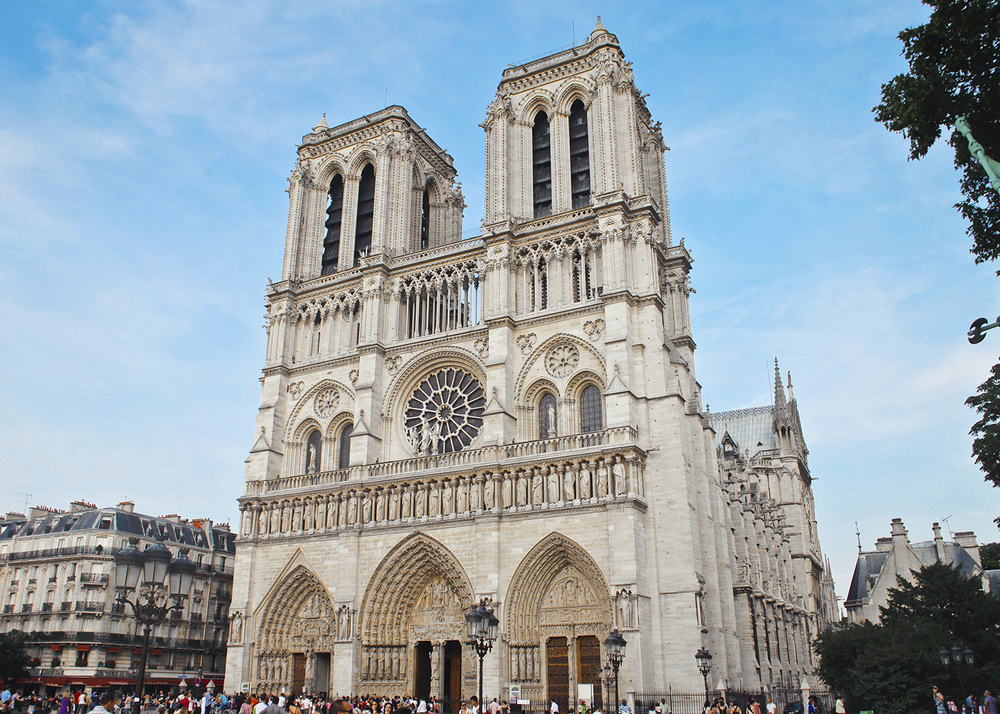
I was lucky enough to visit the inside of this temple before the fire. Its reconstruction is promised to be completed next year. And even though now you will not be able to see the crown of thorns, the nail and part of the cross on which Jesus was crucified. But you will be able to enjoy the appearance of the Cathedral of Our Lady of Paris. The exterior arches, roses and stained glass windows, gargoyles and sculptures are amazing. This Gothic temple was begun in the 12th century and finished in the 14th. Emperors were crowned here and important people were buried here. Walk around Notre Dame to get a better look at this work of art.
The next location is about 4 km away. Gambetta station can be reached by metro or bus.
Père Lachaise Cemetery
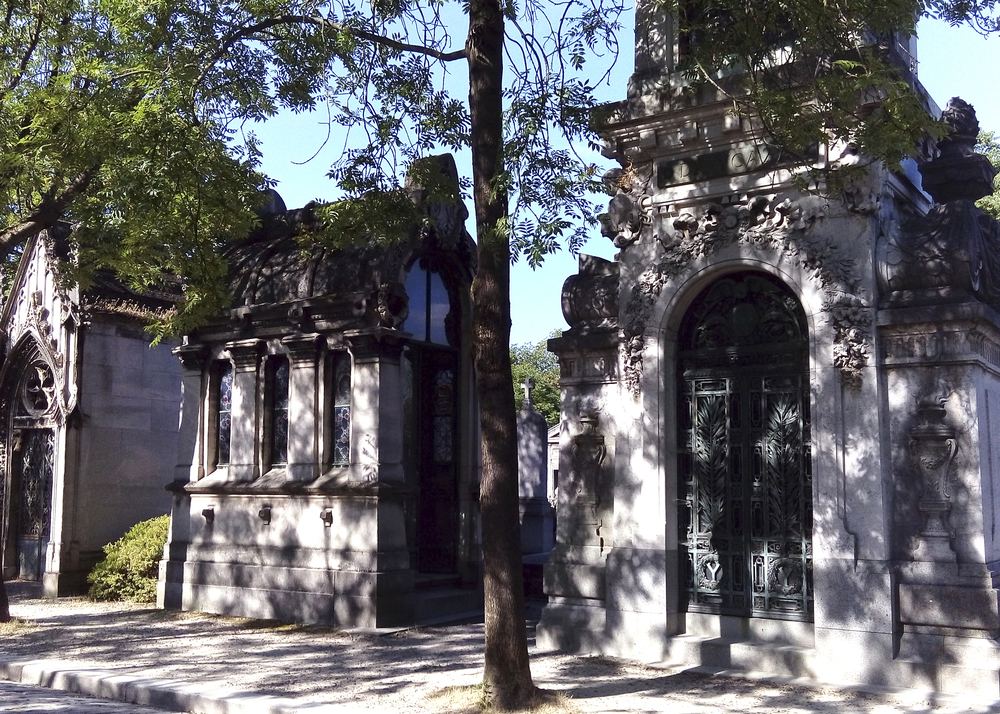
There are more than a million graves here, many of them belonging to celebrities. It all started with La Fontaine and Molière, whose remains were moved to Père Lachaise in the 19th century. So the owners of the land decided to increase the popularity of the cemetery. And it worked! The place began to attract the best of the best. Rich relatives decorated the burials with sculptures and stucco, turning the necropolis into an open-air museum. Whose graves can you visit at Père Lachaise? Oscar Wilde and Honoré de Balzac, Jim Morrison and Edith Piaf, for example. The cemetery is open until 6pm. Entrance to the grounds is free.
I suggest ending my second day in Paris with my favorite place, Montmartre. Exit the cemetery through another entrance leading to Père Lachaise station. And from there, take the metro to the Anvers stop. 200 meters uphill and you're at your new starting point.
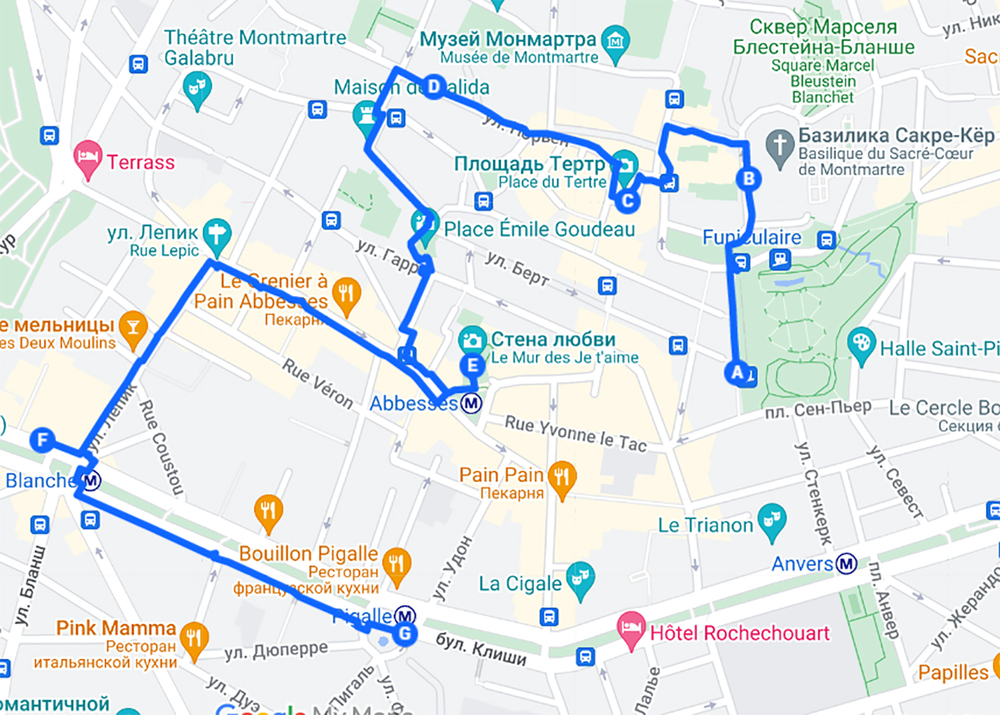
A. Montmartre
The slopes of the 130-meter high mountain are, in my opinion, the coziest place in the city. The air here is saturated with the spirit of creativity. In the 19th and early 20th century, Montmartre was home to many of the most famous now, but poor then, artists, writers and performers. Such as Paul Gauguin, Edgar Degas, Henri Matisse, Emile Zola, Hector Berlioz. They vacationed in local establishments, sometimes paying with their works, not money.
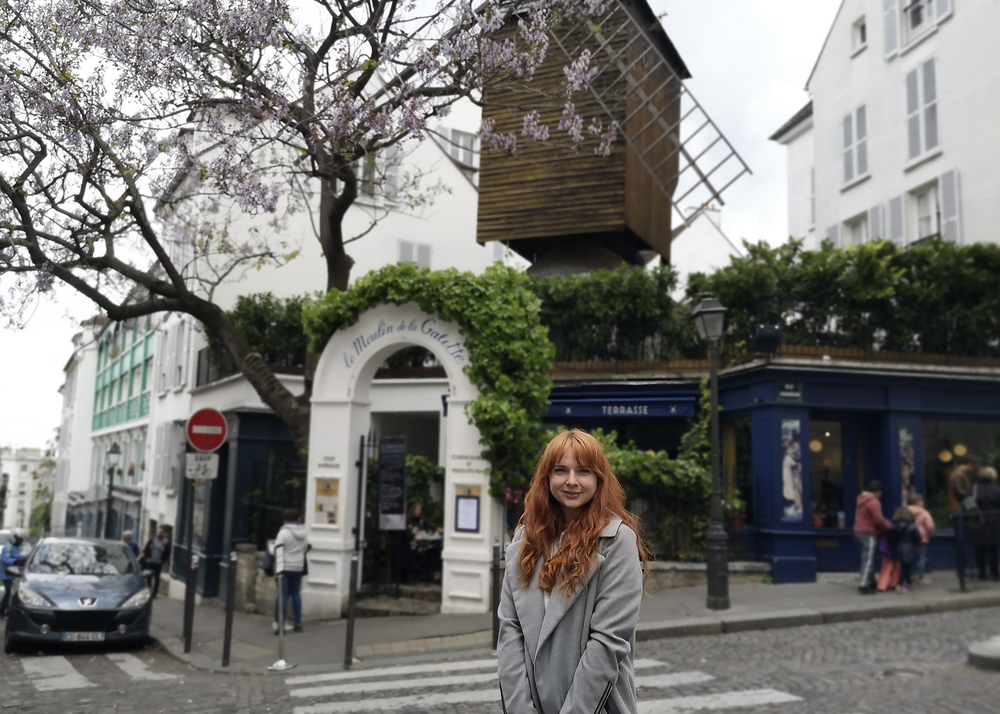
In order not to start your acquaintance with the "Mountain of Martyrs", as it is translated from French Montmartre, overcoming about two hundred steps after an already active day, I suggest you to go up by funicular. It runs from 6am until almost 1am. Some passes include the use of this mode of transportation. If you don't have one, just buy a ticket.
B. Basilica of the Sacré-Coeur
On the highest point of Paris there is a snow-white cathedral in the Roman-Byzantine style - the Basilica of the Sacred Heart. This temple was built in the early 20th century. Inside it is decorated with stained glass and mosaics. From the steps of the Sacré-Coeur, the capital of France is in the palm of your hand. If you need a 360-degree view, you can climb to the dome of the cathedral. There is a separate entrance for this purpose. It is paid - 7 euros. You can buy a ticket here.

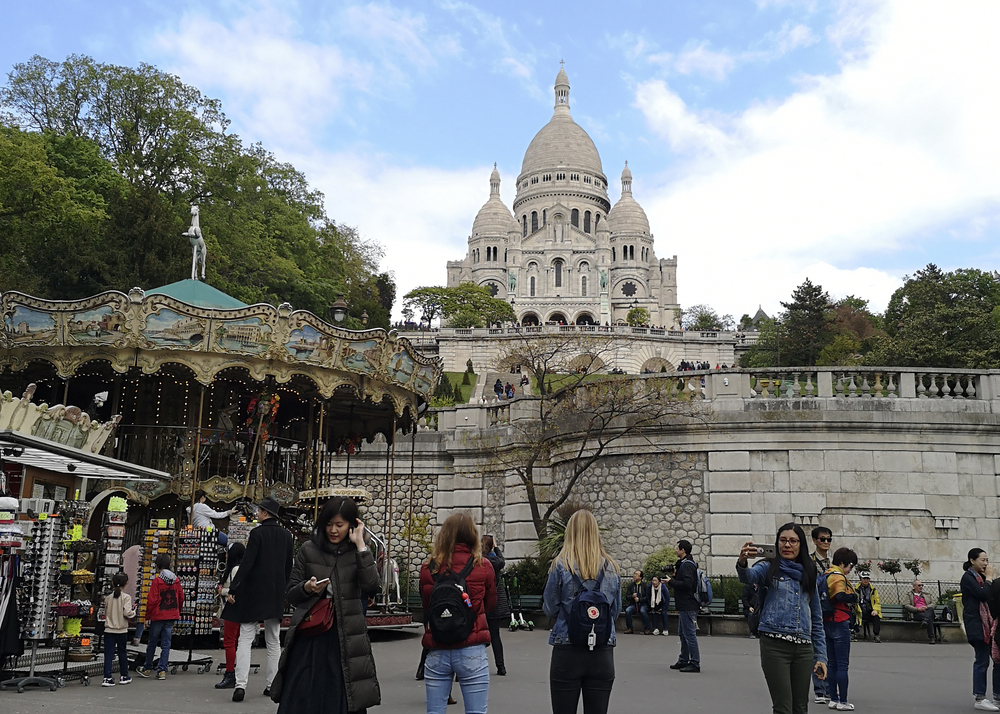
C. Place du Tertre
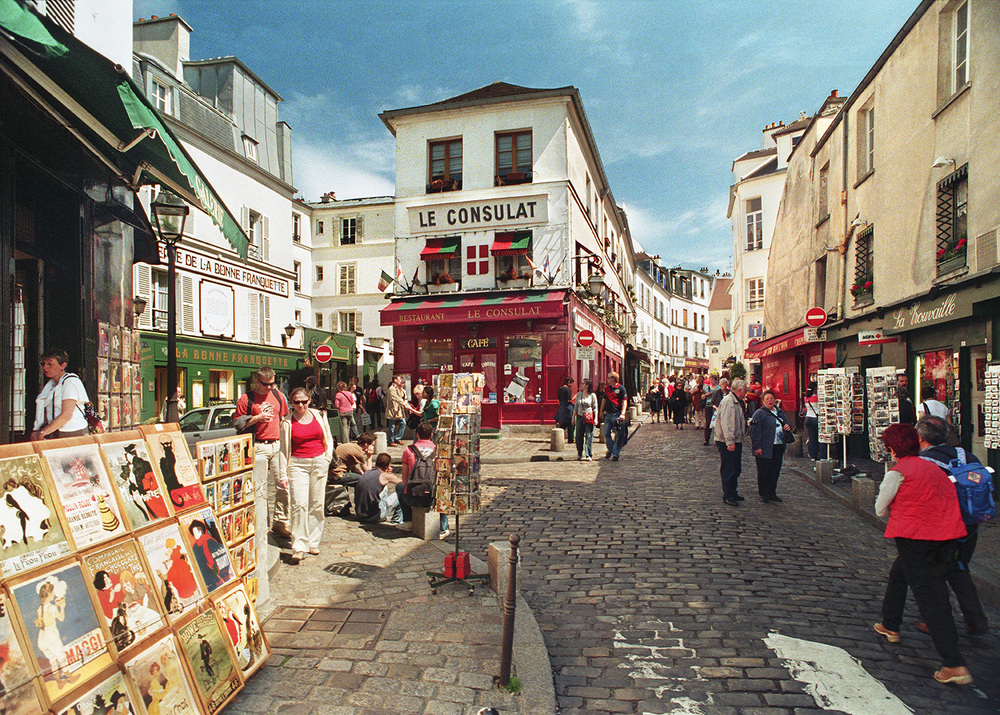
Next to the Sacré-Coeur is the Place du Tertre. This is where street artists work and sell their paintings. Just imagine that Amedeo Modigliani, Claude Monet, Pablo Picasso and Vincent Van Gogh once sat in the place of these artists! Maybe the works of today's artists will eventually be worth fabulous money too.
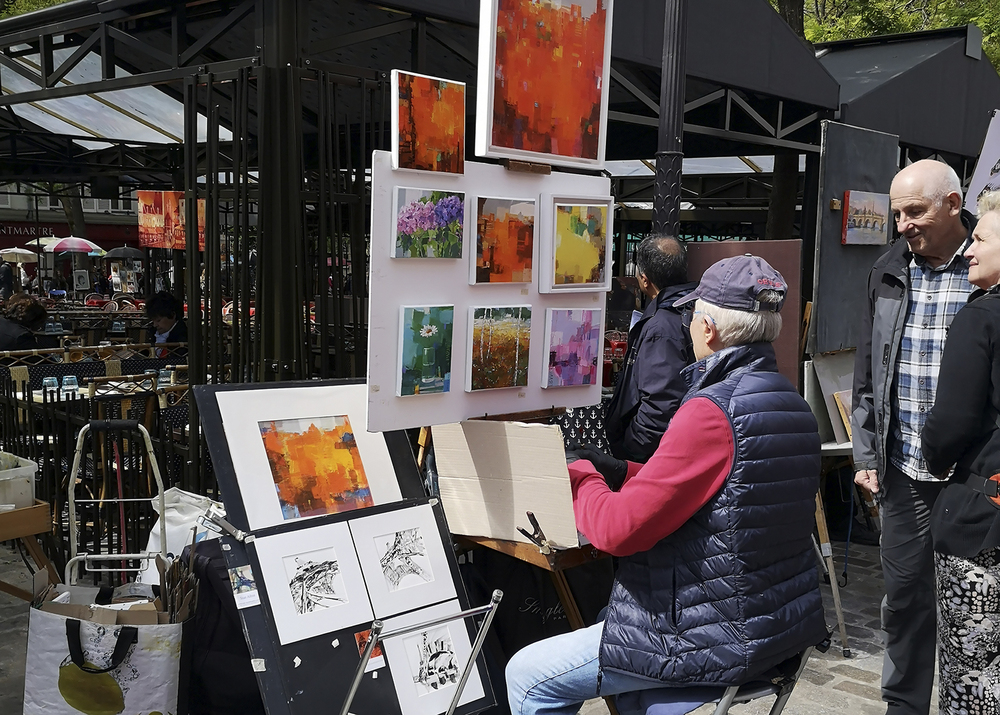
Walking along the winding streets of Montmartre, you can see the "Wall of Love" with confessions written in different languages of the world, the monument to the "Man Walking Through the Wall" - the main character of the story of the same name by Marcel Aim. There are also flea markets, many art galleries and various museums.
F. Moulin Rouge
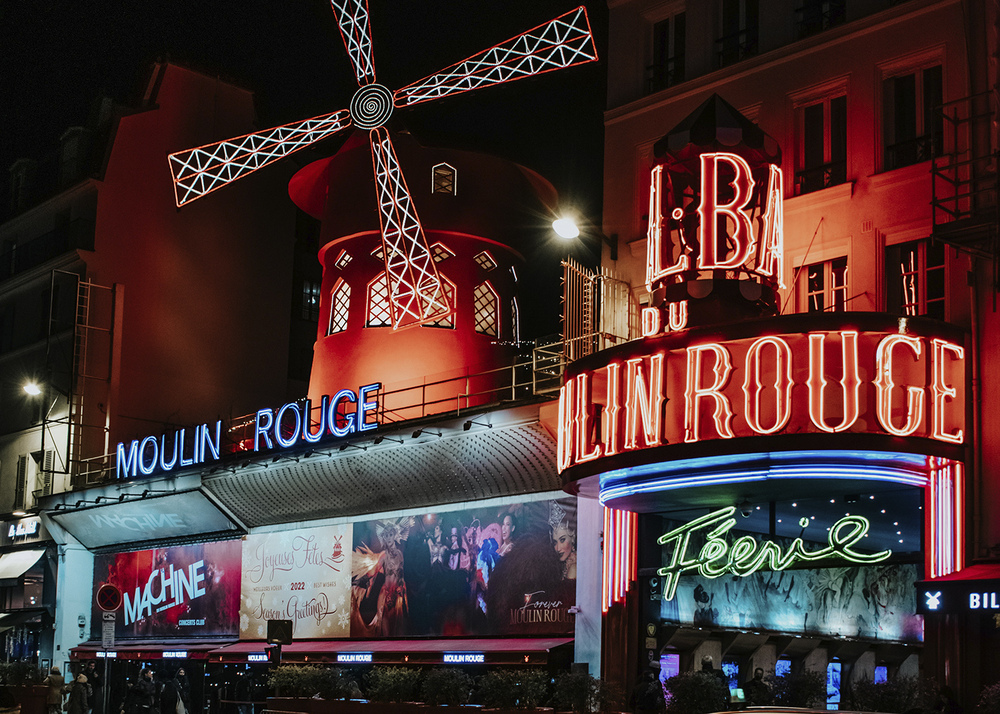
Eventually come down to another iconic place - the Moulin Rouge cabaret. This institution was opened at the end of the 19th century, and it has not lost its popularity to this day. Within its walls was born not only cancan, but also striptease! More than one movie has been made about the "Red Mill".
The cabaret gives two shows a day. A ticket for a show will cost you from 88 to 210 euros. You can choose the option with dinner, which will be twice as expensive. Keep in mind, it is better to come to such a place in elegant attire. To see the Moulin Rouge program and to buy tickets you can go here. link.
G. Place Pigalle
After the show or just a photo shoot at the Mill, you can walk through the "red light district". In Paris, it's the Pigalle district. There are many sex shops here, and brothels still operate in the alleys.