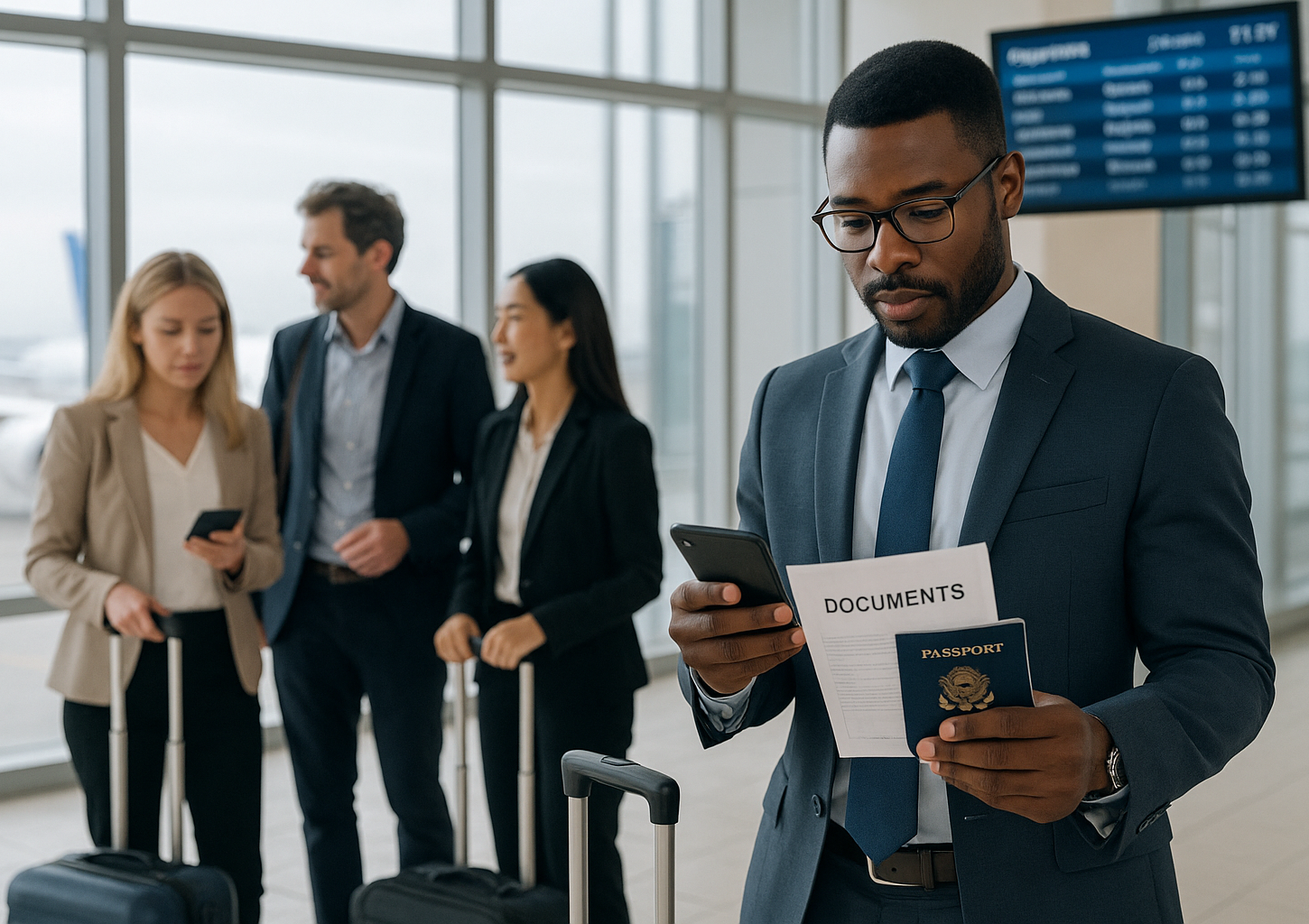
What is an overseas business trip?
In fact, it is an official assignment of an employee outside the country to perform labor duties. The purposes may be different: negotiations, participation in conferences, technical work, signing contracts. The trip is legally formalized to protect the interests of both the employee and the employer. In addition to internal regulations, national and international regulations must be taken into account: visa regime, conditions of stay, insurance, tax accounting.
Preparation of the main package of documents
- Business trip order. It specifies the employee's full name, purpose, itinerary, timing, and a list of expenses covered by the company.
- Passport. It is important to check the validity period: many states require that the passport remain valid for at least six months after departure.
- Power of Attorney. If an employee is authorized to sign documents or act as a representative of the company, a notarized power of attorney must be executed.
Timely formation of the package of documents will get rid of delays at the border and accelerate reporting after return.
Visa requirements and deadlines
The procedure depends on the nationality, purpose and country of destination. Often a business visa is issued, less often a work visa. Find out the list of documents in advance: invitation, accommodation booking, medical insurance, receipts for consular fees. Visa-free regimes are suitable for some employees, but even then you need to comply with the terms of stay and have proof of payment for accommodation.
Transportation and logistics
Route planning starts with the selection of flights. To quickly buy airline tickets online, it is advisable to use corporate search engines or agencies that support flexible refund policies.
Senior managers often require business class airfare, while ordinary employees fly economy. Company policy should clearly define the allowable fare depending on the grade.
After arrival, it is important to consider transfer: cab, car rental, train. In case of frequent travel, it is more profitable to rent a car, especially in countries with underdeveloped public transportation.
Accommodation and nuances of choosing a hotel
Optimal accommodation reduces time and budget costs. The HR department most often makes reservations for inexpensive hotels if the business trip is short. For long projects, it is reasonable to rent apartments with a kitchen.
If you need to quickly find a hotel during peak season, book immediately after visa confirmation - later the price may increase by 30-50%.
Cost accounting and per diem
A company must reimburse an employee for confirmed travel expenses. To do this:
- Keep original tickets, boarding passes, hotel bills, transportation and meal receipts.
- Complete the advance report in the corporate system or Excel template within 3-5 days of your return.
- Fix the exchange rate on the date of payment or use the weighted average exchange rate of the bank.
A modern business travel platform automates check uploading and report generation, saving the accounting department and the employee time.
Insurance and security
Health insurance is compulsory almost everywhere. It covers emergency care, hospitalization and repatriation. For high-risk projects, the company may additionally take out accident insurance or luggage insurance.
It is useful for the employee to have emergency numbers and addresses of diplomatic missions. In unsafe areas, only use licensed cabs and avoid walking alone at night.
Reporting on the results of the trip
A financial report is only half of the task. It is important for the manager to receive a business report on the goals achieved: the results of negotiations, prospective contacts, identified risks, and suggestions for improving processes. Such a document helps to assess the profitability of the business trip and plan further steps.
Working with groups of employees
When several people are traveling at the same time - for a trade show, training or branch launch - group travel services can help speed up the process. These include centralized ticket booking, transfer coordination and group insurance.
Brief conclusions
- Plan your trip at least a month in advance: documents, visas, tickets, lodging.
- Clearly follow internal expense policies and reporting deadlines.
- Use specialized services for reservations and report automation.
- Don't skimp on insurance and safety.
A properly prepared business trip increases the efficiency of meetings, reduces employee stress and protects the company from financial and legal risks.